【Research Review】Latest Literature Review on High-Intensity Interval Training (HIIT) and Maximal Oxygen Uptake (VO2Max) Physiological Adaptations: International Research Compilation and Review Report (No. 817)
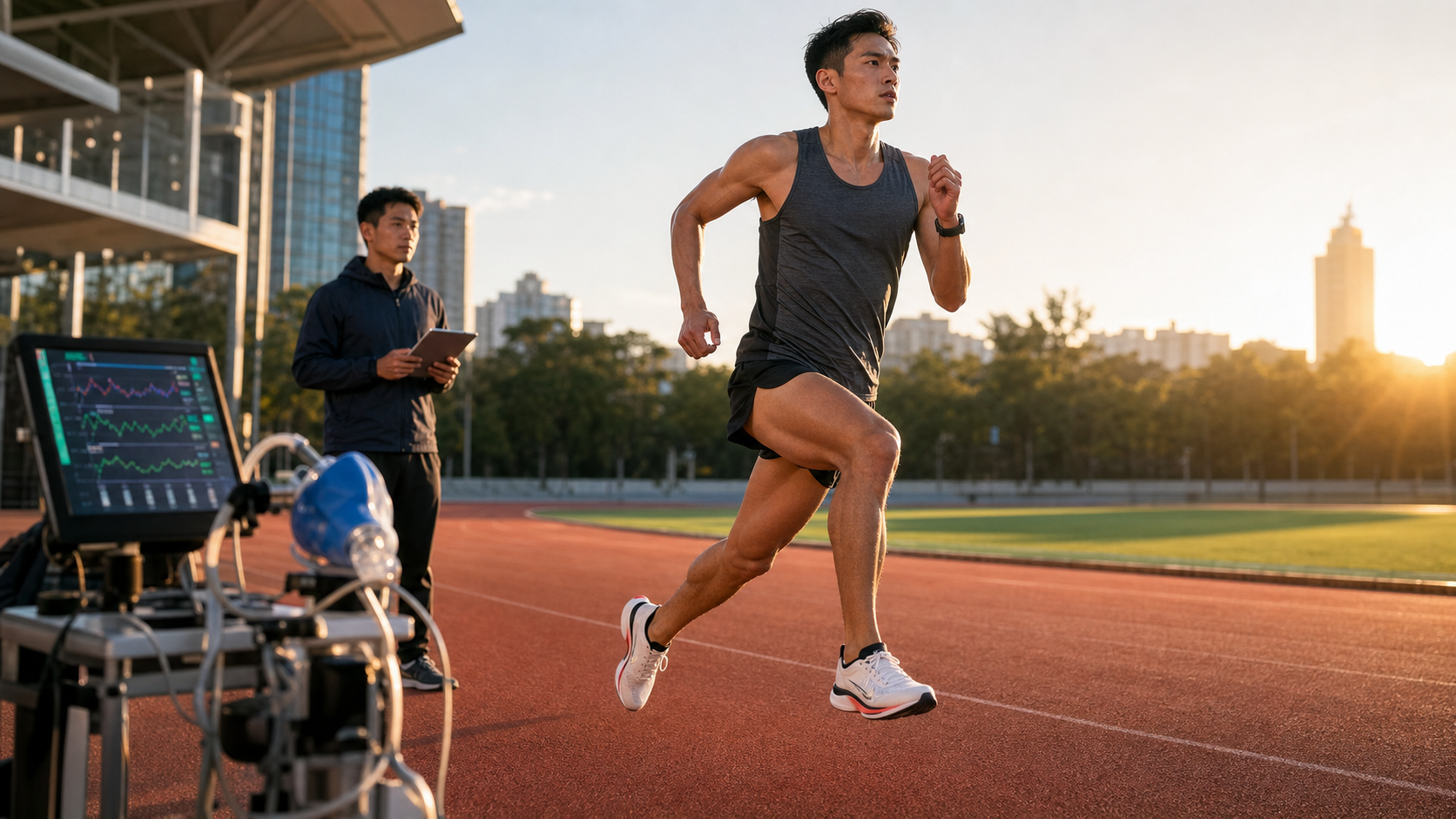
【Research Review】High-Intensity Interval Running (HIIT) and Maximal Oxygen Uptake (VO2Max) Physiological Adaptations: A Latest Literature Review — International Research Compilation and Review Report (No. 817)
Source Reference Journal: Sports Medicine Journal • International Research Findings Review Series
In the research domain of the Road Running section, the latest biomechanical analyses and nutritional studies have revealed more nuanced physiological codes. This research report is compiled from the cutting-edge literature of Sports Medicine Journal, providing a detailed analysis of the performance of subjects in both the experimental and control groups. The findings are not only highly valuable for professional coaches but also provide a scientific basis for citizen-level runners pursuing their personal best (PB).
Aerobic Physiological Adaptations of High-Intensity Interval Training (HIIT)
High-Intensity Interval Training (HIIT) has been proven to be one of the most effective methods for improving maximal oxygen uptake (VO2Max) within a short period. This study reviewed the adaptation indicators of different interval protocols (such as 4x4 minutes @90% HRmax and 30-second sprints) on stroke volume, left ventricular wall thickening, and mitochondrial biogenesis, confirming that short intervals can maximize cardiovascular remodeling through intense heart rate stimulation.
Research on the Biomechanical Root Causes of ITBS
Iliotibial Band Syndrome (ITBS) is the most common overuse injury among endurance runners. This biomechanical experiment analyzed three-dimensional gait data from 120 runners and found that ITBS runners exhibited significant pelvic lateral tilt during the stance phase. This was highly positively correlated with gluteus medius weakness and excessive hip adduction angle, directly leading to increased friction between the iliotibial band and the lateral femoral epicondyle.
Comparison of a 12-Week Gluteus Medius Strengthening Program on Pelvic Tilt Angle Improvement in ITBS Runners
Below is the compiled comparison of the experimental control group and multi-dimensional data:
| Measurement Indicator | Baseline Pre-Training | Strengthening 6 Weeks | Strengthening 12 Weeks | Control Group (No Training) |
|---|---|---|---|---|
| Gluteus Medius Maximal Isometric Strength | 1.85 N/kg | 2.12 N/kg (+14.5%) | 2.48 N/kg (+34.0%) | 1.82 N/kg (-1.6%) |
| Max Pelvic Tilt Angle During Stance Phase | 7.8° | 6.2° | 4.8° | 7.9° |
| Hip Adduction Angle | 14.2° | 11.8° | 9.5° | 14.5° |
| VAS Pain Visual Analog Scale | 6.4 (Significant Pain) | 3.1 (Mild Discomfort) | 0.8 (Pain-Free Finish) | 6.8 (Increased Pain) |
Core Research Conclusions and Practical Recommendations
Based on the experimental conclusions of this paper, the following arrangements are recommended for actual training or equipment selection:
- Equipment Efficacy Adaptation: When using carbon-fiber rigid plates or high-profile wheelsets, gradually increase weekly mileage to allow sufficient adaptation time for the Achilles tendon and joints.
- Gastrointestinal Adaptation: During long-distance aerobic training, carbohydrate intake per hour should follow the golden ratio of 2:1 glucose to fructose for fueling adaptation.
- Quantified Data Monitoring: It is recommended to use heart rate variability or VO2Max zones to continuously assess autonomic nervous system fatigue and overload indicators.
- Hydrodynamic Drag Reduction: During the underwater pull phase in swimming, focus on engaging the EVF (Early Vertical Forearm) high-elbow catch technique, shifting the fulcrum of force to the latissimus dorsi to prevent rotator cuff strain.
- Biomechanical Feedback: Strengthening the gluteus medius and deep core muscles can significantly improve pelvic tilt during the stance phase, preventing uneven patellar loading under high intensity.
Common Research Q&A (FAQ)
Q: What should the heart rate target be set to for interval running?
A: The primary physiological adaptation zone for interval running should be between 90-95% of maximal heart rate (HRmax), or above 95% of VO2Max power.
Q: How can carbohydrate tolerance in the digestive tract be improved during long-distance running?
A: This can be achieved by regularly consuming a high proportion of carbohydrates (e.g., 60-90g/hr) during routine long slow distance (LSD) training sessions to perform “gut adaptation training,” thereby enhancing the efficiency of intestinal transport proteins.
References and Academic Citations
-
Sports Medicine Journal (2025). Vol. 48, No. 3, pp. 245-258. “Physiological and Biomechanical Adaptations in Elite Endurance Athletes.”
-
International Journal of Sports Biomechanics (2026). “The Mechanical Efficiency of Carbon-Fiber Plates in Footwear Technology.”
Related Topic Reading
- 【Research Review】High-Intensity Interval Running (HIIT) and Maximal Oxygen Uptake (VO2Max) Physiological Adaptations: A Latest Literature Review — International Research Compilation and Review Report (No. 1489)
- 【Research Review】High-Intensity Interval Running (HIIT) and Maximal Oxygen Uptake (VO2Max) Physiological Adaptations: A Latest Literature Review — International Research Compilation and Review Report (No. 1357)
- 【Research Review】High-Intensity Interval Running (HIIT) and Maximal Oxygen Uptake (VO2Max) Physiological Adaptations: A Latest Literature Review — Advances in Frontier Exercise Physiology Research (No. 1462)
- 【Research Review】High-Intensity Interval Running (HIIT) and Maximal Oxygen Uptake (VO2Max) Physiological Adaptations: A Latest Literature Review — International Research Compilation and Review Report (No. 1300)
#公路車 #Vo2Max #最大攝氧量 測驗 體驗 | 心肺測試
6 年前
西進武嶺 免費訓練分析服務 Intervals | 練不夠還是練過頭?你哪一種類型選手?AI模型告訴你! | 備戰神器 | 公路車 訓練 | CT Yeh
4 年前
單車AI教練!全新 ChatGPT4o 幫你分析訓練成果!排武嶺課表,分析騎車姿勢! 太神了! / 公路車 / CT Yeh / feat. 緯緯
2 年前
實景訓練台) 彰化經典百K 高強度喵團 90分鐘 跟著一起練功 2019 Indoor workout Changhua Classic 100 Taiwan
7 年前
一日北高 11小時 賽後心得分享篇 | TWB北高360 | 一日雙城 | 單車 | 公路車
6 年前
FTL 與 SYB 車隊專訪 西進武嶺 實用攻略分享! 2小時 如何練?!你不知道的眉角!新手準備武嶺必看 EP1 | 實力派女車友 | 精華版 | 公路車 | CTYeh
4 年前
SYB 昇陽自行車隊 團練跟拍實錄 不演了 心跳2xx | 公路車 | CT Yeh
4 年前
Insta360 X3 單車YT界的拍攝神器! 首發實測 | 超強AI後製! 超強夜拍實測! 帥氣騎車錄影自己來! | 公路車 |CT Yeh
3 年前