Exercise and the Immune System: A Modern Perspective on the Open Window Theory—The J-Curve, Upper Respiratory Infection Risk, and Practical Strategies
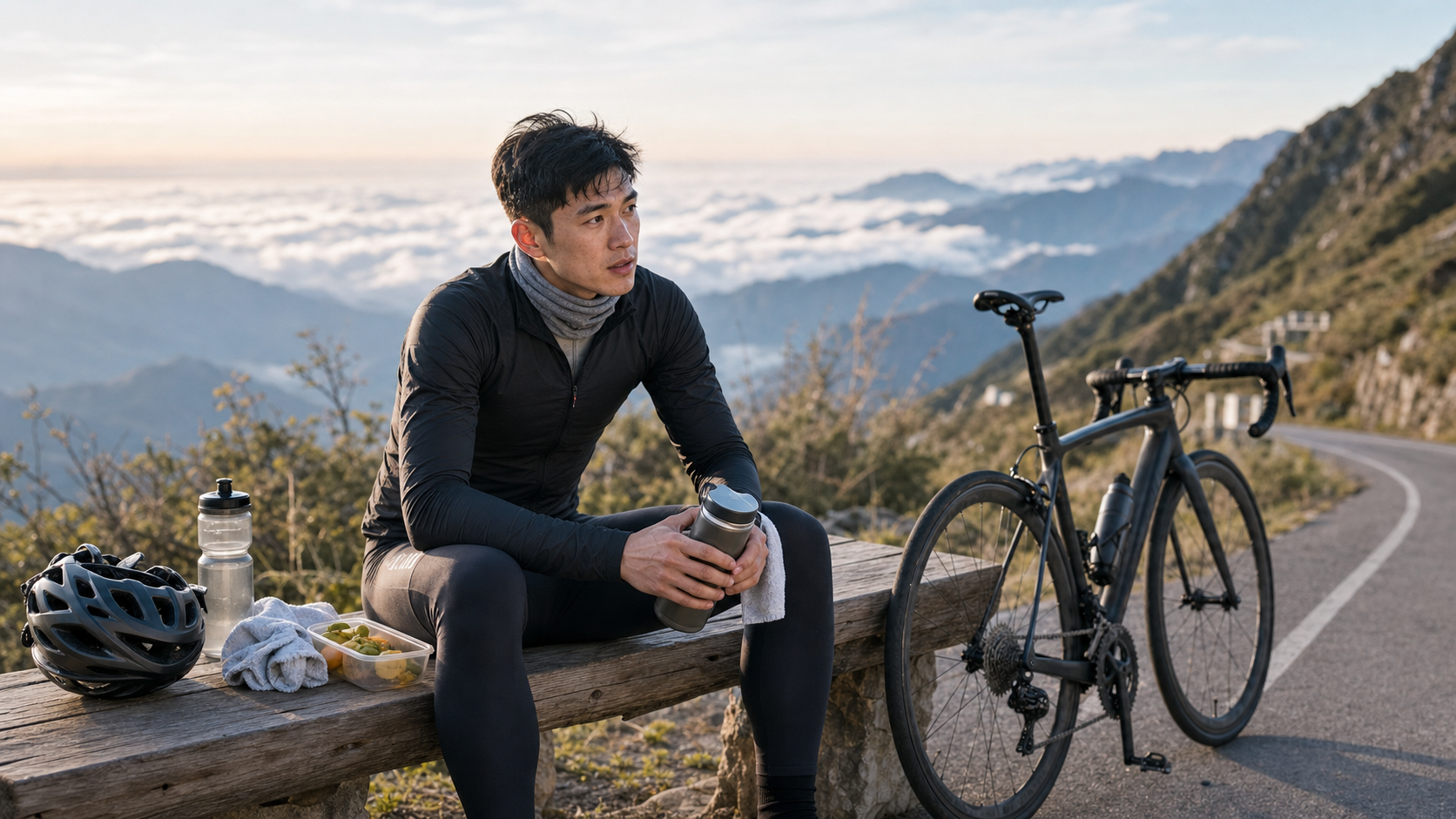
A few years ago, there was an athlete—let’s call him A-Zhe—who was one of the most memorable cases I’ve ever coached. He was a dedicated amateur road cyclist who could still squeeze in two one-hour training sessions on weekdays, and on weekends he’d routinely ride 120 kilometers with over 2,000 meters of climbing. That year, he set his sights on Wuling, pushing his training volume to an all-time high. Two weeks before the event, he caught a cold twice in a row—sore throat, stuffy nose, mild fever—which effectively ruined his most critical taper period. When he came to me, he looked baffled: “Coach, I’m training harder than anyone, and I’m always moving my body. Why do I keep getting sick instead?”
That question actually holds an entire body of knowledge in exercise immunology. In this article, I want to have a proper conversation with you about “exercise and the immune system,” especially that concept that sounds a bit mystical but is incredibly practical for anyone who trains seriously: the “Open Window Theory,” along with the famous J-curve behind it. I’ll do my best to explain the science clearly, in the tone I use with my athletes, and then give you a set of actionable strategies. Whether you’re an older adult who takes daily walks, a beginner runner, or a cyclist chasing results like A-Zhe, you’ll find something that works for you.
Why Do “Exercise” and “Immunity” Even Connect?
Let’s start with an intuition we all share: people who exercise regularly seem less likely to catch colds. That intuition has scientific backing, but it’s only half the story.
The effect of exercise on the immune system isn’t a linear “more is better” relationship—it’s a curve that dips first, then rises. David Nieman, a pioneer in exercise immunology, proposed the famous J-shaped curve hypothesis in the 1990s, describing the relationship between exercise volume and the risk of upper respiratory tract infections (URTI—what we commonly call colds, sore throats, stuffy noses, and the like).
In simple terms, the curve looks like this:
- People who don’t move at all (sedentary individuals): Immune surveillance is mediocre, and cold risk sits at a “baseline” level.
- People who regularly do moderate-intensity exercise: Immune function gets a boost, and cold risk is lower than in sedentary individuals—this is the bottom of the curve.
- People who do prolonged, high-intensity, high-volume training: Immune function is actually suppressed, and cold risk is higher than in sedentary individuals—this is the upward-swinging tail on the right side of the curve.
Connect those three points, and it forms the shape of the letter “J”—hence the J-curve. A-Zhe’s confusion was exactly at that upper-right stroke of the J: he wasn’t moving too little, but training too hard with insufficient recovery, pushing himself to the upward-swinging end of the curve.
Why Does Moderate Intensity Offer Protection?
Regular moderate-intensity exercise makes the immune system’s “patrol units” more active. Each bout of moderate exercise temporarily mobilizes immune cells like natural killer (NK) cells and neutrophils to circulate in the blood—essentially running a “security sweep” through the body. Accumulated over time, combined with exercise’s ability to reduce chronic low-grade inflammation and improve stress-hormone regulation, overall infection resistance gets lifted.
Recent large observational studies support this direction: regular physical activity is associated with a lower risk of acute respiratory infections, and even when infection does occur, symptom severity may be slightly reduced. It’s worth noting that these studies are mostly observational, so the level of evidence isn’t the highest. When I talk to my athletes, I frame it as “a well-supported general principle,” not “a guaranteed prescription against colds.”
To give you a mental picture of the “immune patrol,” I’ve put together a table below of the key immune players most closely tied to exercise, explained in the plainest terms. You don’t need to memorize it—just get a rough sense of who exercise is mobilizing:
| Key Immune Player | Plain-Language Analogy | Role During Exercise |
|---|---|---|
| Natural Killer Cells (NK) | Frontline rapid-response force | Moderate exercise quickly mobilizes them to patrol and respond to virus-infected cells |
| Neutrophils | The cleanup crew | High in number and fast to react, but killing activity may drop after overtraining |
| Lymphocytes (T/B cells) | Intelligence and precision strikes | Briefly redistribute in the blood after exercise, creating a defense trough |
| Secretory IgA (sIgA) | The wall on oral and nasal mucosa | First line of defense against respiratory pathogens; may temporarily thin after heavy training |
Once you understand this table, you’ll see why I keep emphasizing mucosal protection (staying warm, avoiding crowds, wearing a mask) during the “open window”—because that wall (sIgA) happens to get thinner right when you’re most exhausted.
The Open Window Theory: An Immune Gap After a Hard Session
If the J-curve is about “long-term habits,” then the Open Window Theory is about “short-term changes after a single session.” This is the key to understanding why A-Zhe kept getting sick.
The “open window” refers to a temporary dip in immune defense that occurs after a prolonged, high-intensity exercise session (such as a marathon, a century ride with big climbing, or a gut-busting interval session). This “window” is most pronounced within a few hours after exercise and, depending on the intensity and duration, can last from several hours up to about a day (the commonly cited range in the literature is roughly 3 to 72 hours post-exercise, with most cases concentrated between 3 and 24 hours). During this period, various immune functions—such as neutrophil killing activity, lymphocyte proliferation, and the first line of mucosal defense—temporarily weaken, making it easier for pathogens to “slip in.”
I often use this analogy with my athletes: Your front door normally has a security guard patrolling, but after a hard session, the guard is so exhausted he’s dozing off. During that time, thieves (viruses, bacteria) find it easier to sneak in. How long the window stays open and how wide it gets depends directly on how hard you pushed and how well you recovered.
Which Situations Are Most Likely to “Open the Window”?
Not every workout opens the window. What truly warrants caution are sessions that combine both “long duration” and “high intensity.” Here’s a table I use with my athletes to quickly assess risk:
| Exercise Scenario | Typical Duration | Intensity | Open-Window Risk | Coach’s Notes |
|---|---|---|---|---|
| Commuting by bike, easy jogging | 20–40 minutes | Low | Nearly none | Actually a boost to immunity |
| Regular group ride, mid-distance cycling | 60–90 minutes | Moderate | Low | Normal recovery is sufficient |
| Long LSD ride (90 km or more) | 3+ hours | Moderate-high | Moderate | Post-ride nutrition and warmth are essential |
| All-out race (marathon, KOM challenge) | 2+ hours | High | High | The 24 hours post-event are a critical protection period |
| Multi-day high-volume training camp | Several hours daily | Moderate-high | High | Cumulative effect; highest risk of getting sick |
A-Zhe’s problem was in the last two rows. To prepare for Wuling, he kept stacking weekend volume higher and higher, without truly reducing intensity during the week—effectively leaving that window repeatedly open for weeks on end, reopening it before it could close. His immune system was stuck in a “guard dozing off” state. Getting sick was his body’s way of protesting.
I still remember reviewing his training log from that period: three consecutive weekends of century rides with climbing, and on the weekdays in between, not only did he not back off, but he added two more high-intensity interval sessions, often staying up until 1 or 2 a.m. chasing training targets. Worse, every time he finished a Wuling practice route, he’d be drenched in sweat at the summit and rush to take photos for social media, then stand in the mountain wind for half an hour in wet clothes before thinking to put on a jacket. All these factors stacked together—spiking training volume, insufficient sleep, and poor post-ride warmth—meant he hit every single risk factor for the open window. He wasn’t unlucky; he’d pushed his body into a situation where getting sick was almost inevitable. That’s also what I emphasized to him afterward: A cold is rarely caused by a single factor; it’s the result of a series of small oversights piling up.
What Actually Happens to Your Body During the Open-Window Period?
Let me go a bit deeper here, but I’ll keep it as plain-spoken as possible. After a long, high-intensity workout, your body goes through several changes:
- Stress hormones rise: Adrenaline and cortisol are secreted in large amounts. Cortisol, in acute, moderate doses, helps regulate inflammation, but prolonged, repeated high-level exposure can suppress the function of certain immune cells.
- Immune cells “surge first, then retreat”: During exercise, the number of immune cells in the blood temporarily spikes (as if they’re called out to patrol), but as soon as exercise ends, these cells quickly “disappear” from the blood (redistributing to tissues, bone marrow, etc.), causing the count of certain immune cells in the blood to temporarily drop below normal. This trough is precisely when your defenses are weakest.
- Mucosal immunity declines: Secretory immunoglobulin A (sIgA) in the mucous membranes of the mouth and nose is the first line of defense against respiratory pathogens. After heavy training, sIgA may temporarily drop, which is like the front-line city wall being shortened by a section.
- Gut and energy stress: Prolonged exercise directs blood flow to the muscles, leaving the gut relatively ischemic; combined with glycogen depletion and energy deficit, this indirectly affects the “fuel” available to immune cells.
These changes are all normal and reversible physiological responses, not illnesses. The real problem is that while this window is still open, if you happen to come into contact with pathogens and fail to recover properly, that’s when it easily turns into a real illness. So the core of the strategy isn’t “don’t train hard,” but rather “how to close the window as quickly as possible after training.”
A Modern Revision of the Open-Window Theory: Don’t Treat It as an Iron Law
Here I need to honestly add a note, because this is the crux of the phrase “modern perspective.” Since the open-window theory was proposed in the 1990s, it has been extensively studied, debated, and revised. Over the past decade, a school of researchers has argued that the post-exercise decline in blood immune cell counts doesn’t entirely mean “weakened immunity”; it’s more likely that immune cells are being “redeployed” to the tissues that need them most (such as the lungs and gut mucosa) to strengthen patrols—a redistribution of immune surveillance, rather than mere suppression.
In other words, this window may not be as “wide open” as early thinking suggested, and the higher incidence of colds among athletes is partly due to factors outside of training—long-distance travel, jet lag, event crowding, psychological stress, disrupted sleep, dietary imbalances, and so on. So when I work with athletes, I treat the open-window theory as a practical framework that reminds you to prioritize recovery, not as an iron law that “you will definitely get sick after exercise.” The truth is usually a web of multiple factors: exercise is just one piece of the puzzle; recovery and daily routines are the pieces you can actually control.
This is also why I keep emphasizing: rather than obsessing over how many hours that window is open, just honestly nail down the “foundation”—sleep, nutrition, warmth, and training load management. When the foundation is solid, it doesn’t matter much whether the window opens a little or a lot.
The Taiwan Context: What Extra Challenges Do We Face?
When working with athletes in Taiwan, I specifically flag a few local factors, because they amplify the risk during the open-window period:
- Humid heat and temperature swings: Taiwan’s summers are muggy; long workouts mean heavy sweating and significant electrolyte loss. In winter, on mountain descents (like Wuling, Lala Mountain, Fengguizui), body temperature drops sharply—hot then cold, and the mucous membranes become more vulnerable. Climbing until you’re drenched in sweat, then stopping at the summit to catch the wind, is the starting point of many cyclists’ colds.
- Eating out and nutritional imbalance: Eating out is convenient in Taiwan, but if you just grab a convenience-store rice ball after a long workout, you often don’t get enough protein, vegetables, or micronutrients, and the quality of your recovery suffers.
- Dense crowds in training and daily life: Gyms, MRT trains, and offices are all enclosed, crowded environments. You’ve just finished a full marathon, your immunity is in the open-window phase, and you immediately squeeze onto the MRT to go home—it’s like leaving the front door wide open while the security guard is dozing off.
- Easy access to healthcare can breed complacency: Taiwan’s National Health Insurance is convenient and the threshold for seeing a doctor is low—that’s a good thing. But it also lets some people develop a “I’ll just see a doctor when I get sick” mindset, neglecting prevention. My stance is: prevention is always more cost-effective than treatment, especially for people with race goals—one cold can wipe out weeks of preparation.
Practical Strategies: Minimizing Risk During the Open-Window Period
Okay, enough theory—let’s get to the most practical part. Below are the specific strategies I give athletes for “heavy training volume / post-race open-window periods,” broken into three levels: during exercise, the golden hours after exercise, and long-term daily habits.
1. Golden Post-Race Nutrition: The First Step to Closing the Window
After prolonged exercise, timely replenishment of carbohydrates and protein is key to “re-supplying fuel” to the immune system. Here’s a general reference range; adjust actual amounts based on your body weight and workout duration:
| Item | General Reference Range | Timing | Taiwan Local Examples |
|---|---|---|---|
| Carbohydrates | Approx. 1.0–1.2 g per kg body weight | Within 30–60 minutes post-exercise | Banana, rice ball, sweet potato, sweetened soy milk |
| Protein | Approx. 0.25–0.4 g per kg body weight | Taken with carbohydrates | Tea egg, unsweetened yogurt, chicken breast, soy milk |
| Fluids & Electrolytes | Replenish sweat losses, small amounts frequently | Over several hours post-exercise | Diluted sports drink, salted lemon water |
| Total Calories | Replenish based on daily expenditure; avoid prolonged deficit | Spread throughout the day | Meals plus snacks; don’t just have one drink and call it done |
Take a 65 kg cyclist as an example: after a three-hour long ride, you’d first aim for about 65–78 g of carbohydrates (roughly one large rice ball plus a banana) paired with about 16–26 g of protein (two tea eggs plus a cup of unsweetened soy milk). The point isn’t to obsess over exact grams, but to “not let your body go through the entire open-window period on an empty stomach in an energy deficit.”
2. Stay Warm, Change Clothes, and Avoid Lingering in Crowds
This is the cheapest and most overlooked tactic. After exercise:
- Change out of wet clothes as soon as possible, especially in mountain areas or air-conditioned rooms. Sweat-soaked clothing clinging to your body accelerates heat loss, and the drop in body temperature weakens mucosal defenses.
- Put on a light jacket or windbreaker for descents—don’t let yourself go from a hard climb, drenched in sweat, straight into cold wind.
- Avoid enclosed crowds after races as much as possible. Don’t immediately dive into a packed MRT car or a group dinner right after finishing a marathon. If necessary, wearing a mask is a perfectly reasonable form of self-protection.
3. Sleep: The Underrated Immune Ace
I often say that if I could give serious athletes just one piece of advice, it would be sleep well. Sleep deprivation directly weakens immune function—it’s like opening another window during the open-window period. During periods of heavy training volume, I ask athletes to aim for 7 to 9 hours of sleep per night, and absolutely no staying up late before key races. Many people push their training volume hard while cutting corners on sleep—that’s putting the cart before the horse.
4. “Progression” and “Tapering” of Training Load
Returning to the upper-right stroke of the J-curve — avoiding prolonged time in the immunosuppression zone relies on smart periodization:
- Don’t increase weekly training load too aggressively. Many coaches use “roughly no more than 10% per week” as a loose ceiling, giving the body time to adapt.
- Schedule true recovery days and deload weeks. Not “an easy ride that still lasts two hours,” but a genuine reduction in both intensity and duration.
- Follow through with a pre-race taper. Don’t try to squeeze in one hard session before race day thinking it’s “last-minute sharpening” — that could actually leave you starting with an open window.
To help you understand what “smart periodization” looks like concretely, I’ve included a typical four-week training cycle (three build weeks, one deload week) that I reorganized for A-Zhe as an example. The numbers are illustrative; adjust them to your own situation, but the structure is directly usable:
| Week | Focus | Total Weekly Hours (Illustrative) | Intensity Emphasis | Immune Protection Emphasis |
|---|---|---|---|---|
| Week 1 | Accumulation | ~8 hours | One interval session + one long ride | Strict refueling and early sleep after every hard session |
| Week 2 | Accumulation | ~9 hours | Slightly higher intensity, longer long ride | Monitor morning heart rate and fatigue |
| Week 3 | Peak | ~10 hours | Highest load week | Highest open-window risk; don’t skimp on warmth and sleep |
| Week 4 | Deload | ~5–6 hours | Both intensity and duration reduced | Let the immune system “catch up,” allow the body to repair |
The soul of this table is Week 4. Many athletes find it hardest to accept “actively cutting the load in half,” feeling like they’re wasting fitness. But it’s precisely this week that clears out the accumulated fatigue and immune stress from the previous three weeks, giving you the capital to enter the next, higher cycle. I often say: Progress doesn’t happen in the moment you train hard; it happens in the moment you recover. A deload week isn’t laziness — it’s part of training.
5. Monitoring Your Body’s “Protest Signals”
When your immune system is about to give out, your body usually sends signals first — most people just aren’t listening. I ask my athletes to spend thirty seconds a day on a simple self-check, and to actively back off if any of the following warning signs appear:
- Morning resting heart rate is about 5 to 10 bpm higher than usual, persisting for several days.
- Sleep quality deteriorates — you’re exhausted but can’t sleep well, or no matter how much you sleep, you still feel tired.
- Your throat starts to feel slightly scratchy, your nose is a bit stuffy, or you repeatedly feel like “you might be coming down with something.”
- Low mood, irritability, loss of enthusiasm for training — these are often early psychological signs of overtraining.
- The same workout feels noticeably harder (higher RPE).
One signal alone isn’t a reason to panic, but if several appear together, your body is waving the white flag. The smartest choice then is to swap the day’s hard session for light activity or complete rest — stepping back voluntarily beats being forced to lie low for a week.
Common Mistakes and Corrections
Over years of coaching, I’ve seen too many cases where good intentions turned into harm. Here are the most common mistakes:
Mistake 1: “I’m always active, so I won’t get sick.”
Correction: Regular moderate exercise does offer protection, but a single excessive session opens the window. Good habits don’t mean you can arbitrarily overtrain. A-Zhe is a living example.
Mistake 2: Not eating or drinking after a race, rushing to shower and sleep.
Correction: The open-window period needs energy and fluids most. At minimum, get in a round of carbs plus protein, change out of wet clothes, and rehydrate before resting.
Mistake 3: When you feel a cold coming on, you still force yourself through the scheduled workout.
Correction: Here’s a practical rule of thumb — the “neck check.” If symptoms are all above the neck (stuffy nose, mild throat tickle), you can do low-intensity, short-duration activity and observe. Once symptoms appear below the neck (fever, body aches, chest tightness, cough deep in the chest, gastrointestinal discomfort), stop training entirely and rest. This is a practical rough guideline, not a medical diagnosis — if something feels off, see a doctor.
Mistake 4: Treating supplements as a lucky charm.
Correction: The market is full of supplements claiming to “boost immunity.” My stance has always been conservative: the fundamentals with real consensus are adequate sleep, balanced nutrition, appropriate training load, and good recovery. Get those right, and the benefit far outweighs any supplement. For any supplement use, especially if you have a chronic condition or are on medication, consult a physician or dietitian first — don’t experiment on yourself.
Mistake 5: Training through illness, believing “sweating it out forces the bug out.”
Correction: This is a dangerous myth. Exercising with a fever or systemic infection not only slows recovery but, in severe cases, carries health risks like myocarditis. When you’re sick, rest is the best training.
Mistake 6: Focusing only on training while ignoring the hidden variable of life stress.
Correction: The immune system doesn’t distinguish between “training stress” and “life stress” — it bears total stress. Burning the midnight oil at work, pulling all-nighters on projects, family issues — all of these eat into your recovery budget. When life stress is high, training load should yield, not stubbornly stick to the plan. I often remind my athletes: Your immune budget is a single account, and training and life both draw from the same ledger.
Nutrition Micro-Perspectives: A Few Immune-Related Points
The big-picture fueling principles were covered earlier. Here are a few nutritional details athletes often ask about, but which should be viewed cautiously. Bottom line first: no single nutrient is a magic bullet; balance and sufficiency are what matter.
- Adequate total calories and carbohydrates: Chronic energy deficit (e.g., cutting food intake very low for weight loss while maintaining a heavy training load) is a hidden immune killer. Carbohydrate intake during exercise helps blunt the spike in stress hormones, which is why timely carbohydrate supplementation during long efforts makes sense.
- Get enough protein: Immune cells and antibodies are made of protein. During high training loads, spreading daily protein across meals (e.g., a palm-sized protein source at each meal) is more effective than loading it into one meal.
- Fruits, vegetables, and variety: Colorful produce provides vitamins, minerals, and phytochemicals. Rather than obsessing over a single supplement, make your plate more colorful.
- Vitamin D: With indoor desk jobs and diligent sun protection, vitamin D deficiency is actually not uncommon in Taiwan, and it’s linked to immune function. But whether to supplement and at what dose depends on blood values and individual circumstances — leave that to a physician or dietitian, and don’t self-prescribe high doses.
- Gut health: The gut is a major immune organ. Regular eating patterns, adequate fiber, and paying attention to fermented foods when appropriate all support overall immunity.
Let me reiterate my stance: these are directions for “getting the fundamentals right,” not a call to stockpile supplements. For any supplement, especially with a chronic condition or current medication, always check with your physician or dietitian first.
Myths vs. Facts: A Quick Reference
Finally, here’s a comparison table of the most common myths you’ll hear. Save it, and the next time someone says something like this, you’ll know where things stand:
| Common Myth | A More Accurate Statement |
|---|---|
| “The more you exercise, the stronger your immune system” | Regular moderate exercise is beneficial; a single excessive session temporarily suppresses immunity |
| “Sweating forces the virus out” | Exercising while sick (especially with a fever) slows recovery and increases risk |
| “Taking supplements prevents colds” | Sleep, diet, recovery, and training load control are the main drivers |
| “Athletes are definitely healthier and never get sick” | Heavy training loads plus travel and group exposure actually make them a high-risk group for colds |
| “Once you’re half over a cold, you can resume the full training plan” | Return gradually only after symptoms are completely gone; don’t jump back to full volume the moment you feel better |
Actionable Advice for Readers of Different Levels
The same principles apply differently to different people. This table summarizes the key points I’ve organized by audience:
| Reader Type | Primary Goal | Specific Action Recommendations |
|---|---|---|
| Sedentary people looking to start exercising | Push immunity up from baseline | Start with 150 minutes of moderate-intensity activity per week (brisk walking, easy cycling); focus on consistency rather than intensity |
| General fitness and recreational athletes | Maintain immune protection, avoid occasional overtraining | Stay consistent with moderate intensity; after occasional events, remember to refuel, stay warm, and get good sleep |
| Amateur athletes with competition goals | Balance training load and health | Implement periodization, deload weeks, and post-race open-window protection; monitor sleep, fatigue, and mood—back off if warning signs appear |
| Middle-aged/older adults or those with chronic conditions | Safely enjoy the benefits of exercise | Focus on low-to-moderate intensity and progress gradually; if you have diabetes, hypertension, heart disease, etc., consult your physician first and get an individualized assessment before increasing load |
I want to say a few extra words to the friends in that last row. The overall benefits of exercise for people with chronic conditions are clear, but intensity and progression must be individualized. Diabetics need to watch blood sugar fluctuations during exercise; people with hypertension or heart disease need to pay attention to intensity limits and medication interactions. These aren’t decisions you can make on your own based on general rules from an article. Please take your exercise plan to your primary care physician and let professionals help you manage it—that’s the responsible approach.
A Positive Example of Applying the Concepts Correctly
After sharing A-Zhe’s lesson, here’s a story with a better ending. Later, I helped him restructure his training with three changes: keeping weekly load increases to a modest range, scheduling a true deload week every four weeks, and strictly enforcing refueling, warmth, and sleep after races and hard sessions. The following year when he prepared for competition again, he only had one minor cold the entire season—and he didn’t collapse through his deload period like before. His own takeaway was: “Giving your body time to close the window matters more than squeezing in those extra rides.”
That statement is actually the most practical reminder the entire field of exercise immunology gives us. Exercise is a friend to your immune system—but only if you respect recovery.
Worth noting: A-Zhe also picked up a very useful habit. In the two to three weeks before a key event, he deliberately “socially downsizes”—cutting unnecessary dinners and social obligations, avoiding crowded indoor spaces, and reminding his family that he needs to sleep early during that period. He half-jokingly calls it his “pre-race sterile room mode.” It’s not truly sterile, of course, but the logic behind it is sound: during that critical period when you’ve spent months preparing and your immune system is strained from training load, actively reducing your exposure to pathogens is the most cost-effective insurance you can buy. A single cold can destroy six months of hard work—that math never works out in your favor.
Frequently Asked Questions (FAQ)
Q: How intense is “moderate intensity” exactly? How do I gauge it?
A: A very practical rough indicator is the “talk test”—at moderate intensity, you can speak in short sentences but can’t comfortably sing. Using heart rate, it typically falls around 60–70% of your maximum heart rate (for example, someone with a max HR of about 180 bpm would be in the 108–126 bpm range for moderate intensity). But there’s wide individual variation, so treat the numbers as reference only.
Q: How long after a cold can I resume training?
A: The general principle: after symptoms fully resolve, start with low intensity and short duration, observe for a day or two to make sure symptoms don’t return, then gradually build back up. Don’t jump straight into a full training load the moment you feel better. If you had a fever, chest tightness, palpitations, or similar symptoms, be even more conservative before returning, and have a physician evaluate you if necessary.
Q: Can vitamin C or supplements prevent post-race colds?
A: Honestly, the evidence is quite limited and inconsistent, so I wouldn’t rely on them as a primary strategy. What’s really worth investing in is sleep, nutrition, recovery, and training load management. No supplement can replace these fundamentals, and none can replace professional advice.
Q: Do only extreme athletes need to worry about the open window?
A: The open-window effect is most pronounced after prolonged high-intensity exercise; recreational exercisers generally don’t need to worry much. But “weekend warriors”—people who are mostly sedentary during the week and then go all out for a full day on the weekend—actually need to be careful, because their bodies lack the adaptive foundation of regular training, making the impact of a single excessive session relatively greater.
Q: It’s very hot in Taiwan in summer. Besides colds, what else should I watch for after long exercise?
A: In hot, humid conditions, dehydration and electrolyte loss are the primary concerns, and in severe cases there’s a risk of heat injury. During prolonged exercise, hydrate and replace electrolytes frequently in small amounts. After exercise, get to a cool area promptly, change out of wet clothes, and bring your core temperature down. Dizziness, nausea, cessation of sweating, or altered consciousness are warning signs of heat injury—cool down immediately and seek medical attention without delay.
Q: Can I train normally after getting a vaccine (e.g., flu shot)?
A: The general principle is to keep the day of and the day after the shot to easy training or rest, observe how your body responds, and avoid scheduling any hard sessions that would drain you. If you develop a fever or significant discomfort, stop training and rest. Individual circumstances should always defer to medical advice.
Q: I wear a sports watch—can I use its “recovery score” to judge my immune status?
A: The heart rate variability (HRV) and recovery metrics these devices provide can serve as reference trends—they’re quite useful for seeing whether you’re more fatigued than usual today. But they’re not medical instruments; they can’t diagnose whether you’re sick or assess your immune function. Treat them as “an extra pair of eyes to remind you,” not as your sole decision-making basis. Combine them with your own subjective feelings for the best judgment.
Conclusion
Going back to A-Zhe’s opening question—“I’m always active, so why do I keep getting sick?”—the answer should now be clear: the relationship between exercise and immunity isn’t “more is better”; it’s a J-shaped curve. Regular moderate-intensity exercise lifts your immune function; but a single bout of excessive, prolonged high-intensity exercise opens an immune window afterward, giving pathogens an opportunity. Understanding this lets you pursue progress while protecting your health.
Let me distill it into one sentence for you: Train hard, but recover harder; make sure that window after every hard session gets properly closed. Refueling, staying warm, sleeping, and smart training load management—these small things that don’t cost much are the real immune amulets.
Wishing you many long rides and healthy runs. If you have competition goals, don’t forget that “not getting sick” is also a skill worth training.
This article is educational content and does not replace individualized diagnosis or treatment advice from physicians, physical therapists, or nutritionists. If you have a chronic condition, are taking medication, or have concerns about your exercise-related risks, please consult a qualified healthcare professional before adjusting your exercise plan.
References
- Excessive Exercise and Immunity: The J-Shaped Curve (PMC): https://pmc.ncbi.nlm.nih.gov/articles/PMC7176256/
- Exercise and Respiratory Tract Viral Infections (PMC/NIH): https://pmc.ncbi.nlm.nih.gov/articles/PMC2803113/
- Physical activity lowers the risk for acute respiratory infections: Time for recognition (PMC): https://pmc.ncbi.nlm.nih.gov/articles/PMC9391085/
- Immune function in sport and exercise (Journal of Applied Physiology): https://journals.physiology.org/doi/full/10.1152/japplphysiol.00008.2007
Related Reading
- Exercise and Immunity: Moderation Is Best—A Coach’s Guide to the J-Curve and the “Open Window”
- The Post-Exercise Immune Window: Maintaining Immunity Under High Training Loads
- The Cyclist’s Immune System: Cold Prevention Strategies Under High Training Loads
- The Relationship Between the Immune System and Training Load: Open-Window Theory and Training Strategies to Avoid Colds
風櫃嘴時間 預測西進武嶺時間?13000名車友統計數據分析告訴你 !
5 年前
西進武嶺 免費訓練分析服務 Intervals | 練不夠還是練過頭?你哪一種類型選手?AI模型告訴你! | 備戰神器 | 公路車 訓練 | CT Yeh
4 年前
CT Talk) 數據面窺看 武嶺大神們 平時的備戰 共通點 (娛樂性質XD)
7 年前
一日北高/長距離團騎 常見問題補充篇 / 組團或跟團的眉角 / 壯車友容易被瘦車友慢性拉爆 / 原來屁股痛可能是這個原因...? / 風場配速法 / 公路車 / CT Yeh
2 年前
Never Stop 西進武嶺 前後雙機 完整全程錄影 訓練台 實境
8 年前
FTL 與 SYB 車隊專訪 西進武嶺 實用攻略分享! 2小時 如何練?!你不知道的眉角!新手準備武嶺必看 EP1 | 實力派女車友 | 精華版 | 公路車 | CTYeh
4 年前
一個測試有沒有認真練車的方法😂 #公路車
10 個月前
宇老大滿貫 順騎挑戰失敗 掛彩收場 | 單車險能賠嗎? | 公路車
5 年前