The Science of Exercise and Chronic Disease Prevention: Evidence, Mechanisms, and Dosage for Cardiovascular Disease, Diabetes, and Cancer
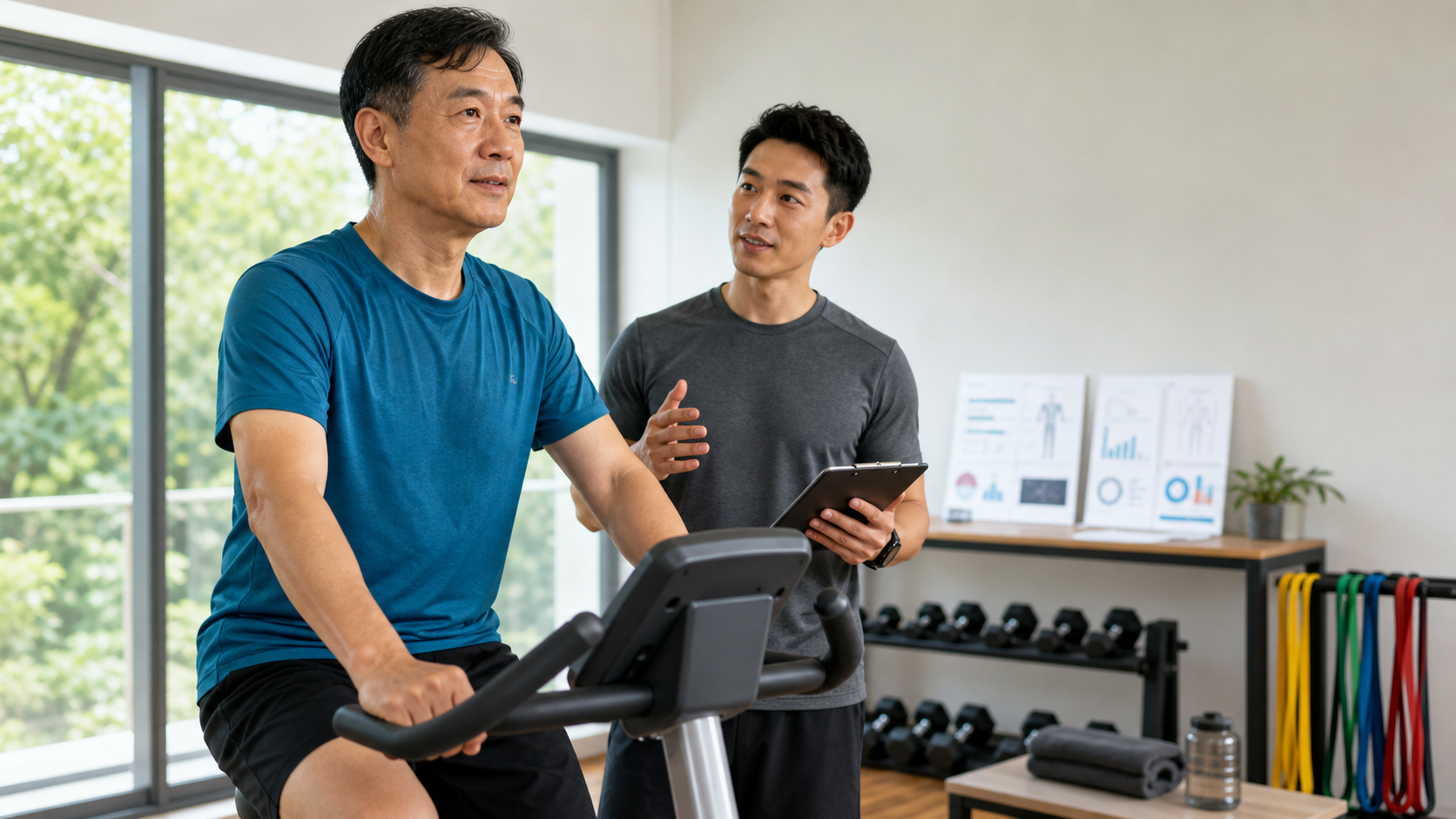
Starting with a Client’s Red Flags on His Health Check
I still remember a 47-year-old client from a few years back—let’s call him A-Hong. When he first came to me, it was because his company health check report was full of red flags: elevated fasting blood sugar, high triglycerides, and blood pressure hovering right at the upper limit. His doctor told him, “If this keeps up, you’ll need medication.” He was terrified and came to me asking, “Coach, should I buy some expensive supplements, or run until I throw up every day?”
I’ve been in the fitness industry for nearly fifteen years, and the most common thing I encounter is this kind of anxiety-driven “desperate remedies” mentality. Every time, I ask them to sit down, take a sip of water, and then I say the same thing: Exercise for chronic disease prevention is not mysticism, nor is it about pushing yourself to the brink to see results—it’s a science with a dosage, mechanisms, and a vast body of human evidence. You don’t need to run until you throw up; you need “the right amount, the right way, and the ability to keep it up.”
In this article, I want to explain, in the same tone I use with my clients, the science behind how exercise prevents cardiovascular disease, type 2 diabetes, and cancer. I’ll give you ranges rather than false precision, include practical, actionable tables, and also touch on Taiwan’s eating-out culture, climate, and healthcare environment. After reading this, I hope you’ll no longer feel lost about “how much exercise you need.”
Let me start with the most important point: Among all known interventions that extend healthy lifespan and reduce chronic disease risk, regular physical activity is arguably the one with the highest return on investment and the fewest side effects. It’s cheap, readily available, and its effects are “systemic”—the same workout protects your heart, blood vessels, and insulin sensitivity, and even lowers the risk of several cancers.
Foundational Concepts: What “Effective Dosage” of Exercise Means
Many people think the benefits of exercise follow a straight line: “something is better than nothing, and more is always better.” But the evidence tells us it’s more like a “steep-then-flat” curve.
According to the World Health Organization (WHO) 2020 guidelines on physical activity, adults should accumulate 150 to 300 minutes of moderate-intensity aerobic activity per week, or 75 to 150 minutes of vigorous-intensity aerobic activity, or an equivalent combination of both; additionally, they should include muscle-strengthening activities involving major muscle groups on two or more days per week. This is currently the most widely adopted baseline globally.
What’s even more critical is the shape of the “dose-response” relationship. A large meta-analysis covering 94 cohorts and over 30 million people found that the steepest risk reduction occurs when going from “completely inactive” to about 8.75 mMET-hours per week (roughly equivalent to the guideline’s recommendation of 150 minutes of moderate-intensity activity per week). At this dosage, the risk of all-cause mortality and cardiovascular disease mortality each drops by about 30 percent. Beyond this amount, benefits continue, but the marginal gains gradually diminish.
This is fantastic news for the average person. I often tell my clients:
“You don’t need to be an athlete. The journey from the couch to meeting the basic recommendation is where you capture most of the health dividend. The most expensive step is going from zero to one, not from one to ten.”
Two Terms You Absolutely Need to Know
- Moderate intensity: You can talk but can’t sing. Brisk walking, easy cycling, sweeping and mopping all count. Your heart rate is roughly in the 64% to 76% range of your maximum heart rate.
- Vigorous intensity: You’re breathing hard and can only speak in short phrases. Running, hill cycling, and interval training fall into this category.
A very practical Taiwan-specific conversion: 30 minutes of cycling on a riverside bike path at a slightly breathless pace is roughly one solid moderate-intensity session. Do that five times a week, and you’ve hit the target.
The Cardiovascular System: How Exercise Protects Your Heart and Blood Vessels
Cardiovascular disease has long ranked near the top of Taiwan’s leading causes of death. And exercise’s protective effect here is the area with the clearest mechanisms and the most solid evidence.
Mechanistically, Exercise Protects the Cardiovascular System in at Least Six Ways
- Lowers resting heart rate and improves cardiac efficiency: Regular aerobic exercise makes the heart pump more blood per beat (increasing stroke volume), and your resting heart rate drops. For the same workload, your heart beats less and works more efficiently.
- Improves endothelial function: During exercise, blood flow increases, creating “shear stress” on the vessel walls, which stimulates the release of nitric oxide, making blood vessels more relaxed and elastic.
- Lowers blood pressure: Regular exercise can often produce a single-digit mmHg reduction in systolic blood pressure for those with hypertension—it may sound small, but at the population level, it significantly reduces the risk of stroke and heart disease.
- Improves blood lipids: Raises HDL (the “good” cholesterol) and lowers triglycerides.
- Reduces chronic inflammation: Regular exercise can lower inflammatory markers associated with atherosclerosis.
- Improves autonomic nervous system balance: Enhances parasympathetic tone, reducing the risk of fatal arrhythmias.
These aren’t independent effects; they’re all delivered in one package by the same exercise. That’s why I often say exercise is “one medicine for many diseases.” You don’t need to buy separate supplements for your heart, blood pressure, and lipids—one regular routine of aerobic plus strength training works on all these markers simultaneously.
Here, I want to add another crucial concept: cardiorespiratory fitness (aerobic capacity) itself is a powerful health indicator. A large body of research consistently shows that the fitter you are, the lower your risk of all-cause and cardiovascular mortality, and this association is often as strong as traditional risk factors like blood pressure and lipids. In other words, “whether you can climb a few flights of stairs without getting winded, or sustain a brisk walk,” reflects your body’s overall resilience to a certain degree. The good news is that cardiorespiratory fitness can be trained—it’s the most direct product of regular aerobic exercise. I often encourage my clients: instead of just anxiously staring at the number on the scale, make “this year I’m fitter than last year” your goal—that’s more fundamental and more worth pursuing.
The Taiwan Context: Why “Prolonged Sitting” Is a Silent Killer
Many office workers in Taiwan are “very dedicated when exercising, but glued to their chairs the rest of the time.” But research increasingly emphasizes: prolonged sitting is an independent risk factor. Even if you exercise for an hour a day, spending the other 15 hours stuck to a chair is still not ideal.
The first homework I gave A-Hong wasn’t to go running. It was: every 45 to 60 minutes of sitting, get up and move for 3 to 5 minutes. Set a phone reminder, refill your water, walk over to talk to a colleague instead of messaging them. These small “sitting breakers” help your blood sugar and blood vessels more than most people realize.
Type 2 Diabetes: Your Muscles Are Your Body’s Largest Blood Sugar Processing Plant
If cardiovascular health relies on aerobic exercise, then the key to diabetes prevention largely depends on muscle.
Here’s a core fact I want you to remember for life: Skeletal muscle is responsible for approximately 80% of insulin-mediated glucose uptake in the human body. In other words, your muscles are your body’s largest “blood sugar warehouse” and “blood sugar processing plant.” The more muscle you have, the healthier it is, and the more it’s used, the better your ability to handle blood sugar.
Two Pathways by Which Exercise Improves Blood Sugar
Pathway One: The Immediate Effect (Acute). When muscles contract, there’s a pathway that doesn’t require insulin to move glucose into muscle cells (via GLUT-4 transporter proteins translocating to the cell membrane). This is why a 15-minute walk after a meal can significantly blunt the post-meal blood sugar spike—this is a trick I recommend to almost every client with elevated blood sugar.
Pathway Two: The Long-Term Effect (Chronic). Regular resistance training increases muscle mass and GLUT-4 expression, comprehensively improving insulin sensitivity. Studies show that structured resistance training, compared to a non-exercising control group, can lower HbA1c by approximately 0.5% to 0.6%; resistance training has also been observed to produce substantial improvements in insulin sensitivity. To put that in perspective, a reduction of this magnitude in HbA1c is on par with the effect of some oral medications.
Aerobic vs. Resistance: Which Should You Train for Diabetes Prevention?
My answer is always: Both, but don’t neglect strength training. Many middle-aged people are willing to walk but refuse to touch weights, which is a real shame. Here’s a comparison table I often show my clients:
| Aspect | Aerobic Exercise | Resistance Training | Combined |
|---|---|---|---|
| Acute blood sugar lowering | Good (especially post-meal) | Moderate | Best |
| Improving insulin sensitivity | Good | Good (with added muscle gain) | Best |
| Increasing muscle mass / basal metabolic rate | Weak | Strong | Strong |
| Improving cardiorespiratory endurance | Strong | Weak | Strong |
| Protecting joints, preventing falls | Moderate | Strong | Strong |
| HbA1c improvement | Good | Good (superior in some studies) | Best |
The conclusion is simple: if you want to prevent diabetes, don’t just be a “walker”—you must add strength training. Squats, deadlifts, push-ups, resistance bands, kettlebells—you can do these at home; you don’t necessarily need a gym.
The Blood Sugar Reality for Taiwan’s Eating-Out Population
Eating out in Taiwan is convenient and delicious, but the density of refined carbohydrates (white rice, noodles, bubble tea) is extremely high. Here are three practical tips I give my eating-out clients that don’t require giving up your favorite foods:
- Adjust your eating order: Eat vegetables and protein first, and save the rice and noodles for last. This can significantly flatten your blood sugar curve.
- Move after meals: Don’t sit right back down after finishing your lunchbox; walk for 10 to 15 minutes.
- Downgrade your bubble tea: Switch from full sugar to half sugar, and from large to medium. The benefit of this one step is bigger than you think.
Cancer: Exercise Can Lower the Risk of Multiple Cancers
This is the area where evidence has accumulated fastest and is most exciting in recent years. People used to think, “What does exercise have to do with cancer?” But large meta-analyses have now made it quite clear: sufficient physical activity is associated with a lower incidence of cancers at multiple sites, including commonly mentioned ones like colorectal cancer and breast cancer.
Possible Mechanisms of Exercise’s Anti-Cancer Effects (Principles, Not Exaggeration)
Please note: exercise is not a treatment for cancer, nor does it guarantee you won’t get it. It reduces “risk”—it’s a matter of tilting the odds. Here are several mechanistic pathways that the research community generally considers plausible:
- Modulating hormones: Lowering excessive insulin and exposure to certain sex hormones, which are linked to some cancers.
- Controlling body fat and chronic inflammation: Obesity and chronic inflammation are themselves risk factors for many cancers, and exercise improves both.
- Improving immune surveillance: Regular exercise is thought to support the circulation and activity of immune cells.
- Improving gut transit time: This may be beneficial for colorectal-related risk.
I want to emphasize the precision of my language here: these are population-level associations and plausible mechanisms, not a guarantee that “if you exercise, you won’t get cancer.” Any physical abnormalities, family history, or screening concerns must be addressed through the medical system.
Exercise Also Has a Role for Cancer Survivors
More and more clinical practice is incorporating exercise as a supportive strategy “during treatment and recovery” for cancer, to combat treatment-related fatigue, muscle loss, and declining physical function. However, this area highly requires individualization and must be assessed and designed jointly by the oncologist and professionals with relevant experience. Do not simply copy a healthy person’s workout plan.
An Often-Overlooked Point: Exercise Cannot Replace Screening
I want to say this very seriously: No matter how diligently you exercise, it cannot replace the cancer screenings you should be getting. Taiwan has a fairly comprehensive system of publicly funded screenings (such as fecal occult blood tests for colorectal cancer, mammography, Pap smears, and oral mucosal examinations). If you’re eligible, get them done regularly. Exercise is the “upstream” effort to reduce risk; screening is the “goalkeeper” for early detection. They play different roles, and both are indispensable. I’ve seen people who thought, “I exercise so much, I must be fine,” and neglected screening—that’s a dangerous misconception.
The Underrated Dividend: Sleep, Mood, and Overall Health
The main focus of this article is the three major chronic diseases, but I must add one more piece because it reinforces all the previous benefits—namely, exercise’s contribution to sleep and mental health.
Regular exercise helps improve sleep quality, shorten the time it takes to fall asleep, and has been widely observed to reduce anxiety and depressive symptoms while boosting self-efficacy. And sleep and mood, in turn, profoundly affect your blood sugar, blood pressure, and food choices—people who sleep poorly are more prone to cravings and have a harder time controlling blood sugar and weight.
So this is a positive feedback loop: exercise helps you sleep better and feel better; good sleep and mood make it easier to maintain exercise and healthy eating; and your overall metabolic and cardiovascular health improves along with it. This is why I often say the dividends of exercise are never about a single metric, but about an “overall upgrade in quality of life.” A-Hong later told me, “I sleep better and have more energy”—that’s this loop in action.
Practical Methods: Turning Science into Your Weekly Schedule
After all that mechanism talk, here’s something you can take home and use directly. Below are reference frameworks I’ve designed for people at different starting points, based on the WHO recommendations. These are general templates, not personal prescriptions. If you have a chronic condition or are on medication, please check with your doctor first.
Table 1: A Weekly Exercise Framework for Three Levels
| Level | Aerobic (per week) | Strength (per week) | Breaking Up Sitting | Weekly Overall Goal |
|---|---|---|---|---|
| Beginner / Sedentary | Brisk walk or easy cycling 5 × 20–30 min | Bodyweight / resistance band 2 × 20 min | Get up for 3 min every 60 min of sitting | First aim for “moving and staying consistent” |
| General health promotion | Moderate intensity 5 × 30 min (reaching 150 min) | Full-body strength training 2–3 × 30–40 min | Get up for 5 min every 45 min of sitting | Steadily meet the WHO baseline |
| Advanced / Want further risk reduction | Mix of moderate and vigorous, including 1 interval session, total 250–300 min | Progressive overload strength training 3 × | Incorporate standing desk intermittently | Push toward the higher end of the dose-response curve |
Table 2: Intensity and Calorie Reference for Common Activities (60 kg Adult, 30-Minute Estimate)
The numbers below are meant to give you a range concept; they vary by person (weight, efficiency, incline), so don’t treat them as exact promises.
| Activity | Intensity Classification | Approximate Expenditure (kcal / 30 min) |
|---|---|---|
| Leisurely walking | Low | 90–120 |
| Brisk walking | Moderate | 130–180 |
| Easy cycling on riverside bike path | Moderate | 150–210 |
| Jogging | Moderate-to-vigorous | 240–320 |
| Hill cycling / intervals | Vigorous | 300–420 |
| Full-body weight training | Moderate (with afterburn effect) | 130–220 |
A Very Useful Beginner’s Formula
If you have no idea where to start, just remember this mantra: “Move 30, train 2, break up sitting”—move for 30 minutes each session, do two days of strength training per week, and break up sitting once every hour. Simply doing these three things consistently already puts you on the steepest part of the health dividend curve.
Common Mistakes and Corrections
In all my years of coaching, I’ve seen too many cases where good intentions turned into harm. Here are the most common mistakes, along with my suggested corrections.
Mistake One: The Weekend Warrior—One Big Burst
Many office workers don’t exercise all week, then ride 100 kilometers or run a half marathon in one go on the weekend. Research shows that “weekend warrior” activity still has benefits if the total volume is sufficient, but the risk of injury and acute cardiovascular events increases due to the lack of a regular training base.
Correction: At minimum, give your body 2 to 3 regular stimuli per week, and add more on the weekend. Don’t let your body go “from zero to full load” in one jump.
Mistake Two: Only Doing Aerobic, No Strength Training at All
As mentioned earlier, muscle is your blood sugar factory and your moat against falls. After age 30, muscle mass declines year after year; if you don’t actively train it, it just keeps going down.
Correction: At least two sessions of major muscle group training per week. This is especially important for older adults—strength and balance training can dramatically reduce the risk of falls and fractures.
Mistake Three: Blindly Chasing High Intensity, Ignoring Recovery
Some people hear “high intensity gets better results” and push themselves to the limit every day. The result: poor sleep, joint pain, and a weakened immune system—and they end up quitting altogether.
Correction: Schedule recovery days between high-intensity sessions. Moderate intensity you can sustain for three years far outweighs high intensity you give up after three weeks. Sustainability is king.
Mistake Four: Having a Chronic Condition but Self-Adjusting Dosage or Stopping Medication
This is what worries me the most. Some clients, once their blood sugar or blood pressure improves, take it upon themselves to stop their medication, or they copy someone else’s workout plan.
Correction: Exercise is a partner to medical care, not a substitute. Any medication adjustments must be decided by your doctor. The improvements from exercise are actually great material to discuss with your doctor at your next visit.
Table 3: Quick Reference for Common Mistakes
| Mistake | Potential Risk | Correction Direction |
|---|---|---|
| One big burst on the weekend | Injury, acute cardiovascular events | Maintain a regular base during the week |
| Only aerobic exercise | Muscle loss, declining blood sugar handling | Two strength sessions per week |
| High intensity every day | Overtraining, quitting | Schedule recovery days |
| Stopping medication / adding volume on your own | Condition spiraling out of control | Discuss everything with your doctor |
| Only exercising, sitting the rest of the time | Metabolic deterioration | Break up sitting every hour |
Actionable Advice for Readers at Different Levels
If You’re Someone Who Does Zero Exercise Right Now
Don’t try to do it all at once. Your only task is to build the habit and lower the barrier to starting.
- Week one: Just walk briskly for 10 minutes a day. The key is “doing it every day.”
- Weeks two to four: Gradually increase to 20 to 30 minutes per session.
- After one month: Add two sessions of bodyweight strength per week (squats, push-ups, planks).
- Mindset: First aim for “just doing it,” then aim for “doing it well.” The person you need to beat isn’t anyone else—it’s the version of yourself sitting on the couch.
If You Already Exercise Regularly
Check whether your “puzzle” is complete: are there gaps in the three pieces—aerobic, strength, and flexibility/balance? Many endurance enthusiasts lack strength, and many weightlifters lack cardiorespiratory fitness. Fill in your weakest piece; that’s where the marginal benefit is greatest.
If You Have a Chronic Condition or Are on Medication
Please read this section slowly. Exercise may benefit you even more than the average person, but it also requires more caution and individualization.
- Get a medical evaluation before starting: Especially if you have a history of heart disease, poorly controlled hypertension, or diabetes complications. Taiwan’s National Health Insurance makes it easy to see a doctor, and the barrier to getting an assessment before an exercise prescription is low—it’s worth doing.
- Diabetics: watch for hypoglycemia: If you use insulin or certain blood sugar-lowering medications, exercise can cause low blood sugar. Carry a source of sugar with you, learn to recognize the symptoms, and discuss medication timing and meals with your doctor.
- Start at a low intensity, at a level where you can hold a conversation: Use “can still talk” as your upper intensity limit and progress gradually.
- Track and report: Write down your blood pressure, blood sugar, and how you feel, and show it to your doctor at your next visit. Make exercise part of your treatment.
Practical Reminders for Taiwan’s Healthcare and Resources
Taiwan has excellent healthcare accessibility—use it. If your health check shows red flags, don’t just worry; bring it to a family medicine or endocrinology/metabolism specialist. If you have rehabilitation or sports injury needs, physical therapists are a highly professional resource. Treat your doctor, physical therapist, nutritionist, and coach as one team.
Special Topic: Hypertension—Exercise’s Role as a First-Line “Behavioral Prescription”
Hypertension is extremely common in Taiwan; many people start dealing with it after age 40. I want to spend some extra space here because exercise’s role in hypertension is often underestimated.
Blood pressure, in simplified terms, depends on “how much blood the heart pumps” and “how tight the blood vessels are.” Regular aerobic exercise improves both ends: it makes the heart more efficient and the blood vessels more relaxed. Clinically, regular exercise can often produce a single-digit mmHg reduction in systolic blood pressure for those with hypertension. You might think, “What difference does a few mmHg make?” But at the population level, every small drop in systolic pressure translates to a meaningful reduction in the risk of stroke and heart disease.
I once worked with a woman in her fifties who had just been diagnosed with prehypertension. She was very resistant to medication. I told her, “You should still listen to your doctor about medication, but you can give exercise a chance first—let it be your first-line helper.” Our plan was very down-to-earth:
- Brisk walking for 30 minutes every morning or evening, at a pace where “talking makes you slightly breathless.”
- Two sessions of full-body bodyweight strength per week, with one special reminder: don’t hold your breath when lifting weights. Holding your breath (the Valsalva maneuver) can spike blood pressure instantly, and people with hypertension should especially avoid it. Instead, “exhale on the effort.”
- Reduce sodium: Sodium levels in Taiwan’s restaurant and processed foods are often off the charts. Combining this with exercise makes the effect even more pronounced.
Three Safety Reminders for Exercising with Hypertension
- Avoid holding your breath during exertion: Use low-to-moderate loads, higher repetitions, and regular breathing in strength training.
- Be cautious on cold mornings: Low temperatures constrict blood vessels and raise blood pressure. Before outdoor exercise on winter mornings, warm up thoroughly and dress warmly.
- Hold off if blood pressure is poorly controlled: If your blood pressure is still very high and uncontrolled, go back to your doctor first to get it down, then talk about progressing exercise intensity.
The “Afterburn Effect” and Metabolic Health
Many people only count “how many calories I burned during exercise” and overlook the fact that your body continues to burn extra energy for a period afterward. This is the so-called “afterburn effect” (excess post-exercise oxygen consumption, EPOC).
The afterburn effect is typically more pronounced after high-intensity and resistance training than after low-intensity aerobic exercise—which is another reason I keep emphasizing the value of strength training. The muscle you build isn’t just useful during your workout; it’s a metabolic engine that runs 24/7: the more muscle mass you have, the higher your basal metabolic rate, meaning you burn a bit more energy and process a bit more blood sugar even while sitting still.
But I want to be honest: the actual caloric contribution of the afterburn effect is often exaggerated by commercial marketing. It’s a “bonus,” not “magic.” What truly determines your weight and metabolic health is your long-term total activity and diet, not how amazing one workout’s afterburn is. Don’t get the priorities backwards.
Taiwan’s Climate and Exercise Timing: Turning Your Local Environment into an Advantage
Taiwan’s humidity, afternoon thunderstorms, and fluctuating air quality are realities we can’t avoid when planning exercise. Instead of complaining, let’s turn them into strategy.
Table 4: Seasonal Exercise Timing and Venue Suggestions for Taiwan
| Season / Situation | Main Challenge | Recommended Time | Venue & Countermeasures |
|---|---|---|---|
| Hot, humid summer | Heatstroke, dehydration | Early morning, after dusk | Riverside, park shade; hydrate and replace electrolytes; avoid midday |
| Afternoon thunderstorms | Safety, interrupted sessions | Morning | Have an indoor backup plan (gym, bodyweight at home) |
| Cold, damp winter | Blood pressure rises, insufficient warm-up | Warmer morning hours | Warm up thoroughly, dress warmly, pay attention to cardiovascular risk groups |
| Poor air quality (high AQI) | Respiratory irritation | Adjust based on real-time AQI | Move indoors; especially important for those with asthma or cardiopulmonary history |
I often tell my clients: “Weather isn’t an excuse not to exercise; it’s a signal to switch plans.” If it’s pouring rain, do squats, push-ups, or jump rope at home; if the air quality is hazardous, head indoors. True consistency is “consistency with a Plan B.”
Practical Principles for Hydration and Electrolytes
Taiwan’s summers make you sweat heavily. During prolonged exercise (over roughly an hour) or heavy sweating, plain water alone may not be enough; moderate electrolyte replacement can help prevent cramps and hyponatremia. But for a typical 30-minute moderate-intensity session, plain water is usually sufficient. Don’t be led around by the marketing that says “you must drink sports drinks when you exercise”—the sugar in those drinks might actually undermine your efforts to control blood sugar.
Frequently Asked Questions (FAQ)
Over the years, there are some questions almost every client asks. I’ve compiled them into an FAQ so you can see it all at once.
Q1: I walk 10,000 steps a day. Is that enough?
Walking 10,000 steps is a great habit, but it depends on “how” you walk. If you’re just strolling slowly, stopping to scroll your phone every few minutes, the intensity may be insufficient. Try making one portion of it a “slightly breathless brisk walk” so it truly enters moderate intensity. Also, don’t forget strength training—walking alone can’t cover that piece.
Q2: I’m very busy. Can I make it all up on the weekend?
As long as your total weekly volume is sufficient, weekend warrior activity still has benefits. But if you’re completely inactive during the week and then go all out on the weekend, the risk of injury and acute cardiovascular events rises. Ideally, have at least 2 to 3 regular stimuli during the week as a foundation.
Q3: I’m older now. Is it too late to start weight training? Will I get hurt?
It’s never too late to start strength training at any age, and the benefits for older adults are often even greater. Through appropriate progressive resistance training, older adults can improve strength, balance, and daily function, and reduce the risk of falls and fractures. The key is to start with low loads and proper form, ideally with professional guidance at the beginning.
Q4: Is exercise only useful if I hit 150 minutes? If I don’t reach it, is it all for nothing?
Absolutely not. As mentioned earlier, the dose-response curve is steepest at the low end. Going from zero to a little bit already yields substantial health returns. 150 minutes is an ideal target, not a passing grade. Whatever you do, you collect whatever dividend it earns.
Q5: Can exercise replace my blood pressure or blood sugar medication?
No. Exercise is a partner, not a substitute. Exercise can improve your markers and sometimes give your doctor room to adjust medication, but any decision to stop or reduce medication must be evaluated by your attending physician. Never do it on your own.
Q6: Is it better to exercise on an empty stomach or after a meal?
There’s no standard answer; it depends on your goals and physical condition. For those with elevated blood sugar, walking after a meal is very effective at lowering post-meal blood sugar; for those on blood sugar-lowering medication or insulin, exercising on an empty stomach requires caution about hypoglycemia. Finding a time slot you can stick with long-term and that’s safe matters more than agonizing over the theory. After all, no matter how perfect the theory, if you can’t do it, it equals zero; a second-best plan you can sustain always beats a best plan you can’t.
Q7: My knees aren’t great. Does that mean I can’t exercise?
Quite the opposite—appropriate exercise (especially strength training to strengthen the thigh muscles) often protects the joints and reduces the load on them. The key is choosing the right activities: low-impact options like cycling, swimming, and water exercise are knee-friendly. If you have a specific joint issue, have a physical therapist or orthopedist assess you first and tailor a plan. Don’t avoid all movement because you’re afraid of pain—not moving will only make your muscles weaker and your joints less protected.
Back to A-Hong’s Story
Let’s return to A-Hong from the beginning. He didn’t buy any expensive supplements, and he didn’t run until he threw up. What he did was exactly the “boring but effective” things this article talks about: 30 minutes of cycling or brisk walking along the riverside every day, two sessions of bodyweight strength at home per week, walking after meals, switching from full-sugar drinks to half-sugar, and getting up to move every hour of sitting.
About six months later, at his follow-up visit, his fasting blood sugar, triglycerides, and blood pressure had all moved in the right direction, and his doctor didn’t need to put him on medication for now. But what impressed me most wasn’t those numbers—it was what he told me: “Coach, I don’t get winded climbing stairs anymore, I sleep better, and I have energy overall.”
That’s the most fascinating thing about exercise—you do it to prevent chronic disease, but what you receive first is the dividend of “living with better quality.” It’s not a chore; it’s a health deposit that compounds.
Conclusion: Treat Exercise Like Daily Compound Interest
Exercise for chronic disease prevention has never been about the heroism of “one big push.” It’s a compounding game of “a little every day, building into momentum.” You don’t need to be perfect; you just need to be consistent. Going from zero to meeting the basic recommendation captures most of the health dividend. And strength training is a critical piece of the puzzle that many people overlook.
Remember the mantra: Move 30, train 2, break up sitting. And remember the mindset: sustainable beats perfect. Start with the smallest step today—stand up, take a walk, do ten squats. Anything.
This article is for educational purposes and does not replace individual diagnosis and treatment advice from a physician, physical therapist, or nutritionist. If you have cardiovascular disease, diabetes, hypertension, or other chronic conditions, or are on medication, please discuss with your attending physician and undergo an individualized assessment before starting or adjusting an exercise program.
References
- World Health Organization 2020 guidelines on physical activity and sedentary behaviour (PMC): https://pmc.ncbi.nlm.nih.gov/articles/PMC7719906/
- Non-occupational physical activity and risk of cardiovascular disease, cancer and mortality outcomes: a dose–response meta-analysis of large prospective studies (PMC): https://www.ncbi.nlm.nih.gov/pmc/articles/PMC10423495/
- The importance of exercise for glycemic control in type 2 diabetes (PMC): https://pmc.ncbi.nlm.nih.gov/articles/PMC11256236/
- Resistance Exercise Intensity is Correlated with Attenuation of HbA1c and Insulin in Patients with Type 2 Diabetes: A Systematic Review and Meta-Analysis (PMC): https://pmc.ncbi.nlm.nih.gov/articles/PMC6339182/
Related Reading
- The Full Picture of Exercise’s Health Benefits: From Cardiovascular to Brain—Understanding How Exercise Rewrites Your Entire Body Systems
- The Science of Exercise and Longevity: Evidence for Extending Lifespan, Optimal Dosage, and a Lifestyle You Can Maintain for Life
- Exercise and Blood Sugar Control: The Exercise Medicine for Diabetes—A Coach’s Guide to Using “Movement” as a Prescription
- Exercising with Chronic Disease: A Complete Guide to Safety, Quality of Life, and Lifestyle While Living with Illness
靠單車減肥35公斤 心得分享與整理
7 年前
CT暗黑廚房) 車友必備 宇宙無敵鮮蚵湯 幫助訓練恢復 天然食補 好市多 超肥鮮蚵 破PR
7 年前
西進武嶺 免費訓練分析服務 Intervals | 練不夠還是練過頭?你哪一種類型選手?AI模型告訴你! | 備戰神器 | 公路車 訓練 | CT Yeh
4 年前
台北大雁西飛 約騎挑戰 feat. Doris | 公路車 | CT Yeh
3 年前
單車 一日北高 ( 雙城 ) 肥宅雙人瘋狂行 紀錄片 REACTO
10 年前
一日北高常見問題大集合 | 攻略 | 路線 | 訓練 | 補給 | 自行車 單車 | 一日雙城 | 雙塔 | TWB北高360 | 屁股痛
6 年前
一日北高/長距離團騎 常見問題補充篇 / 組團或跟團的眉角 / 壯車友容易被瘦車友慢性拉爆 / 原來屁股痛可能是這個原因...? / 風場配速法 / 公路車 / CT Yeh
2 年前
大家都在開箱的...單車用藍芽對講耳機真的有幫助嗎? SENA BiKom 20 長距離旅遊 & 海鷗繞圈賽 實際體驗心得 / 公路車 / CT Yeh
9 個月前