Caffeine and Athletic Performance: Research on Optimal Timing and Dosage
Among all legal ergogenic aids, caffeine is the most extensively studied and the one with the most reliable effects. From Olympic athletes to weekend riders, more and more people are using caffeine strategically to boost training and race performance. This article dives into caffeine’s mechanisms of action, optimal dosing, and intake strategy.
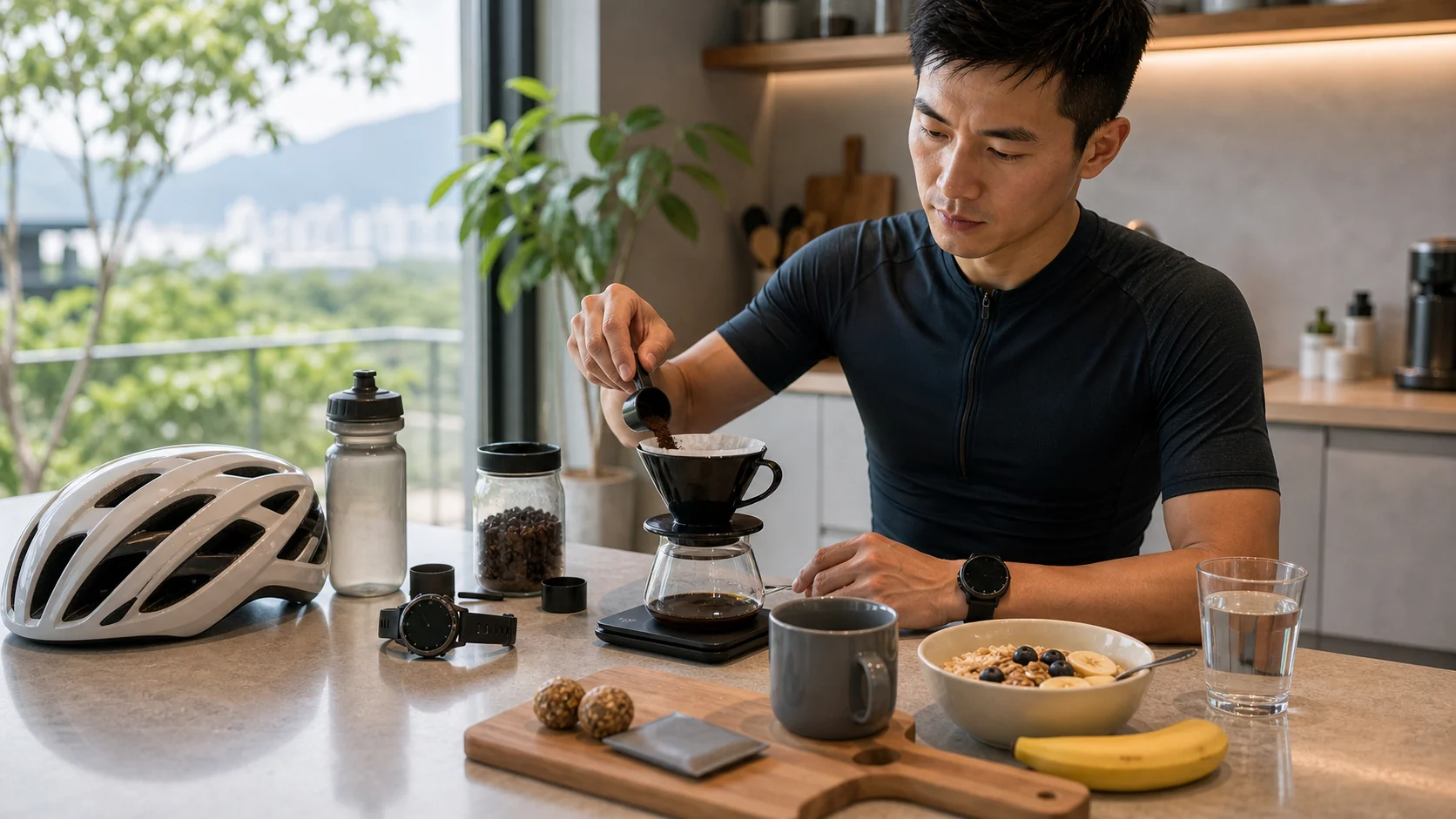
How Does Caffeine Improve Athletic Performance?
Caffeine is a central nervous system stimulant that affects performance mainly through the following mechanisms:
1. Adenosine Receptor Antagonism
Adenosine is a molecule that gradually accumulates during neural activity; when it binds to its receptors, it produces feelings of fatigue and drowsiness. Caffeine’s chemical structure resembles adenosine’s, allowing it to competitively block adenosine receptors, which:
- Delays the perception of fatigue
- Improves alertness and concentration
- Lowers rating of perceived exertion (RPE)
2. Catecholamine Release
Caffeine stimulates the release of adrenaline (epinephrine) and noradrenaline, triggering a “fight or flight” response:
- Increases heart rate and cardiac output
- Promotes fat breakdown, providing more free fatty acids as fuel
- Enhances muscle contraction force
3. Direct Effects on Muscle Function
Research shows caffeine can directly influence calcium ion release in muscle cells, improving the efficiency of muscle contraction.
Exercise Science Research: The Evidence for Caffeine’s Effects
A large body of high-quality research (including multiple systematic reviews and meta-analyses) confirms caffeine’s benefits for endurance exercise:
| Performance Metric | Typical Improvement | Confidence in Evidence |
|---|---|---|
| Aerobic endurance (time trial) | 2–4% | Very high |
| Time to exhaustion (TTE) | 10–15% | High |
| Maximal power output | 2–4% | High |
| Perceived fatigue (RPE) | Reduced 5–10% | Very high |
| Climbing performance | 1–3% | Moderate-high |
| Short sprint power | 3–6% | Moderate |
Conclusion: In elite-level competition where personal bests are closely matched, a 2–4% performance improvement can be the difference between a medal and missing the podium.
Optimal Dosage: More Is Not Better
Recommended Dosage Range
Effective dose: 3–6 mg per kilogram of body weight
| Body Weight | Minimum Effective Dose (3mg/kg) | Optimal Dose (6mg/kg) | Suggested Starting Dose |
|---|---|---|---|
| 60 kg | 180 mg | 360 mg | 180–240 mg |
| 70 kg | 210 mg | 420 mg | 200–300 mg |
| 80 kg | 240 mg | 480 mg | 240–300 mg |
Important: Doses above 6mg/kg do not further improve performance and instead increase the risk of side effects.
Common Caffeine Sources Compared
| Source | Serving Size | Caffeine Content |
|---|---|---|
| Espresso | 30ml (1 shot) | 60–80 mg |
| Drip/American coffee | 240ml | 95–150 mg |
| Instant coffee | 240ml | 65–100 mg |
| Energy drink (Red Bull) | 250ml | 80 mg |
| Caffeine tablet | 1 tablet | 100–200 mg |
| Caffeinated energy gel | 1 packet | 25–75 mg |
| Dark chocolate | 30g | 20–30 mg |
| Green tea | 240ml | 25–50 mg |
Optimal Timing of Intake
Pre-Event Intake
Absorption and peak effect timing after oral caffeine intake:
- Full absorption: 45–60 minutes after ingestion
- Peak plasma concentration: 60–90 minutes
- Half-life: approximately 5–6 hours (with significant individual variation)
Recommendation: Consume caffeine 45–60 minutes before the start of a race or high-intensity training session.
Mid-Ride Supplementation (Endgame Strategy)
For rides longer than 3 hours, a “mid-ride caffeine strategy” is gaining increasing attention:
- Avoid taking the full dose right at the start of the ride — save the effect for the second half
- During the second half of the ride (around the 2/3 mark), supplement with a caffeinated gel (25–75mg)
- A small top-up dose (25–50mg) before the final 30-minute sprint
Caffeine Mouth Rinse
Emerging research has found that swishing a caffeinated beverage in the mouth for 10 seconds and then spitting it out (without swallowing) can also improve short-duration, high-intensity exercise performance, with effects appearing within 10–30 minutes. This is an interesting alternative for riders with sensitive stomachs.
Individual Variation: Your Genes Determine Your Response
There is significant individual variation in caffeine’s effects, largely determined by the CYP1A2 gene:
| Genotype | Metabolism Speed | Population Share | Recommended Strategy |
|---|---|---|---|
| AA (fast metabolizer) | Fast | ~50% | Can use higher doses with stable effects |
| AC (intermediate metabolizer) | Moderate | ~40% | Standard doses work well |
| CC (slow metabolizer) | Slow | ~10% | Low doses are sufficient; high doses may backfire |
Self-testing method: Start with a low dose (3mg/kg), test the effect during training, and gradually adjust to find your personal optimal dose.
Caffeine Tolerance and Cycling Strategy
Consuming large amounts of caffeine daily over the long term builds tolerance, gradually reducing its performance benefits.
Recommended caffeine cycling strategy:
- Daily training: Keep caffeine intake low to moderate (<200mg per day)
- Before key training sessions or races: Reduce or stop caffeine intake for 3–7 days (a “washout” period)
- On race day: Consume the planned dose to maximize effect
Side Effects and Precautions
Excessive caffeine intake or individual sensitivity may cause the following side effects:
- Gastrointestinal discomfort: Most common, especially on an empty stomach (recommend pairing with a small amount of food)
- Rapid heartbeat/palpitations: Usually occurs at high doses
- Increased anxiety: Noticeable in caffeine-sensitive individuals
- Sleep disruption: Due to the long half-life, afternoon intake after a race may affect nighttime sleep
- Diuretic effect: Mild at high doses; not significant at normal training doses
Contraindications: People with hypertension, arrhythmia, or who are pregnant should consult a doctor before use.
Caffeine’s Effect on Sleep
Sleep is the most important part of recovery. Recommendations:
- Avoid large caffeine doses after 2pm (adjust based on your individual metabolism speed)
- Easy training rides in the afternoon don’t require caffeine supplementation
- If an event starts later in the day (e.g., an evening start), assess the impact on sleep in advance
Conclusion
Caffeine is currently the legal performance-enhancing substance with the most well-established effects in exercise science. By understanding your own metabolic characteristics, setting a reasonable dose (3–6mg/kg), precisely timing your intake, and pairing it with an appropriate cycling strategy, you can maximize caffeine’s benefits for key training sessions and races while minimizing side effects.
Related Reading
#公路車 #Fitting 靠人工智慧APP 幫你調整單車
6 年前
靠單車減肥35公斤 心得分享與整理
7 年前
西進武嶺 免費訓練分析服務 Intervals | 練不夠還是練過頭?你哪一種類型選手?AI模型告訴你! | 備戰神器 | 公路車 訓練 | CT Yeh
4 年前
多機位拍片神器 DJI Action 2 拍出速度張力感 | 類空拍機視角 4陣列麥克風超強降風噪 實測! | 公路車 | CT Yeh
3 年前
CT 喇低賽) 單車 比賽總是沒照片? 攝影師的觀點大公開 姿勢就是力量! 請加速1.25倍收看
7 年前
全台首發!邁金P715踏板功率計!市場價格撼動者再出招 / 功率對比實測 / FAVERO ASSIOMA 可參考! / 公路車 / CT Yeh
1 年前
一日北高常見問題大集合 | 攻略 | 路線 | 訓練 | 補給 | 自行車 單車 | 一日雙城 | 雙塔 | TWB北高360 | 屁股痛
6 年前
本週北高前練習,連同天比的226們也來⋯鐵車真的太猛了 #cycling #北高
2 年前