2026 Compression Gear Complete Analysis: Can Compression Tights and Calf Sleeves Really Improve Performance?
/no_think
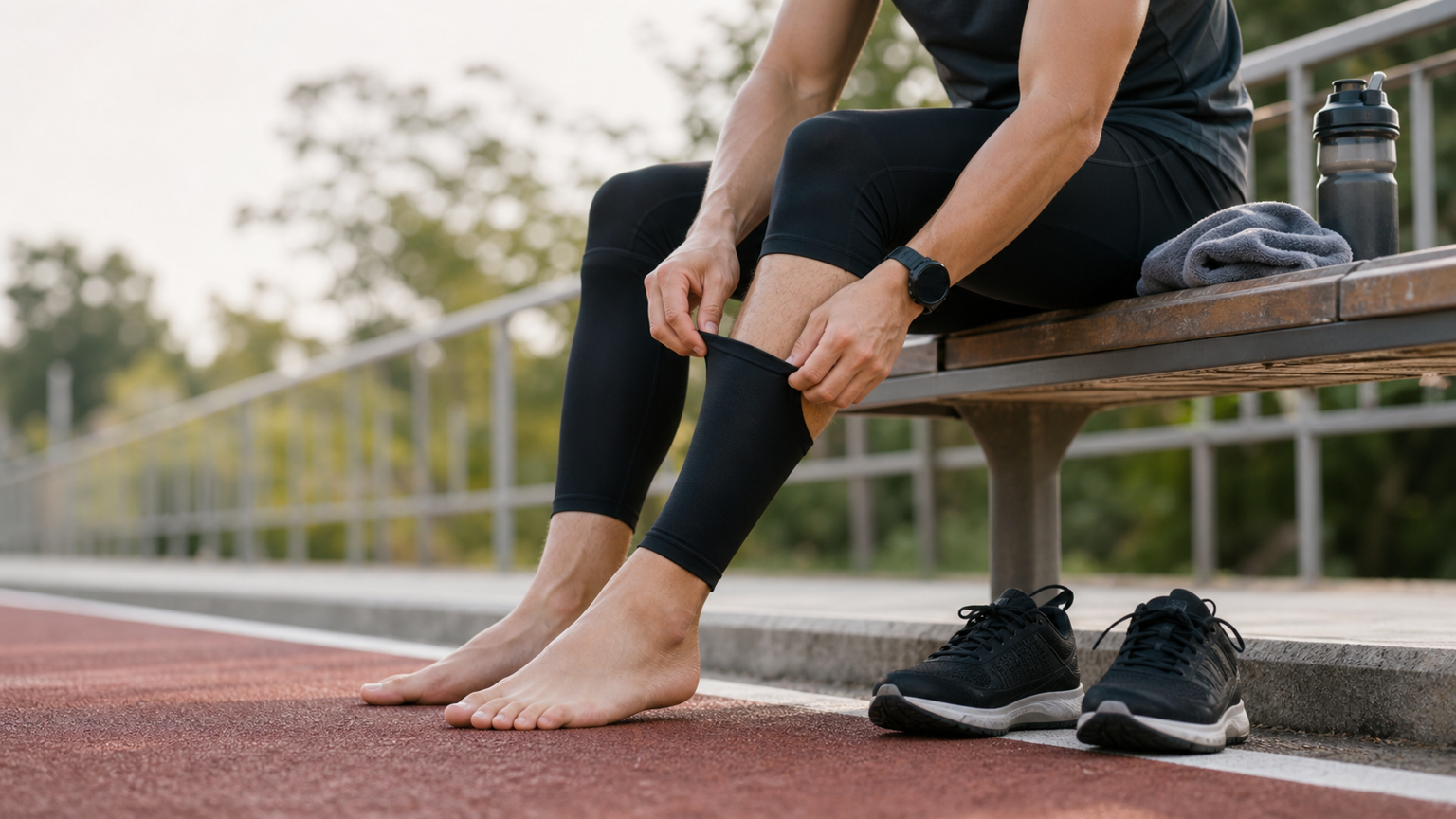
Separating Marketing from Evidence
Compression gear is marketed as “wear it and run faster, jump higher.” The actual sports science conclusion is more sober: the evidence for a direct boost to “athletic performance” is weak; for “recovery and subjective feel,” there are more consistently positive results. Recognize this first, then decide if it’s worth it.
Performance vs. Recovery
| Aspect | Evidence | Conclusion |
|---|---|---|
| Directly improves speed/power output | Weak, inconsistent | Don’t expect to get faster just by wearing it |
| Reduces muscle vibration, delays fatigue | Moderate | Subjectively noticeable over long distances |
| Post-race recovery, reduces delayed-onset muscle soreness | Moderate, more consistent | Most worthwhile for recovery purposes |
| Circulation during prolonged standing/long travel | Moderate | Practical for travel recovery |
Reasonable Uses for Compression
1. Post-Race Recovery Wear
Wearing compression tights/calf sleeves for several hours after exercise—most studies and user feedback indicate it can reduce the subjective level of delayed-onset muscle soreness and speed up subjective recovery.
2. Long-Distance Travel (Including Flying to Races)
Prolonged sitting on long flights easily causes lower-limb swelling. Compression gear promotes venous return, making it especially practical for “athletes flying abroad to compete”—this is the most underrated use.
3. Reducing Muscle Vibration Over Long Distances
In ultramarathons and long rides, calf sleeves may reduce fatigue from muscle oscillation; some people subjectively feel less cramping in the later stages.
Pressure Gradient Is What Matters
Effective medical/sports-grade compression should feature a gradient design where “pressure is strongest at the ankle and gradually decreases upward,” promoting venous return. Regular tight-fitting pants lack this gradient, so their effects cannot be generalized. Before buying, check whether segmental pressure (mmHg) is specified.
Investment Recommendations by Use Case
Spend money on the right scenarios, and compression gear won’t be a waste of money:
| Your Scenario | Recommendation | Reason |
|---|---|---|
| Want to race faster by wearing it | Don’t buy; spend the money on training | Evidence for performance enhancement is weak |
| Frequently fly abroad to race/long commutes | Worth it; buy a gradient-pressure model | Most noticeable improvement in lower-limb circulation from prolonged sitting |
| Post-race recovery, obvious delayed-onset soreness | Worth it; use it as a recovery tool | Evidence for subjective recovery is more consistent |
| Run ultramarathons, calves prone to cramping late | Try calf sleeves | Reduces muscle vibration fatigue |
| Very limited budget | Prioritize sleep and nutrition first | Far greater benefit than compression tights |
When purchasing, be sure to measure calf circumference/leg length against the brand’s size chart—too loose means no pressure, making it just ordinary clothing; too tight and overly constrictive can actually impede blood flow.
Practical Advice
If you want to get faster by wearing it, don’t buy it; if you want to speed up recovery or frequently travel to races, it’s worth it—use it as a recovery tool.
Compression gear is not magic pants. Its most honest value is making your legs less swollen when you’re collapsed on the couch after a race, or crammed into an economy seat on a plane for over a dozen hours—and that alone is already worth it.
Related Reading
- Compression Gear: Evidence Review—Recovery Noticeable, Performance Questionable
- The Effects of Running Compression Tights: Comparing Calf Sleeves, Tight Pants, and Loose Pants
- The Effects of Compression Tights on Running: What the Science Says
- Evidence on the Benefits of Running Compression Tights: What Science Tells You
3D 列印車褲墊 / 舒適改善? / 無痕 x 分區壓縮 / ATK & Decider系列 / JE22黑科技 / #公路車 #CTYEH
11 個月前
大家都在開箱的...單車用藍芽對講耳機真的有幫助嗎? SENA BiKom 20 長距離旅遊 & 海鷗繞圈賽 實際體驗心得 / 公路車 / CT Yeh
9 個月前
#公路車 #Fitting 靠人工智慧APP 幫你調整單車
6 年前
Garmin Edge 1040 重大韌體更新!! / 1050功能全下放!? / 坡度反應變快了嗎?/ 快速對比實測 / 公路車 / CT Yeh
1 年前
功率實測 Lun Hyper 2023 碳幅條輪組 D45 碟煞 | 公路車 | CT Yeh
3 年前
2025 自行車錶排行榜 兩萬車友大數據 / Garmin Bryton 排名會大洗牌嗎? / 全新的碼表前身分析 /公路車 / CT Yeh
1 年前
鉅齒紋輪組!? ControlTech MEG-T50 EVO 碳纖維幅條輪組/ 功率對比實驗 / 公路車 / CT Yeh
2 年前
用了AirTag 單車就不怕被偷?盲點大測試 結果… |公路車|CT Yeh
5 年前