Introduction
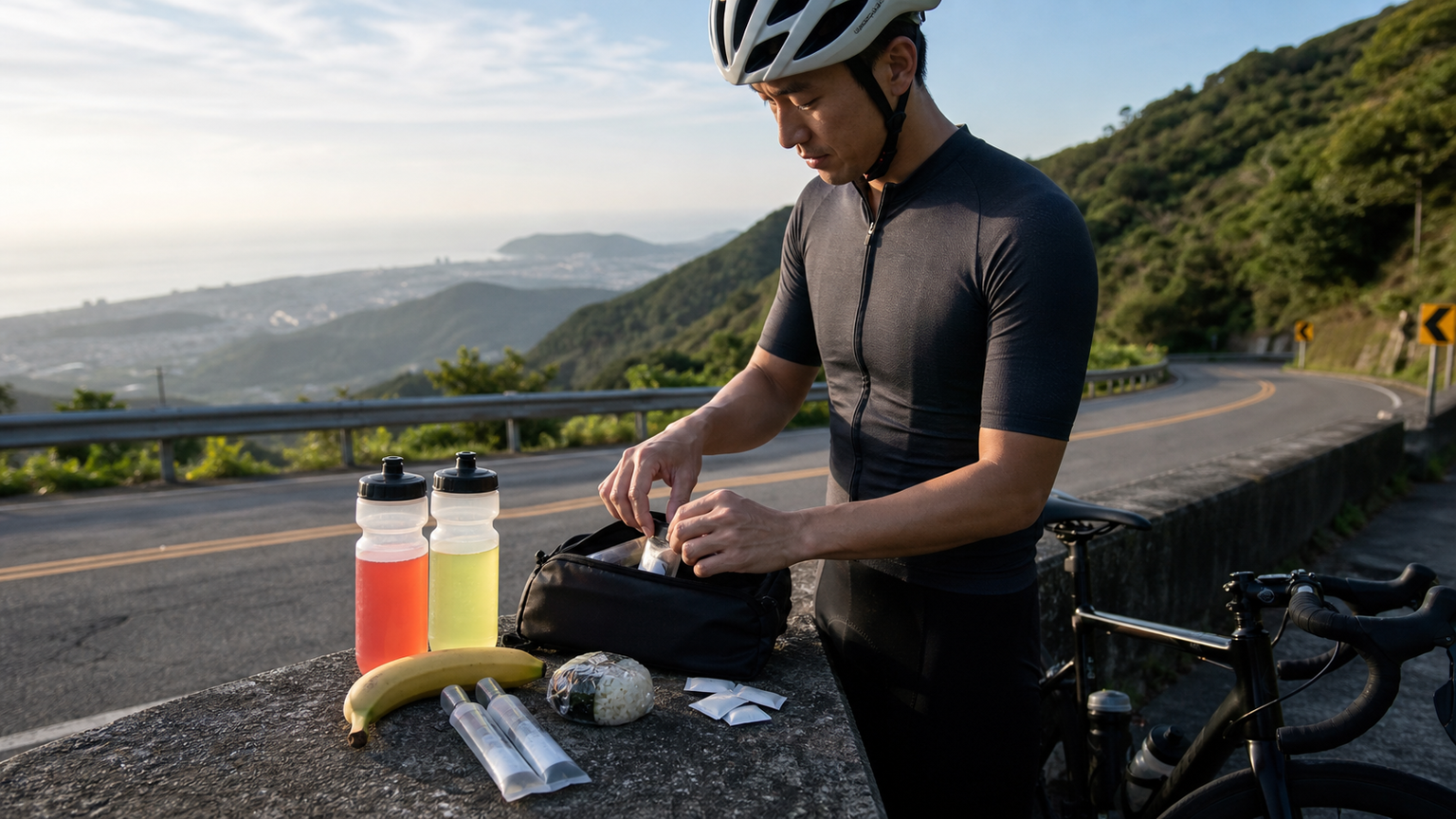
A 4-hour bike ride is nothing new for intermediate to advanced riders—a mountain training ride or a 130–160 km road race easily exceeds this time threshold. Compared to marathon running, cycling causes less gastrointestinal jostling, allowing riders to consume a wider variety of solid foods. However, a 4-hour effort also means that no single food or drink can sustain you for the entire duration. A systematic nutrition plan is the most critical dividing line between finishing strong and bonking.
Estimated Energy Expenditure
| Rider Level | Power Output | 4-Hour Calorie Burn |
|---|---|---|
| Beginner (FTP 150W) | 120–130W | ≈ 1,750–1,900 kcal |
| Intermediate (FTP 220W) | 170–185W | ≈ 2,450–2,650 kcal |
| Advanced (FTP 300W) | 240–260W | ≈ 3,450–3,750 kcal |
Adding in basal metabolic rate, the total expenditure for a 4-hour long ride is 2,000–4,000 kcal, far more than any single feeding can fully replace. The goal is to replenish 50–70% of the calories burned, with the remainder supported by body fat and glycogen stored before the ride.
Full-Ride Nutrition Schedule
Using an intermediate rider at 65 kg on a 4-hour ride as an example, the target is 60–80g of carbohydrates per hour:
2.5–3 hours before departure: Full meal
- 1.5 bowls of rice + 2 eggs + vegetables
- Carbs ≈ 80g, protein ≈ 20g
60 minutes before departure: Light top-up
- 1 banana (25g carbs)
- 300–500 mL water
| Time | Fuel | Carbs (g) | Sodium (mg) |
|---|---|---|---|
| At departure | Fill 2 bottles (500mL sports drink each) | 60 | 500 |
| 30 minutes | 1 energy gel + 150mL drink | 25 | 150 |
| 60 minutes | 1 rice ball + 200mL drink | 50 | 300 |
| 90 minutes | 1 energy gel + 150mL drink | 25 | 150 |
| 120 minutes | 1 banana + 200mL drink + 1 salt tablet | 28 | 500 |
| 150 minutes | 1/2 energy bar + 200mL drink | 30 | 200 |
| 180 minutes | 1 slice of white toast + 200mL drink | 25 | 150 |
| 210 minutes | 1 energy gel (with caffeine) | 25 | 100 |
| 240 minutes (before finish) | Top up sports drink | 30 | 250 |
| Total intake | ≈ 298g | ≈ 2,300mg |
This works out to roughly 75g of carbs per hour, within the recommended 60–90g range.
On-Bike Fuel Storage
Front/Rear bottle cages (2 bottles):
- Bottle 1: Electrolyte sports drink (primary fluid source)
- Bottle 2: Plain water (used with energy gels, or refilled at water stops)
Rear jersey pockets (3 pockets):
- Pocket 1 (right): 3–4 energy gels (for the first half)
- Pocket 2 (left): Solid foods (rice balls, banana, white toast, salt tablets)
- Pocket 3 (center): Spare gel + phone + emergency cash
Convenience store strategy (Taiwan mountain riding):
7-Eleven or FamilyMart along Taiwan’s mountain routes serve as “natural aid stations,” with a stop roughly every 30–50 km:
- Onigiri rice balls (40–50g carbs, savory flavor cuts through sweetness fatigue)
- Cold sports drinks (helps cool down in summer)
- Small packs of salted crackers
Sweet-and-Savory Flavor Rotation
After 2.5–3 hours of riding, most riders start to feel nauseated by sweet fuel. Recommendations:
- First 2 hours: Focus on sweet flavors (energy gels, banana, sports drink)
- Second half: Add savory options (rice balls, saltine crackers, preserved plums, salt tablets)
- Chocolate-flavored energy products also provide psychological satisfaction in the later stages
Hydration Timing
- Before departure: 500 mL water
- During the ride: 200–300 mL every 15–20 minutes
- After finishing: 1.25–1.5 L for every 1 kg of body weight lost
Sweat rates in Taiwan’s summer can reach 1.5–2 L/hr. If you sweat 6–8L over a 4-hour ride, you need to replace 5–7L of fluid (including water from food). The 1L capacity of standard bottles is nowhere near enough—you must refill at convenience stores or water stops.
Practical Tips
- Make your own “nutrition schedule card” and keep it in your top tube bag or set watch reminders to avoid forgetting to eat.
- After each long ride, log what you ate, when, and how you felt in the second half to keep refining your plan.
- Don’t skip salt tablets: sodium loss over a 4-hour ride can reach 3,000–4,000 mg, and sports drinks alone may not be enough.
Conclusion
Whether a 4-hour ride’s nutrition plan succeeds is 80% decided before you roll out—having food ready, calculating your carb targets, and planning feeding timing. The remaining 20% is about making flexible adjustments during the ride. Treat nutrition as part of your training and prepare for it seriously—every long ride is an opportunity to build better fueling habits.
Related Reading
- The 24-Hour Ultra-Cycling Nutrition Plan: Fuel Management for Nonstop Riding
- Nutrition Strategies for Long-Distance Riding: How Many Carbs Per Hour?
- Energy Intake Schedule for Long Rides: Practical Carb-Per-Hour Implementation
- Carbohydrate Strategies for Long-Distance Cycling: Hourly Intake and Digestion