The Full Record of the Super Suit Controversy: The Tech Revolution and Rule Rebuilding in Swimming, 2008–2009
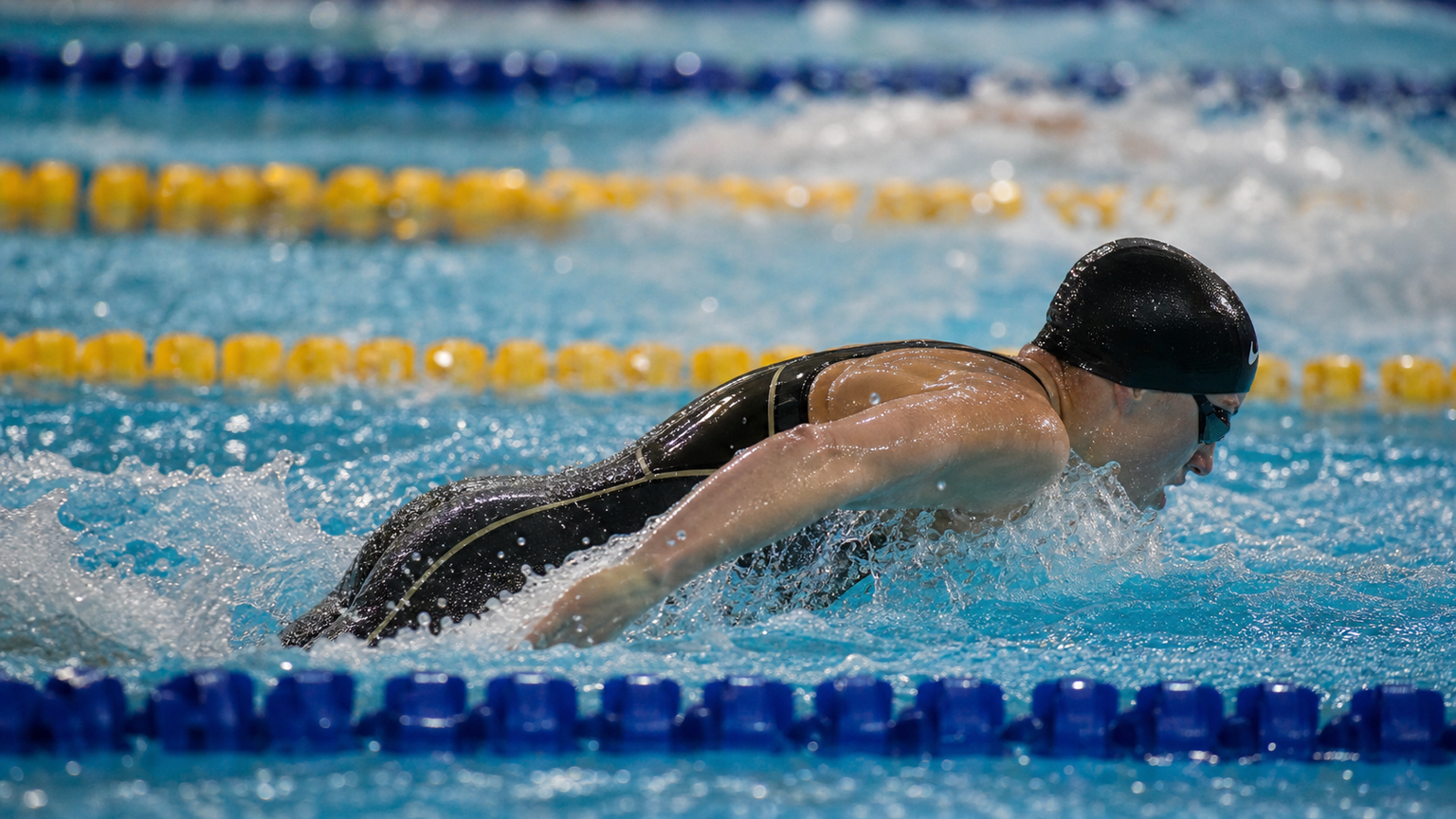
Introduction
In February 2008, Speedo launched the LZR Racer swimsuit, claiming it could reduce water resistance by more than 10%. Within less than 18 months, swimming witnessed the most intense wave of world record-breaking in history—at the 2009 Rome World Championships, 43 world records were broken in a single meet, a feat unmatched to this day. This period became known as the “Super Suit Era,” and remains one of the most controversial chapters in swimming history.
The Technology Behind the Super Suits
The revolutionary nature of super suits (technically referred to as High-tech Swimsuit or Full Body Suit) lay in the integration of multiple technologies:
| Technology Feature | Function | Estimated Record Advantage |
|---|---|---|
| Polyurethane outer layer | Significantly reduces surface friction drag | -1 to -2% |
| Full-body compression design | Stabilizes body shape, reduces form drag | -0.5 to -1% |
| Embedded air pocket structure | Provides buoyancy similar to a wetsuit | -0.5 to -1.5% |
| Ultrasonic seams | Eliminates turbulence from traditional stitching | -0.1 to -0.3% |
Combined benefits were estimated to make swimmers in super suits roughly 1.5–3% faster than those in traditional suits, equivalent to saving 0.7–1.4 seconds in the 100m freestyle. In elite competitive swimming, this was an overwhelming margin.
2008–2009: The World Record Explosion
The following are notable events from this period:
- 2008 Beijing Olympics: 8 swimming world records were broken, with 7 of those swimmers wearing super suits
- 2009 Rome World Championships: A total of 43 world records were broken, with nearly all champions wearing Polyurethane suits
- Swimmers “switching teams” across nations: Sponsor conflicts led some athletes to breach contracts in order to wear super suits, sparking professional ethics controversies
- Phelps’ protest: Phelps, bound by his Speedo sponsorship and unable to wear rival brand Arena, was overtaken by opponents in super suits at certain events, fueling his frustration
FINA’s Regulatory Dilemma
FINA faced a dilemma: if it banned the suits, the industry backlash would be immense, and how would the boundary of “technological assistance” be defined? If it allowed them, competitive fairness would be rendered meaningless. In late 2009, FINA finally issued regulations:
- Men: Suits could not extend beyond the waist to the knees (effective January 2010)
- Women: Suits could not extend beyond the shoulders to the knees
- Materials: Only textile materials were permitted; rubber-based outer layers such as Polyurethane were banned
The Frozen World Records
The most awkward consequence: the 43 world records set at the 2009 Rome World Championships became an insurmountable “wall.” In some events, for example, it took over a decade for new records to appear after the super suit ban.
The most intriguing case is the men’s 100m breaststroke: Adam Peaty did not break 57 seconds in a textile suit until 2019, while the 2009 super suit record stood at 56.88 seconds.
This has long fueled industry debate: “Should today’s world records be called Post-suit Records?”
Impact on Taiwan’s Swimming Community
Taiwanese swimmers were also affected by super suits in 2008–2009. Some athletes wore similar products in domestic competitions and set personal bests, but due to the high cost (a single super suit could retail for 500–800 USD), adoption rates were low. After the suit ban, local associations across Taiwan’s counties and cities also complied with World Aquatics regulations to ensure fair competition.
Practical Advice
- When choosing legal competition swimsuits today, the focus should be on “compression” and “hydrophobicity,” rather than pursuing banned materials
- Taiwanese swimming enthusiasts may consider high-end compliant suits such as Speedo Fastskin or Arena Carbon Ultrasonic
- Before purchasing a race suit, check the approved swimwear list on the World Aquatics official website to ensure compliance with competition rules
- Training suits and competition suits should be used separately to reduce wear and tear on race suits
Conclusion
The super suit affair is a microcosm of the eternal conflict between sports technology and competitive fairness. The core of swimming should be human athleticism and skill, not the technological advantage of equipment. This chapter of history reminds us: when technological intervention crosses a certain threshold, rule-makers must have the courage to step in and protect the essence of the sporting spirit.
Related Reading
- The Fluid Dynamics of Racing Suits: A Scientific Analysis of Performance Before and After the Full-Body Suit Ban
- From LZR to X-Glide: The Materials Science Revolution in High-Tech Swimsuits
- Competitive Considerations in Swimsuit Selection: Analyzing Drag and Pressure Benefits of Tech Suits
- The Technical Evolution of Swimming World Records: The Technology and Training Revolution Behind Record-Breaking in the Last Decade
3D 列印車褲墊 / 舒適改善? / 無痕 x 分區壓縮 / ATK & Decider系列 / JE22黑科技 / #公路車 #CTYEH
11 個月前
iPhone內建一秒變長腿🤣 車友必備#cycling
2 年前
一日北高 11小時 挑戰實錄 原來北高半天就騎完了... 2020 twb360
6 年前
#PUSHBIKE 原來這麼好玩! 小朋友 滑步車 初體驗 超可愛
6 年前
再快都跟的上!? 單車跟隨攝影機之王 HOVERAir X1 PROMAX 全面實測 / 唯一!8K畫質&自行車專用模式和跟蹤信標&前後避障 / DJI Neo 可參考/ 公路車 / CT Yeh
1 年前
DJI Osmo 360 全球首發!單車適合嗎?深度體驗報告/ 大疆第一台全景相機 Insta360 瑟瑟發抖? / 公路車 / CT Yeh
1 年前
單車胎壓觀察到的有趣現象,SRAM Quarq TyreWiz 2.0 無內胎胎壓計 / 裝了有哪些幫助? / Tubeless / 公路車 / CT Yeh
1 年前
下雨天就是要改車 #ceramicspeed #bike
1 年前