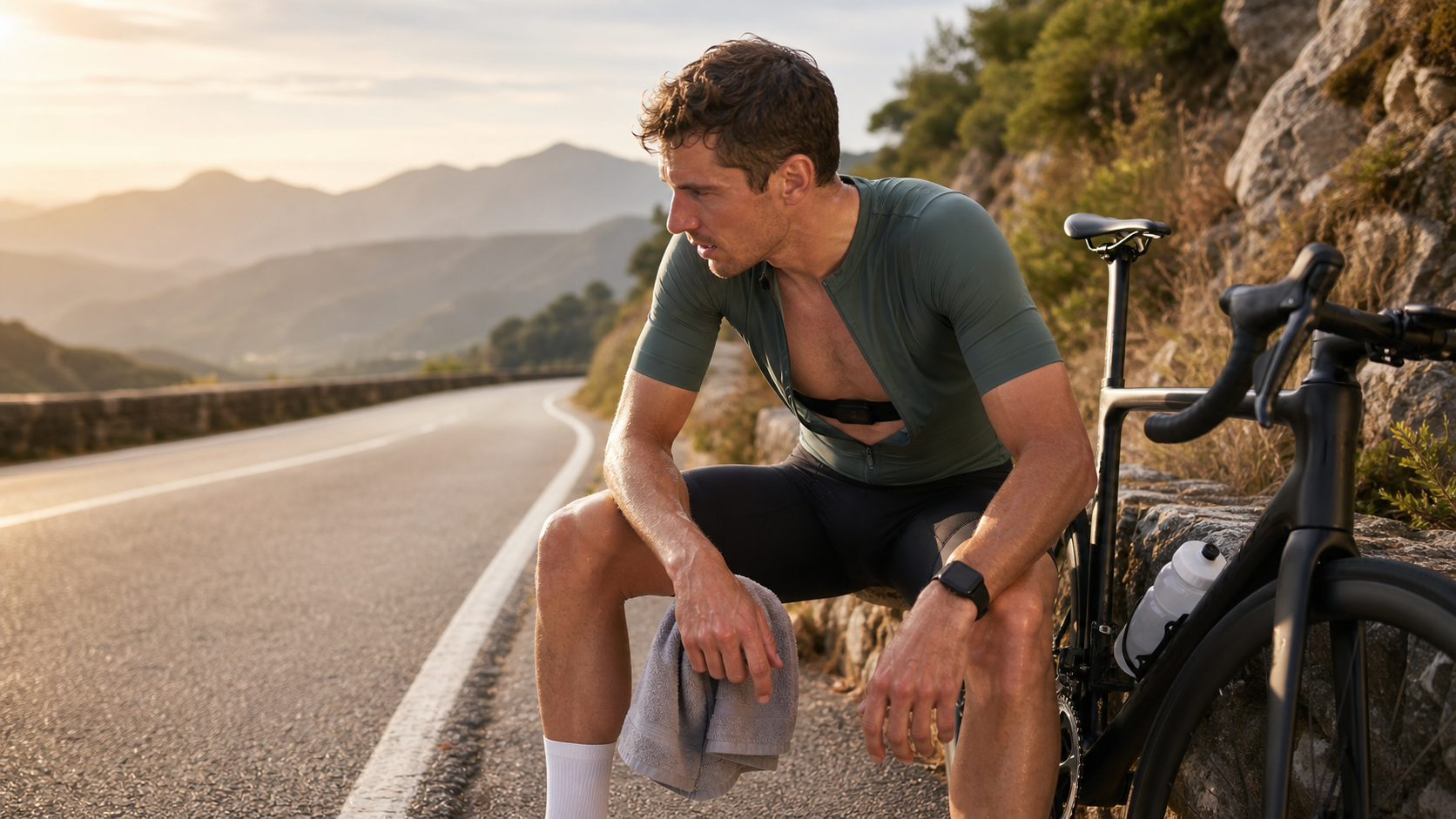
Introduction
Many amateur cyclists are curious about the training volume of professional riders: How many kilometers do they ride per year? How many hours do they train each day? How do they avoid injury during high-intensity training? In reality, modern professional cycling training is not just about “riding more is better”—it is a carefully designed periodized training system that combines scientific monitoring, individualized load management, and comprehensive recovery strategies.
Annual Training Volume of Pro Cyclists
Mileage Overview
Annual training volume varies among professional riders in different specialties:
| Rider Type | Annual Mileage | Annual Training Hours |
|---|---|---|
| Grand Tour GC Riders | 32,000–38,000 km | 900–1,100 hours |
| One-Day Classic Riders | 28,000–33,000 km | 800–950 hours |
| Sprinters | 25,000–30,000 km | 700–850 hours |
| Climbers | 30,000–36,000 km | 850–1,050 hours |
| U23 Riders | 20,000–28,000 km | 600–800 hours |
*Note: The above data comes from professional riders who have publicly shared their training logs and is for reference only.
Comparison with Amateur Riders
- Advanced Amateurs: Typically 8,000–15,000 km per year
- Weekend Riders: 3,000–6,000 km per year
- The Gap: Pro riders cover 2–4 times more than advanced amateurs
Training Periodization
Annual Training Phases
Professional riders divide their training into four major phases:
Base Phase (November–January):
- Low-intensity, high-mileage aerobic base training
- Weekly training hours: 15–25 hours
- Intensity zones: Zone 1–2 (below aerobic threshold)
- Goal: Build the aerobic engine and recover from race-season wear and tear
Build Phase (February–March):
- Gradually introduce high-intensity interval training
- Begin participating in winter training races
- Intensity increases to Zone 3–4 (sweet spot and threshold training)
Race Phase (April–September):
- Races replace training, with tapering in the week before each race
- 7–14 days of recovery after each Grand Tour
- Easy rides and short high-intensity maintenance sessions are interspersed between race blocks
Recovery Phase (October–November):
- 2–4 weeks of complete rest after the season ends
- Transition to cross-training: running, swimming, and gym work
- Allow the body and mind to fully disconnect from cycling
Daily Training Structure
A Typical Training Week
Using a pro rider preparing for a Grand Tour as an example (non-race week):
| Day | Training Content | Hours |
|---|---|---|
| Monday | Active recovery ride (Zone 1) | 1.5 hours |
| Tuesday | Sweet Spot training (88–93% FTP) | 3–4 hours |
| Wednesday | Long endurance base ride | 5–6 hours |
| Thursday | VO2max intervals (4–5 min × 5 sets) | 3 hours |
| Friday | Easy ride + strength training | 2 hours + 45 min |
| Saturday | Race simulation training (including climbs and attacks) | 5–7 hours |
| Sunday | Long easy ride | 4–5 hours |
Power Monitoring
Modern professional training revolves around the power meter, with key metrics including:
- TSS (Training Stress Score): Quantifies the load of each session; 100 TSS ≈ 1 hour of riding at FTP
- CTL (Chronic Training Load): Reflects the average training volume over the past 42 days; pro riders typically maintain 130–180
- ATL (Acute Training Load): Training volume over the past 7 days, reflecting immediate fatigue
- TSB (Training Stress Balance): CTL - ATL; a positive value indicates good form
Recovery Strategies
Active Recovery
- 15–30 minutes of low-intensity riding (Zone 1) after training helps flush metabolic waste
- Swimming or light weight training as active recovery improves muscle blood circulation
Sleep Management
Pro riders universally regard sleep as the most important recovery tool:
- 9–10 hours of sleep per day during Grand Tours (including naps)
- Sleep trackers (Oura Ring, Whoop, etc.) are used to monitor recovery quality
Nutritional Recovery
- The 30-minute golden window after training: Consume carbohydrates plus protein (4:1 ratio)
- Daily carbohydrate intake: Pro riders consume approximately 7–12 g/kg of body weight per day
- Pre-race carbohydrate loading: Intake can reach 1,200–1,500 kcal of carbohydrates per day in the later stages of a Grand Tour
Practical Advice
Taiwanese amateur cyclists can learn the following from professional training:
- Don’t neglect recovery weeks: Schedule a deload week every 3–4 weeks, reducing training volume by 30–40%
- Use TSS to track training load: Garmin, Wahoo, and Strava all support TSS calculation
- Prioritize sleep: No matter how high the training volume, insufficient sleep will cancel out the gains
- Annual mileage goals: Beginners can aim for 8,000 km; advanced riders can target 12,000–18,000 km as a reasonable goal
Conclusion
The training volume and recovery strategies of professional cyclists are the product of decades of scientific research and practice. For amateur riders, the most important takeaway is not “ride more,” but “ride smarter”—use periodization to plan training, use data to monitor the body, and use science to accelerate recovery. This is how you achieve the greatest progress within limited time.
Related Reading
- The Training Secrets of the Tour de France: How Pro Riders Prepare
- The Dietary Code of Pro Cyclists: Nutrition Science from Pre-Race Prep to In-Race Fueling
- The Training Volume of Pro Marathoners: A World of 200 km per Week
- Weekly Cycling Training for Commuters: Time Management Strategies for Office Workers
靠單車減肥35公斤 心得分享與整理
7 年前
一個測試有沒有認真練車的方法😂 #公路車
10 個月前
一日北高常見問題大集合 | 攻略 | 路線 | 訓練 | 補給 | 自行車 單車 | 一日雙城 | 雙塔 | TWB北高360 | 屁股痛
6 年前
西進武嶺 免費訓練分析服務 Intervals | 練不夠還是練過頭?你哪一種類型選手?AI模型告訴你! | 備戰神器 | 公路車 訓練 | CT Yeh
4 年前
2025 自行車錶排行榜 兩萬車友大數據 / Garmin Bryton 排名會大洗牌嗎? / 全新的碼表前身分析 /公路車 / CT Yeh
1 年前
2016/4/20 - 中社路 夜騎 半年甩肉14KG 後測
10 年前
公路車 | 塔塔加驚險員工旅遊 | 還好手腳快沒被抓交替!
5 年前
一日北高 11小時 賽後心得分享篇 | TWB北高360 | 一日雙城 | 單車 | 公路車
6 年前