Introduction
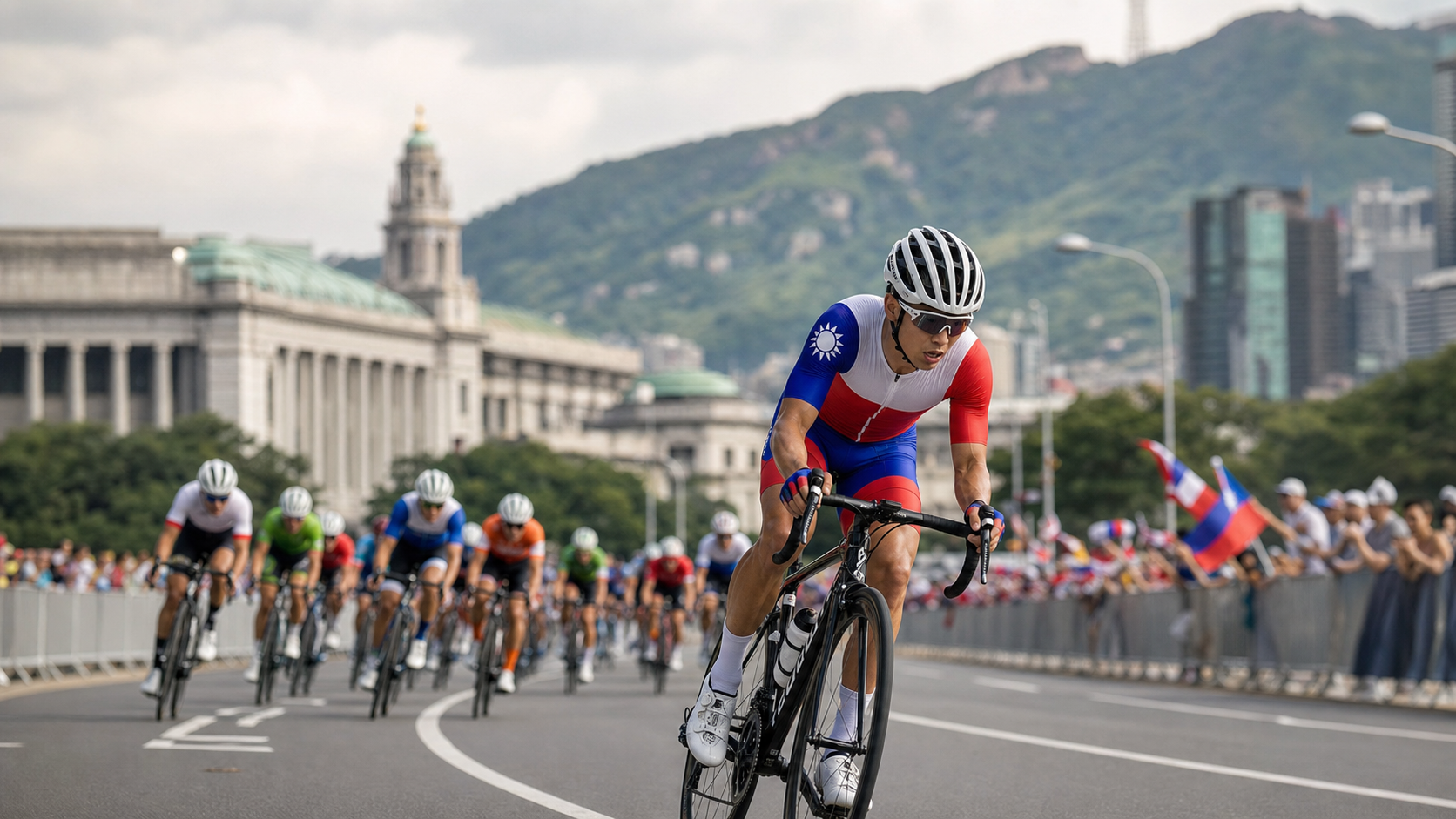
The Olympic Road Race is the most spectacular cycling event in the quadrennial sporting showcase. Starting from the host city and traversing varied terrain, the gold medal is decided after hours of high-intensity competition, either through a sprint finish or a solo breakaway. Unlike the team tactics of professional tours, the Olympics adopt a “one nation, one team” system, where national interest supersedes trade team allegiances, making the strategic maneuvering on the road more complex and intriguing.
The Historical Evolution of the Olympic Road Race
Early History (1896–1960s)
Cycling has been part of the modern Olympics since its inception, with cycling races featured at the first modern Games in Athens in 1896. However, the early Olympic road races differed greatly from the modern format—the courses were longer (sometimes up to 300 km), the fields were smaller, and the equipment was far more primitive.
The Professional vs. Amateur Divide
Before the 1980s, the Olympics strictly prohibited professional athletes from competing, so the road race was contested by “amateurs.” Starting with the 1996 Atlanta Olympics, the UCI allowed professional riders to participate, dramatically raising the level of competition and attracting the world’s top pros to vie for the gold medal.
Modern Race Format
| Event | Men | Women |
|---|---|---|
| Distance | 220–260 km | 120–160 km |
| Number of Riders | Approx. 130 | Approx. 67 |
| Qualification | UCI points + continental quotas | UCI points + continental quotas |
| Race Duration | Approx. 5.5–6 hours | Approx. 3.5–4 hours |
Famous Battles in Olympic Road Race History
2004 Athens Olympics: Ullrich vs. Hamilton
The men’s road race at the 2004 Athens Olympics took place under the scorching Greek sun. Tyler Hamilton’s story of winning gold while riding with an injury moved the world (though the medal was later stripped due to doping violations).
2012 London Olympics: Glory on Home Soil
After winning the Tour de France, British rider Bradley Wiggins returned home to claim Olympic gold in the time trial, sparking nationwide euphoria and becoming a milestone in popularizing cycling in Britain.
2021 Tokyo Olympics: Carapaz’s Gold in the Pouring Rain
The men’s road race at the 2021 Tokyo Olympics (actually held in 2021) took place amid 40°C heat in Tokyo and severe weather around a typhoon. Ecuadorian rider Richard Carapaz broke clear of a star-studded field to take gold, making South American cycling history.
Taiwanese Riders’ Olympic Participation History
The Development Background of Competitive Cycling in Taiwan
Taiwan’s bicycle industry is world-renowned (with brands such as Giant and Merida), but competitive cycling started relatively late. From the 1990s onward, through hosting international events like the Tour de Taiwan and rider development programs, Taiwanese competitive cycling began to gain visibility on the Asian stage.
The Challenge of Qualification
For Taiwanese riders to secure a spot in the Olympic road race, the main pathways are:
- UCI individual points ranking: Accumulating sufficient points in UCI-ranked events
- Asian continental quota: Asia has a fixed number of slots, contested via the Asian points ranking
- Host nation wildcard (applicable only under specific conditions)
Notable Results of Taiwanese Riders on the International Stage
Taiwanese riders are competitive in Asian-level events:
- Asian Cycling Championships: Taiwanese riders have won gold medals in track events over the years
- Tour de Taiwan: Domestic riders actively participate, accumulating UCI points
- Asian Games: Taiwan has a stronger medal record in track cycling events
Challenges and Outlook
The core challenges facing Taiwanese road riders:
- Limited opportunities to race in Europe: Joining a European team is necessary to accumulate top-tier points on the WorldTour
- Physical attributes: The average build of Taiwanese riders offers some advantage in climbing-focused races, but more systematic training is needed
- Federation support system: Compared to South Korea and Japan, government support for competitive cycling in Taiwan still needs strengthening
The Tactical Uniqueness of the Olympic Road Race
The strategy of the Olympic road race differs fundamentally from professional tours:
- One nation, one team, but riders from different trade teams: Riders may face teammates who are professional rivals
- No commercial sponsorship pressure: Riders compete more purely for national honor
- One-day race format: No second chances; victory must be decided on the day
- Host nation terrain advantage: The host country can design a course that favors its own riders
Practical Advice
For Taiwanese cycling fans and aspiring competitive riders:
- Follow the Asian Cycling Championships: This is the stage where Taiwanese riders have the best chance of winning medals in track events
- Support the Tour de Taiwan: This UCI ProSeries event is the best showcase window for Taiwanese competitive cycling
- Track Taiwanese riders’ UCI points: Stay informed on the current international rankings of Taiwanese riders
Conclusion
The Olympic road race is a pure display of competitive spirit. For Taiwan, given the strength of its bicycle industry, there remains significant room for growth on the competitive side. Every Taiwanese rider striving on the international stage is a crucial driving force in bringing Taiwanese competitive cycling to the world.
Related Reading
- A Complete Analysis of Olympic Road Race Format and Strategy
- The Olympic History of Cycling: The Evolution of Olympic Cycling Events from 1896 to Today
- Olympic Road Race: Course Design, Weather Factors, and Medal Strategies
- Stories of Outstanding Taiwanese Cyclists: Taiwanese Riders on the International Stage
日本公路最高登山賽,台灣首位YT挑戰實錄,乘鞍登山賽40週年,賽前篇完整版,請到我的YT收看 #公路車 #cycling
11 個月前
2025 乘鞍 KOM 登山賽挑戰實錄 / 日本公路最高 ! 賽前探路篇 / 比富士山厲害,無敵絕景!/ 40週年 / 中文YT首發 / 公路車 / CT Yeh #乘鞍ヒルクライム
11 個月前
小野田真的存在!日本赤城山爬坡公路賽 台灣首發團完全實錄 | 頭文字D真實賽道! | 看完東奧自行車賽後好想再去騎一次啊! | 公路車 | CT Yeh
4 年前
高雄綠園道鐵路自行車道 / 外地人能輕鬆駕馭 還是整路崩潰? / 2025 全線開通 春節實地探索一次!(附GPS連結)/ 公路車 / CT Yeh
1 年前
2023自行車展!與環台賽選手一同表演賽 / 全自動AI Fitting?/ TIME新車發表/神秘充電桌等 精華分享 VLOG | CT Yeh | 公路車
3 年前
超激烈!2025 南庄仙山KOM 賽事精華 / 男菁英A x 女菁英A / 公路車 / CT Yeh
9 個月前
2024 春季KOM 賽事精華版 / 太魯閣 / 貓捉老鼠精彩追擊 / 錄影剪輯版 / 東進武嶺 / 公路車 (請開啟字幕)
2 年前
山港 環東台北160K 自行車約騎活動
9 年前