The Benefits of Swimming for Chronic Diseases: Aquatic Exercise for Patients with Hypertension and Diabetes
Introduction
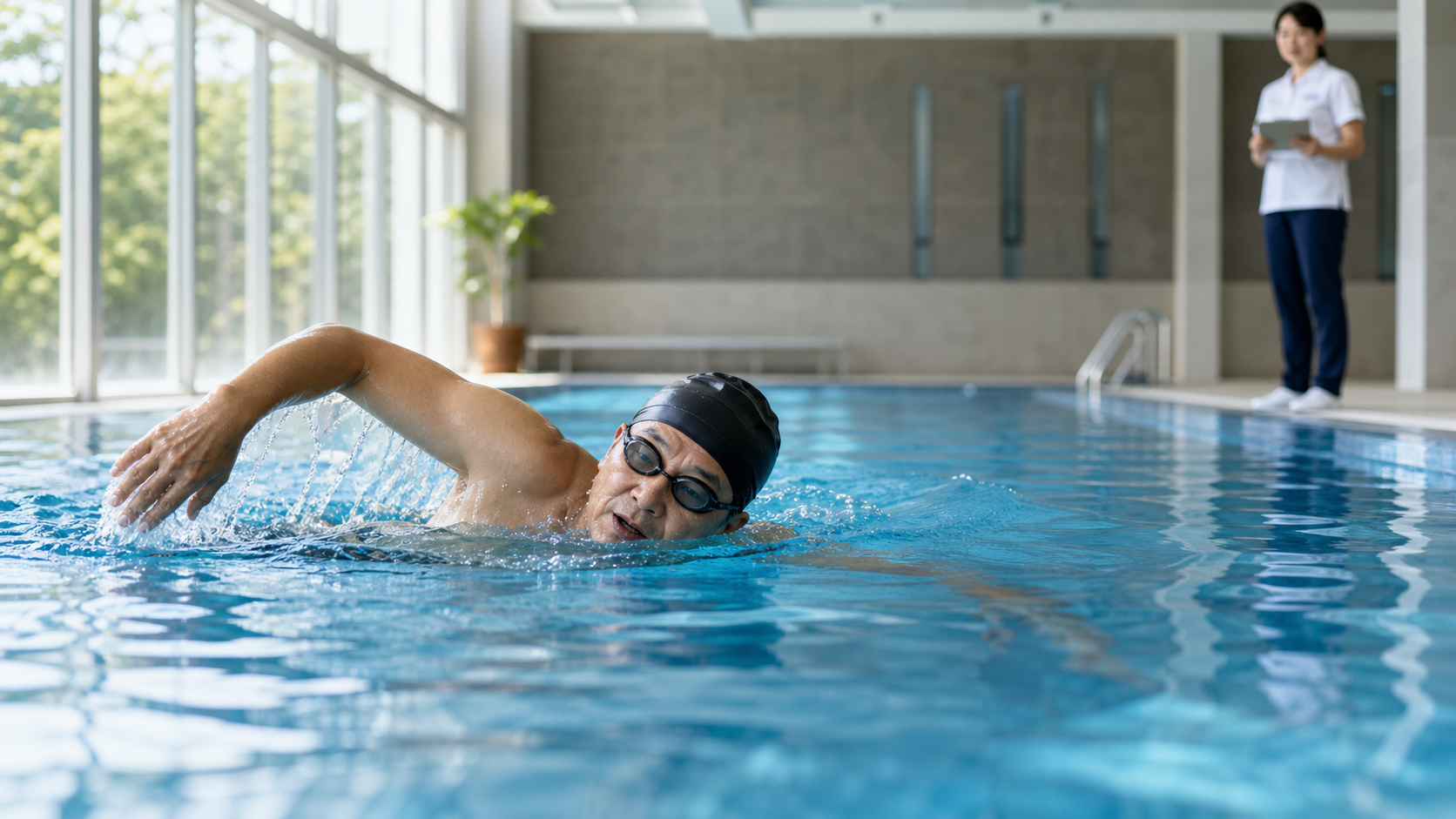
Chronic disease is an increasingly serious issue in Taiwan. According to statistics from the Ministry of Health and Welfare, more than three million people in Taiwan have hypertension, and more than two million have diabetes. For these groups, exercise is a complementary treatment commonly recommended by physicians, but “what exercise to do,” “how intense it should be,” and “what the contraindications are” often leave patients confused. Swimming, with its low-impact, controllable intensity, and full-body aerobic nature, has become one of the safest and most effective exercise options for chronic disease patients.
Benefits of Swimming for Hypertension
Hypertension (systolic blood pressure persistently above 140 mmHg or diastolic blood pressure above 90 mmHg) is one of the most common chronic diseases among Taiwanese adults. Multiple studies have shown that regular aerobic swimming training can bring the following benefits:
Direct blood pressure improvement:
Sustained swimming training of eight to twelve weeks, three to four times per week, can lower resting systolic blood pressure by an average of 4–9 mmHg and diastolic blood pressure by 3–5 mmHg. Although the reduction may seem modest, for hypertension patients, even a slight drop in blood pressure can significantly reduce the risk of cardiovascular events.
Indirect cardiovascular protection:
- Swimming strengthens myocardial contractility, allowing the heart to pump more blood with each beat, lowering resting heart rate over the long term
- Hydrostatic pressure in water aids venous return, reducing the heart’s afterload
- Swimming helps with weight control, and for every 10 kg of weight lost, systolic blood pressure can drop by approximately 5–20 mmHg
Precautions for hypertension patients when swimming:
- Avoid high-intensity explosive swimming; maintain a low-to-moderate intensity where you “can easily carry on a conversation”
- Water temperature should be 28–32°C, avoiding water that is too cold (vasoconstriction, raising blood pressure) or too hot (which may cause a sudden drop in blood pressure)
- Monitor blood pressure before and after exercise; if pre-exercise blood pressure exceeds 180/110 mmHg, skip swimming that day
- Patients taking beta-blockers may have a blunted heart rate response and should not use heart rate as the sole intensity indicator
Benefits of Swimming for Diabetes
Type 2 diabetes is closely linked to insulin resistance, and exercise is one of the most effective non-pharmacological means of improving insulin sensitivity.
| Benefit Category | Specific Effects of Swimming |
|---|---|
| Blood glucose control | During exercise, muscle glucose uptake does not depend on insulin, directly lowering blood glucose |
| Insulin sensitivity | Regular aerobic exercise can enhance the sensitivity of cellular insulin receptors, with effects lasting 24–48 hours |
| HbA1c | Regular swimming sustained for 12 weeks or more can lower glycated hemoglobin by approximately 0.5–1% |
| Weight control | Swimming burns calories and maintains basal metabolic rate, helping with weight management (weight is key to diabetes control) |
| Cardiovascular protection | Diabetic patients have a higher risk of cardiovascular disease; the cardiorespiratory training effect of swimming provides additional protection |
Special precautions for diabetic patients when swimming:
- Hypoglycemia prevention: Patients taking sulfonylurea glucose-lowering drugs or injecting insulin should confirm their blood glucose is between 100–250 mg/dL before swimming; vigorous exercise during swimming may cause hypoglycemia, so it is recommended to keep candy or glucose tablets by the poolside
- Foot protection: Peripheral neuropathy in diabetic patients may dull sensation in the feet; wearing waterproof swim shoes is recommended to avoid wounds from walking on rough surfaces
- Eye considerations: Patients with retinopathy should consult an ophthalmologist to confirm whether high-intensity aquatic exercise is suitable (risk of retinal hemorrhage)
Benefits of Swimming for Other Chronic Diseases
Heart Disease (Post-Surgical Rehabilitation)
For patients after cardiac surgery (such as bypass surgery or heart valve replacement), swimming is a commonly recommended aerobic option in cardiac rehabilitation programs. The venous return assistance provided by hydrostatic pressure in water is particularly beneficial for post-cardiac-surgery patients. However, this must only be done after evaluation by a cardiologist and should follow the cardiac rehabilitation protocol gradually—never start on your own.
Chronic Obstructive Pulmonary Disease (COPD)
The breathing training characteristics of swimming (requiring active exhalation against water resistance) can help improve lung function in COPD patients. However, chlorine in swimming pools may irritate the airways of some COPD patients; it is recommended to first try pools with lower chlorine content (such as saltwater pools).
Osteoporosis
The effect of swimming on osteoporosis has its limitations—while the low-gravity environment of buoyancy protects the joints, it also reduces the “weight-bearing stimulus” needed to increase bone density. Therefore, osteoporosis patients should treat swimming as a supplementary exercise and additionally incorporate light weight-bearing training (such as walking or light dumbbell exercises) to maintain bone density.
Preparation Before Chronic Disease Patients Start Swimming
- Physician consultation: Before starting any new exercise program, be sure to inform your primary care physician and confirm there are no contraindications
- ECG exercise stress test (if you have a history of heart disease): To confirm the safe upper limit of exercise intensity
- Choose a pool with lifeguards: Chronic disease patients have a higher risk of emergencies during exercise; choose a supervised pool environment
- Keep medications on hand: Fast-acting glucose correction medication for diabetic patients and emergency medication for hypertension patients should be kept within easy reach by the poolside
Practical Recommendations
- Start with 20 minutes per session: Chronic disease patients should not rush to pursue training volume; prioritize building the habit
- Choose classes with instructors who have a medical background: Some sports centers offer “senior swimming classes” or “chronic disease swimming classes” where instructors have basic medical first-aid knowledge
- Record your physical condition after each swim: Including post-exercise blood pressure, blood glucose (if measured), and fatigue level, to build a personal health exercise log
Conclusion
Swimming is not a panacea for chronic diseases, but it is one of the safest and most comprehensive adjunctive exercise therapies known. On top of medication treatment, adding a regular swimming habit—your blood pressure readings, blood glucose control, and overall cardiorespiratory function will all tell you this decision was worth it. Remember: every minute spent in the water is interest deposited into your health.
Related Reading
- Improvement of Chronic Diseases Through Swimming: Aquatic Exercise Prescriptions for Diabetes and Hypertension Patients
- Therapeutic Benefits of Swimming for Hypertension: A Study on Blood Pressure Reduction with 3 Weekly Swimming Sessions
- The Scientific Benefits of Swimming for Cardiovascular Health
- The Scientific Benefits of Swimming for Cardiovascular Health: What the Research Says
CT暗黑廚房) 車友必備 宇宙無敵鮮蚵湯 幫助訓練恢復 天然食補 好市多 超肥鮮蚵 破PR
7 年前
一日北高常見問題大集合 | 攻略 | 路線 | 訓練 | 補給 | 自行車 單車 | 一日雙城 | 雙塔 | TWB北高360 | 屁股痛
6 年前
抖肩舞 台灣x日本交流版 (台灣 vs 前橋) 赤城山登山賽 coincidance
8 年前
一日北高/長距離團騎 常見問題補充篇 / 組團或跟團的眉角 / 壯車友容易被瘦車友慢性拉爆 / 原來屁股痛可能是這個原因...? / 風場配速法 / 公路車 / CT Yeh
2 年前
[防寒衣體驗] 鐵人魂 三鐵 防寒衣試穿會 於松運 深水游泳池 鯨魚池
8 年前
靠單車減肥35公斤 心得分享與整理
7 年前
[教學] Premiere 影片 手震 修正 教學 防抖 單眼 影像 GoPro 穩定 Video Stabilization
8 年前
台北大雁西飛 約騎挑戰 feat. Doris | 公路車 | CT Yeh
3 年前