Introduction
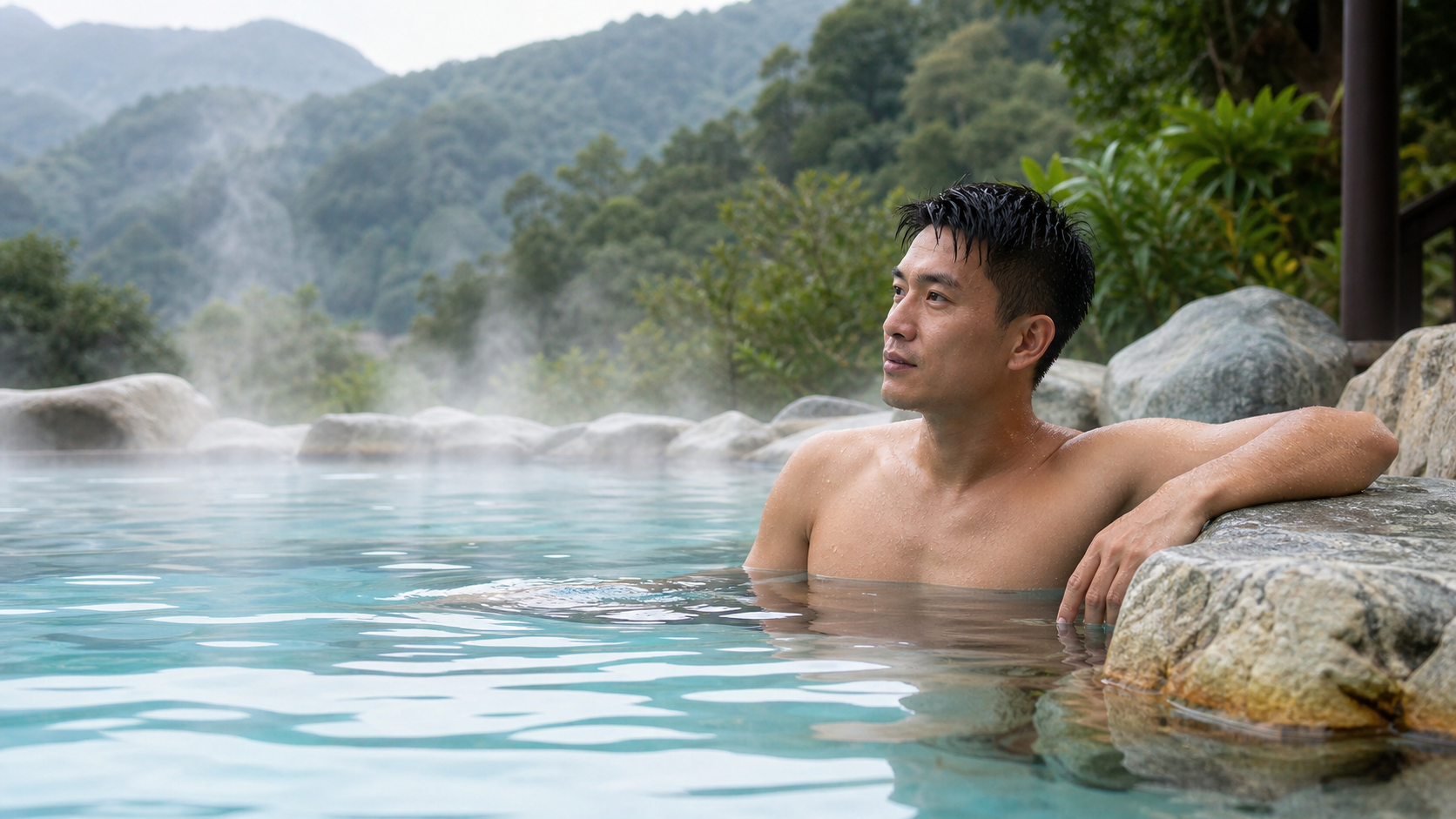
Taiwan is one of the regions with the highest density of hot springs in the world, with over a hundred hot spring areas across the island, from Beitou, Wulai, and Jiaoxi to Zhiben and the submarine hot springs of Xiaoliuqiu, each with its own unique character. However, most Taiwanese people treat hot springs as a tourism and leisure activity, rarely realizing that combining hot spring hydrotherapy with swim training offers significant scientific benefits for athletic recovery. This article explores the special therapeutic effects of hot spring pools and how to integrate hot spring hydrotherapy into recovery strategies for swim training.
The Scientific Basis of Hot Spring Hydrotherapy
The benefits of hot springs to the body come from three core mechanisms:
Thermal Effect (Thermotherapy)
Hot spring water temperatures typically range between 38–45°C, and this temperature can:
- Dilate blood vessels, increasing local blood flow by 30–50%, accelerating the clearance of metabolic waste (lactic acid, creatinine)
- Raise muscle temperature, making muscle fibers more elastic, while also triggering the production of heat shock proteins (HSP), protecting muscle cells from further damage
- Stimulate the parasympathetic nervous system, putting the body into “rest and repair” mode
Hydrostatic Pressure Effect
The hydrostatic pressure of water produces a uniform, mild compression on the body, with effects similar to compression garments:
- Promotes venous blood and lymphatic return, reducing post-exercise muscle swelling
- Reduces joint load, allowing muscles that have just completed high-intensity training to relax in a “supported” state
Mineral Effect (Balneotherapy)
Different types of hot springs contain different minerals, each with its own characteristics:
| Hot Spring Type | Main Minerals | Representative Locations | Athletic Recovery Benefits |
|---|---|---|---|
| Sodium Bicarbonate Spring (Beauty Water) | Sodium bicarbonate | Beitou, Guanziling | Skin hydration, blood circulation promotion |
| Sulfur Spring | Hydrogen sulfide | Yangmingshan, Jiaoxi | Anti-inflammatory, vasodilation |
| Chloride Spring (Salt Spring) | Sodium chloride | Sichongxi, Xiaoliuqiu | Excellent heat retention, reduces muscle cramps |
| Carbonated Spring | Carbon dioxide | Artificial carbonated springs at some hot spring hotels | Most significant capillary dilation effect |
Hot Spring Pools: The Optimal Post-Exercise Recovery Environment
Regular swimming pools have water temperatures of 26–29°C, suitable for training but not for recovery. Hot spring pools (water temperature 35–40°C) offer a completely different experience: the buoyancy of hot water allows muscles to relax without effort, while the heat promotes blood circulation to accelerate recovery.
What are some well-known hot spring pools in Taiwan?
- Jiaoxi Hot Spring Park Outdoor Soaking Pools: Jiaoxi, Yilan; free-access outdoor sodium bicarbonate spring pools. Although not standard swimming pools, numerous hot spring hotels within walking distance offer large hot spring swimming pools
- Beitou Shibafen Park Hot Spring Swimming Pool: Beitou, Taipei; a historic outdoor public hot spring swimming pool with affordable admission (approximately NT$170 for adults)
- Wulai Taiwan Lotte Hot Spring: A hot spring recreation facility offering hot spring pools at various temperatures
- Hot Spring Hotel Pools at Major Resorts: High-end hot spring hotels such as Hotel Royal Jiaoxi and Chuang Tang Chun Hot Spring offer well-equipped hot spring swimming pools, ideal for post-race recovery
Optimal Strategies for Combining Swim Training and Hot Spring Hydrotherapy
Hot Spring Recovery Protocol After High-Intensity Training
After completing high-intensity swim training (such as a 3000-meter interval session or the swim leg of a triathlon), the following protocol can maximize recovery benefits:
Step 1 (0–15 minutes): Take a cold shower or soak in a cold pool (15–18°C), using the vasoconstrictive effect of cold water to reduce acute muscle inflammation
Step 2 (after 15–30 minutes): Enter a hot spring pool (38–40°C) and soak for 15–20 minutes to promote vasodilation and metabolic waste clearance
Step 3 (optional): Alternate between cold and hot soaking (3 minutes each), repeating for 3–4 rounds. This “Contrast Water Therapy” provides better recovery effects than cold or hot water immersion alone
Relieving Delayed Onset Muscle Soreness (DOMS) with Hot Springs
Many swimmers experience severe delayed onset muscle soreness the day after trying a new stroke (such as butterfly) or increasing training volume. Hot spring immersion is the gentlest and most effective way to relieve this:
- Temperature: 38–40°C
- Duration: 15–20 minutes per session, once daily
- Combine with light stretching: perform gentle neck, shoulder, and back stretches in the hot spring water; the warmth makes muscles easier to relax
Precautions for Hot Spring Swimming
Although hot spring swimming offers significant benefits, there are also safety considerations that require special attention:
- Avoid vigorous exercise in high-temperature spring water: When water temperature exceeds 38°C, heart rate accelerates and body temperature rises. Performing high-intensity swimming under these conditions places excessive strain on the heart; hot spring pools are suitable for light water activities or static soaking
- Time control: Do not exceed 20 minutes per hot spring soak session, and keep total soaking time under 40 minutes to avoid dehydration and overheating
- Hydration: Hot spring soaking accelerates dehydration; drink at least 500 ml of water before and after each session
- Individuals with heart disease and hypertension: High-temperature hot springs may cause sudden blood pressure fluctuations and should only be used after consulting a physician; it is recommended to choose springs at 37–38°C rather than higher-temperature pools
- Skin issues: Prolonged exposure to high-mineral hot spring water may irritate sensitive skin; those with wounds or skin conditions should avoid hot spring soaking
Travel Planning Recommendations for Hot Spring Swimming in Taiwan
For sports enthusiasts looking to combine swim training with hot spring recovery, here are several ideal “swimming plus hot spring” destinations in Taiwan:
- Jiaoxi, Yilan: Convenient transportation (via the Chiang Wei-shui Memorial Freeway or train); Jiaoxi Hot Spring Park offers soaking, and indoor swimming pool facilities are available nearby
- Beitou, Taipei: Accessible within the city; the public bathhouse next to the Beitou Hot Spring Museum has a long history, and the Beitou Sports Center also has a swimming pool
- Guanziling, Tainan: Taiwan’s rare mud spring, rich in minerals, leaving skin smooth after soaking—an excellent recovery choice after long-distance cycling or running
Practical Recommendations
- Build an integrated “training + recovery” plan: Schedule hot spring recovery days into your training cycle rather than deciding spontaneously only when fatigued
- Start with Jiaoxi: Jiaoxi’s sodium bicarbonate spring water is mild in nature and easily accessible, making it the best entry-level choice for hot spring recovery
- Track recovery outcomes: Compare your training status the day after a hot spring recovery day versus a regular rest day, and let the data speak
- Team up with running or swimming buddies: Hot spring recovery trips can be great social activities, restoring the body while strengthening friendships
Conclusion
Taiwan is blessed with exceptional hot spring resources, and for swimmers, this is one of the things the world envies most about us. Learning to integrate hot spring hydrotherapy into your training recovery plan not only helps your body recover faster but also pairs every hard training effort with a wonderful healing experience. Swimming is effort, hot springs are the reward—combining the two is the true art of enjoying sport.
Related Reading
- The Impact of Water Temperature on Swimming Performance: Heat Adaptation and Cold Water Swimming Physiology
- The Science of Contrast Baths: A Low-Cost Recovery Method You Can Do in a Taiwanese Bathroom
- Seasonal Physiology of Swimming: The Effects of Cold vs. Hot Water on Performance
- Cold and Heat Therapy After Swimming: Comparing the Recovery Benefits of Ice Baths and Hot Baths
CT暗黑廚房) 車友必備 宇宙無敵鮮蚵湯 幫助訓練恢復 天然食補 好市多 超肥鮮蚵 破PR
7 年前
[防寒衣體驗] 鐵人魂 三鐵 防寒衣試穿會 於松運 深水游泳池 鯨魚池
8 年前
嘉義大埔、阿婆灣挑戰賽,美到以為在日本!ft. 環騎5 Cool 西拉雅188 / 公路車 / CT Yeh
7 個月前
秘境雪場 日本 八甲田 冰樹探險與滑雪體驗 ft. Q老師 & 運動生活
7 年前
水金九不厭五分 10度寒流冷到不願停!feat. 卡卡 / 公路車 / CT Yeh
6 個月前
西進武嶺 免費訓練分析服務 Intervals | 練不夠還是練過頭?你哪一種類型選手?AI模型告訴你! | 備戰神器 | 公路車 訓練 | CT Yeh
4 年前
實景訓練台) 彰化經典百K 高強度喵團 90分鐘 跟著一起練功 2019 Indoor workout Changhua Classic 100 Taiwan
7 年前
大武山20%魔王陡坡【JJSC南台灣遊騎Day2】!屁股真的要裂開了...凡士林抹滿也沒用?神秘金教堂還有超便宜夜市
3 個月前