Introduction
Post-training muscle soreness (DOMS, Delayed Onset Muscle Soreness), joint heaviness, and fatigue are all fundamentally linked to the inflammatory response. During swim training, the shoulder, knee, and hip joints endure repeated dynamic loads, and muscle fibers sustain micro-tears after high-intensity sessions, triggering immune cells to release pro-inflammatory cytokines and initiating the repair process. Moderate inflammation is a necessary part of the “training stimulus → adaptation improvement” cycle, but if inflammation persists too strongly or for too long, it can hinder recovery and increase injury risk.
Diet is one of the most convenient and effective tools for regulating the inflammatory response. The right food choices can reduce excessive inflammation and speed up recovery without suppressing normal repair processes.
Pro-inflammatory vs. Anti-inflammatory Foods
Many common foods in the modern diet have pro-inflammatory properties, while natural, whole foods generally offer anti-inflammatory benefits. Understanding the difference between the two is the first step in creating an anti-inflammatory diet plan.
Pro-inflammatory Foods (Should Be Reduced)
- Refined sugar and sugary drinks: Cola, hand-shaken beverages, processed desserts—stimulate pro-inflammatory pathways such as NF-κB
- Refined carbohydrates: White bread, pastries, fried foods—cause rapid blood sugar spikes followed by oxidative stress
- Refined vegetable oils high in Omega-6: Corn oil, sunflower oil, soybean oil—pro-inflammatory when imbalanced with Omega-3
- Trans fats: Commonly found in fast food and commercial pastries—directly trigger pro-inflammatory responses
- Processed meats: Sausages, bacon, ham—contain advanced glycation end products (AGEs)
- Alcohol: Damages the intestinal mucosal barrier and increases systemic inflammation
Anti-inflammatory Foods (Should Be Actively Consumed)
| Food Category | Representative Foods | Key Anti-inflammatory Components |
|---|---|---|
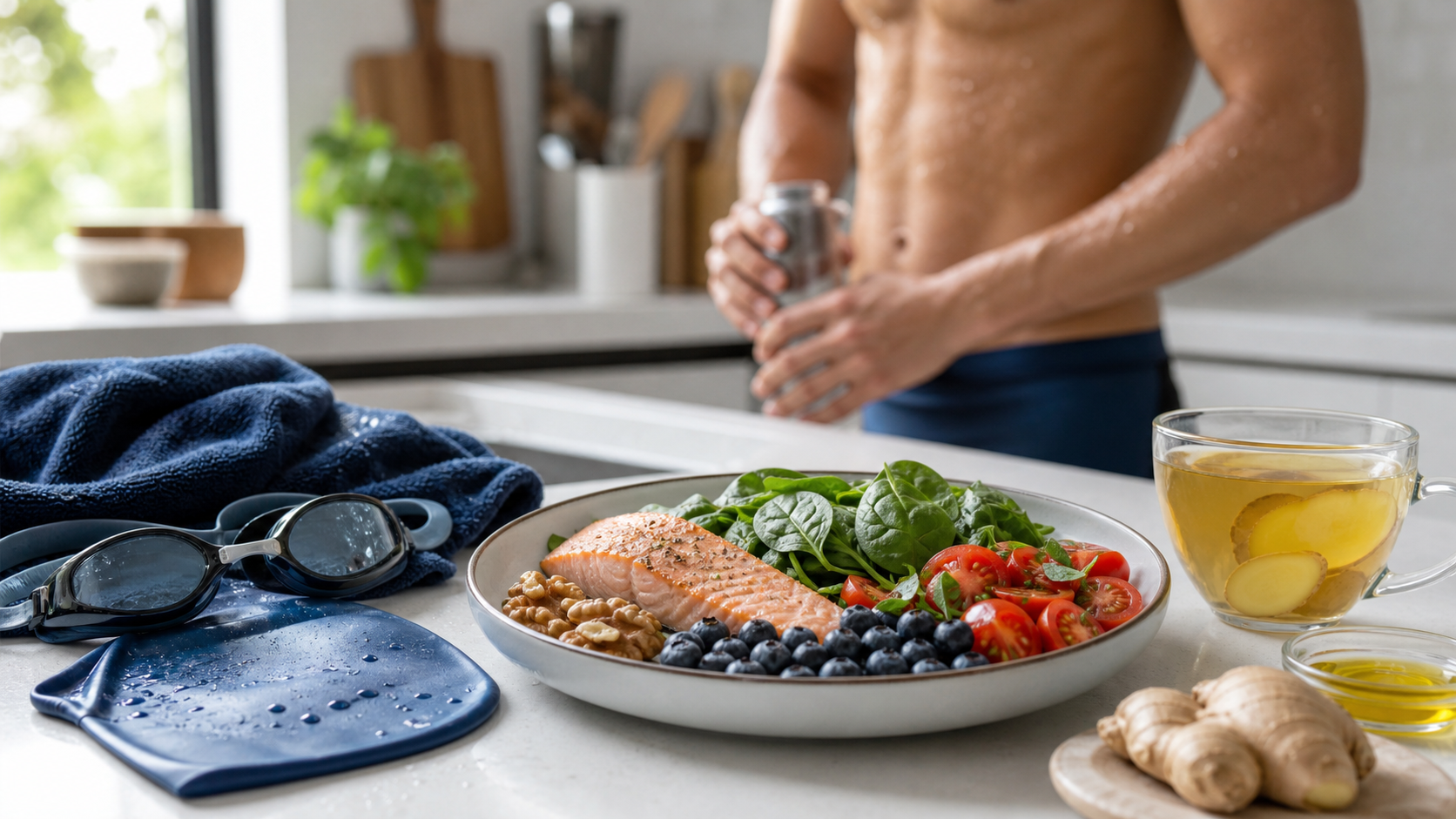
| Deep-sea fish | Salmon, mackerel, Pacific saury | Omega-3 (EPA/DHA) |
| Dark leafy vegetables | Spinach, broccoli, kale | Quercetin, Vitamin C, Folate |
| Berries | Blueberries, strawberries, cranberries | Anthocyanins, polyphenols |
| Nuts and seeds | Walnuts, flaxseeds, chia seeds | Omega-3, Vitamin E |
| Turmeric | Turmeric powder, fresh turmeric | Curcumin |
| Ginger | Ginger tea, ginger juice | Gingerol |
| Olive oil | Cold-pressed extra virgin olive oil | Olive polyphenols, oleic acid |
| Green tea | Taiwanese green tea | EGCG (Epigallocatechin gallate) |
| Tomatoes | Fresh tomatoes, tomato paste | Lycopene |
Detailed Breakdown of Key Anti-inflammatory Nutrients
Omega-3 Fatty Acids: The Most Potent Anti-inflammatory Fat
EPA and DHA in Omega-3 competitively inhibit the synthesis of pro-inflammatory prostaglandins and are currently the most well-researched dietary anti-inflammatory components.
Recommended intake: 1–3 g of EPA+DHA per day, which can be obtained from food or fish oil supplements.
Food sources (content per 100 g):
- Salmon: approximately 2–3 g EPA+DHA
- Mackerel: approximately 2–3 g EPA+DHA
- Pacific saury: approximately 1.5–2.5 g EPA+DHA
- Herring: approximately 1.5–2 g EPA+DHA
Curcumin: A Natural COX-2 Inhibitor
Curcumin’s inhibitory effect on the COX-2 pathway is mechanistically similar to anti-inflammatory drugs, but with far fewer side effects. The problem is that curcumin has very low bioavailability, and absorption is poor when taken alone.
Ways to improve absorption:
- Consume with black pepper (piperine)—absorption can increase by 20 times
- Consume with fat (curcumin is fat-soluble)
- Choose lipid-encapsulated or nano-formulated curcumin supplements
Practical applications in Taiwanese cuisine: Curry dishes, turmeric lattes (with black pepper), and turmeric fried rice are all convenient ways to consume it.
Polyphenols: Broad-spectrum Regulators of Oxidative Stress
Polyphenolic compounds widely found in plants can scavenge reactive oxygen species (ROS) produced after training, reducing secondary inflammation triggered by oxidative stress.
Key sources: Blueberries, dark chocolate (70% or higher), pomegranate juice, green tea, grapes, olive oil.
Vitamin C and Vitamin E: The Golden Antioxidant Combination
These two vitamins work together in the antioxidant defense system: Vitamin C scavenges free radicals in water-soluble environments, while Vitamin E protects cell membrane lipids from oxidation.
Food sources:
- Vitamin C: Guava, kiwi, papaya, bell peppers, broccoli
- Vitamin E: Sunflower seeds, almonds, hazelnuts, olive oil, spinach
Sample One-Day Anti-inflammatory Diet Plan
Breakfast: Oatmeal with blueberries, walnuts, and ground flaxseed, paired with green tea
Post-training snack: Salmon rice ball + 2 kiwis
Lunch: Vegetable curry rice (seasoned with turmeric and black pepper) + tofu, with plenty of bell peppers and broccoli
Afternoon snack: 2–3 pieces of dark chocolate + a handful of almonds
Dinner: Grilled mackerel + sautéed spinach (cooked with olive oil) + tomato soup + brown rice
Before bed: Turmeric milk (turmeric powder + black pepper + low-fat milk)
The Debate on Antioxidant Supplements
It’s worth noting that “more antioxidants” is not necessarily better. Taking high-dose Vitamin C or E supplements immediately after training may suppress the muscle’s adaptive response to training (because reactive oxygen species are also part of the adaptation signaling process). Therefore, it is recommended:
- Post-training replenishment should primarily come from food sources; avoid high-dose supplements
- Moderate supplementation is acceptable during the off-season or recovery periods
- A diverse intake through daily diet is safer and more effective than single high-dose supplements
Practical Recommendations
- Eat the rainbow every day: Fruits and vegetables of different colors contain different types of polyphenols and antioxidants—diversity is the best strategy.
- Increase deep-sea fish frequency: At least 2–3 times per week to boost Omega-3 intake.
- Replace refined vegetable oils with olive oil: Switch to cold-pressed extra virgin olive oil for cooking, preferably with low-heat methods.
- Reduce hand-shaken beverages and sugary drinks: These are the primary pro-inflammatory factor in the Taiwanese diet, and should especially be avoided on training days.
- Add a turmeric latte after training: Low-fat milk with turmeric powder and black pepper makes a convenient post-training anti-inflammatory drink.
Conclusion
An anti-inflammatory diet is not a short-term treatment but a long-term dietary pattern. For swimmers, every day of training accumulates inflammatory burden, and the right food choices allow the body to repair, adapt, and improve more efficiently. Start by reducing pro-inflammatory foods and increasing Omega-3 and polyphenol intake, then gradually adjust daily eating habits. This way, you can achieve faster recovery and more stable performance without relying on anti-inflammatory medications.
Related Reading
- Anti-Inflammatory Diet: Nutritional Strategies to Accelerate Recovery and Reduce Sports Injuries
- Fruit and Vegetable Intake for Swimmers: Antioxidants and Post-Training Repair
- Weight Management for Swimmers: Dietary Compensation Issues in High-Volume Training
- Omega-3 Fatty Acids and Swimming Recovery: Research Evidence on Anti-Inflammatory Effects
CT暗黑廚房) 車友必備 宇宙無敵鮮蚵湯 幫助訓練恢復 天然食補 好市多 超肥鮮蚵 破PR
7 年前
[教學] Premiere 影片 手震 修正 教學 防抖 單眼 影像 GoPro 穩定 Video Stabilization
8 年前
一日北高/長距離團騎 常見問題補充篇 / 組團或跟團的眉角 / 壯車友容易被瘦車友慢性拉爆 / 原來屁股痛可能是這個原因...? / 風場配速法 / 公路車 / CT Yeh
2 年前
一日北高常見問題大集合 | 攻略 | 路線 | 訓練 | 補給 | 自行車 單車 | 一日雙城 | 雙塔 | TWB北高360 | 屁股痛
6 年前
西進武嶺 免費訓練分析服務 Intervals | 練不夠還是練過頭?你哪一種類型選手?AI模型告訴你! | 備戰神器 | 公路車 訓練 | CT Yeh
4 年前
靠單車減肥35公斤 心得分享與整理
7 年前
FTL 與 SYB 車隊專訪 西進武嶺 實用攻略分享! 2小時 如何練?!你不知道的眉角!新手準備武嶺必看 EP1 | 實力派女車友 | 精華版 | 公路車 | CTYeh
4 年前
#KOM 夏季登山王之路 比賽實況 #東進武嶺
7 年前