Anne Haug's Race Strategy: An In-Depth Analysis of the Women's Triathlon World Champion's Racing Style
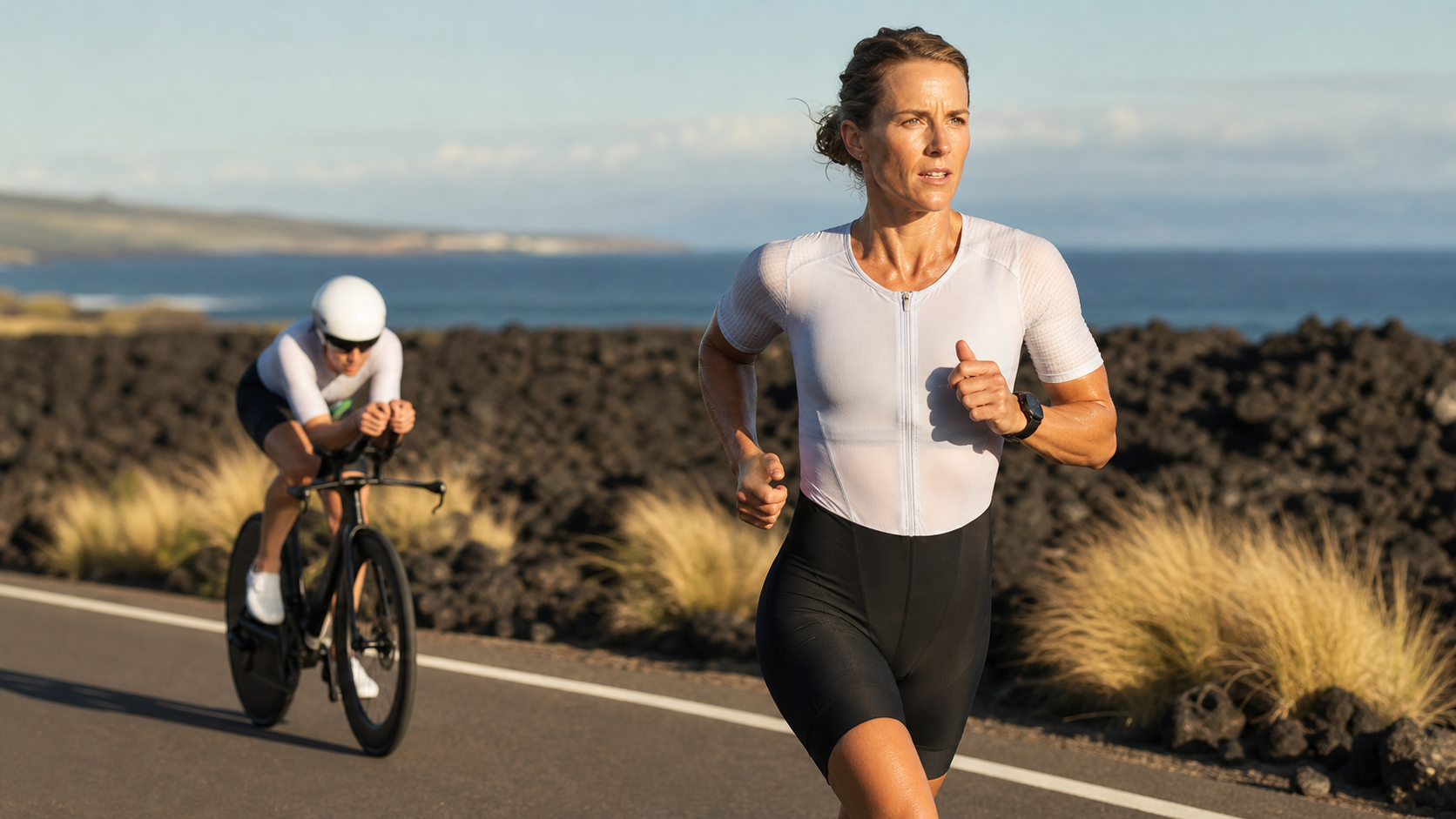
Introduction
Anne Haug, born in Germany in 1985, is an iconic figure in women’s long-distance triathlon. In 2019, she won the IRONMAN World Championship (Kona) on her first attempt, stunning the triathlon world with a time of 8 hours 40 minutes 10 seconds. Her success was not just a triumph of physical fitness, but a perfect combination of race strategy and mental fortitude.
Career Background
Haug came from short-distance triathlon (WTS/ITU) and was a former Olympic-distance representative for the German national team. She transitioned to long-distance racing in 2015 and reached world-class level in just a few short years. Her short-distance background gave her exceptional speed, which she showcased brilliantly in the Kona marathon leg.
Core Race Strategy: Conservative Bike + Aggressive Run
Haug’s Kona strategy can be summed up in one sentence: accumulate enough energy reserves on the bike leg, then unleash everything on the marathon leg.
| Race Segment | Haug’s Strategy | Goal |
|---|---|---|
| Swim | Steady pace, avoid excessive exertion | Stay within reach of the lead group |
| Bike | Power controlled at 72–76% of FTP, follow-the-leader strategy | Preserve energy for the run leg |
| Run | Conservative first half, progressively accelerating second half | Finish with a negative split |
The Aggressive Running Style
Haug’s marathon ability is second to none in women’s long-distance triathlon. She typically launches her attack in the second half of the run leg (25–42 km), which requires extremely precise pace judgment:
- Restraint in the first half-marathon: Maintain a steady pace for the first 21 km, avoiding being carried away by competitors or emotions into running too fast
- Acceleration on the Queen K: Begin accelerating on the Queen K highway on the return leg, when most rivals have already started to struggle
- Target run pace: Her marathon time in Kona was approximately 2 hours 57 minutes, ranking first or top three in the women’s field
Smart Pacing on the Bike Leg
Many professional athletes overexert themselves on the Kona bike leg and collapse on the run. Haug, by contrast, maintains pacing discipline with the philosophy of “letting strong rivals push themselves to the breaking point”:
- No pursuit of bike leg rankings: Even if overtaken by other athletes, she will not recklessly accelerate to chase them down
- Reliance on power data: Uses the power meter as the sole pacing reference, ignoring subjective fluctuations in how she feels during the race
- Complete execution of nutrition: Ensures every aid station is used to replenish energy as planned, preparing for the run leg
Training Characteristics: The Fusion of Speed and Endurance
Haug’s training methods blend the speed work of short-distance triathlon with the endurance training of long-distance triathlon:
- High-intensity swim sessions: Maintains swimming ability from her WTS days, with a weekly swim volume of 25–30 km
- Long bike rides: 1–2 rides exceeding 4 hours per week, combined with training terrain (the hills of southern Germany)
- Double sessions: Morning swim sessions plus afternoon bike or run sessions, simulating race-day fatigue accumulation
- Marathon-specific training: Weekly long runs of up to 30–35 km, but emphasizing quality over quantity
Mental Fortitude: A Calm Attacker
Haug displays a unique style of calm aggression in races:
- Unaffected by opponents’ moves, sticking to her own race plan
- Maintaining positive thinking during low points in the race (typically the latter part of the bike leg or the early part of the run)
- Always mentioning “the importance of preparation” in post-race interviews—having a clear plan for every segment of the race
Inspiration for Taiwanese Athletes
- Transform a swimming or speed-based background into a long-distance advantage, rather than viewing it as a burden
- Learn pacing discipline, consciously “saving” run-leg energy during the bike leg
- Prioritize run training quality, especially long runs performed under fatigue
- Cultivate emotional stability during races, not letting ranking changes affect plan execution
Conclusion
Anne Haug’s Kona victory is the ultimate example of strategy triumphing over brute force. With her aggressive running paired with a conservative bike strategy, she found the most effective way to compete on triathlon’s toughest stage. For all athletes aspiring to long-distance triathlon, Haug’s racing philosophy offers a clear and replicable template for success.
Related Reading
- Patrick Lange’s Marathon Leg Strategy: An Analysis of Breaking 2:40 in a Triathlon Marathon
- Gustav Iden’s Application of Training Technology: A Complete Analysis of Power Meter and Data-Driven Race Preparation
- Jan Frodeno’s Training Philosophy: A Complete Analysis of the Fastest Male Triathlete’s Race Preparation
- Long-Distance Triathlon: A Complete Guide to Finish Strategies
2019 夏季KOM 5小 完賽心得 準備攻略 東進武嶺 夏季登山王之路 Taiwan KOM Challenge
7 年前
2023 台灣KOM自行車登山王挑戰 (AI修復版) / Taiwan KOM Challenge / Live 實況直播 / 班傑明刷破大會成績全記錄
2 年前
2023自行車展!與環台賽選手一同表演賽 / 全自動AI Fitting?/ TIME新車發表/神秘充電桌等 精華分享 VLOG | CT Yeh | 公路車
3 年前
Live) 備戰2019彰化經典百K 賽前攻略 (已完賽請看新影片
7 年前
2025 海鷗團體繞圈賽 / 前八強賽事精華!/ 環台賽等級拍攝 / 國手菁英隊伍較勁 / CT Yeh #公路車
8 個月前
車錶新黑馬? / 超狂續航 / 超好用錶冠 / 無敵準定位 / Dash圖表合成!?/ COROS DURA 評測!/ 公路車 / CT Yeh
2 年前
2025 紫南宮99.9K環縣自行車挑戰賽 直播 / 第一集團跟了20K / CT動態數據直播系統 / 公路車 / CT Yeh
1 年前
2024春季kom精華 #公路車 #kom #cycling
2 年前