Gustav Iden's Application of Training Technology: A Complete Analysis of Power Meters and Data-Driven Race Preparation
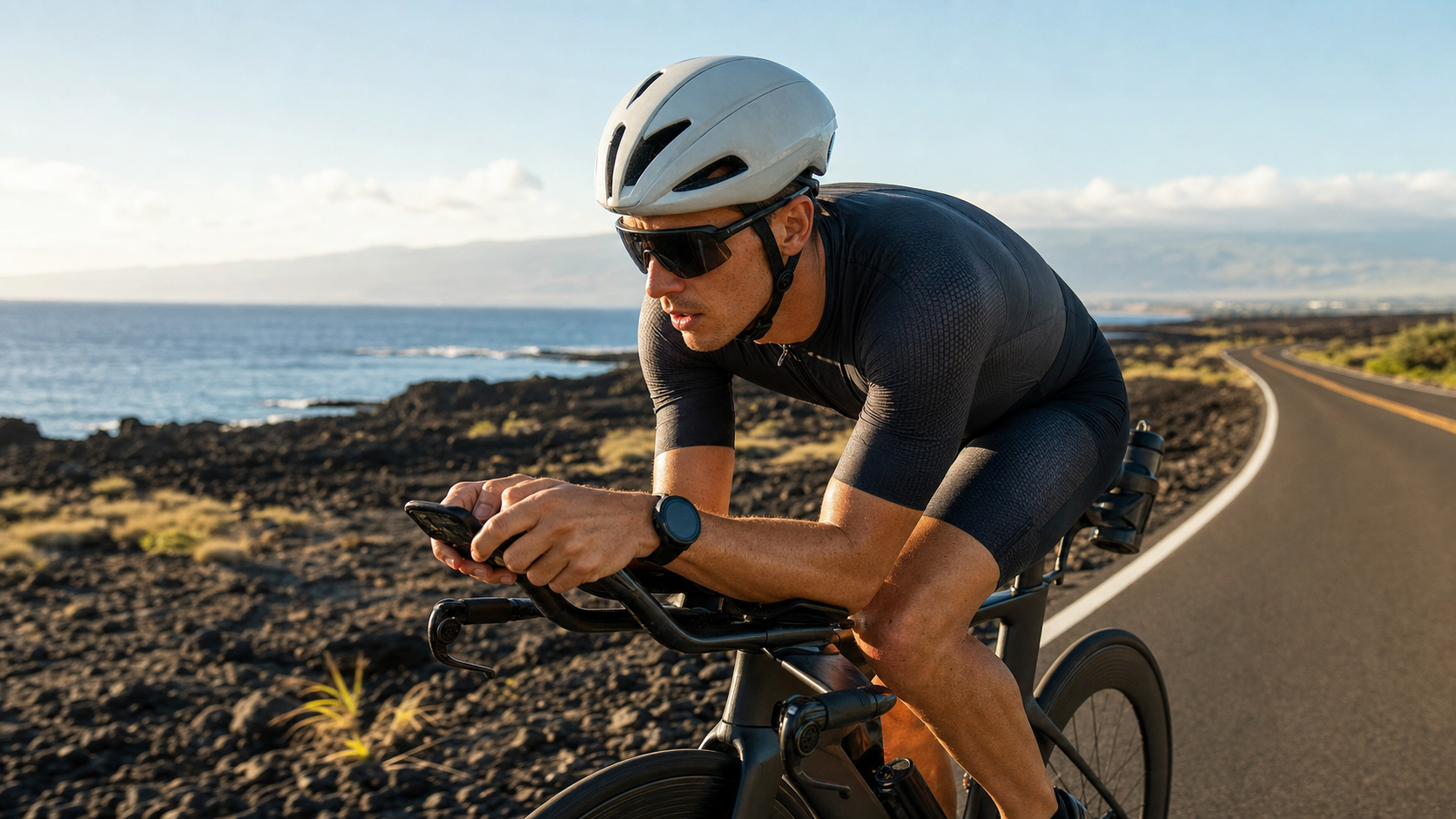
Introduction
Born in Norway in 1996, Gustav Iden is one of the most remarkable rising stars in triathlon in recent years. In 2022, he won the IRONMAN World Championship with a time of 7 hours 40 minutes and 24 seconds, breaking the then-world record (the fastest official race time in Kona history) and showcasing a breathtaking all-around performance. Behind Iden’s success, in addition to the support of the Norwegian training system, his heavy reliance on training technology and data is also a key factor.
The Norwegian System: The Power of Collaborative Training
Iden is one of the leading figures of the “Norwegian Triathlon Method,” a training system characterized by:
| Training Feature | Description |
|---|---|
| Double-threshold sessions | 2–3 days per week of double lactate threshold sessions (one in the morning, one in the afternoon) |
| Precise lactate monitoring | Regular blood sampling to measure lactate levels and precisely calibrate training intensity |
| Collaborative training culture | Norwegian athletes such as Blummenfelt and Iden train together, motivating each other |
| Complete scientific support | A full support team of team doctors, physiologists, and data analysts |
Comprehensive Application of Power Meters
Iden’s use of cycling power meters has reached a level of fine-tuned sophistication:
Pre-race testing:
- Regular FTP tests (functional threshold power tests) to track training progress
- Calibrating training zones using 5-minute maximal power and 20-minute tests
- Testing the sustainability of target power during training sessions that simulate the Kona course
In-race application:
- Controlling pace with precise power output during the Kona bike leg
- Adjusting power targets in real time based on wind conditions and gradient, rather than riding at a fixed pace
- Deliberately managing power on the tailwind section after the Hawi turnaround to prevent excessive expenditure
Pioneering the Use of Running Power
Iden is one of the first athletes to introduce “running power meters” into triathlon training. The advantages of running power include:
- Running power is unaffected by gradient, providing a more accurate reflection of exercise intensity on rolling terrain
- Compared to heart rate, power responds instantly (heart rate has a 10–30 second delay)
- Combining running power with heart rate allows for calculating “running efficiency” and tracking fatigue levels
Heart Rate Variability (HRV) in Recovery Management
Iden measures his Heart Rate Variability (HRV) every morning as a basis for adjusting training intensity:
- HRV above baseline: The body has recovered well, allowing for high-intensity training
- HRV below baseline: Fatigue has accumulated in the body; reduce training intensity or rest
- Persistently low HRV: A warning of overtraining risk, requiring proactive recovery strategies
This real-time feedback system allows Iden’s coach to dynamically adjust the training plan based on daily physical condition, significantly reducing the risk of overtraining.
Lactate Testing: Precise Intensity Calibration
One of the core elements of the Norwegian training method is regular blood lactate testing:
- Collecting ear blood at different paces to measure lactate concentration
- Identifying the speed and power corresponding to the lactate threshold
- Using the lactate threshold as a precise benchmark for training intensity
- Retesting every 4–6 weeks to track training progress
Compared to training methods that rely on subjective feel, lactate testing provides a more objective intensity metric.
Other Technological Tools
Iden’s auxiliary training technologies also include:
- GPS sports watch: Real-time tracking of speed, distance, and pace
- Elliptical trainer: Low-impact aerobic training to reduce the risk of running injuries
- E-bike: Used on active recovery days to maintain baseline aerobic stimulus without adding fatigue
- Swimming pace system: Precisely tracking swimming training data
Data-Driven Training Recommendations for Taiwanese Athletes
- Investing in a power meter is the most effective training upgrade, with entry-level options available on the market for NT$3,000–8,000
- Start using HRV apps (such as HRV4Training or WHOOP) to establish your own recovery baseline
- When working with a professional coach, provide detailed training data so the coach can make more precise adjustments
- Start simple: first track cycling power, then gradually add running power and HRV monitoring
Conclusion
Gustav Iden represents a new peak in the application of training technology in triathlon. His example proves that among elite athletes, the use of data and technology has become a key factor in competitive gaps. For Taiwanese athletes, embracing data-driven training is not just about keeping up with trends—it is an effective path to breaking through training plateaus and scientifically enhancing performance.
Related Reading
- Jan Frodeno’s Training Philosophy: A Complete Analysis of the Fastest Male Triathlete’s Race Preparation
- Anne Haug’s Race Strategy: An In-Depth Analysis of the Women’s Triathlon World Champion’s Racing Style
- Triathlon Power Meter Race Strategy: Taking Control of 180 km with Data
- Training Secrets of the World’s Top Riders: Inside the Training Data of Pogacar, Vingegaard, and van Aert
西進武嶺 免費訓練分析服務 Intervals | 練不夠還是練過頭?你哪一種類型選手?AI模型告訴你! | 備戰神器 | 公路車 訓練 | CT Yeh
4 年前
全台首發神車錶! iGPSPORT iGS630 兩趟一日北高的續航! 超強導航、功率訓練、超人性APP! Garmin & Bryton 有對手了嗎? | 公路車 |CT Yeh
3 年前
Insta360/DJI做不到的!如何製作「騎士頭頂瓦數特效」單車影片?CycleDash 完整教學 / 超強批次影片數據疊加軟體
13 天前
Insta360 X3 單車YT界的拍攝神器! 首發實測 | 超強AI後製! 超強夜拍實測! 帥氣騎車錄影自己來! | 公路車 |CT Yeh
3 年前
單車AI教練!全新 ChatGPT4o 幫你分析訓練成果!排武嶺課表,分析騎車姿勢! 太神了! / 公路車 / CT Yeh / feat. 緯緯
2 年前
2026 車錶排行榜!誰是最多車友正在使用?練家子最愛哪款?🏆 (2萬名車友數據) / 公路車 / CT Yeh
5 個月前
2023 台灣KOM自行車登山王挑戰 (AI修復版) / Taiwan KOM Challenge / Live 實況直播 / 班傑明刷破大會成績全記錄
2 年前
Garmin Edge 1050 旗艦車錶 全台首測!/ 環法冠軍指定 / 對比Edge 1040改進哪些? / 公路車 / CT Yeh
2 年前