The Benefits of Massage for Running Recovery: Frequency and Effectiveness of Deep Tissue Massage
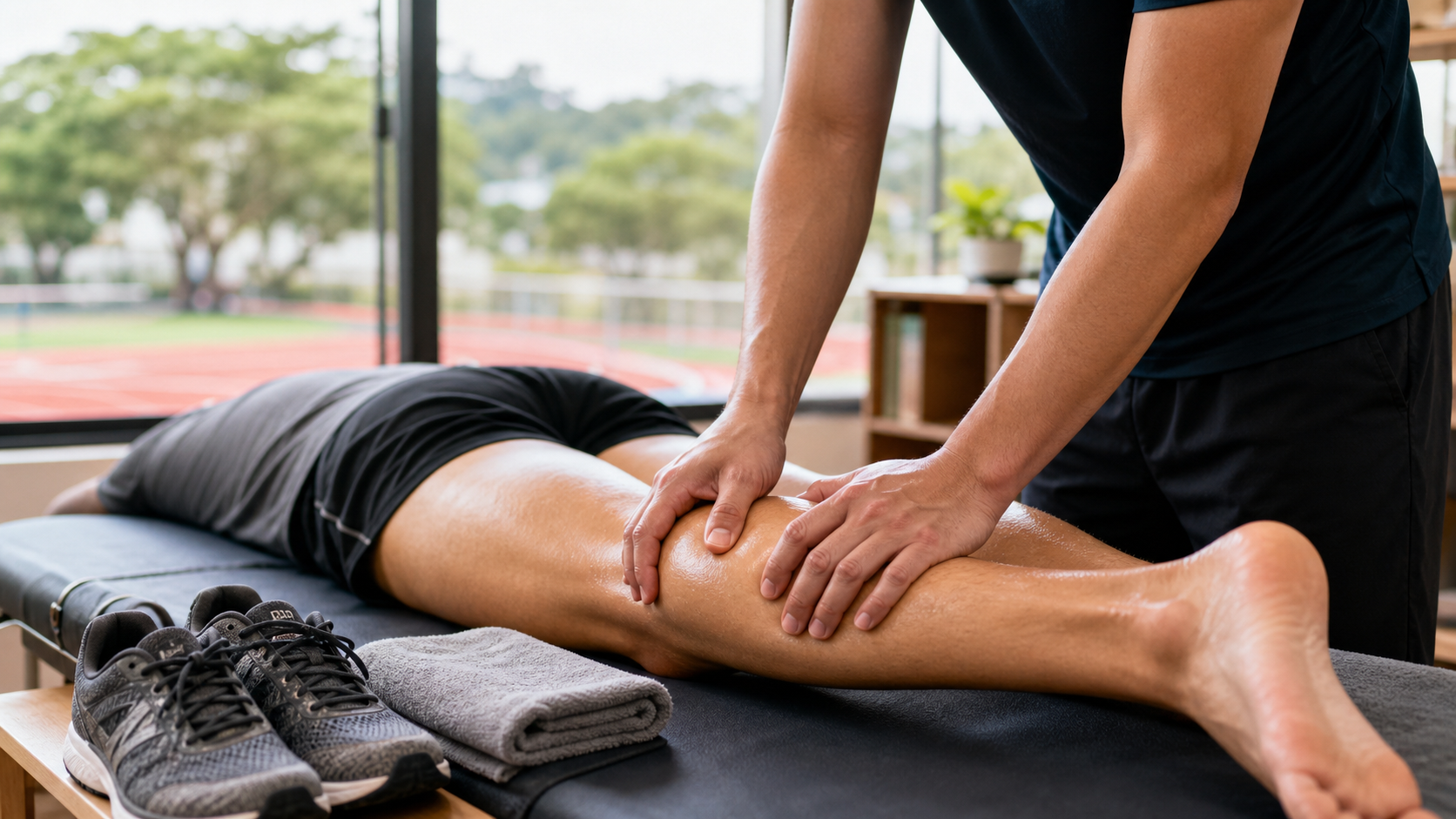
Benefits of Massage for Running Recovery: Frequency and Effectiveness of Deep Tissue Massage
Introduction
In Taiwan, getting a massage after exercise is a natural choice, but runners are often unsure whether massage has genuine scientific benefits or is just a placebo that makes you feel good. The answer is: both, but the scientifically quantifiable benefits are more concrete than many people think.
From post-race recovery for professional marathon runners to routine maintenance for weekend joggers, massage plays a unique role. Understanding the benefits of different types of massage and the optimal timing can help you get the most out of every massage investment.
The Physiological Mechanisms of Sports Massage
Mechanical Effects: Direct Tissue Impact
The physical pressure of massage has direct effects on soft tissue:
- Breaking up fascial adhesions: Repeated pressure and shear forces help break down fibrous tissue adhesions formed after training, restoring normal muscle gliding ability
- Promoting venous and lymphatic return: Directional pushing motions (toward the heart) accelerate the clearance of metabolic waste and inflammatory mediators
- Increasing local blood flow: The vasodilation effect after massage delivers more oxygenated blood to local tissues
Neural Reflex Effects
Massage’s impact on the nervous system is equally important:
- Reducing muscle tension: Stimulating sensory feedback from muscle spindles and Golgi tendon organs induces reflexive muscle relaxation
- Pain-relieving effects: Massage stimulates tactile receptors, blocking pain signals from reaching the brain via the “gate control theory”
- Parasympathetic activation: Slow, comfortable massage stimulates the parasympathetic nervous system, lowering cortisol and promoting relaxation and recovery
Biochemical Effects
A landmark study published in Science Translational Medicine in 2012 found that massage can:
- Activate mitochondrial biogenesis (PGC-1α): Increasing the energy-generating capacity of muscle cells
- Reduce inflammatory gene expression (NFκB): Decreasing the production of inflammatory mediators
- Promote genes related to muscle protein synthesis: Accelerating damage repair
Comparison of Benefits Across Different Massage Types
| Massage Type | Primary Benefits | Optimal Timing | Suitable Runner Profile |
|---|---|---|---|
| Swedish Massage | Relaxation, promotes circulation | After light training or on rest days | All runners |
| Deep Tissue Massage | Breaks up adhesions, improves mobility | 48+ hours after training | Those with chronic tightness issues |
| Sports Massage (Pre-race) | Enhances activation, reduces tightness | 12–24 hours before race | Runners participating in races |
| Sports Massage (Post-race) | Accelerates recovery, removes metabolic waste | 1–6 hours after race | Runners participating in races |
| Trigger Point Massage | Relieves specific pain points | Whenever trigger points are present | Those with localized pain issues |
Research Findings on Deep Tissue Massage
Multiple systematic reviews and randomized controlled trials provide clear evidence of benefits:
Effects on DOMS (Delayed Onset Muscle Soreness):
Deep tissue massage performed 30 to 45 minutes at 48 to 72 hours post-training reduces DOMS scores by 20 to 25%, with effects lasting through day 4 post-training.
Effects on Strength Recovery:
The massage group recovered approximately 15% faster than the control group in strength tests conducted 24 hours after training.
Effects on Long-term Flexibility:
Regular massage 1 to 2 times per week significantly improves hip and ankle range of motion after 8 weeks.
Effects on Subjective Recovery Perception:
Nearly all studies consistently show that massage significantly improves subjective recovery perception and running comfort, even when some objective indicators (such as muscle cross-sectional area) show no significant differences.
Recommended Massage Frequency
Light Training Volume (under 40 km per week):
- One 60-minute deep tissue massage every 2 to 4 weeks
- Frequency can be increased to once every 2 weeks after heavy training blocks
Moderate Training Volume (40 to 80 km per week):
- One 60 to 90-minute massage every 2 weeks
- An additional session can be scheduled around important races
High Training Volume (over 80 km per week or during race preparation):
- One light relaxation massage per week (30 minutes) + one deep tissue massage every 2 weeks
Timing Contraindications for Massage
Not all times are suitable for massage:
- Within 24 hours after high-intensity training: Deep tissue massage performed too early may exacerbate the inflammatory response
- Acute injury (first 48 hours): Massage is strictly prohibited during the acute phase of sprains or strains
- Skin infections or open wounds: Clear contraindication
- Severe varicose vein areas: Deep massage may cause damage to the vein walls
Supplementary Tools for Self-Massage
For runners who cannot regularly visit a massage therapist, the following self-massage tools can be used:
- Foam roller: For large-area rolling, suitable for daily use
- Massage ball (hard rubber ball): Targets small trigger points, such as the plantar fascia and deep gluteal muscles
- Massage gun: High-frequency vibration, suitable for quick post-race relaxation, but should avoid vibrating directly over joint areas
Conclusion
Sports massage is not a luxury—for runners seriously preparing for races, it is a highly cost-effective investment in their recovery plan. Rather than spending money on expensive supplements with only marginal benefits, consider regularly scheduling a professional sports massage instead. Your body’s gratitude will show in how easy your next training session feels.
Related Reading
- Effects of Massage on Road Running Recovery: Self-Massage vs. Professional Sports Massage Therapists
- Massage Recovery for Swimmers: Optimal Timing and Benefits of Sports Massage
- Post-Run Muscle Massage: When to Use Foam Rollers, Massage Guns, and Manual Massage
- The Complete Guide to Sports Massage and Soft Tissue Therapy: Balancing Benefits, Timing, Professional Care, and Self-Care
西進武嶺 免費訓練分析服務 Intervals | 練不夠還是練過頭?你哪一種類型選手?AI模型告訴你! | 備戰神器 | 公路車 訓練 | CT Yeh
4 年前
實景訓練台) 彰化經典百K 高強度喵團 90分鐘 跟著一起練功 2019 Indoor workout Changhua Classic 100 Taiwan
7 年前
#公路車 #Fitting 靠人工智慧APP 幫你調整單車
6 年前
大家都在開箱的...單車用藍芽對講耳機真的有幫助嗎? SENA BiKom 20 長距離旅遊 & 海鷗繞圈賽 實際體驗心得 / 公路車 / CT Yeh
9 個月前
一起升級!海鷗盃LSD團練...JJSC Zone2招待 騎到手抖 / 公路車 / CT Yeh
1 天前
CT暗黑廚房) 車友必備 宇宙無敵鮮蚵湯 幫助訓練恢復 天然食補 好市多 超肥鮮蚵 破PR
7 年前
多機位拍片神器 DJI Action 2 拍出速度張力感 | 類空拍機視角 4陣列麥克風超強降風噪 實測! | 公路車 | CT Yeh
3 年前
2018 田中馬拉松 全程健跑 VR 360 環景錄影 體驗現場狂野加油氣氛! Insta 360
7 年前