Running Backpack Buying Guide: Evaluating Capacity and Stability of Trail Running Hydration Vests
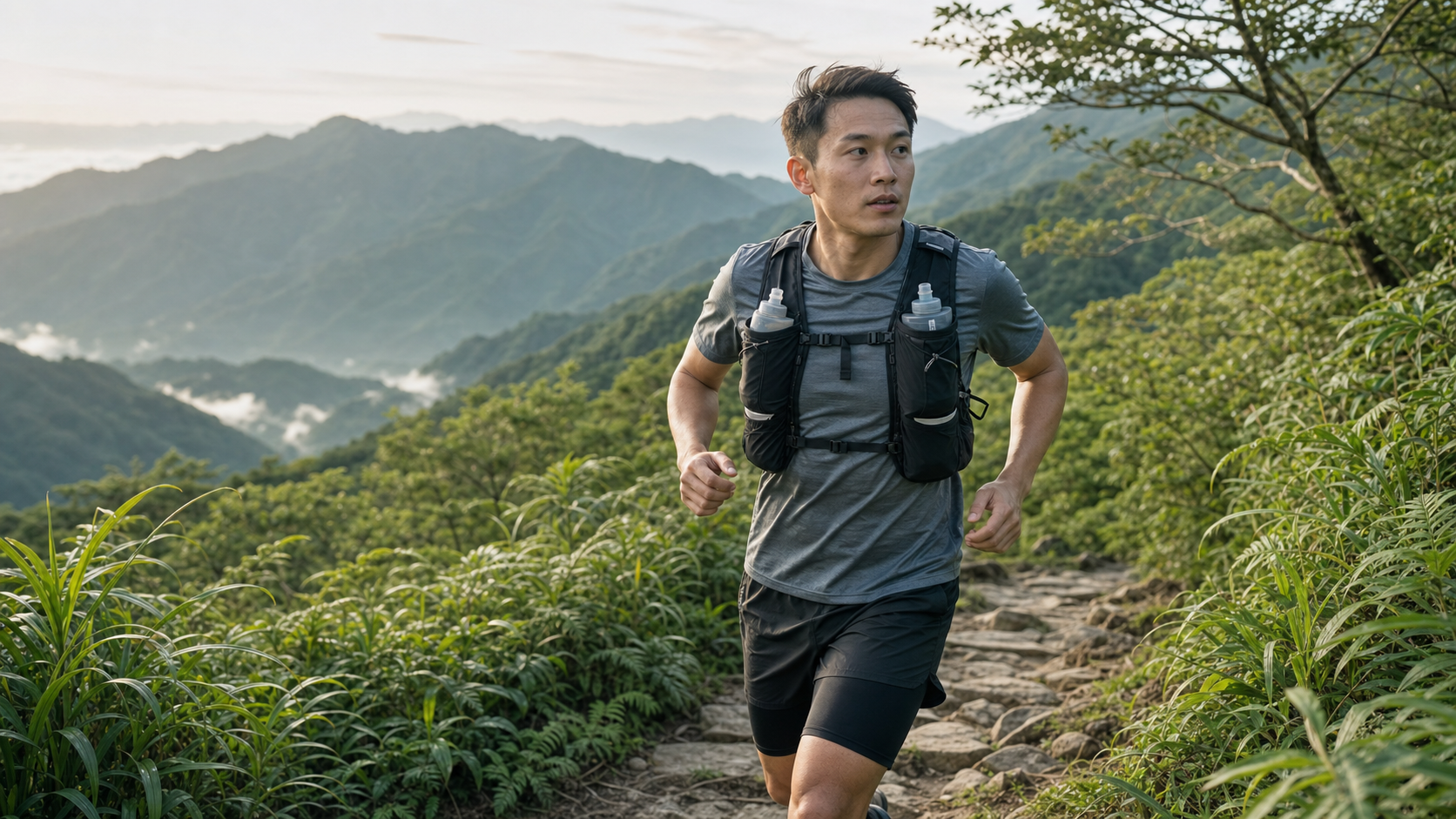
Introduction
Taiwan boasts an abundance of trail routes, from short off-road runs in Yangmingshan to high-altitude challenges on Wuling, and trail running is growing rapidly. Unlike regular road running, trail running requires carrying water, supplies, first-aid kits, and even spare clothing, making a well-structured running backpack an indispensable piece of gear.
Capacity Selection: Plan According to Activity Distance
| Activity Distance | Recommended Backpack Capacity | Main Contents |
|---|---|---|
| Within 10 km (short trail runs) | 3–6 L | Hydration bladder (1–1.5 L), energy bars, first-aid kit |
| 10–25 km (mid-distance trail runs) | 8–12 L | Hydration bladder (1.5–2 L), supplies, spare clothing |
| 25–50 km (ultramarathon distance) | 12–20 L | Hydration bladder (2 L) + soft flasks, ample supplies, insulation layer |
| Over 50 km (UTMF, etc.) | 20–30 L | Full wilderness gear, first-aid kit, mandatory equipment |
Trail races in Taiwan (such as XTERRA and Baguashan Trail Run) typically require a “mandatory gear list,” so confirm before purchasing whether the pack’s capacity meets the requirements for carrying the listed gear.
Hydration Bladder vs. Soft Flask: Each Has Its Place
- Hydration Bladder: 2 L capacity, drink through a hose without stopping during a run; the downside is that it is difficult to clean, and bacteria can build up if left uncleaned for long periods
- Soft Flask: Designed for front chest pockets, lightweight and easy to squeeze, more convenient to refill, typically 250–500 ml, requiring multiple flasks used together
- Taiwan climate recommendation: For long summer trail runs, a 2 L hydration bladder plus two 500 ml soft flasks in the front is a complete setup, preventing dehydration when aid stations are far apart
Stability Design: The Key to Preventing Backpack Sway
Backpack sway is the most common source of discomfort in trail running, and over long distances it can cause chafing on the shoulders or waist. Good stability design includes:
- Contoured Back Panel: The back panel follows the curves of the human body to avoid pressure points
- Sternum Strap: An adjustable-height sternum strap is essential gear; make sure it can secure the pack and prevent side-to-side movement
- Hip Belt Wings: Effectively distribute weight to the hips, reducing shoulder strain; especially important for capacities over 12 L
- Bungee Cord: Front bungee cords can secure a jacket or supplies that need quick access
Pocket Configuration: The Core of Refueling Efficiency
- Front chest pockets: The most important design feature; they should allow easy access to energy bars, phone, and soft flasks; stretch mesh versions are recommended
- Top Pocket: For storing small items such as cash and medical kits
- Main rear compartment: Storage area for larger items (spare clothing, rain jacket); a quick-open zipper design is recommended
- Trekking pole attachment: Trail races in Taiwan often allow trekking poles, so confirm the pack has corresponding external attachment points
Brief Brand Overview
- Salomon: The S/Lab Sense series offers a snug fit, and the front pocket design is the industry benchmark, ideal for athletes prioritizing lightweight gear
- Ultimate Direction: An American trail running brand; the Ultra Vest series offers a wide range of capacities with practical front pockets
- Osprey: The Duro/Dyna series is highly durable and available at general outdoor retailers in Taiwan
- Nathan: Offers a wide range of value-oriented models, making it a reasonable starting point for trail running beginners
Try-On Test: A Necessary Step Before Purchase
- Load the pack with weight equivalent to actual use (at least 1.5–2 kg) before trying it on; the feel of an empty pack differs greatly
- Jog or walk briskly while wearing it to confirm the pack does not sway front-to-back or press on the shoulder blades
- Confirm the front pocket openings are large enough to access your usual energy bar with one hand
Practical Tips
- Water needs are high for summer trail running in Taiwan, so err on the side of a larger hydration bladder rather than a smaller one
- Choose a pack with a removable hydration bladder design for easier cleaning and standalone use
- Light-colored or high-visibility backpacks are more visible in Taiwan’s mountains, offering better safety
- Before your first long trail race, complete at least 2–3 training runs with the new pack to confirm there are no abnormal friction points
Conclusion
The core of choosing a running backpack lies in “your movement needs”—how much water you carry, how many supplies you need, and what the race’s mandatory gear list requires. Starting from these three needs, then considering stability and pocket configuration, you can find the perfect backpack companion for trail running on Taiwan’s mountain paths.
Related Reading
- Road Running Hydration Vest Buying Guide: Capacity Planning and Harness System Comparison for Trail Ultramarathons
- Trail Running Backpacks and Hydration Bladders: 6 Key Principles for Choosing the Right Gear
- Road Running Hydration Bottle Pack Buying Guide: Long-Distance Choices Among Soft Flasks, Waist Packs, and Backpacks
- Road Running Supply Backpack Buying Guide: Capacity, Hydration Bladder, and Front Pockets for Trail Running Suitability
半日 小台灣 極限單車路線挑戰實錄
7 年前
單車 一日北高 ( 雙城 ) 肥宅雙人瘋狂行 紀錄片 REACTO
10 年前
西拉雅五庫單車挑戰 / 曾文水庫 & 南168 二寮 / 500元報名費居然這麼超值/ 公路車 / CT Yeh
10 個月前
一日北高前的高裝檢 | 北高 360 | 挑戰11小時的裝備 | 一日雙塔 | 補給
6 年前
雨戰! 西進武嶺員工旅遊 加料 各路段大數據分析 | 同事端出5公斤的公路車來挑戰!? EP1
4 年前
太平山單車員工旅遊 | 這樣玩CP值最高!| 公路車
5 年前
2019 夏季KOM 5小 完賽心得 準備攻略 東進武嶺 夏季登山王之路 Taiwan KOM Challenge
7 年前
Live) 備戰2019彰化經典百K 賽前攻略 (已完賽請看新影片
7 年前