/no_think
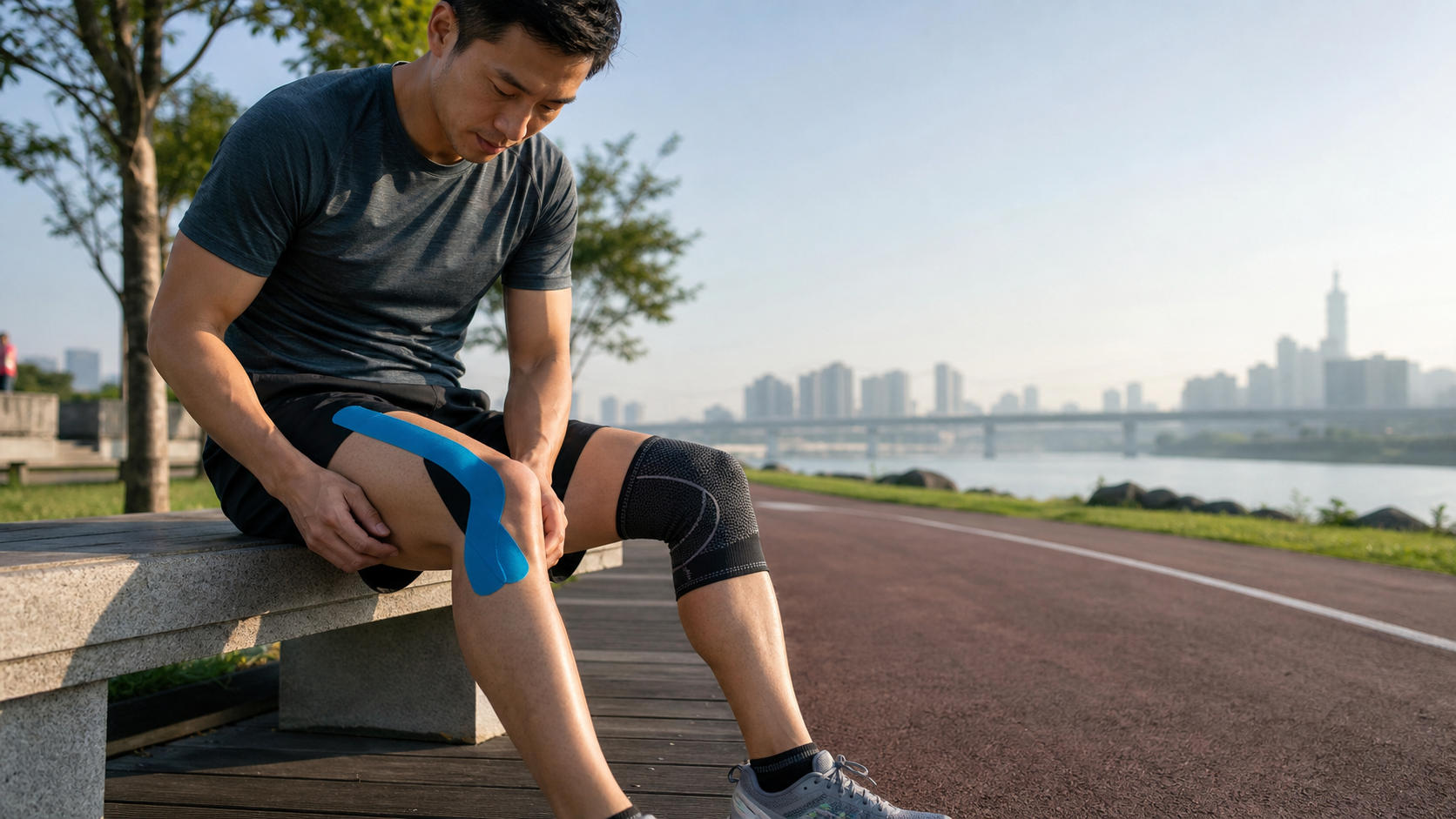
Introduction
“My knee feels uncomfortable—should I buy a knee brace?” This is a common question among runners after increasing their training volume. Knee braces can relieve symptoms and provide support, but their benefits have a clear scope of application. Before purchasing any knee brace, understanding the type of knee problem you have is a necessary prerequisite.
Comparison of Common Knee Problems in Runners
| Problem Type | Pain Location | Main Causes | Recommended Support |
|---|---|---|---|
| Iliotibial Band Syndrome (ITBS) | Outside of the knee | Rapid increase in mileage, weak gluteal muscles | IT band taping, compression band |
| Runner’s Knee (Chondromalacia Patella) | Front of the knee (below the patella) | Overuse, weak quadriceps | Patellar tendon strap, compression sleeve |
| Patellofemoral Pain Syndrome | Deep in the front of the knee | Running mechanics issues, muscle imbalance | Patellar stabilization knee brace |
| Meniscus Problems | Inner or outer side of the knee | Twisting injuries, degeneration | Lateral support knee brace (requires physician evaluation) |
Important note: Knee braces are assistive tools, not a treatment method. If knee pain persists, seek a medical diagnosis first—do not rely on a knee brace to keep running on your own.
Taping vs. Knee Sleeves: Differences in Mechanism
Kinesio Tape / Athletic Tape
- Mechanism: Uses directional tension in the tape to adjust the space between the skin and fascia, influencing proprioception and muscle activation patterns
- Indications: Adjunctive treatment for IT band syndrome and patellar tracking issues
- Advantages: Thin and lightweight without restricting movement; can achieve optimal results when applied professionally by a physical therapist
- Disadvantages: Requires a certain level of skill to apply correctly (recommend having a physical therapist demonstrate first); adhesion decreases with sweat, and its durability is limited in Taiwan’s hot climate
Knee Compression Sleeve
- Mechanism: Provides uniform compression, improving blood circulation around the knee and enhancing proprioception
- Indications: General knee discomfort, prevention of swelling after training
- Advantages: Easy to put on and take off; suitable as an aid during long runs or races
- Disadvantages: Less targeted for specific structural problems
Patellar Tendon Strap
- Mechanism: Applies localized pressure below the patella to reduce stress concentration on the tendon
- Indications: Runner’s knee (patellar cartilage issues), patellar tendinitis
- Advantages: Lightweight, targets only a specific area, good heat dissipation
- Disadvantages: Only effective for specific diagnoses; the type of injury must be confirmed before use
Material Considerations for Taiwan’s Climate
Taiwan’s summer heat makes wearing comfort a key purchasing factor for knee braces:
- Breathable mesh construction: Choose styles with large mesh ventilation designs to avoid overheating the knee joint
- Avoid full rubber padding: Pure rubber materials trap heat and may cause skin irritation with prolonged wear
- Silicone anti-slip strips: Silicone lining at the top and bottom edges of the brace prevents slipping during exercise—especially important after sweating in Taiwan’s summer
Self-Assessment Checklist Before Purchase
Before buying a knee brace, answer the following questions:
- Where exactly is the pain located (outside/inside/front/back of the knee)?
- Is it an acute injury or chronic discomfort?
- Have you consulted a physical therapist or sports medicine physician?
- Is your primary purpose “injury prevention” or “post-injury support”?
When You Should NOT Rely on a Knee Brace to Keep Running
- Persistent pain exceeding 4/10 in severity
- Visible swelling or warmth around the knee
- Pain worsens on downhill sections
- Pain that does not subside the day after running
In these situations, stop running and seek medical attention. A knee brace cannot resolve underlying structural issues.
Practical Recommendations
- For runners with IT band syndrome: prioritize gluteal strengthening exercises (clamshells, side-lying leg raises) combined with taping guided by a physical therapist—this is far more effective than simply wearing a knee brace and continuing to run
- When buying a knee brace, try it on in person to ensure it does not compress the blood vessels behind the knee
- Feeling “much better” while wearing a knee brace during training does not mean you can immediately return to your normal training volume—treat it as an aid for gradual recovery
- Remove the knee brace after each run to let the skin breathe, avoiding prolonged sealing that can cause skin problems
Conclusion
The core principle of choosing a knee brace is “match the right tool to the right problem.” Randomly buying the most expensive or seemingly most supportive option may not work for your specific issue. After understanding your injury type, use the appropriate support based on your physical therapist’s recommendations—this way, you can protect your knee without hindering your long-term recovery progress.
Related Reading
- Running Knee Braces and Kinesio Tape: A Scientific Analysis of Assistive Gear for Preventing Knee Injuries
- Knee and Ankle Braces for Road Running: When to Use Supportive Gear
- A Guide to Choosing Knee and Ankle Braces for Road Running: When to Use Preventive vs. Therapeutic Supports
- Runner’s Knee (Iliotibial Band Syndrome): A Complete Guide to Causes, Preventive Training, and Taping Techniques
一日北高常見問題大集合 | 攻略 | 路線 | 訓練 | 補給 | 自行車 單車 | 一日雙城 | 雙塔 | TWB北高360 | 屁股痛
6 年前
一日北高/長距離團騎 常見問題補充篇 / 組團或跟團的眉角 / 壯車友容易被瘦車友慢性拉爆 / 原來屁股痛可能是這個原因...? / 風場配速法 / 公路車 / CT Yeh
2 年前
#公路車 #Fitting 靠人工智慧APP 幫你調整單車
6 年前
用了AirTag 單車就不怕被偷?盲點大測試 結果… |公路車|CT Yeh
5 年前
大家都在開箱的...單車用藍芽對講耳機真的有幫助嗎? SENA BiKom 20 長距離旅遊 & 海鷗繞圈賽 實際體驗心得 / 公路車 / CT Yeh
9 個月前
一日北高前的高裝檢 | 北高 360 | 挑戰11小時的裝備 | 一日雙塔 | 補給
6 年前
訓練台體驗) 2019台北自行車展 三大家 訓練台體驗 Tacx Neo Flux 2 Xepdo Apx Wahoo Kickr
7 年前
摔車後補裝備: 好市多新款單車安全帽& Specialized Romin 北高整路屁股都不痛的坐墊 | 一千元居然有MIPS | CT Yeh | 公路車
4 年前