Bone Density Issues in Cycling Training: A Review of Research on Low-Impact Exercise and Fracture Risk
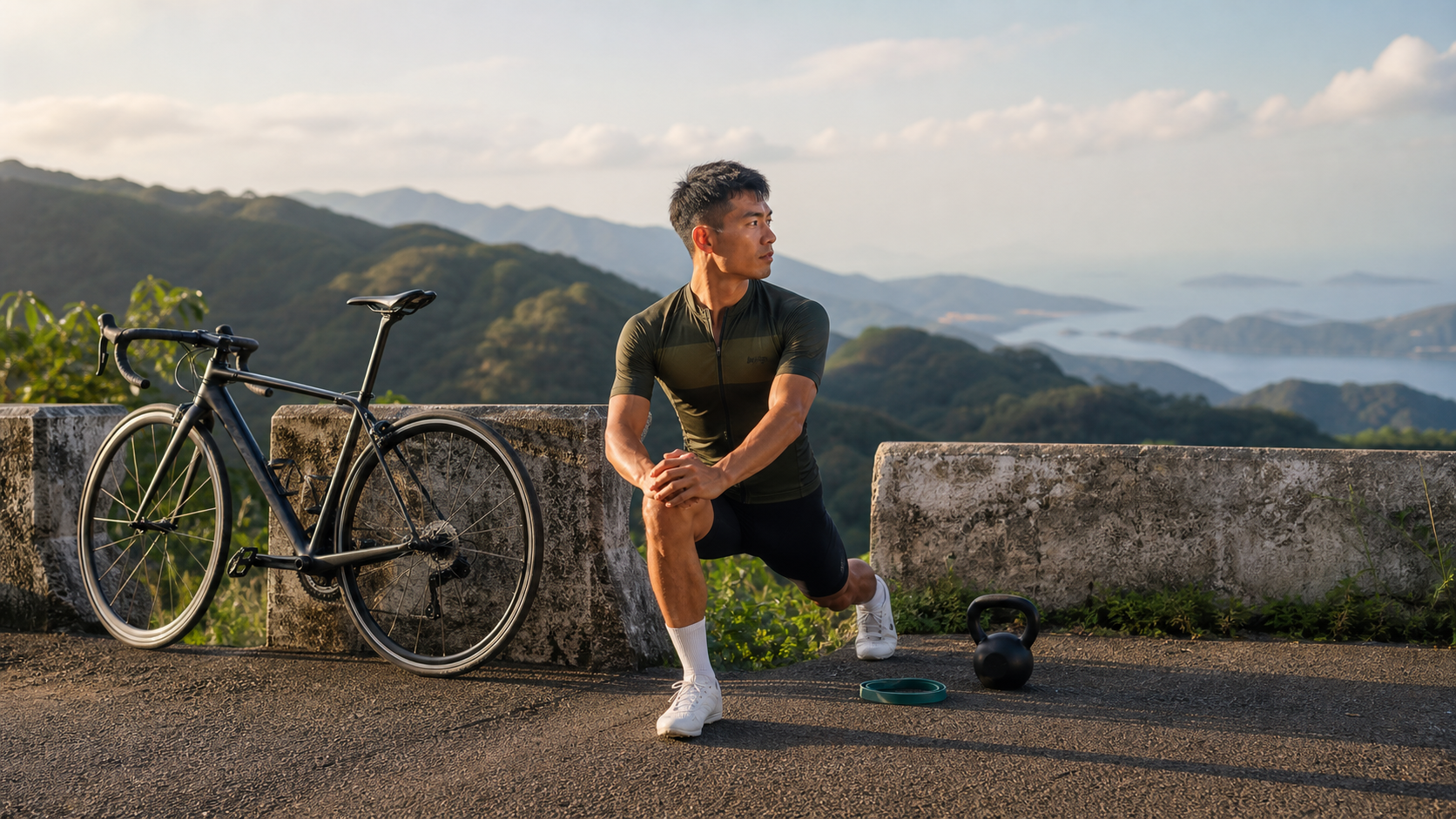
Introduction
“Isn’t cycling very healthy?” Behind this question lies a blind spot rarely discussed: cycling is an extremely low-impact sport, yet bone health precisely requires impact stimulation. Research shows that professional road cyclists often have lower bone mineral density (BMD) than age-matched athletes in other sports, and even lower than sedentary populations—a finding that surprises many.
For the large number of cyclists in Taiwan who use cycling as their primary or sole form of exercise, bone health is a long-term issue worthy of serious attention, especially given Taiwan’s unique osteoporosis epidemiological background. This article reviews relevant research, analyzes the mechanisms, and provides practical, actionable recommendations for bone protection.
The Mechanical Adaptation Principle of Bone
Bone is living tissue that undergoes continuous remodeling—osteoclasts break down old bone while osteoblasts form new bone. The key stimulus affecting bone density is mechanical loading:
- High-impact exercise (running, jump rope, basketball): each foot strike generates 3–7 times body weight in stress, strongly stimulating bone formation
- Resistance training: muscle pull exerts stress on bone, equally effective at promoting bone formation
- Cycling/swimming: body weight is supported by the saddle (cycling) or buoyancy (swimming) throughout, placing almost no impact load on bone
Key Findings from the Research Literature
Multiple large-scale studies have revealed the bone health consequences of long-term cycling-only training:
| Study Population | BMD Comparison | Key Findings |
|---|---|---|
| UCI professional road cyclists | vs. swimmers, general population | Lumbar spine BMD 10–14% lower than swimmers; significantly higher fracture rates |
| Amateur triathletes (with running training) | vs. cycling-only athletes | Runners showed significantly higher lumbar spine and femoral BMD |
| Cycling enthusiasts aged 40–65 | vs. age-matched runners | Cyclists generally had lower bone density Z-scores |
| Female road cyclists | vs. general female population | 3.5× higher risk of low bone density (in some studies) |
Key studies (Sabo et al., 1996; Nichols et al., 2003): Professional road cyclists had lumbar spine bone density approximately 10–14% lower than swimmers, with some cyclists already meeting the criteria for osteopenia.
Taiwan’s Unique Osteoporosis Risk Background
Taiwan faces a relatively severe osteoporosis problem:
- Inadequate calcium intake: Taiwan’s average daily calcium intake is approximately 600–700 mg, far below the recommended 1,000 mg for adults
- Vitamin D deficiency: Although Taiwan has abundant sunshine, widespread sun protection habits leave many people with low vitamin D; full cycling kit coverage also reduces sun exposure
- Aging trend: Osteoporosis prevalence in Taiwan is approximately 20–30% among women over 50
- Dietary habits: High sodium and high caffeine intake increase calcium loss
Taiwanese cyclists who train exclusively on the bike while neglecting bone protection measures face a long-term fracture risk that should not be underestimated.
Multi-Pronged Strategies for Bone Protection
1. Cross-Training (Running/Jump Rope/Resistance Training)
The most effective solution: Add 2–3 sessions of high-impact or weight-bearing training per week:
- Running: 2 × 20–30 minutes of easy running per week provides significant bone stress benefits (though cyclists should be mindful of running-related injury risk)
- Jump rope: 3 sessions per week of 10–15 minutes each—a simple and effective high-impact bone stimulus
- Squats, deadlifts: resistance training applies stress to bone through muscle pull without adding impact injury risk
- Plyometric lower-body exercises: box jumps, stair jumps—2 sessions per week with 50–100 impacts each
2. Optimizing Calcium and Vitamin D
| Nutrient | Daily Target | Taiwanese Food Sources | Supplementation Advice |
|---|---|---|---|
| Calcium | 1,000 mg (<50 yrs); 1,200 mg (>50 yrs) | Dried small fish, tofu, dark leafy greens | Supplement with calcium carbonate or calcium citrate if intake is insufficient |
| Vitamin D | 800–2,000 IU/day | Sunlight synthesis (primary source); salmon, egg yolks | Supplement if serum 25(OH)D < 30 ng/mL |
| Protein | 1.4–1.7 g/kg (athletes) | Legumes, eggs, fish | Adequate protein supports bone matrix formation |
3. Special Considerations for Female Cyclists
- Low Energy Availability (LEA): female cyclists with high training volume combined with dietary restriction may enter a state of Relative Energy Deficiency in Sport (RED-S), leading to decreased estrogen production → rapid bone loss
- Monitor menstrual regularity regularly (amenorrhea > 3 months is a warning sign)
- Bone density DXA scan recommendation: every 2–3 years for women over 30 with high training volume
Practical Recommendations (by Population)
Recreational cyclists who ride exclusively ( > 8 hours/week):
- Add 2 strength training sessions per week (squats, lunges, core)—10–15 minutes is sufficient
- Ensure daily calcium intake meets targets, prioritizing food sources
- Include bone density assessment in annual health check-ups (especially for those over 40)
Competitive athletes ( > 15 hours/week training):
- Integrate strength training into the periodized plan (emphasize during pre-season/transition phases)
- Include vitamin D and calcium-phosphorus ratio in pre-season blood work
- Consider intestinal calcium absorption issues (high training volume may affect gut function); consult a sports nutritionist when necessary
Conclusion
Cycling is an excellent cardiovascular exercise, but its “neglect” of bone is a genuine scientific issue, not excessive caution. If Taiwanese cyclists can add a small amount of weight-bearing or impact training each week while ensuring adequate calcium and vitamin D intake alongside their passion for riding, they can achieve both aerobic fitness and bone health—making cycling a truly comprehensive health investment rather than a future price paid to osteoporosis.
Related Reading
- Cycling and Osteoporosis: Bone Density Issues in Low-Impact Exercise and Supplementation Advice
- Cycling Bone Health: The Impact of Low-Impact Exercise on Bone Density and Supplementation Strategies
- Osteoporosis Risk in Cyclists: The Skeletal Cost of Low-Impact Exercise
- The Bone Density Crisis in Cyclists: Why Cycling-Only Athletes Need to Add Strength Training
靠單車減肥35公斤 心得分享與整理
7 年前
大家都在開箱的...單車用藍芽對講耳機真的有幫助嗎? SENA BiKom 20 長距離旅遊 & 海鷗繞圈賽 實際體驗心得 / 公路車 / CT Yeh
9 個月前
單車 一日北高 ( 雙城 ) 肥宅雙人瘋狂行 紀錄片 REACTO
10 年前
#公路車 #Fitting 靠人工智慧APP 幫你調整單車
6 年前
單車 重低音 藍芽喇叭 音質實測 SoundBot SB525 Real Sound Test
8 年前
風櫃嘴 | 全台最多大砲的單車路線 | 尋寶網攝影師告訴你怎麼擺拍起來才好看 | 熱門攝影地點巡禮
6 年前
「悲情男車友」創作單曲 爆笑MV / 公路車 / CT Yeh / 4K劇情版
7 個月前
2026 車錶排行榜!誰是最多車友正在使用?練家子最愛哪款?🏆 (2萬名車友數據) / 公路車 / CT Yeh
5 個月前