Introduction
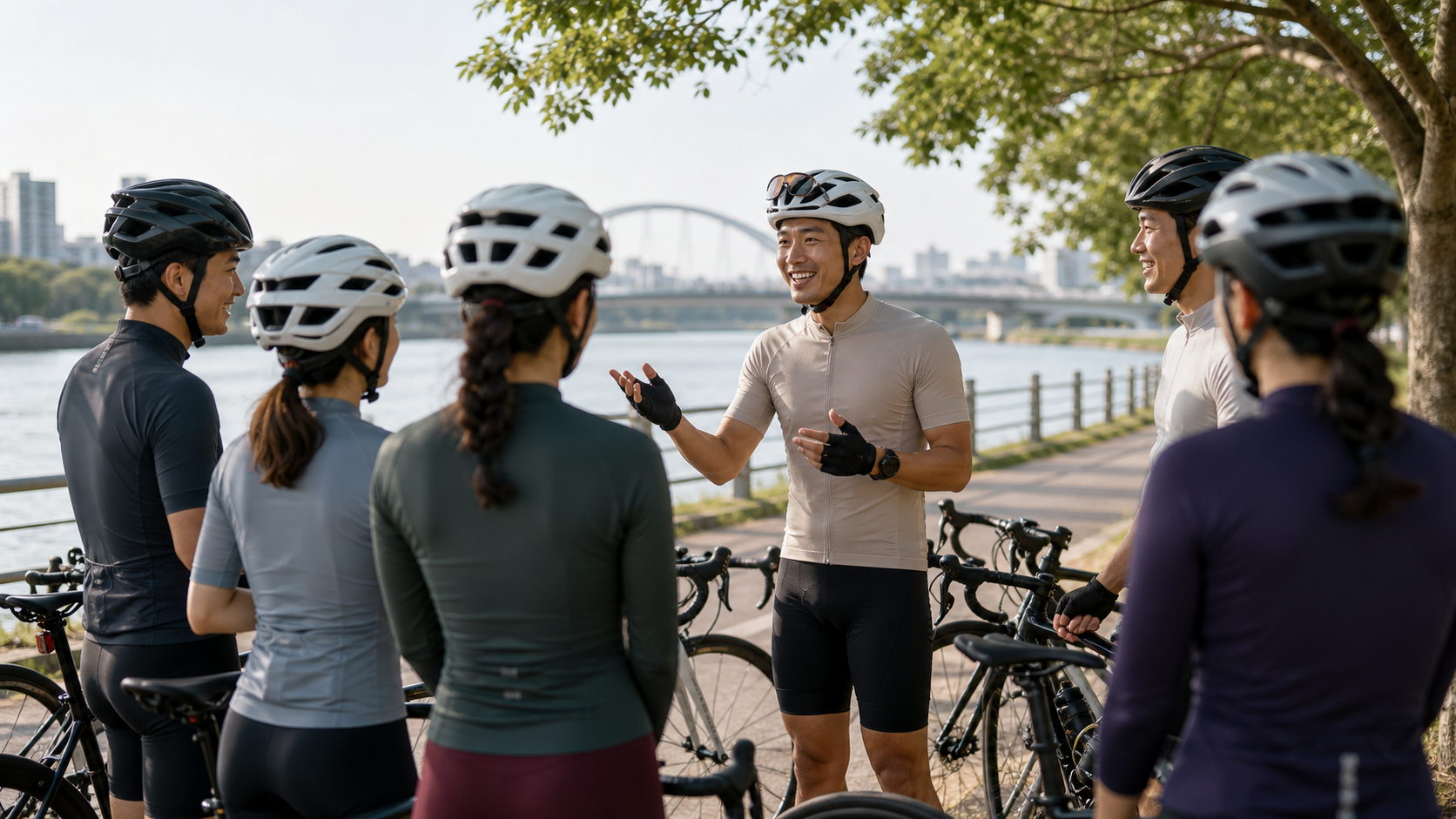
Cycling is a sport that can be enjoyed in solitude or in a crowd. Many people start riding alone, only to quietly quit a few months later—usually not because of a lack of fitness, but because of a lack of companionship and a sense of purpose. Studies show that exercise habits supported by a community have a long-term retention rate over 60% higher than exercising alone.
In Taiwan, cycling communities come in many forms: from formal teams with hundreds of members to small groups of four who ride together every week, from online challenge communities on Strava to weekend rides organized by local bike shops. People with different needs can all find a format that suits them.
Types of Cycling Communities in Taiwan
| Community Type | Characteristics | Best For | How to Join |
|---|---|---|---|
| Formal Teams | Unified kit, race participation, structured training | Serious racers | Pass a trial ride assessment |
| Shop Communities | Led by the shop owner, join by purchasing a bike | Beginner-friendly | Ask the bike shop directly |
| Facebook Groups | Loose organization, occasional group rides | Flexible riders | Request to join |
| Strava Communities | Online data challenges | Data enthusiasts, self-challengers | Join the Club |
| Coffee Ride Groups | Social-first, coffee culture | Leisure riders | Via café information |
The Nuances of Joining an Existing Team
The most common mistake when joining an established team is being “too shy to ask.” In reality, most teams welcome new members—the key is finding the right entry point:
How to Find the Right Team
- Start at a bike shop: Most regional teams in Taiwan have partnerships with specific bike shops. Asking your usual shop, “Do you have any regular group rides here?” is the best starting point.
- Search landmarks on Instagram: Search for mountain or road names near your home, see which teams check in there, and leave a comment asking how to join.
- Follow strong riders’ Clubs on Strava: If you admire a rider’s training routes and intensity, the Club they belong to might be exactly the community you need.
Preparation Before a Trial Ride
- Understand the team’s average pace: 22–26 km/h is a beginner social ride, 28–32 km/h requires a certain foundation, and anything above 35 km/h—make sure you actually have the strength for it.
- Show up on time: Teams in Taiwan are usually very punctual about departure times; arrive 5 minutes late and they may have already left.
- Don’t try to take the front on your first ride: Letting experienced riders see your cooperation and safe riding habits matters more than showing off your speed.
Starting a Small Community from Scratch
If you can’t find a community that fits your needs, or you want a smaller circle with a stronger sense of belonging, starting your own is a great option. Creating a small riding group of 5–15 people is actually much simpler than you think.
Step One: Define the Core Identity of the Community
Before inviting anyone, ask yourself:
- What is the purpose of the rides? (Leisure, training, route exploration, socializing?)
- Is the ride time fixed? (Every Saturday at 7 AM? Flexible?)
- What is the pace range? (This is one of the factors that most affects group cohesion.)
Step Two: Find the Initial Core Members
The hardest part of any community is going from 0 to 3 people. You can start with:
- Friends you already have who are into cycling
- Neighbors or coworkers you quietly ask
- Strangers you meet on regular routes: “Hi, we have a small group that rides every Saturday—interested?” I’ve tried this line a few times, and the acceptance rate is surprisingly high.
Step Three: Establish Simple Guidelines
A group doesn’t need complicated rules, but a few basic ones can greatly reduce friction down the road:
- No-drop policy (never leave anyone behind) or clearly state “this is a race-paced group; if you fall off the pace, find your own way home”
- Attendance notification rule: confirm attendance by 10 PM the night before so the ride leader can plan
- Safety baseline: helmets are mandatory—this is not up for discussion
Long-Term Strategies for Keeping the Community Alive
- Set regular small goals: Seasonal climbing challenges, century rides, cross-county trips—keep the community feeling fresh.
- Build a culture of documentation: Share a few photos and route screenshots in the group after every ride, so those who didn’t come still feel involved and look forward to the next one.
- Accept turnover: People coming and going is normal. Don’t force everyone to stay active long-term. Keeping your core members is more important than chasing numbers.
Conclusion
Taiwan’s cycling community culture has a unique warmth to it—without the intense racing pressure of Europe and America, and without Japan’s highly formal rules. It’s casual, direct, and full of Taiwanese hospitality. Whether you join an existing team or build your own small circle from scratch, that regular weekly ride will eventually become one of the parts of your life you’d hate to give up.
Related Reading
車隊介紹) 台北 一年開團365天 車隊 Apollo Ride 晨騎 好選擇 ( 陽明山 風櫃嘴 冷水坑 平等里 聖人 關渡 大稻埕 ) 找人騎車
7 年前
靠單車減肥35公斤 心得分享與整理
7 年前
「悲情男車友」創作單曲 爆笑MV / 公路車 / CT Yeh / 4K劇情版
7 個月前
4K 東眼山 x 水蜜桃冰沙 百人單車約騎! 操完再吃冰 多爽快
7 年前
單車 一日北高 ( 雙城 ) 肥宅雙人瘋狂行 紀錄片 REACTO
10 年前
太平山單車員工旅遊 | 這樣玩CP值最高!| 公路車
5 年前
藤枝二集團 單車行 Day1 | 南部小武嶺 | 爬坡爬到罵罵叫 | JJSC | 公路車 | CT Yeh
3 年前
4K單車實境) 嘉義 梅山36灣 訓練台 爬坡 輕鬆騎
6 年前