Introduction
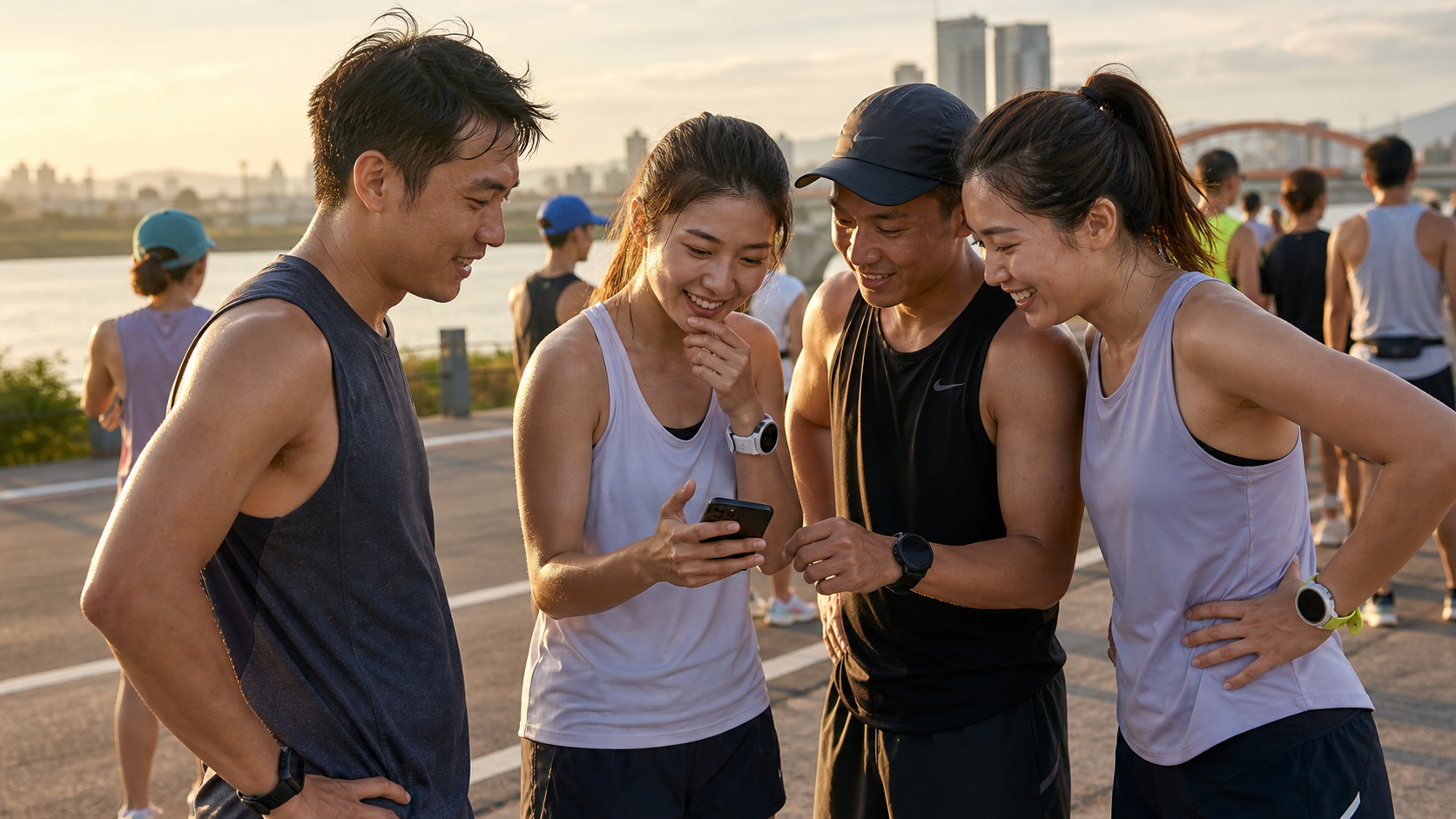
After finishing a grueling long run, before even taking off their running shoes, what’s the first thing many people do? Pick up their phone, check the data on Strava, then screenshot it and post it to their Instagram Stories. This scene has become an inseparable part of modern runners’ daily lives—not out of vanity, but as a way to commemorate and share their efforts.
Social media has changed running culture. Strava connects runners worldwide, Instagram aestheticizes running, and LINE groups keep Taiwanese running crews connected in their daily lives. These platforms are both a source of motivation for running and, at times, a breeding ground for comparison and anxiety. How to be a healthy community runner in the digital age is worth serious discussion.
The Main Social Platforms of Taiwanese Runners
| Platform | Primary Use | Taiwanese Runner Usage Patterns | Special Features |
|---|---|---|---|
| Strava | Training log + Community | Auto-upload after every run, tracking running buddies | Segments KOM, Club groups |
| Running aesthetics showcase | Race check-ins, scenery sharing, finish photos | Reels, Stories | |
| Running crew community management | Race group sign-ups, registration info sharing | Events feature, group management | |
| LINE | Daily coordination | Crew meetups, instant messaging | Group polls, calendar sharing |
| YouTube | Training tutorials | Watching pace training, gear unboxing videos | Subscribing to Taiwanese running channels |
Strava Culture: The Digital Racecourse for Runners
Strava has extremely high penetration among Taiwanese runners. It’s not just a logging tool—it’s a community ecosystem full of competitive culture:
KOM (King of Mountain) Culture: Strava Segments let runners compete for rankings on real-world routes. Famous segments like the Xiangshan hiking trail in Taipei and the Zhuzihu section of Yangmingshan have fierce KOM competition, with some runners sprinting in the early morning hours when no one else is around to grab top spots.
Give Kudos Culture: Strava’s “Kudos” (applause) button has established positive interaction among runners. Waking up in the morning to see a dozen kudos on a run posted the night before is a warm feeling that starts many runners’ days.
Annual Challenges: Strava’s annual mileage challenges (like “Run 1,000 km”) are yearly goals for Taiwanese runners. The phenomenon of sprinting to make up mileage in the final days of December plays out every year.
Club Community Features: Many Taiwanese running crews have established Clubs on Strava. Weekly mileage rankings give members healthy competitive motivation and strengthen crew cohesion.
The Running Aesthetics of Instagram
Taiwanese runners have developed a unique visual culture on Instagram:
The Finish Photo Ritual: After finishing a marathon, a photo wearing the race bib and holding the medal is practically a standard check-in for Taiwanese runners. Camera angles, facial expressions, and backgrounds (the finish arch) all follow their own aesthetic logic.
Running Scenery Sharing: Morning or evening running routes often feature stunning views. Taiwan’s skylines, mountain views, and ocean views add visual value to running on Instagram.
Gear Showcases: New running shoe unboxings and heart rate monitor unboxings are staple content types. Taiwanese runners’ passion for gear research is on full display in the community.
- Popular running hashtags: #TaiwanRoadRunning, #Marathon, #RunningDaily, #RoadRunning
- After the annual Taipei Marathon, posts with related hashtags can exceed 100,000
- “Post-run food check-ins” are another popular subculture
The Double-Edged Sword of Social Media
Social running culture brings motivation, but it also brings potential psychological pressure:
Positive Effects:
- Sharing running routines builds accountability, making it harder to slack off
- Gaining inspiration and motivation from running buddies’ training updates
- Congratulations on finish posts make your efforts visible
Traps to Watch Out For:
- Comparison Anxiety: Seeing running buddies’ faster paces or longer mileage can easily trigger unnecessary self-doubt
- Running for the Photo: Deliberately choosing “photogenic” routes or time slots rather than the best choices for training
- Overexposing Training Details: Publicly sharing detailed training plans may subject you to unnecessary public expectations before a race
- Number Dependency: Caring too much about kudos counts and follower numbers lets external validation drive training motivation
Practical Advice: Runner Guidelines for Healthy Social Media Use
- Set “Mute Days”: Schedule 1–2 days per week to not check running communities, letting training motivation return to your own feelings
- Run First, Take Photos Later: The satisfaction of completing a workout comes first; sharing is secondary
- Only Compare with Yesterday’s You: Strava rankings and others’ paces are just references—your running journey is only about yourself
- Use Strava Segments Strategically: KOM challenges are fun, but don’t let them distort your training plan
- Share the Process, Not Just the Results: Document hard training days and injury recovery periods—these “imperfect” shares often resonate more than finish photos
Conclusion
Social media is an amplifier for running culture—it lets more people see your efforts and connects the running community across geographical boundaries. But the essence of running will always be in your feet, not on a phone screen. When you learn to use social media to fuel your running rather than hijack it, the digital world and life on the road can coexist harmoniously. Before you post, ask yourself: this run today—what are you running for?
Related Reading
- Taiwanese Road Running Community Culture: The Evolution from Facebook Running Crews to Strava Clubs
- Road Running Check-in Culture: Aesthetic Composition Tips for Instagram Running Photos
- Complete Guide to Strava Road Running Features: Segment Timing, Training Logs, and Community Interaction
- The Social Comparison Trap: Mental Health Boundaries in Instagram Runner Culture
2018 田中馬拉松 全程健跑 VR 360 環景錄影 體驗現場狂野加油氣氛! Insta 360
7 年前
元宇宙運動 ! RouvyAR 虛擬實境約騎! 台灣路段開箱 帶你日月潭環潭一圈 | 團騎競賽參加教學 | 常見小問題整理 三人共享一年不用一千 | 公路車 | 訓練台 | CTYeh
5 年前
下次拍照前要查清楚啦🤣 #cycling
7 個月前
2019 柯P 超越北高 第一集團實錄 (11小時實錄請參考另一部影片) 一日雙城 一日北高 NeverStop Taiwan Long Distance Cycling Challenge
7 年前
Live) 備戰2019彰化經典百K 賽前攻略 (已完賽請看新影片
7 年前
2026 車錶排行榜!誰是最多車友正在使用?練家子最愛哪款?🏆 (2萬名車友數據) / 公路車 / CT Yeh
5 個月前
Rouvy 元宇宙運動世界! 用VR 騎遍全台灣單車路線 武嶺 中社路 風櫃嘴
5 年前
新屋團體繞圈賽 | 眾多菁英好手賽道奔馳 | 千瓦女子軍團 | 無敵交管狂獲好評 明年你一定不能錯過 | #公路車
5 年前