The Complete Nutrition Guide for Vegan Cyclists: Plant-Based Diets Can Also Deliver Top Performance
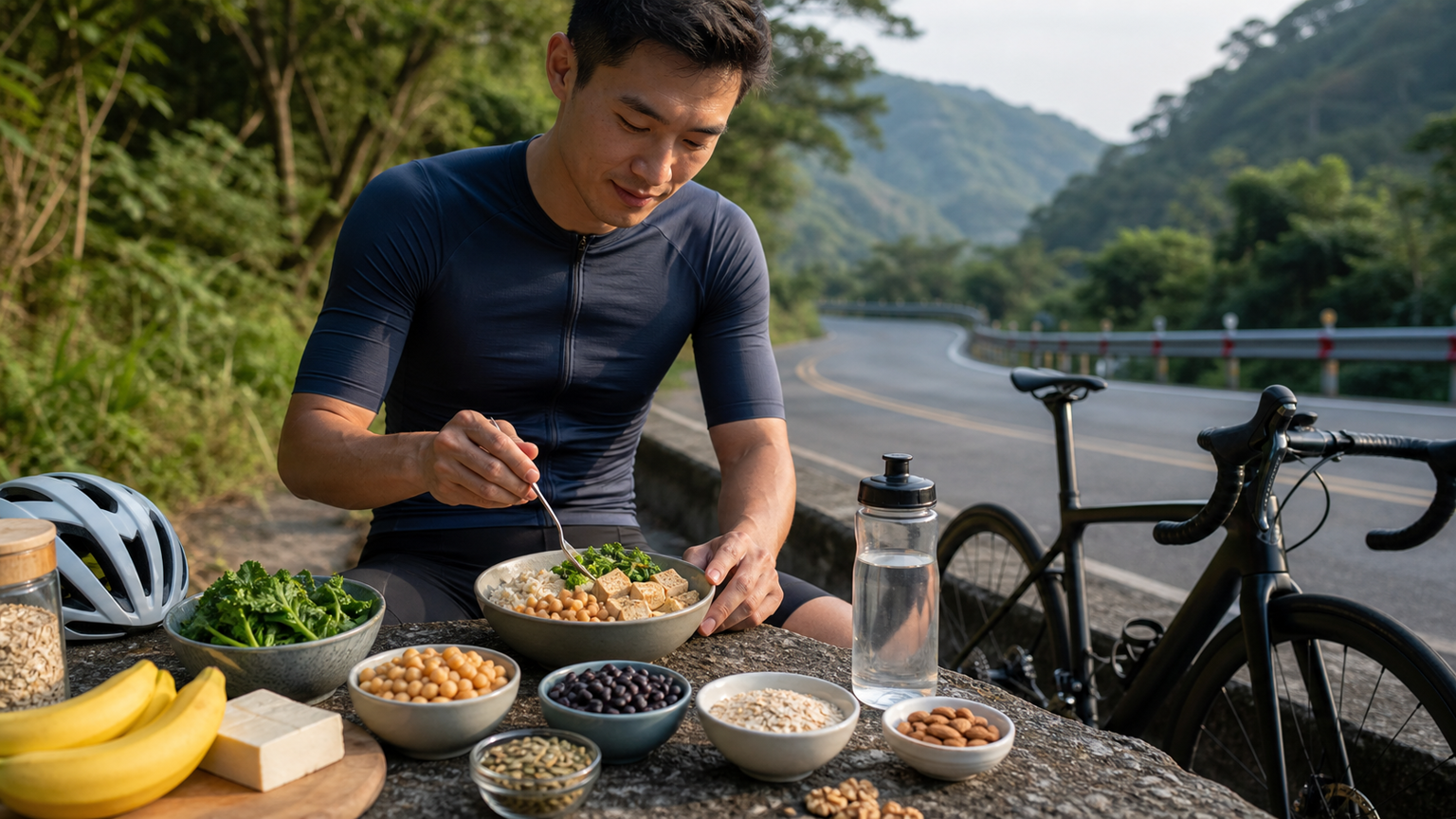
The Complete Nutrition Guide for Vegan Cyclists: How a Plant-Based Diet Can Deliver Top Performance
From tennis legend Novak Djokovic to ultramarathon icon Scott Jurek, more and more elite athletes are proving that a plant-based diet and high-level athletic performance can go hand in hand. For cyclists, a vegetarian diet is not only feasible—it may also offer unique health and recovery advantages. But there’s a catch: you have to eat smart.
Types of Vegetarian Diets
Before we dive in, let’s clarify the different types of vegetarian diets:
| Type | Definition | Nutritional Planning Difficulty |
|---|---|---|
| Lacto-ovo vegetarian | No meat or fish, but includes eggs and dairy | Easier |
| Lacto vegetarian | No meat, fish, or eggs, but includes dairy | Moderate |
| Ovo vegetarian | No meat, fish, or dairy, but includes eggs | Moderate |
| Vegan | No animal products of any kind | Requires the most planning |
Lacto-ovo vegetarianism makes it relatively easy to meet nutritional needs. This article will focus specifically on the challenges and solutions of a vegan diet, because cyclists following a lacto-ovo vegetarian diet will find planning even easier once they master these principles.
Protein: The Biggest Challenge and Its Solutions
Two Major Limitations of Plant Protein
- Incomplete amino acid profile: Most plant proteins lack one or more essential amino acids
- Lower digestibility: The digestion and absorption rate of plant protein is typically 10–20% lower than that of animal protein
DIAAS Score (Digestible Indispensable Amino Acid Score)
| Protein Source | DIAAS Score | Limiting Amino Acid |
|---|---|---|
| Whey protein | 1.09 | None |
| Egg | 1.13 | None |
| Soy protein | 0.90 | Methionine |
| Pea protein | 0.82 | Methionine |
| Rice protein | 0.60 | Lysine |
| Wheat protein | 0.45 | Lysine |
Protein Complementarity Strategies
Different plant proteins have different limiting amino acids, and combining them can create a complementary effect:
Classic complementary combinations:
-
Grains + Legumes (the most important combination)
- Rice + red beans/black beans
- Whole wheat bread + peanut butter
- Corn tortillas + bean paste
-
Grains + Nuts/Seeds
- Oats + almonds
- Noodles + tahini
-
Legumes + Nuts/Seeds
- Hummus + tahini (Middle Eastern hummus is exactly this combination)
Key insight: Complementarity doesn’t need to happen within the same meal—simply consuming a variety of plant proteins throughout the same day is sufficient.
Daily Protein Recommendations for Vegetarian Cyclists
Because plant protein has lower digestibility, it’s recommended to increase the general athlete recommendation by 10–20%:
- General training period: 1.4–1.8 g per kg of body weight
- High-intensity/cutting period: 1.8–2.4 g per kg of body weight
High-Protein Plant Foods List
| Food | Protein per Serving | Carbs per Serving | Notes |
|---|---|---|---|
| Firm tofu (150g) | 18g | 3g | Most versatile ingredient |
| Tempeh (100g) | 19g | 9g | Fermented soy, high nutrient density |
| Edamame (100g) | 11g | 8g | Complete protein source |
| Red lentils (cooked, 200g) | 18g | 40g | Champion in both carbs and protein |
| Chickpeas (cooked, 200g) | 15g | 45g | Versatile legume |
| Pea protein powder (30g) | 24g | 1g | Convenient supplement option |
| Peanut butter (2 tbsp) | 8g | 6g | High calorie, good for gaining weight |
| Chia seeds (30g) | 5g | 12g | Rich in Omega-3 |
| Quinoa (cooked, 200g) | 9g | 39g | Grain with complete protein |
| Nutritional yeast (15g) | 8g | 3g | Rich in B vitamins |
Key Micronutrients
Vegetarian diets are prone to deficiencies in the following nutrients and require special attention:
Vitamin B12 (The Most Critical)
- The issue: B12 exists almost exclusively in animal foods
- Consequences of deficiency: Anemia, nerve damage, fatigue
- Solution: Supplementation is mandatory. Take 250–500 mcg of B12 daily, or 2,500 mcg once a week
- Fortified foods: Some plant milks and nutritional yeast contain added B12
Iron
- The issue: Non-heme iron in plants has an absorption rate of only 2–20%, far lower than the 15–35% of heme iron from animal sources
- Why it matters: Iron is central to red blood cells’ oxygen transport, which is critical for endurance performance
- Strategies to boost absorption:
- Consume with vitamin C (lemon juice, tomatoes, bell peppers)
- Avoid consuming with tea or coffee (tannins inhibit iron absorption)
- Cook with cast iron cookware
- High-iron plant foods: Dark leafy greens, lentils, tofu, pumpkin seeds, dark chocolate
- Recommendation: Get serum ferritin tested regularly and supplement if necessary
Omega-3 Fatty Acids
- The issue: The conversion of plant-based ALA to EPA/DHA is only 5–10% efficient
- Why it matters: Anti-inflammatory effects, cardiovascular health, joint protection
- Solutions:
- Consume flaxseeds, chia seeds, and walnuts daily (providing ALA)
- Supplement with algae-derived DHA/EPA (250–500 mg daily)
Calcium
- Key concern: Vegan diets without dairy may fall short on calcium intake
- Plant calcium sources: Fortified plant milks, firm tofu (coagulated with calcium sulfate), sesame seeds, dark leafy greens
- Daily target: 1,000–1,200 mg
Zinc
- The issue: Phytates in plants reduce zinc absorption
- Solutions: Fermented foods (tempeh, miso) reduce phytate levels; soak/sprout grains and legumes
- High-zinc foods: Pumpkin seeds, cashews, chickpeas, oats
Vitamin D
- The issue: Limited vegetarian sources; despite Taiwan’s abundant sunshine, many people are still deficient
- Recommendation: Supplement 1,000–2,000 IU of vitamin D3 daily (vegan version derived from lichen)
Sample One-Day Vegan Cyclist Meal Plan
Here’s a training-day meal plan for a 70 kg cyclist:
Breakfast (7:00)
- Oatmeal (80g oats + 300ml fortified soy milk + 1 tbsp peanut butter + sliced banana + blueberries)
- Protein ~22g | Carbs ~85g
Pre-training snack (9:00)
- 2 slices of toast + 1 banana
- Protein ~6g | Carbs ~55g
During training (10:00–12:30)
- Sports drink + energy gels
Post-training recovery (12:45)
- Pea protein powder + soy milk + mango smoothie
- Protein ~30g | Carbs ~45g
Lunch (13:30)
- Tempeh vegetable fried rice (100g tempeh + white rice + assorted vegetables + soy sauce)
- Miso soup (tofu + seaweed)
- Protein ~30g | Carbs ~80g
Afternoon snack (16:00)
- Hummus + whole wheat pita + carrot sticks
- Protein ~12g | Carbs ~40g
Dinner (19:00)
- Red lentil curry + quinoa rice
- Chilled edamame salad
- Protein ~32g | Carbs ~85g
Evening snack (21:00)
- 300ml soy milk + a handful of nuts
- Protein ~12g
Daily total: Protein ~144g (2.1g/kg) | Carbs ~390g (5.6g/kg)
Daily supplements: B12 500mcg, algae DHA 500mg, vitamin D 2000IU
Additional Advantages of a Vegetarian Diet
Antioxidants and Anti-Inflammation
Plant-based diets are naturally rich in antioxidants (polyphenols, flavonoids, vitamins C/E), which help:
- Reduce training-induced oxidative stress
- Accelerate inflammation resolution and recovery
- Lower the risk of chronic diseases
Meeting Carbohydrate Targets Is Easier
Plant foods are generally rich in carbohydrates (grains, legumes, fruits). For endurance athletes who need a high-carb diet, a vegetarian diet actually makes it easier to hit daily carbohydrate goals.
Gut Health
A high-fiber plant-based diet supports gut microbiome diversity, and a healthy gut microbiota is linked to improved immune function, nutrient absorption, and overall health.
Common Challenges and How to Handle Them
Challenge 1: Limited Options When Dining Out
Strategy: Check restaurant menus in advance, carry energy bars and nuts with you, and learn to combine existing menu items (e.g., rice + stir-fried tofu + blanched greens).
Challenge 2: Group Meals After Team Rides
Strategy: Most restaurants have vegetable options; proactively suggest vegetarian-friendly restaurants; there’s no need to apologize for your dietary choices.
Challenge 3: Training Camps or Race Periods
Strategy: Bring your own key supplies (protein powder, nuts, energy bars) and notify organizers of your dietary needs in advance.
Summary
The key to success as a vegetarian cyclist lies in planning. Understand potential nutritional gaps, learn protein complementarity, supplement B12 and Omega-3 regularly, and keep your diet diverse. A plant-based diet won’t limit your athletic performance—as long as you’re willing to invest time in learning and planning. Remember: the best diet isn’t the most extreme one; it’s the one you can sustain long-term, that makes you feel good, and that supports your training needs.
Related Reading
- Nutrition Guide for Vegetarian Cyclists: How a Plant-Based Diet Can Deliver Top Performance
- Dietary Strategies for Vegetarian Cyclists: Complete Nutritional Supplementation on a Plant-Based Diet
- Vegetarian and Vegan Riders: How to Ensure Complete Nutrient Intake
- Dietary Strategies for Vegetarian Runners: A Complete Plant-Based Protein Supplementation Plan
靠單車減肥35公斤 心得分享與整理
7 年前
CT 喇低賽) 單車 比賽總是沒照片? 攝影師的觀點大公開 姿勢就是力量! 請加速1.25倍收看
7 年前
CT暗黑廚房) 車友必備 宇宙無敵鮮蚵湯 幫助訓練恢復 天然食補 好市多 超肥鮮蚵 破PR
7 年前
高雄綠園道鐵路自行車道 / 外地人能輕鬆駕馭 還是整路崩潰? / 2025 全線開通 春節實地探索一次!(附GPS連結)/ 公路車 / CT Yeh
1 年前
一日北高常見問題大集合 | 攻略 | 路線 | 訓練 | 補給 | 自行車 單車 | 一日雙城 | 雙塔 | TWB北高360 | 屁股痛
6 年前
太平山單車員工旅遊 | 這樣玩CP值最高!| 公路車
5 年前
#公路車 #Fitting 靠人工智慧APP 幫你調整單車
6 年前
2025 自行車錶排行榜 兩萬車友大數據 / Garmin Bryton 排名會大洗牌嗎? / 全新的碼表前身分析 /公路車 / CT Yeh
1 年前