The Training Science of Fat as Fuel: How to Train for Fat Adaptation and What Low-Carb Training Really Costs
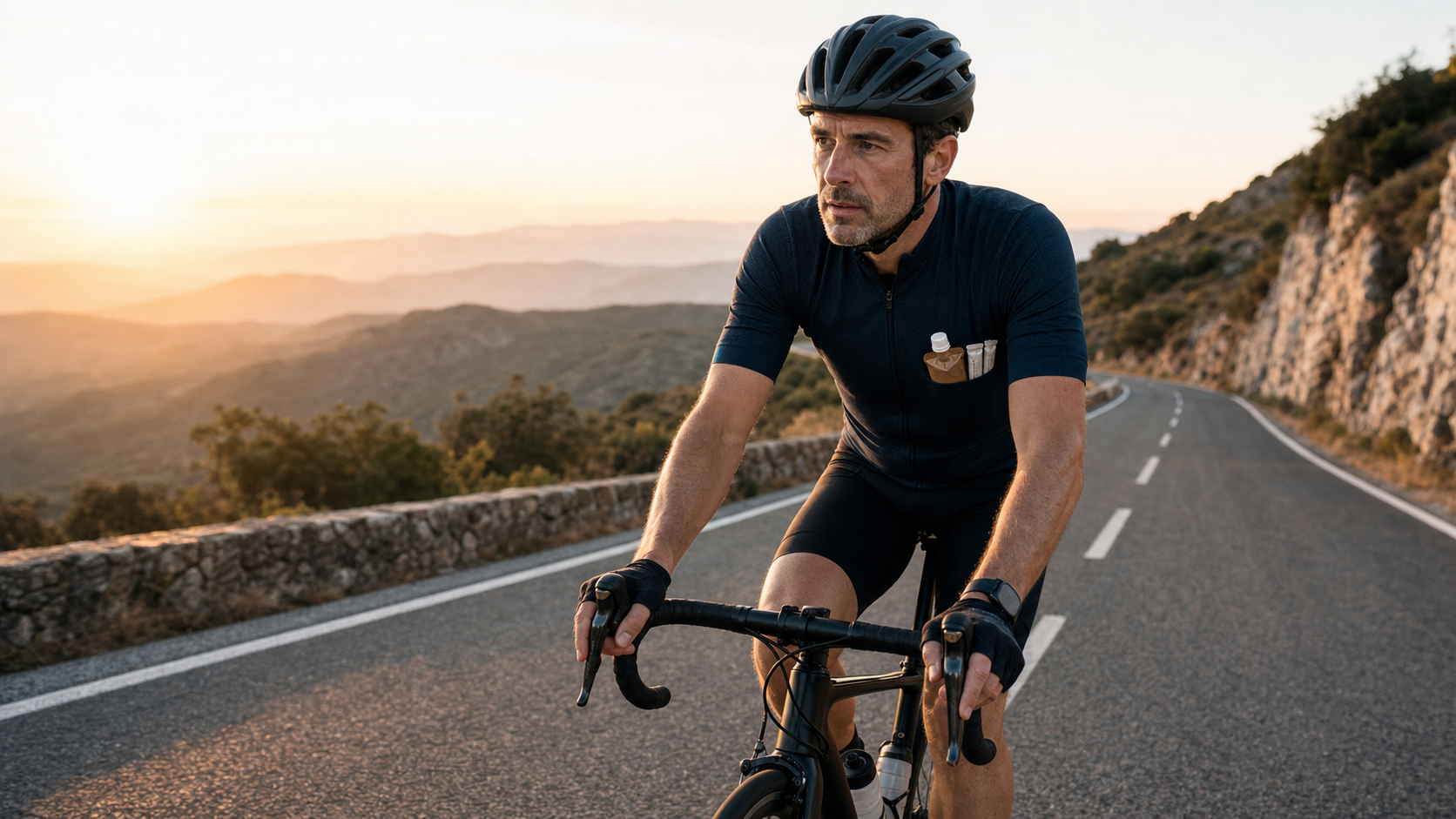
Starting with a Student Who “Ate Less but Rode Weaker”
A few years ago, I coached a very dedicated middle-aged cyclist—let’s call him Old Chen. After watching a bunch of foreign videos, Old Chen became convinced that “carbs are the enemy.” He cut out his breakfast sweet potatoes and rice balls entirely, and stopped carrying any food on weekend long rides, determined to force his body to “learn to burn fat.” For the first two weeks, he was thrilled—he dropped two kilograms. But starting in week three, every time he rode with the group up Guanyin Mountain, he began falling off the pace on climbs he used to hold, and when he pushed up the final steep switchback, his legs just “died.” His heart rate wasn’t even that high, but his body went limp. He came to me and asked: “Coach, aren’t I training fat metabolism? Why am I getting weaker instead?”
This question is the one I’ve encountered most often in over a decade of coaching, and it’s also the topic most easily distorted by online information. Fat metabolism and fat adaptation are among the most valuable—yet most easily misused—areas of endurance sports science. Used correctly, your long rides become easier, you need fewer supplies, and the wall comes later. Used incorrectly, you end up like Old Chen: trading away your high-intensity capacity for the illusion of “working hard.”
In this article, I want to lay this out clearly in one go: how fat gets burned as fuel, what fat adaptation actually means, what low-carb training really accomplishes, what price you pay for it, and most importantly—what someone at your level should actually do to make it worth it.
Conceptual Foundation: Your Body Burns Both Fuels Simultaneously
Fat and Carbs Are a Seesaw
Let’s start with a core mental image. During exercise, the human body relies on two main fuels: fat (fatty acids) and carbohydrates (muscle glycogen, blood glucose). These aren’t an either/or choice—both are being burned at all times, but the ratio shifts with intensity, like a seesaw.
- The lower the intensity, the higher the proportion of energy from fat. At the pace where you’re cruising along the riverside, chatting without getting winded, nearly half or more of your energy comes from fat.
- The higher the intensity, the higher the proportion from carbs. When you stand up to sprint or gun it through a traffic light, those few seconds are almost entirely glycogen.
In between lies a key concept called “FatMax” (maximal fat oxidation rate)—the intensity point where you burn the highest number of grams of fat per minute. Many people assume FatMax means “the slower, the better,” but that’s not true. Too slow, and total energy expenditure is low, so the absolute amount of fat burned isn’t high either; too fast, and the fat proportion gets suppressed by carbs. FatMax is a sweet spot.
Where Does FatMax Fall? The Answer Is “It Depends on the Individual”
According to summaries of exercise physiology research, the average person’s FatMax falls roughly in the 45–65% of VO2max range, with the average around 50%; but individual variation is enormous, with observed values in the literature spanning from 25% all the way up to 77% of VO2max. In well-trained endurance athletes, FatMax often shifts upward to around 60%+ of VO2max, with some study populations showing distributions as wide as 42–84%. (Sources listed in the references at the end.)
This leads to two practical takeaways:
- Training makes your fat metabolism stronger. Trained individuals oxidize more fat not only at moderate intensity but also at higher intensities compared to untrained people. In other words, regular aerobic training itself is the most orthodox form of fat adaptation.
- Don’t copy someone else’s heart rate or power numbers. Your FatMax isn’t the same as the next rider’s, and it isn’t even the same as your own from three months ago. Instead of fixating on a fixed number, understand the feeling of “moderate-to-low intensity, where you can still talk comfortably.”
Coach’s note: Taiwanese cyclists love asking, “What watts should I ride for Zone 2?” My answer is always to ask first, “Can you speak a full sentence right now?” If you can talk smoothly, breathe through your nose, and your heart rate is around 60% of heart rate reserve, that “conversational pace” is already close to the effective fat-metabolism zone for most people.
Why Does Fat Metabolism Matter So Much for Endurance?
Here’s the brutal math. A person of average build has only enough glycogen (carb) stores for about 90 minutes to 2 hours of moderate-to-high-intensity exercise. Once that’s gone, you hit the infamous “bonk”—legs go weak, dizziness sets in, and willpower collapses instantly. But the same person’s fat stores, even at a modest body-fat percentage, hold enough energy to last dozens of hours.
To give you a clearer picture, I’ve put together a conceptual table showing roughly how fuel usage tends to shift across different exercise intensities. Please note this is a conceptual range—actual numbers vary greatly from person to person, so don’t treat it as a precise standard.
| Exercise Intensity (relative to VO2max) | Subjective Feel | Fat Contribution Tendency | Carb Contribution Tendency | Sustainability Concept |
|---|---|---|---|---|
| Very low (<40%) | Barely breathing hard, can sing | High | Low | Extremely long, but total expenditure low |
| Low-to-moderate (approx. 45–65%, near FatMax) | Can talk smoothly | High (largest absolute amount) | Moderate | Several hours, fat-metabolism sweet spot |
| Moderate-to-high (approx. 65–80%) | Speech becomes short phrases, breathing picks up | Low-to-moderate | High | One to several hours, glycogen-dependent |
| High (>85%) | Can only get out single words | Low | Very high | Minutes-level, rapid glycogen depletion |
Looking at this table, one thing stands out: once intensity exceeds roughly 65% of VO2max, fat contribution is quickly replaced by carbs. This is exactly why “riding harder doesn’t mean burning more fat”—if you spend all your time at moderate-to-high intensity, fat metabolism isn’t being effectively trained, while glycogen gets drained constantly.
So one of the goals of endurance training is to make your body more willing and more efficient at tapping into that massive fat reserve, saving precious glycogen for the moments that truly need explosive power—long climbs, chasing the group, the final sprint. That’s the real value of fat adaptation: not for weight loss (though that’s often a byproduct), but to delay the wall and extend your range.
Fat Adaptation vs. Low-Carb Diet: These Are Two Different Things
This is the most important concept in the entire article, so please make sure you keep them separate—because Old Chen’s problem came precisely from mixing the two up.
| Aspect | Aerobic Fat Adaptation (Recommended) | Extreme Low-Carb / Keto (Requires Great Caution) |
|---|---|---|
| Core method | High volume of low-to-moderate intensity aerobic training | Long-term carb restriction to very low levels, high fat intake |
| Physiological change | More and better mitochondria, increased fat-oxidation enzymes | Body forced to rely almost entirely on fat/ketones for fuel |
| High-intensity capacity | Maintained or even improved | Often noticeably declines |
| Suitable for | Nearly all endurance athletes | Very few cases focused on ultra-long, low-intensity efforts |
| Bonk risk | Reduced | Reduced at low intensity, but sprint power may disappear |
| Practicality in daily life (Taiwan eating out) | High, just eat normally | Low, very hard to strictly follow with restaurant food |
The correct interpretation of “fat adaptation” is training your body to burn fat better—not starving it of carbs to force the issue. You can absolutely eat normally—sweet potatoes, fruit, regular meals—and still have strong fat metabolism, as long as your aerobic training volume is sufficient.
Practical Methods: How to Build Up Fat Metabolism
Method 1: Accumulating Low-to-Moderate Intensity Aerobic Volume (The Foundation Work)
This is the highest cost-performance, lowest-risk method that works for everyone. The principle is simple: the more time you spend training near FatMax, the more your body upgrades the hardware for fat metabolism in the name of efficiency (mitochondria, capillaries, oxidative enzymes).
Below is a weekly aerobic framework I often give to students of different levels; please scale it according to your own time:
| Level | Total Weekly Aerobic Hours | Longest Single Session | Intensity Perception | Fueling Strategy |
|---|---|---|---|---|
| Beginner (riding under 6 months) | 3–5 hours | 60–90 minutes | Can talk comfortably throughout | Regular meals are sufficient |
| Advanced (rides with a regular group) | 6–10 hours | 2–3 hours | Mostly conversational intensity, with short climbs mixed in | Bring fuel for sessions over 90 minutes |
| Race-oriented | 10–16 hours | 3–5 hours | Mostly low intensity + planned high-intensity days | Plenty of carbs on long rides; don’t push through on empty |
Key principle: slow days must be truly slow. The biggest common flaw among Taiwanese cyclists is the “moderate-intensity hell”—every ride falls into a gray zone that’s neither easy nor hard, slightly breathless but not too breathless. As a result, you neither train fat metabolism nor stimulate high intensity. To train fat metabolism, you must have the discipline to go slow on slow days, even if your group drops you.
Method 2: Strategic “Train Low” (Advanced Users, Small Doses)
This is the only use of low-carb training that I believe may hold value for general advanced riders and is relatively safe: not long-term carb restriction, but occasionally doing a low-intensity session with lower glycogen stores to strengthen the signals for fat utilization and mitochondrial biogenesis. Two common approaches:
- Fasted ride: Wake up, skip breakfast, do 45–75 minutes of pure low-intensity riding, then eat a normal breakfast to replenish afterward.
- Sleep low: Do a glycogen-depleting session in the evening, deliberately reduce carbs at dinner, then do another low-intensity session the next morning before replenishing carbs.
But there are strict rules here:
- Only do it on low-intensity days, never fasted on days requiring high intensity, intervals, or racing.
- Keep it short, usually no more than 75–90 minutes; stop immediately and take sugar if you feel dizzy, cold sweat, or heart palpitations.
- Keep frequency low, at most 1–2 times per week; don’t starve yourself daily.
- Those with diabetes, a tendency toward hypoglycemia, or a history of cardiovascular disease should not attempt this on their own; consult a physician first.
Method 3: Long Slow Distance (LSD) as the Battleground for Fat Metabolism
Scheduling one low-intensity long ride of over 2 hours every 1–2 weeks is a great opportunity to “integrate and validate” the previous two methods. Taiwan has many suitable routes: riverside bike paths that stretch on for long distances, the North Coast, Dongfeng Green Corridor, and the Sun Moon Lake loop—all are great venues where you can maintain a steady low intensity without constant interruptions from traffic lights. The point of a long ride isn’t speed; it’s sustaining conversational intensity for a long time, letting the fat metabolism system work continuously.
The Cost of Low-Carb Training: What Science Says
Now let’s address Old Chen’s core question: what exactly do you lose with long-term low-carb intake?
Cost 1: High-Intensity Capacity Drops Significantly
This is the most certain and most concerning point. Research shows that adapting to a low-carb, high-fat diet can rapidly improve fat utilization, but it impairs metabolic efficiency and performance in endurance sports, even when muscle glycogen appears sufficient. More specifically: in one comparison, during an exhaustion test above VO2max (approximately 105% intensity), the low-carb group’s time to exhaustion was reduced to about 3.3 minutes, while the normal diet group lasted about 4.9 minutes and the high-carb group about 6.7 minutes. In other words, high-intensity tolerance time was nearly halved. (Source listed in references at the end)
This explains Old Chen’s situation: his body did become better at burning fat, but when the climb demanded a sudden surge in output, that “fast fuel” carbohydrate system had been neglected, so his legs shut down.
Cost 2: Training Quality Declines, Intervals Feel “Unpullable”
In reviews of periodic carbohydrate restriction research, a recurring conclusion is: the biggest drawback of chronic carbohydrate restriction is that the quality of high-intensity intervals deteriorates and peak intensity cannot be reached. You may feel like you’re working hard, but the power meter doesn’t lie—the watts just aren’t there. For those who need race sprints or climbing surges, this is a fatal flaw.
Cost 3: Other Often-Overlooked Collateral Costs
Beyond performance, long-term strict low-carb may also bring:
- Worse immunity and recovery, making you prone to colds and fatigue accumulation.
- Mood and sleep affected, with declining training motivation.
- Nearly impossible to sustain long-term in Taiwan’s eating-out environment—bento boxes, noodles, rice, fruit stalls; our food culture is carb-centric. Forcing strict low-carb carries high social and lifestyle costs, and adherence usually doesn’t last.
| What You Think Low-Carb Buys You | What You May Actually Pay |
|---|---|
| Better fat burning | ✅ This one is true |
| Fat loss | Possibly short-term, but often water + glycogen |
| Better endurance | High-intensity endurance actually worsens |
| Better race performance | ❌ Sprint and climbing surges often weaken |
| Better health | Varies by individual; poor execution harms recovery |
One-sentence summary: fat adaptation should be built through training as an “addition,” not by starving carbs as a “subtraction.” Addition makes everything better; subtraction often robs Peter to pay Paul.
Common Mistakes and Corrections
After coaching students for years, I’ve compiled the most common pitfalls into a comparison table. See how many you’ve fallen into.
| Common Mistake | Why It’s Wrong | Correction |
|---|---|---|
| Cutting all fueling to burn fat | Greatly increases bonk risk, training quality collapses | Always bring fuel for sessions over 90 minutes |
| Riding in the “moderate-intensity gray zone” every time | Misses out on both fat and high-intensity training | Slow days truly slow, hard days truly hard—polarize |
| Copying a pro’s Zone 2 wattage | FatMax varies by individual | Self-calibrate with “can you talk comfortably” |
| Fasted riding every day, the hungrier the better | Harms recovery, immunity, risks hypoglycemia | At most 1–2 times per week, keep sessions short |
| Treating weight loss as the goal of fat adaptation | The mechanisms differ | Train for metabolism, manage calories through diet separately |
| Fasted on high-intensity days | No fuel, poor quality, risk of injury | Always eat plenty of carbs on high-intensity days |
A Real Case Study: The Correction Process
Back to Old Chen. The adjustments I made for him were actually simple, yet highly effective:
- Bring carbs back. Breakfast resumed with sweet potato or rice balls; long rides included bananas and energy gels. He was resistant at first, feeling “doesn’t this mean all my training was wasted?” I asked him to trust me for two weeks.
- Rearrange intensity distribution. Two truly slow rides during the week (conversational intensity, no power meter, no chasing others), and one planned climbing interval session on the weekend.
- Make fasted rides a seasoning, not the main course. Keep only one fasted slow ride per week, 60 minutes on Wednesday morning; everything else returns to normal eating.
Three weeks later, he no longer shut down climbing Guanyin Mountain, and his long-distance endurance was actually better than when he was cutting carbs, because he finally had enough fuel to complete quality training. I still remember his words: “Turns out getting stronger comes from eating well and training properly, not from starving.”
Another Comparison Case: Xiao Lin, Who Got the Aerobic Foundation Right
In contrast to Old Chen, there’s another female trainee, Xiao Lin. She didn’t start with any fancy tricks; she simply followed the framework I gave her—riding two to three times a week at “conversational intensity,” adding a two-hour longer ride on weekends, eating three normal meals, and bringing bananas for the long rides. She never rode fasted, never cut carbs, and never touched any keto or fasting protocols.
Three months later, I compared her data on the same familiar climbing route: At the same heart rate (around 145 bpm), her cruising speed was nearly 2 km/h faster than three months ago, and her fatigue level at the end of the long ride had noticeably decreased. She asked me in surprise if she should start trying “advanced fat-burning diets.” My answer was: “Your current progress comes entirely from the most basic aerobic accumulation. You’ve improved this much without even using any tricks, which means your foundation still has plenty of room to build on. Don’t rush to find shortcuts.”
Looking at these two cases together, the conclusion is clear: Old Chen took a detour by using ‘subtraction’ (cutting carbs), while Xiao Lin steadily got stronger by using ‘addition’ (accumulating aerobic base). The right path to fat adaptation has always been the latter.
Actionable Advice for Readers at Different Levels
If You’re a Beginner (Riding for Less Than a Year)
You don’t need to touch any low-carb strategies at all. What you need most right now is “time”—consistently accumulating low-to-moderate intensity aerobic volume. Your fat metabolism will naturally become stronger, and this is the phase with the highest return on investment. Please:
- Schedule 3 to 5 hours per week of riding where you can comfortably hold a conversation.
- Eat three normal meals, and bring some fuel for rides exceeding 90 minutes.
- Don’t train on an empty stomach, and don’t be superstitious about any “cut out X” fad diets.
If You’re an Advanced Rider (Have Structured Training, Want to Improve Further)
You can start “polarizing” your training and cautiously experiment with strategic low-carb training in small doses:
- Spend most of your time (about 80%) at low intensity, building the foundation for fat metabolism.
- Schedule 1 fasted morning ride per week (≤75 minutes, purely low intensity) as a signaling stimulus.
- On high-intensity days, interval days, and race days, always eat plenty of carbs—this is a non-negotiable principle.
- Learn to recognize “conversational intensity.” You can occasionally verify with heart rate or power, but don’t become a slave to the numbers.
If You’re Competition-Oriented
Your fat metabolism is likely already quite good; the focus should be on periodization:
- During the base phase/off-season, you can use more low-intensity work and occasional train-low sessions to strengthen your fat-burning hardware.
- The closer you get to race day, the more you need to ensure adequate carbohydrate intake, prioritizing high-intensity quality and practicing your race-day fueling strategy.
- Never experiment with low-carb on race day. Race day is for showcasing your results, not for trying new things.
- If you’re considering any more aggressive nutritional strategies, work with a sports nutritionist for individualized planning and validate it with training data, not just by feel.
Practical Reminders for the Taiwan Context
- Climate: Taiwan’s summers are hot and humid. Fasted low-intensity rides are safer in the early morning when it’s cooler; if you feel dizzy, break out in a cold sweat, or experience heart palpitations, stop immediately to take in sugar and fluids. Don’t push through—heatstroke combined with low blood sugar is very dangerous in humid heat.
- Eating Out: Our diet is naturally carb-friendly (rice, noodles, sweet potatoes, fruit stands are everywhere). Instead of fighting it with strict low-carb, make good use of it—schedule your carb intake around your training sessions and let it serve your workouts.
- Medical Care: If you have chronic conditions like diabetes, high blood pressure, or heart disease, be sure to consult a doctor before making any dietary or fasted-training changes. With Taiwan’s convenient NHI system, family medicine or endocrinology departments can help you assess the risks. Don’t just copy videos online and start starving yourself of carbs.
- Terrain: For stable low-intensity long rides, routes with fewer traffic lights like riverside bike paths, Dongfeng Green Corridor, the North Coast, or the Sun Moon Lake loop are much better than stop-and-go city riding for maintaining a steady intensity.
Conclusion: Treat Fat as a Friend, Not Carbs as an Enemy
Training fat metabolism is, at its core, a patient foundation-building project. It doesn’t require you to give up or starve yourself of anything; it only requires you to be willing to spend the time accumulating those “slow, conversational” miles. Your body will reward you honestly: more efficient fueling, a later wall, and longer endurance.
Low-carb training, on the other hand, is like a very sharp knife that’s easy to cut yourself with. Used strategically and in small doses in the right places, it might squeeze out a bit more adaptation. But treating carbs as a long-term, extreme enemy often results in a loss of high-intensity capacity and the illusion of “trying hard.”
Remember Old Chen’s final words: You get stronger by eating well and training hard, not by starving. Let fat be your endurance partner and carbs be your explosive fuel. When both play their roles, you’ll be able to last long and sprint hard.
Wishing you smart burning and enjoyable riding on every long ride.
Extended Concept: The ‘Hardware’ and ‘Software’ Behind Fat Metabolism
If you want to understand more deeply why “training” is more effective than “starving carbs,” think of your body as a computer with two layers: hardware and software.
Hardware: Mitochondria and Capillaries
For fat to be burned, it first needs to be transported into the “power plants” inside your muscle cells—mitochondria—where it’s converted into energy through a series of oxidation reactions. The more mitochondria you have and the healthier they are, the higher your ceiling for fat-burning capacity. Regular low-to-moderate intensity aerobic training is the most direct way to stimulate mitochondrial biogenesis. Additionally, long-term aerobic training also increases capillary density around the muscles, delivering more oxygen and fatty acids to the working muscles.
This is why I always emphasize: Aerobic volume itself is fat adaptation. Every conversational-paced long ride you do is adding power plants and delivery pipelines to your body. This is a real hardware upgrade, not something short-term dietary tricks can buy.
Software: Enzymes and Signaling Regulation
Beyond hardware, your body also adjusts a whole set of “software”—the enzyme activity responsible for transporting and breaking down fatty acids, and the signaling system that decides “how much fat vs. carbs to burn right now.” Training makes this software increasingly inclined to “efficiently utilize fat.”
Strategic low-carb training (train low) primarily aims to provide an extra “boost” to this software and mitochondrial signaling. The problem is: its boost is limited, while the side effects (decreased training quality) are very real. That’s why I position it as a “seasoning”—used sparingly and precisely, not as a staple food to be eaten every day.
Why the Order “Aerobic Base First, Then Advanced Tactics” Cannot Be Reversed
Many people rush to jump into train-low, keto, and other things that “sound advanced,” without even having accumulated a basic aerobic volume. This is like trying to build a rooftop garden before the foundation is laid. The correct order is always: first, use plenty of low-intensity work to build up the hardware and basic software; only then, if you have the capacity, consider using a little advanced tactics for fine-tuning. For ninety percent of readers, simply building a solid aerobic foundation will already put their fat metabolism ahead of most people.
Frequently Asked Questions (FAQ)
Q1: Will fasted riding “burn muscle”?
A: For short-duration (within 60–75 minutes), purely low-intensity fasted rides, the rate of protein breakdown is very low, so there’s no need to over-worry about “burning muscle.” What you should actually worry about is rides that are too long, too intense, or doing it every day on an empty stomach—that’s what accumulates recovery debt and affects immunity. Treat it as an occasional signaling stimulus, and replenish protein and carbohydrates properly afterward, and you’ll be fine.
Q2: I eat as instructed and ride seriously, so why isn’t my body fat dropping?
A: Please separate “fat metabolism training” from “fat loss.” The former trains your ability to utilize fat, while the latter depends on your overall calorie balance. It’s entirely possible to have strong fat metabolism but not lose body fat because your total calorie intake is too high. For fat loss, manage your daily total calories and diet quality; for endurance, train your aerobic system and metabolism. The two support each other, but they are not the same thing.
Q3: Is a ketogenic diet suitable for cyclists?
A: For the vast majority of cyclists who need to climb, sprint, and ride in a peloton, I do not recommend long-term keto. Research generally points to it improving fat utilization but impairing high-intensity performance and training quality. Unless you are a rare case who almost exclusively does ultra-long, low-intensity rides and doesn’t care at all about sprinting or explosive power—and you do it under the supervision of a professional dietitian—it’s not worth it.
Q4: Can drinking black coffee or bulletproof coffee help burn fat?
A: Moderate caffeine may indeed slightly increase fat mobilization during exercise and improve performance, so a cup before a race is fine. But “bulletproof coffee (with large amounts of added fat)” won’t magically make you leaner or stronger—it’s essentially just extra calories. Don’t treat it as a shortcut to fat loss or fat adaptation.
Q5: I have type 2 diabetes. Can I train fasted?
A: Please consult your physician and diabetes educator first. Blood glucose regulation in diabetics differs from that of the general population. Fasting combined with exercise carries a risk of hypoglycemia, especially if you are using insulin or certain glucose-lowering medications. With Taiwan’s convenient NHI healthcare system, a metabolism clinic or family medicine department can help you plan a safe exercise and diet regimen—don’t just copy online practices on your own.
Q6: How should I fuel during long rides so I don’t “waste my fat training”?
A: This is a very common misconception. Moderately supplementing carbohydrates during training sessions over 90 minutes will not cancel out your fat adaptation—your mitochondria and enzymes will still upgrade as they should. What’s a real loss is letting your training quality collapse from lack of fueling, or even bonking and getting injured. Remember: fueling is there to help you complete quality training and give your body the resources it needs to adapt.
A Four-Week Beginner Plan You Can Follow Directly
For advanced readers who don’t yet have a clear plan, I’ve condensed the concepts above into a conservative, safe, and easy-to-execute four-week framework. Scale it according to your own time and fitness level, and rest any day you don’t feel well.
| Week | Mid-Week Low Intensity | Fasted Morning Ride | High-Intensity Day | Weekend Long Ride |
|---|---|---|---|---|
| Week 1 | 2 sessions, 60 min each | None (adapt first) | 1 hill interval session (fed) | 90 min at conversation pace |
| Week 2 | 2 sessions, 60–75 min each | 1 session, 60 min | 1 interval session (fed) | 2 hours at conversation pace |
| Week 3 | 2 sessions, 75 min each | 1 session, 60–75 min | 1 interval session (fed) | 2.5 hours, with fueling |
| Week 4 (taper) | 2 sessions, 45–60 min each | None | 1 light interval session | 90 min easy ride |
Key execution points: Slow days should be truly slow; fast days should be well-fed and truly hard. Fasted rides only on designated days, and stop when the time is up. Week 4 is deliberately tapered so your body can absorb the training from the first three weeks. After completing one cycle, you’ll likely find long distances feel easier—that’s the signal that your fat metabolism hardware has upgraded.
Fueling in Practice: Let Fat and Carbohydrates Each Do Their Job
Many people get stuck on a contradiction: “I’m training fat metabolism, so do I still need to take in carbs?” My answer is—yes, and you need to fuel smartly. The purpose of fueling isn’t to cancel out fat adaptation; it’s to protect your training quality and safety. The table below is a rough fueling reference I give my athletes; adjust actual amounts based on body size, intensity, and weather.
| Ride Duration | Intensity | Approximate Fueling Recommendation | Notes |
|---|---|---|---|
| ≤60 min | Low intensity | Usually no extra fuel needed; water is enough | Suitable for fasted rides |
| 60–90 min | Low-to-moderate intensity | Small amount or none, depending on individual | Be sure to hydrate with electrolytes in hot weather |
| 90–180 min | Low-to-moderate intensity | ~30–60 g carbs per hour | Banana, energy gels, sports drinks |
| >180 min or includes high intensity | Moderate-to-high intensity | 60 g+ carbs per hour | The closer to race day, the more you should train “gut tolerance” |
Here’s a practical tip for the Taiwan context: our high density of convenience stores is an advantage. If your long-ride route passes by a 7-Eleven or FamilyMart, you can plan them as “fueling stations”—a banana, a sports drink, and an onigiri make excellent carbohydrate fuel, far more cost-effective than toughing it out or carrying a bunch of gels on your back. The key is: don’t let yourself run low on water or sugar in hot, humid weather just to “train fat.” That’s not discipline; that’s playing games with your body.
Extra Reminders for Hot Weather
Taiwan’s summers are hot and humid. Dehydration and electrolyte loss can cause you to collapse from heat exhaustion before you’ve even depleted your liver glycogen. So on long summer rides, hydration and electrolyte replacement take priority even over your carbohydrate strategy. Dizziness, nausea, stopping sweating, or an abnormally fast heart rate are all danger signals—stop immediately, get to the shade, rehydrate and refuel with sugar, and seek medical attention if necessary. Health always comes before training benefits.
This article is educational content and cannot replace individual diagnosis and treatment advice from a physician, physical therapist, or dietitian. If you have diabetes, hypoglycemia, cardiovascular disease, or other chronic conditions, please consult a qualified medical professional before undertaking fasted training or dietary changes.
References
- Maximal fat oxidation rates in endurance trained and untrained women(PubMed):https://pubmed.ncbi.nlm.nih.gov/17006714/
- Relationship Between Training Status and Maximal Fat Oxidation Rate(PMC):https://pmc.ncbi.nlm.nih.gov/articles/PMC3737966/
- Adaptation to a low carbohydrate high fat diet is rapid but impairs endurance exercise metabolism and performance despite enhanced glycogen availability(PMC):https://www.ncbi.nlm.nih.gov/pmc/articles/PMC7891450/
- Performance effects of periodized carbohydrate restriction in endurance trained athletes – a systematic review and meta-analysis(PMC):https://pmc.ncbi.nlm.nih.gov/articles/PMC8127206/
- Carbohydrate Availability and Physical Performance: Physiological Overview and Practical Recommendations(PMC):https://pmc.ncbi.nlm.nih.gov/articles/PMC6566225/
Related Reading
- Fat Adaptation Training: Teaching Your Body to Burn Fat More Efficiently
- Fat Adaptation Training: The Fuel Efficiency Revolution for Endurance Athletes
- Fat Adaptation Training: Application of Low-Carb Diets in Endurance Sports
- Fat Adaptation Training: How Endurance Athletes Can Improve Fat-Burning Efficiency
靠單車減肥35公斤 心得分享與整理
7 年前
CT暗黑廚房) 車友必備 宇宙無敵鮮蚵湯 幫助訓練恢復 天然食補 好市多 超肥鮮蚵 破PR
7 年前
西進武嶺 免費訓練分析服務 Intervals | 練不夠還是練過頭?你哪一種類型選手?AI模型告訴你! | 備戰神器 | 公路車 訓練 | CT Yeh
4 年前
2016/4/20 - 中社路 夜騎 半年甩肉14KG 後測
10 年前
單車AI教練!全新 ChatGPT4o 幫你分析訓練成果!排武嶺課表,分析騎車姿勢! 太神了! / 公路車 / CT Yeh / feat. 緯緯
2 年前
一個測試有沒有認真練車的方法😂 #公路車
10 個月前
一日北高/長距離團騎 常見問題補充篇 / 組團或跟團的眉角 / 壯車友容易被瘦車友慢性拉爆 / 原來屁股痛可能是這個原因...? / 風場配速法 / 公路車 / CT Yeh
2 年前
Zwift 元宇宙單車世界 如何與全世界同步騎車運動
6 年前