The Complete Guide for Vegan Athletes: Protein, Key Micronutrients, and Supplementation Strategies for a Plant-Based Diet
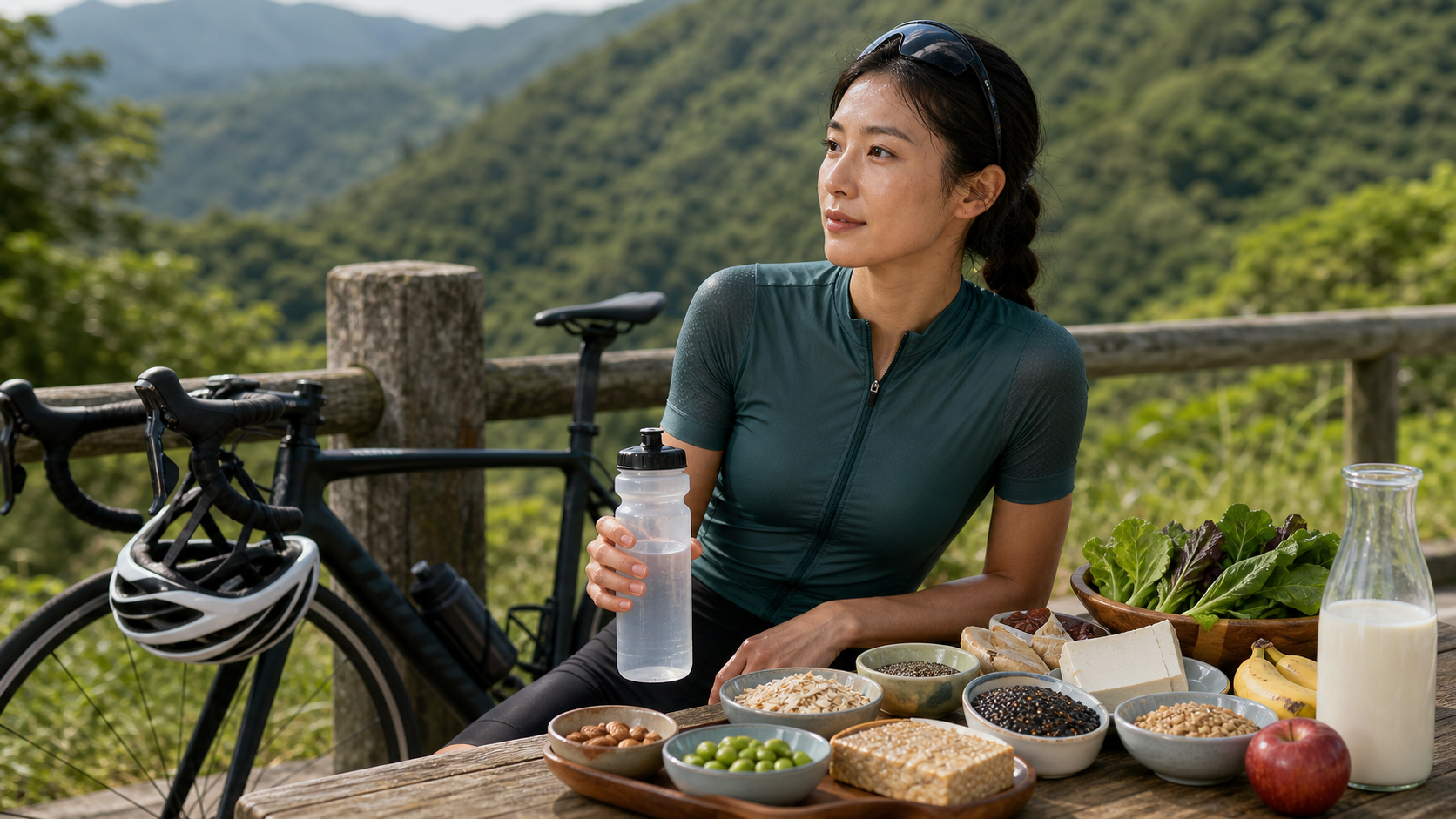
Starting with a Vegan Cyclist Student
A few years ago, I took on a female student in her early forties—let’s call her Xiao Yun. She had been fully vegan for over eight years, for religious reasons, and had no intention of changing her eating habits. Her reason for coming to me was simple: she wanted to complete a northbound Wuling climb in the autumn, but every time she rode longer than three hours, she would completely “fall apart” in the second half—legs giving out, dizziness, and an abnormally spiking heart rate. Her first question to me was: “Coach, is it because I don’t eat meat that my stamina is naturally worse than others?”
My answer to her then is also what I want to make clear at the start of this article: Not eating meat itself won’t make you weaker—a poorly designed vegan diet will. Among the world’s top ultramarathon runners, triathletes, and road cyclists, quite a few are fully vegan or lacto-ovo vegetarian. A plant-based diet is not a barrier, but it does require you to plan more deliberately than an omnivore. Omnivores can scrape by on luck even with haphazard eating; vegan athletes, if they don’t understand the principles, can easily lose points silently on protein quality, vitamin B12, iron, calcium, and Omega-3. After months of accumulation, that becomes the “falling apart in the second half” situation Xiao Yun experienced.
In this article, I’ll take a practical coaching perspective and cover everything a vegan athlete needs to know about sports nutrition science, actual training plans, common mistakes, and tiered action recommendations. It’s on the longer side, but if you—or someone around you—eat plant-based and want to train seriously, it’s worth the time to read through.
One important premise first: this article is about nutrition planning for athletic performance and health, not about convincing anyone to go vegan or not. Dietary choices have many dimensions, and I respect everyone’s decisions. My job is to help you “achieve the best athletic performance and health within the dietary framework you’ve chosen.”
Foundational Concepts: Where the Real Challenges for Vegan Athletes Lie
Many people assume the biggest problem for vegan athletes is “not enough protein.” That’s only half right. In reality, the challenges of a plant-based diet are spread across multiple nutrients, and each one requires a different solution. I’ll divide them into two categories.
Category One: Protein—Where Both Quantity and Quality Matter
It’s entirely possible to get enough protein from plants; the key is handling “quantity” and “amino acid quality” simultaneously. Plant proteins generally have two inherent weaknesses:
First, lower digestibility and absorption rates. Animal protein typically has over 90% digestibility and absorption, while many plant proteins (especially whole grains and legumes, which carry fiber and anti-nutritional factors) fall into the 70–80% range.
Second, certain essential amino acids are lower, most notably grains lacking lysine and legumes lacking methionine. What’s especially critical for athletes is leucine—it’s the “switch” that activates muscle protein synthesis, and plant proteins typically have a lower leucine density than whey protein.
These two weaknesses combined are why research generally recommends: vegan (especially fully vegan) athletes often need about 10–20% more protein than omnivores to achieve the same recovery and muscle-building results.
Category Two: Key Micronutrients That Are Scarce or Hard to Absorb in Plant-Based Diets
This category is where I think vegan athletes are most likely to step on landmines and most need proactive monitoring, including vitamin B12, iron, calcium, vitamin D, Omega-3 (EPA/DHA), zinc, and iodine. Their common characteristics: plant sources either have almost none (B12), or absorption is hampered by phytates and oxalates (iron, calcium, zinc), or the general population in Taiwan is already deficient (vitamin D). These won’t make you “fall apart on the bike today,” but over a scale of months to a year or two, they’ll quietly erode your recovery, immunity, and athletic performance.
Why “Well-Planned” Is So Critical
I want to emphasize a point that’s often misread. The position of most international sports nutrition and dietetics organizations is actually quite consistent: a well-planned plant-based diet can fully support the training and competition needs of athletes at all levels, and may even benefit health. But note the phrase “well-planned”—it’s not a courtesy phrase; it’s the core of the entire statement.
What’s the difference? An omnivore can eat haphazardly, and the complete proteins, B12, heme iron, and DHA in meat, eggs, dairy, and fish will automatically fill in many nutritional gaps—there’s a high margin for error. For vegetarians, especially vegans, once you eliminate the entire category of animal foods, you’ve simultaneously shut off several “automatic supply lines,” and you must use “deliberate design” to reconnect them one by one. That’s why, even among athletes, plant-based eaters need to understand the principles more and plan more. This isn’t a flaw of plant-based eating—it’s its instruction manual.
Plant-Based Isn’t Just “Not Eating Meat”—First Clarify Which Type You Are
In practice, the vegan students I’ve worked with span a wide dietary spectrum, and the strategies differ accordingly:
- Lacto-ovo vegetarian: Eats eggs and dairy. Because eggs and dairy can supply B12, some calcium, and complete protein, the difficulty is relatively lower—usually you just need to watch total protein and iron.
- Ovo-vegetarian / lacto-vegetarian: Eats only eggs or only dairy, with a margin for error in between.
- Vegan: No animal products at all. This group needs the most careful planning—B12 is almost certainly required as a supplement, and iron, calcium, Omega-3, and zinc all need proactive attention.
- Five-pungent-vegetarian (common religious vegetarianism in Taiwan): Avoids the five pungent vegetables, usually also avoids eggs and dairy; nutrition planning should be treated the same as vegan.
I often remind students: First figure out which category you belong to, then you’ll know which points to monitor. Lacto-ovo vegetarians don’t need to adopt the full vegan supplement checklist, while vegans absolutely shouldn’t underestimate their needs using lacto-ovo standards.
Protein Section: Quantity, Quality, and Timing—All Handled at Once
How Much Should You Actually Eat?
Let’s start with the big picture. Based on general consensus in the sports nutrition field, athletes’ protein needs roughly fall into these ranges:
| Population | Protein Recommendation (per kg body weight / day) | Daily Total for a 70 kg Person |
|---|---|---|
| General sedentary adult | ~0.8 g | ~56 g |
| Endurance athlete (running, cycling) | ~1.2–1.4 g | ~84–98 g |
| Strength / power athlete | ~1.2–1.7 g | ~84–119 g |
| Vegan endurance athlete (after adjustment) | ~1.4–1.7 g | ~98–119 g |
| Vegan strength athlete (after adjustment) | ~1.6–2.0 g | ~112–140 g |
The “after vegan adjustment” figures in the table incorporate the 10–20% loss factor mentioned earlier into practical targets. Taking Xiao Yun as an example: she weighed 55 kg and focused on long-distance riding, so I initially set her target at about 85–95 grams of protein per day—for someone who was originally consuming only about 45 grams as a vegan, that meant nearly doubling her intake.
How to Eat Plant Protein Efficiently
Strategy 1: Complete the Amino Acid Profile Through “Complementarity.” Grains lack lysine, and legumes lack methionine, so eating them together complements each other. Taiwan’s most classic combinations are actually right at hand—brown rice with tofu, multi-grain rice with miso soup, whole wheat toast with hummus, and rice with edamame. You don’t need to calculate precisely at every meal; as long as you consume both grains and legumes throughout the day, your overall amino acid balance will be maintained.
Strategy 2: Prioritize Plant Sources with “High Protein Density.” Not all vegetarian foods are protein-rich. The table below is a reference list I often give my clients:
| Food | Reference Serving Size | Protein (Approx.) | Notes |
|---|---|---|---|
| Traditional tofu (firm tofu) | Half a block, about 150 g | About 12–15 g | The most convenient quality source in Taiwan |
| Tempeh | 100 g | About 18–20 g | Fermented, easy to absorb |
| Edamame (boiled in pods) | One bowl, about 100 g edible portion | About 11 g | Relatively high in leucine |
| Chickpeas / black beans (cooked from dried) | One bowl, about 160 g | About 12–15 g | Also provides iron |
| High-protein pasta / lentil pasta | 80 g dry weight | About 20–25 g | Available at imported supermarkets |
| Soy protein isolate powder | One scoop, about 30 g | About 24–27 g | The fastest tool to boost intake |
| Peanuts / nuts | One handful, about 30 g | About 7–8 g | High in calories, don’t overdo it |
Strategy 3: Use Soy Protein Powder as a “Supplement Tool.” I don’t advocate anyone replacing real food with supplements, but for vegetarian athletes, protein powder is the most practical tool to solve the “insufficient quantity” problem. Soy protein isolate has a complete amino acid profile and decent leucine content. Adding one to two scoops after training can often fill the day’s gap. Xiaoyun later managed to raise her total intake with “firm tofu + tempeh + one scoop of soy protein powder daily.”
Distribution Matters More Than Total Amount
This is a detail many people overlook: Eating the same 90 g of protein, spread evenly across three to four meals, is far more effective than consuming it all in one sitting at dinner. Muscle protein synthesis has a “per-meal ceiling”; if you pack too much into one meal, the excess is mainly burned as energy. My recommendation is: Aim for 25 to 35 g of protein per meal, divided into three to four times throughout the day. Especially the post-training meal should include a complete protein source plus carbohydrates. For the issue of plant proteins being lower in leucine, this approach of “small frequent meals with legumes at every meal” can also effectively compensate.
A Practical One-Day Menu for a Vegan Athlete
Principles alone can be too abstract, so I’ve organized Xiaoyun’s adjusted menu for a training day into a table. The numbers are approximate, just to give you a picture. This example is for someone around 55 kg with a two-hour ride that day:
| Time | Content | Protein (Approx.) | Key Points |
|---|---|---|---|
| Breakfast | Oatmeal + fortified soy milk 300 ml + banana + one spoon of peanut butter | About 18 g | Soy milk provides calcium and B12 (if fortified) |
| Morning snack | Unsweetened soy milk 450 ml + a small handful of mixed nuts | About 15 g | Boosts total intake, adds healthy fats |
| Lunch | Multi-grain rice + firm tofu + stir-fried dark leafy greens + braised dried tofu, with a guava after the meal | About 22 g | Guava’s vitamin C aids iron absorption |
| Post-training | One scoop of soy protein powder + banana | About 25 g | Golden replenishment window, protein + carbs |
| Dinner | Brown rice + tempeh + chickpea curry + vegetables | About 22 g | Tempeh and chickpeas provide both protein and iron |
| Total | About 100 g | Spread across five times, legumes at every meal |
You’ll notice the key isn’t “eating something exotic,” but rather deliberately including a protein centerpiece at every meal, spreading the total intake out, and pairing iron-rich meals with vitamin C. These are all ordinary ingredients available at Taiwanese supermarkets, traditional markets, and vegetarian buffet restaurants.
Training Days vs. Rest Days: Should You Eat the Same?
Many clients ask me this. The answer is: Protein intake can stay similar, but carbohydrates and total calories should fluctuate with training load. I’ll clarify the principles with a comparison table:
| Item | Heavy Training Day | Moderate Training Day | Complete Rest Day |
|---|---|---|---|
| Protein | Maintain 1.5–1.7 g per kg | Maintain 1.4–1.6 g per kg | Maintain around 1.4 g per kg |
| Carbohydrates | Significantly higher, extra before and after exercise | Moderate | Moderately reduced |
| Total calories | Highest | Moderate | Slightly lower, but don’t over-restrict |
| Supplement focus | Electrolytes + carbs during exercise, protein + carbs after | Normal three-meal distribution | Prioritize protein and recovery |
Here’s a mistake vegetarians are especially prone to: cutting protein on rest days “because you didn’t exercise.” Protein is for repairing and maintaining muscle; on rest days your body is recovering, so you can’t skimp on it. What should be reduced is carbohydrates and total calories, not protein.
Key Micronutrients: Keep a Close Eye on These
This is the section I think vegetarian athletes should highlight the most. Here’s a dosage/source comparison table you can save directly as a checklist:
| Nutrient | Why Vegetarians Are Prone to Deficiency | Plant Sources | Supplementation Strategy (General Reference) |
|---|---|---|---|
| Vitamin B12 | Plants contain almost none; it exists only in animal products and fortified foods | Fortified plant milk, nutritional yeast | Vegans almost certainly need supplementation; common practice is about 50 mcg daily, or a high dose totaling about 2,000 mcg once a week |
| Iron | Plant iron is non-heme, with lower absorption | Dark leafy greens, legumes, black sesame | Pair with vitamin C in the same meal; avoid strong tea or coffee with the same meal; women should pay extra attention |
| Calcium | Some leafy greens are high in oxalates; dairy is excluded | Firm tofu, dark leafy greens, sesame, fortified soy milk | Consume in divided doses throughout the day; fortified soy milk is a convenient tool |
| Vitamin D | Widespread deficiency in Taiwan, unrelated to vegetarianism | Primarily sun synthesis, small amounts in mushrooms | Get blood levels checked before deciding on supplementation; especially important in winter or for indoor types |
| Omega-3 (EPA/DHA) | Plants only provide ALA, with low conversion rate | Flaxseed, chia seeds, walnuts | Consider “algae oil” to supplement EPA/DHA |
| Zinc | Phytic acid interferes with absorption | Whole grains, legumes, pumpkin seeds | Soaking and fermenting can improve absorption |
| Iodine | Inland diets are prone to deficiency | Seaweed, iodized salt | Moderate seaweed intake, don’t overdo it |
Vitamin B12: The Top Priority for Vegans
If you remember only one thing from this entire article, remember this: Vegan athletes almost certainly need vitamin B12 from supplements or fortified foods—this isn’t optional, it’s essential. B12 exists almost exclusively in animal products; plants don’t contain active B12. It’s responsible for red blood cell production and nerve function. Deficiency can cause anemia, fatigue, and numbness in the hands and feet—for athletes, that means a direct decline in endurance and recovery. Severe, long-term deficiency can even cause irreversible nerve damage.
Regarding dosage, the general adult RDA is about 2.4 mcg, but because the higher the B12 intake, the lower the body’s single-dose absorption rate, practical recommendations for vegetarians are usually “deliberately set much higher than 2.4 mcg”: a common approach is supplementing about 50 mcg daily, or switching to 1–2 times per week totaling about 2,000 mcg. The good news is that B12 is water-soluble and safe; taking more than the recommended amount usually poses no toxicity concerns. However, everyone’s absorption differs, so the safest approach is still to get blood work done and decide the dosage based on your numbers—don’t guess and supplement blindly.
Iron: The Hidden Killer for Vegetarian Female Athletes
Iron is probably the nutrient where I’ve caught the most problems in vegetarian endurance athletes, especially women — menstrual blood loss combined with low absorption of non-heme iron is a double whammy. Xiao Yun’s “collapse in the second half, abnormally spiking heart rate” turned out, after a blood test, to be low ferritin.
Iron in plants is “non-heme iron,” which has inherently much lower absorption than the heme iron in meat, and it’s also interfered with by tea, coffee, and calcium consumed in the same meal. Practical principles for vegetarians:
- Pair iron-rich foods with vitamin C: Legumes, dark leafy greens, and black sesame seeds eaten with guava, citrus, or bell peppers will noticeably boost absorption.
- Avoid strong tea and coffee with iron-rich meals: Space them apart by at least one hour.
- Don’t self-prescribe iron supplements: Excess iron can damage the liver, cause gastrointestinal discomfort, and even interfere with other minerals. You must get a blood test to check your ferritin levels first, and have a doctor or dietitian evaluate whether you need supplementation and how much.
Calcium and Vitamin D: The Bone Bank for Cyclists and Runners
Cycling and running are sports that either “under-stimulate bones or concentrate impact” — road cycling is a non-weight-bearing activity, and long-term riding with insufficient calcium and vitamin D can easily lead to low bone density. After vegetarians eliminate dairy, calcium needs to be made up with firm tofu (made with calcium sulfate), dark leafy greens, black sesame seeds, and fortified soy milk. Vitamin D, on the other hand, isn’t much related to whether you eat meat or not — people in Taiwan are generally deficient anyway, especially in winter, for indoor workers, and for those who are diligent with sun protection. Vitamin D affects calcium absorption and muscle function; it’s recommended to get a blood test and then decide on a supplementation strategy.
Omega-3: Don’t Rely Only on Flaxseed
The main plant source of Omega-3 is ALA (flaxseed, chia seeds, walnuts), but the human body’s conversion of ALA into EPA/DHA — which actually provide anti-inflammatory and heart-protective benefits — is very inefficient. For vegetarian athletes who prioritize recovery and long-term health, consider supplementing directly with algae oil (EPA/DHA extracted from algae), which is one of the few purely plant-based sources of direct EPA/DHA.
Zinc and Iodine: Two Overlooked but Not to Be Forgotten
These two are often missed. Zinc is linked to immunity, wound healing, and hormones, and athletes also lose some through sweat; zinc in plants is also hindered by phytates. The good news: soaking, sprouting, and fermenting legumes (like tempeh, which is fermented) significantly reduces phytates and improves zinc absorption. Whole grains, legumes, and pumpkin seeds are all good sources. Iodine is related to thyroid function, and inland-style, light diets are prone to deficiency; people in Taiwan can make it up with iodized salt and moderate amounts of kelp and nori, but iodine content in seaweed varies greatly — don’t eat it like a staple food, as excess is also harmful.
A Commonly Exaggerated Myth: Do Amino Acids “Have to Be Complete in the Same Meal”?
There’s an old popular claim that vegetarians must eat grains and legumes “simultaneously” in every meal to piece together complete protein, or it’s wasted. This claim is actually greatly exaggerated. The more accepted view now is: your body has an amino acid pool, and as long as you consume a variety of plant proteins across “an entire day,” your overall amino acid profile will be balanced — you don’t need to meticulously pair them at every single meal. So relax; the key is “diversity of sources within a day,” not “counting every bite.” This understanding can make a vegetarian diet much easier.
Taiwan On-the-Ground: How Vegetarian Athletes Who Eat Out Can Manage
Theory aside, here’s what’s actually useful for people in Taiwan. I know many people simply don’t have time to cook, so this section is specifically about eating out.
Protein Boosts for Common Vegetarian Takeout
Vegetarian eating out in Taiwan has a common flaw: way too many carbs, too little protein, and heavy oil. At a vegetarian buffet, people pile up three big scoops of fried noodles, fried rice vermicelli, and fried items, but protein is just a small piece of dried tofu. How to fix it:
- Buffet: Actively add more tofu, dried tofu, wheat gluten, bran puff, and edamame; reduce the proportion of fried noodles and fried rice.
- Noodle shops: Plain noodles (yangchun noodles) with an extra serving of braised dried tofu, seaweed, and fried bean curd skin.
- Breakfast shops / convenience stores: Unsweetened soy milk (large), swap tea eggs for edamame or chickpea salad, sweet potato with a box of edamame.
- Convenience store emergency combo: Unsweetened soy milk + edamame + a serving of nuts — these three items alone can add up to over 20 grams of protein.
Taiwan’s Climate and Hydration/Sodium
Taiwan’s summers are hot and humid, and the sweat loss from cycling and running is staggering. This isn’t related to vegetarianism, but if vegetarians eat a light diet and consume few processed foods, their sodium intake is naturally on the low side, making them more prone to hyponatremia and cramps during prolonged exercise. Remember to replenish electrolytes during long-distance training — don’t just drink plain water. This is especially important on popular routes like the riverside paths, Beiyi, and Fengguizui in the summer.
National Health Insurance and Medical Access: Making the Most of Taiwan’s Healthcare Availability
Taiwan has a huge advantage — seeing a doctor and getting blood tests is convenient and affordable. I strongly recommend that every seriously training vegetarian athlete get relevant blood work at least once a year, focusing on: hemoglobin, ferritin, vitamin B12, and vitamin D. These numbers are objective evidence of whether your nutrition strategy is working — more reliable than any subjective feeling. For those with chronic conditions (such as diabetes, hypertension, heart disease, or kidney disease), you must discuss with your primary care physician before changing your diet or starting a new training plan for an individualized assessment — don’t treat internet articles as a prescription.
Common Mistakes and Corrections
Having coached vegetarian athletes for so many years, here are the most common mistakes I’ve compiled:
Mistake 1: Thinking “Eating More Vegetables” Equals Healthy
Many people, upon going vegetarian, start eating large amounts of vegetables and fruit while protein and calories become severely insufficient. No amount of vegetables can build enough protein. Fix: Every meal needs a clear “protein centerpiece” (tofu, tempeh, legumes, protein powder) — don’t let greens take up the whole plate.
Mistake 2: Completely Ignoring B12
This is the most dangerous mistake for vegans, because the deficiency is “silent” — by the time you notice numbness in your limbs or anemia, damage may have already accumulated. Fix: Vegans should make B12 supplementation a daily habit from day one; don’t wait for problems to arise.
Mistake 3: Self-Prescribing Iron Supplements
Feeling tired and then going to the pharmacy to down iron pills is dangerous. Excess iron is toxic. Fix: Get a blood test first, then have a professional evaluate.
Mistake 4: Chronic Calorie Deficiency
Plant foods are bulky, high in fiber, and low in caloric density, making it easy to feel “full but under-fueled.” Chronic calorie deficiency leads to poor recovery, menstrual dysfunction, and bone loss (what’s known as relative energy deficiency). Fix: Moderately incorporate high-calorie-density foods like nuts, avocado, olive oil, and dried fruit — don’t be afraid of fats.
Mistake 5: Skipping Protein After Training
Plant protein absorbs more slowly and has lower leucine content, so the post-training meal is even more crucial. Fix: Within 1 to 2 hours after exercise, be sure to consume a complete protein with carbohydrates — for example, soy milk with a banana, tofu rice bowl, or protein powder with oatmeal.
Mistake 6: Making “Processed Vegetarian Foods” a Staple
There are many tasty vegetarian meats, vegetarian hams, and vegetarian balls on the market. Eating them occasionally is fine, but they tend to be high in sodium, high in oil, and highly processed, yet not necessarily high in protein. If your plate is full of these recombined products, you’re using the name “vegetarian” without getting the benefits of whole foods. Fix: Focus on “whole foods” like tofu, tempeh, legumes, nuts, and whole grains; treat processed vegetarian foods as an occasional treat.
Mistake 7: Excess Fiber Causing GI Distress and Reduced Absorption
Vegetarian diets are already high in fiber; if you also consume large amounts of whole grains and legumes, you’re prone to bloating and discomfort before races or heavy training blocks, and too much fiber can also hinder mineral absorption. Fix: Maintaining high fiber on a daily basis is fine, but one to two days before a race, moderately reduce fiber and choose easily digestible sources (such as white rice, peeled potatoes, and strained soy milk) to give your gut an easier time on the big day.
Actionable Advice for Readers at Different Levels
Beginners: Vegetarians Who Just Want to Exercise Healthily
Get these three things right and you’ll be ahead of 80% of people:
- Include a clear source of plant protein at every meal (tofu, legumes, or protein powder).
- Vegans: start supplementing B12 consistently.
- Get a blood test once a year to check ferritin, B12, and vitamin D.
No need to calculate grams right away; just build these three habits first.
Advanced: Vegetarian Athletes with Regular Training Who Want to Improve Performance
- Quantify your daily protein target (use the earlier table to aim for 1.4–1.7 g per kg) and spread it across three to four meals.
- Make post-training nutrition a consistent routine.
- Proactively address iron (pair with vitamin C), calcium, and Omega-3 (consider algae oil).
- Replenish electrolytes during long training sessions.
Advanced: Vegetarian Racers Pursuing Performance
- Use a diet-tracking app to actually track protein, calories, and key micronutrients—stop relying on guesswork.
- Work with a sports dietitian for individualized planning, especially periodized nutrition around the competitive season.
- Regularly monitor blood markers (especially ferritin), managing the numbers like you would training data.
- Rehearse your race-day fueling strategy in advance—never try something new on race day itself.
What Happened to Xiao Yun
Back to the athlete from the beginning. What we did wasn’t actually complicated: we raised her daily protein from about 45 grams to 85–95 grams (firm tofu + tempeh + one scoop of soy protein powder daily), started her on consistent B12 supplementation, paired iron-rich meals with guava or citrus while avoiding coffee, added electrolytes for long rides, and had her get bloodwork done to check her ferritin. Just over three months later, she not only completed that target ride, but the “bonking” in the latter half completely disappeared, and she had more energy than before. What struck me most was when she came back and told me that she had always thought that inexplicable late-ride fatigue was a lack of willpower or insufficient training, and she had even blamed herself for it. But that wasn’t it at all—it was her body telling her the “raw materials” were insufficient. Once we restored her protein and iron, the same training load felt completely different to her. This is what I’ve always tried to convey: much of what you think is “lack of talent” or “not trying hard enough” is simply a nutrition strategy that wasn’t in place.
Her example shows me: a vegetarian diet has never been a ceiling on athletic performance—lack of planning is. As long as you keep an eye on the key points—protein quantity and quality, B12, iron, calcium, and Omega-3—vegetarian athletes can be both healthy and competitive.
If you’re on this path, I hope this article helps you avoid some of the detours my athlete had to take. Take it slow, build the habits one by one, and your body will reward you honestly.
FAQ
These are the questions I get asked most often when working with vegetarian athletes, so I’ve compiled them here.
Q1: Is it hard to build muscle on a vegetarian diet?
No, provided total protein, leucine, and calories are all adequate. Plant proteins do have a lower leucine density, but as long as you get your daily protein to 1.6–2.0 grams per kilogram of body weight, spread it across multiple meals, and fuel up after training, you can still build muscle. Many bodybuilders and strength athletes who are fully plant-based are living proof. What usually stalls muscle gain isn’t “being vegetarian”—it’s chronically undereating calories. Plant-based diets are so satiating that you can easily end up in a calorie deficit without realizing it.
Q2: Do I have to take protein powder?
Not “mandatory,” but for many people it’s “the most convenient.” If you can consistently hit your protein targets across three meals with tofu, tempeh, legumes, and nuts, you can absolutely skip protein powder. But the reality is that many office workers don’t have time to cook, and post-training is exactly when the protein gap is largest—that’s when soy protein powder becomes the easiest tool to close it. It’s a tool, not a necessity, and certainly not a magic bullet.
Q3: I’m lacto-ovo vegetarian—do I not need to worry about B12?
Your risk is lower than a fully plant-based eater, but it doesn’t mean zero risk. Eggs and dairy do contain B12, and if you consume them consistently every day, it’s usually sufficient. However, if you eat few eggs or dairy, or have poorer absorption, you could still be deficient. The safest approach remains getting bloodwork once a year to check your levels—let objective data replace guesswork.
Q4: Can a plant-based diet get you “six-pack abs” or very low body fat?
Yes. Body fat levels are mainly determined by calorie balance and training, not by whether you eat meat. That said, a word of caution: when pursuing extremely low body fat, vegetarians need to be especially careful not to cut calories too aggressively, which can lead to relative energy deficiency and affect hormones, menstruation, bone density, and immunity. Healthy low body fat is achieved gradually—not by starving yourself.
Q5: What should I watch out for with race-day fueling?
The principle is the same as for omnivores: don’t try any new foods or supplements on race day that you haven’t rehearsed, to avoid gastrointestinal issues. Vegetarians should pay special attention to the fact that many commercial energy gels and bars may contain animal-derived ingredients (such as whey, gelatin, or honey). If you’re strictly plant-based, be sure to check the ingredient list beforehand and test your gut reaction during training well in advance.
In Closing: Vegetarianism Isn’t a Limitation—It’s a Choice That Requires Care
Having worked with so many vegetarian athletes, my deepest takeaway is this: a vegetarian diet is like a car that only goes fast when properly tuned. If it’s not tuned well, it might indeed stall on you halfway; but as long as you turn the key dials—protein quantity and quality, B12, iron, calcium, and Omega-3—to the right positions, it can carry you up Wuling, through a full marathon, or across a triathlon finish line.
I’m not here to tell anyone to go vegetarian or not—that’s your life choice. But if you’ve already chosen this path, don’t let “insufficient planning” become the stumbling block to your athletic performance. Treat this article as a checklist, go through it item by item: supplement what needs supplementing, get bloodwork done, and seek professional help where needed. You’ll find that the vegetarian you can be stronger than you ever imagined.
This article is for educational purposes and does not replace individual diagnosis and treatment advice from a physician, physical therapist, or dietitian. If you have a chronic condition (such as diabetes, hypertension, heart disease, kidney disease, etc.), are taking medication, or plan to make major changes to your diet and training, please consult your primary care physician and a qualified dietitian for an individualized assessment. All nutrient values in this article are general reference ranges; actual needs vary from person to person.
References
- Eleat Sports Nutrition — Best Protein Sources for Vegetarian Athletes: https://eleatnutrition.com/blog/protein-vegetarian-athletes
- Vegan Easy — Protein for the Vegan Athlete: https://www.veganeasy.org/discover/vegan-fitness/protein-for-the-vegan-athlete/
- Vegan Health — Vitamin B12 Recommendations (Updated): https://veganhealth.org/vitamin-b12-recommendations-updated/
- Healthline — Vitamin B12 Dosage: How Much Should You Take per Day: https://www.healthline.com/nutrition/vitamin-b12-dosage
Related Reading
- The Vegetarian Triathlete’s Guide: A Complete Plant-Based Plan
- Nutrition Strategies for Vegan Athletes: Practical Solutions for B12, Iron, Calcium, Omega-3, and Protein Quality
- Dietary Strategies for Vegetarian Runners: A Complete Plant-Based Protein Supplementation Plan
- Dietary Strategies for Vegetarian Cyclists: Complete Nutritional Supplementation on a Plant-Based Diet
靠單車減肥35公斤 心得分享與整理
7 年前
CT 喇低賽) 單車 比賽總是沒照片? 攝影師的觀點大公開 姿勢就是力量! 請加速1.25倍收看
7 年前
CT暗黑廚房) 車友必備 宇宙無敵鮮蚵湯 幫助訓練恢復 天然食補 好市多 超肥鮮蚵 破PR
7 年前
FTL 與 SYB 車隊專訪 西進武嶺 實用攻略分享! 2小時 如何練?!你不知道的眉角!新手準備武嶺必看 EP1 | 實力派女車友 | 精華版 | 公路車 | CTYeh
4 年前
Never Stop 西進武嶺 前後雙機 完整全程錄影 訓練台 實境
8 年前
一個測試有沒有認真練車的方法😂 #公路車
10 個月前
一日北高/長距離團騎 常見問題補充篇 / 組團或跟團的眉角 / 壯車友容易被瘦車友慢性拉爆 / 原來屁股痛可能是這個原因...? / 風場配速法 / 公路車 / CT Yeh
2 年前
JJSC南台灣單車走春三日行 DAY 1 / 強度 x 美食 x 節慶體驗 / 公路車 CT Yeh
5 個月前