The Truth About Fasted Training: Fat Burning or Muscle Loss? A Coach Explains the Mechanisms, Risks, and How to Eat Right
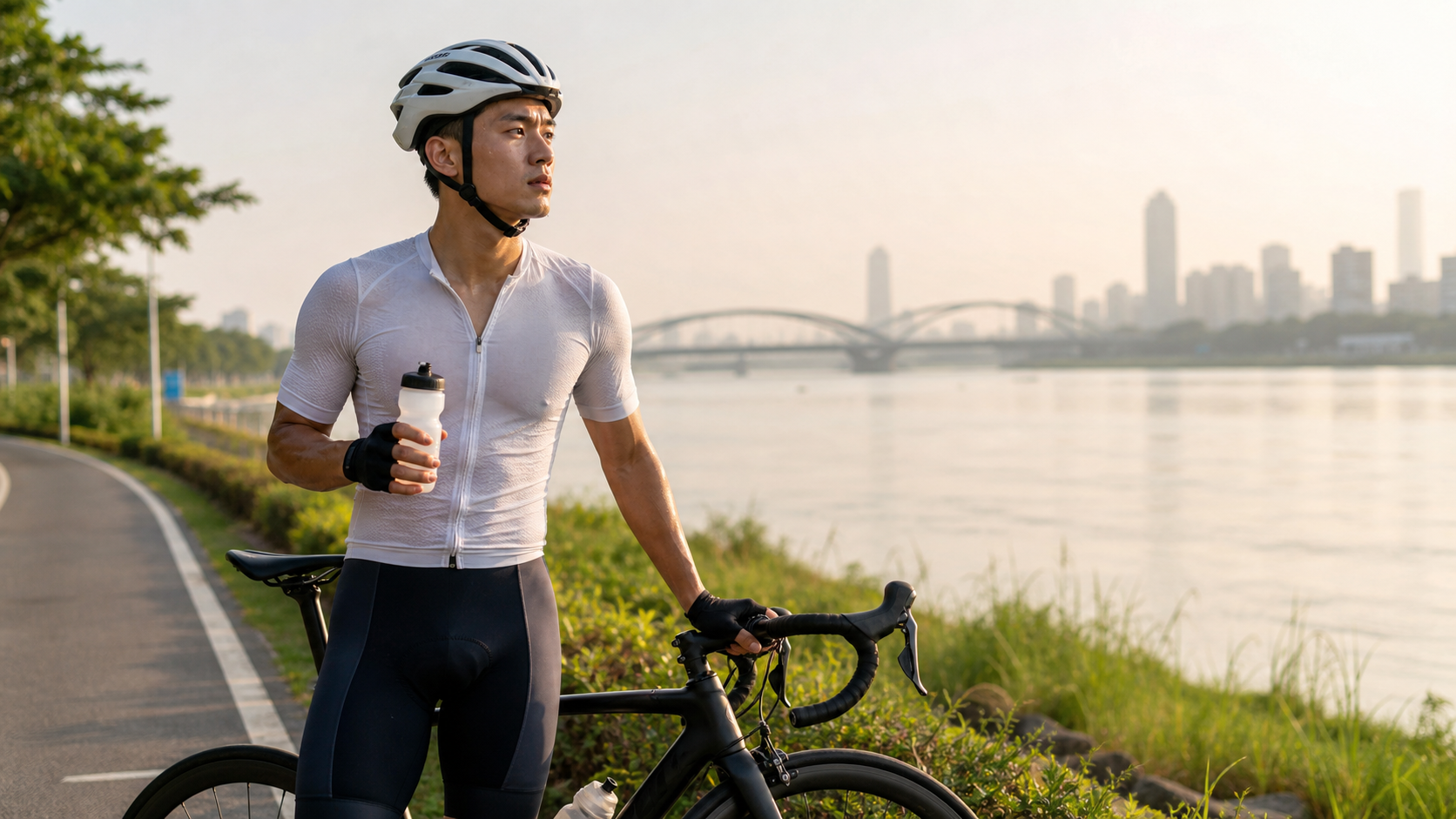
It Starts with a Morning Message from an Athlete
At 6:30 that morning, before I’d even had breakfast, my phone buzzed. My athlete A-Zhe sent a voice message, his tone a mix of pride and anxiety: “Coach, I’ve been doing fasted rides along the riverside for an hour every day this week—I heard it’s the best for fat burning—but lately I feel weak on climbs. Am I burning off my muscle?”
In my 15 years of coaching, I’ve been asked this question at least a few hundred times. From office workers trying to lose fat, to city riders chasing a new PB, to gym regulars who occasionally dabble, “fasted training” is a term almost everyone has heard of and is skeptical about. Some praise it as a fat-burning miracle, others condemn it as a recipe for muscle loss. What’s the truth? Both sides are half right, and half wrong.
In this article, I want to use my dual perspective as a coach and sports science consultant to explain fasted training from start to finish: what actually happens in your body, its impact on performance and long-term adaptations, who it suits and who it doesn’t, and how to eat and train so you don’t end up doing more harm than good. I’ll use language you can actually put into practice, and I’ll honestly tell you which parts are backed by science and which are still murky.
Let me give you the conclusion first so you don’t bail halfway through: Fasted training won’t make your muscle “whoosh” away, nor will it magically accelerate fat loss. It’s a tool—used correctly, it can enhance your ability to metabolize fat; used incorrectly, it will drag down your training quality, and might even leave you passed out on a riverside bike path on a humid Taiwanese morning. As for the rest, let’s take it step by step.
The Basics: How Does Your Body Fuel Itself When Fasting?
What Does “Fasting” Actually Mean? It’s Less Mysterious Than You Think
Let’s define the terms first. In exercise physiology, “fasted training” typically refers to exercising at least 8 to 12 hours after your last meal, when insulin is at a low point and glycogen hasn’t been topped up by recently consumed carbohydrates. The most typical scenario is “waking up in the morning and heading out to ride or run before breakfast.”
Note that fasting doesn’t mean “no energy at all.” The dinner you ate last night, the body fat you’ve stored, and the glycogen in your liver and muscles are all still there. Fasting doesn’t change whether you have fuel—it changes the ratio of fuels and the hormonal environment.
Fat-Burning Ratio Does Increase—But Don’t Get Excited Yet
This is the most real, and most over-interpreted, aspect of fasted training. When you exercise fasted, because blood sugar and insulin are low, your body is more inclined to use fat as fuel. Multiple systematic reviews and meta-analyses point out: during moderate-to-low-intensity aerobic exercise (roughly below 70% of VO₂max), fat oxidation is indeed higher in the fasted state than after eating, and a single session can oxidize a few extra grams of fat (depending on the individual and exercise duration—the number is a range, not a fixed value).
But there are two crucial “buts” here:
- First, once intensity goes up, the difference disappears. When exercise intensity exceeds about 70% of VO₂max, there’s no significant difference in fat oxidation between fasted and fed states—because at high intensity, your body has to rely on carbs (glycogen) anyway. Whether you’re hungry or not, it’s burning sugar.
- Second, burning more fat during the session doesn’t mean less body fat in the long run. This is the most common misunderstanding, and I’ll break it down in the next section.
“Burning a Few Extra Grams of Fat” ≠ “Losing More Weight”
I know many people don’t want to hear this, but it’s a conclusion the current evidence consistently supports: although fat oxidation is higher during fasted exercise, when you account for total energy balance over the day and the week, long-term body fat loss is no greater than with fed exercise.
The logic isn’t hard to grasp. Fat loss comes down to “energy deficit”—what you consume minus what you expend over a day. During exercise, you burn more fat and less sugar, but your body will tend to balance the books at other times (e.g., craving more carbs, or using more sugar in subsequent activities). Your body is an accountant that keeps a master ledger. What determines whether you lose weight is your daily total calorie deficit and long-term dietary consistency—not whether you burned fat or sugar during that one morning hour.
So if your goal is “purely fat loss,” fasted training isn’t off the table, but it’s definitely not the main event. The main event is always the long-term accumulation of dietary structure and training volume.
So Why Does the Sports Science World Still Care About Fasted Training? The Key Is “Training Adaptation”
What really interests sports scientists isn’t how much fat you burn in the moment, but whether training in a low-carbohydrate/low-glycogen state can teach your body to “learn” to use fat better and become more durable. In endurance sports, there’s a more precise term for this: “train low.”
The logic goes like this: when you exercise with low glycogen, muscle cells detect a signal of “energy shortage,” activating an energy-sensing enzyme called AMPK, which in turn upregulates PGC-1α, often called the “master switch for mitochondrial biogenesis.” Mitochondria are the power plants of the cell—in theory, more and more efficient mitochondria mean a stronger aerobic engine and better fat utilization.
Research does observe: over 3 to 10 weeks of short-term training, deliberately performing some sessions in a low-glycogen state results in higher muscle mitochondrial enzyme activity and related protein content than doing all sessions with ample glycogen. In other words, the “signal” from low-glycogen training is real.
But—and here’s the “but” again—a stronger signal doesn’t necessarily mean better race results. This is the most subtle and most exaggerated aspect of fasted/low-glycogen training, and we’ll dig into it in the next section.
Performance and Adaptation: The Signal Is Tempting, But Don’t Forget the Cost
“Amplified Signals” and “Improved Performance” Are Two Different Things
This is a concept I always make sure to clarify with my athletes. Low-glycogen training does amplify certain cellular adaptation signals, but when you translate those signals into “results at the finish line,” the evidence becomes very inconsistent.
The reason is simple: in a fasted/low-glycogen state, your training intensity and training quality will almost certainly drop. Without enough sugar, you can’t push the watts you need during intervals, and you can’t hold the pace you’re supposed to. And in the long run, the intensity and volume you can train at are often the biggest determinants of progress. Trading an entire season of sluggish sessions for a bit of mitochondrial signal is likely a losing deal.
So the mainstream view in sports science now isn’t “train fasted all the time” or “train fed all the time”—it’s a more mature framework called “Fuel for the work required.” In plain language:
For sessions that need to be done fed, eat up and do them properly; for sessions suited to low-glycogen training, schedule them low. Periodize the two together, rather than picking one over the other.
A Quick Look at How Fasted Training Affects Different Goals
I’ve put together a table mapping common goals to the role of fasted training, so you can quickly find where you fit:
| Your Main Goal | Role of Fasted Training | Coach’s Advice |
|---|---|---|
| Pure fat loss / weight loss | Secondary, not essential | Focus on total calorie deficit and diet structure; fasted training can be a supplement, but don’t rely on it |
| Improving fat metabolism (ultramarathon, long-distance endurance) | Potentially valuable | Schedule low-glycogen sessions sparingly, at low intensity, and periodized—may help |
| Chasing interval / sprint / climbing power | Almost harmful | These high-intensity sessions must be done fed; fasting will only lower quality |
| Muscle gain / weight training | Generally not recommended | Fasted resistance training may compromise recovery and training volume |
| General health and fitness maintenance | Neutral | Depends on personal comfort; whether you eat breakfast or not makes little difference—don’t force it |
The Muscle-Loss Concern: Not as Severe as You Think, but Not to Be Ignored Either
Back to A-Zhe’s biggest worry: will fasted training burn muscle for fuel?
In a single session of fasted cardio at low-to-moderate intensity and not too long in duration (e.g., within one hour), the proportion of muscle protein broken down for energy is actually very low. The body has its own priorities; it won’t rush to dismantle its own muscle just because you skipped one meal. So the fear of “burning off” muscle from the occasional one-hour fasted ride is exaggerated.
However, there are several scenarios that do genuinely increase the risk of muscle loss, and these deserve extra caution:
- Fasted endurance exercise that is prolonged (over 90 minutes): When energy is in short supply for an extended period, the rate at which protein is tapped into rises.
- Fasted resistance training or high-intensity intervals: These activities inherently rely on sugar. In a fasted state, workout quality and recovery both suffer, which is detrimental to muscle maintenance over the long term.
- Individuals who already have insufficient total calorie and protein intake: If you’re already eating too little and not getting enough protein, stacking fasted training on top of that is the real recipe for muscle loss.
In other words, the culprit behind muscle loss is usually not “fasting” itself, but the broader environment of “chronic energy deficit plus insufficient protein.” Fasting is just one straw on the camel’s back, not the primary cause.
Practical Approach: How to Turn Fasted Training into a Useful Tool
Now that we’ve covered the mechanisms, let’s get to what you can actually do. Below are the principles and sample workout plans I use with my clients.
Principle 1: First Ask, “What Is the Purpose of This Session?”
Before every workout, ask yourself: Am I aiming for “intensity and quality” or “base aerobic fitness and metabolic adaptation”?
- If it’s a high-intensity session like intervals, sprints, KOM attempts, or race simulation — eat before you train, no exceptions.
- If it’s easy base aerobic work, recovery rides, or long-duration low-intensity (Zone 2) — this is when fasted/low-carb training can come into play.
Principle 2: Keep Intensity Within the “Easy Conversation” Range
For fasted sessions, I typically require my clients to stay within a range where they can pedal and speak in full sentences, with heart rate roughly between 60% and 70% of max HR (varies by individual). In terms of feel, it’s “slightly breathless but fully able to chat.” Once you can only manage single words and your breathing becomes rapid, it means the intensity is too high and your body is starting to scramble for sugar — at that point, the benefits of fasting diminish and the risks rise.
Principle 3: Control Duration and Progress Gradually
For clients trying fasted sessions for the first time, I always have them start with under 30 minutes at easy intensity to let the body adapt. After that, extend the duration every one to two weeks based on how they feel. Scheduling one to two fasted sessions per week is more than enough — there’s no need to train hungry every day. A-Zhe’s mistake was doing fasted workouts daily, which dragged down the quality of his entire week’s training.
Four-Week Beginner Sample Plan (Using Cycling Zone 2 as an Example)
Below is a progressive sample plan I give to “recreational cyclists of moderate fitness who want to try low-carb training.” Please note this is just a template; actual intensity and mileage should be adjusted based on your ability and how your body responds:
| Week | Fasted Session Schedule | Intensity/Feel | Hydration & Electrolytes | Post-Workout Nutrition |
|---|---|---|---|---|
| Week 1 | 1 session, 25–30 min | Very easy, can hum a tune | Mostly plain water | Carbohydrates + protein within 30 min |
| Week 2 | 1 session, 40–45 min | Easy, can hold a conversation | Add electrolyte drink | Same as above |
| Week 3 | 1–2 sessions, 50–60 min | Easy to moderate, slightly breathless | Electrolytes + carry backup fuel | Same as above, ~20–30 g protein |
| Week 4 | 1–2 sessions, 60–75 min | Easy to moderate | Hydrate and replace electrolytes throughout | A full meal, carbohydrates + protein |
Post-Workout Nutrition: This Step Matters More Than the Fasting Itself
Many people focus on “training hungry” but overlook the fact that what you eat after the workout is the key to preserving muscle and promoting recovery. After a fasted session, I require my clients to:
- Consume carbohydrates plus protein within 30 to 60 minutes to direct the training signal toward repair and adaptation, rather than continued breakdown.
- Aim for roughly 20 to 40 grams of protein per meal (adjusted based on body size) to ensure muscle repair has the raw materials it needs.
- For total daily protein intake, endurance athletes and those who train regularly generally fall in the range of 1.4 to 2.0 grams per kilogram of body weight (the general population can aim slightly lower). This is the long-term foundation for protecting muscle.
Remember: A large part of the benefit of fasted training is recovered through what you eat afterward. Training hungry and then eating poorly or skipping food altogether is the real landmine for muscle loss.
What You Eat the Night Before Determines the Quality of Your Next Morning’s Fasted Session
Many people assume fasted training is only about “not eating in the morning,” but in fact, dinner the night before is the key — it dictates your glycogen status the next morning. I’ve organized common scenarios into the table below so you can work backward from your next day’s workout to decide what to eat the night before:
| Next Day’s Workout Type | Previous Night’s Carb Strategy | Taiwan Eating-Out Examples | Purpose |
|---|---|---|---|
| Fasted low-carb Zone 2 session | Moderately reduce carbs | Less rice/noodles, more protein and vegetables | Keep glycogen low, enhance metabolic signaling |
| Next day high-intensity/intervals | Normal to higher carbs | A full bento box or noodles, with adequate staple food | Ensure sugar is available, maintain workout quality |
| Next day race or long distance | Significantly increase carbs | Increase rice/noodle portions, pair with easily digestible carbs | Fill glycogen stores, support prolonged output |
| General recovery day | Balanced is fine | A normal meal, no deliberate increase or decrease | Maintain daily recovery |
A note: “Reducing carbs” here means a relative fine-tuning, not cutting them out entirely. Extreme carb restriction isn’t necessary for most people and can affect sleep and next-day performance. Taiwan has plenty of eating-out options, so as long as you consciously adjust your staple food portions, it’s not hard to manage.
Local Taiwan Practicalities: Humid Heat, Eating Out, and Early Morning Venues
Taiwan’s environment adds a few local nuances to fasted training that deserve special attention:
- The hot, humid climate is the biggest variable. Summer mornings in Taiwan often exceed 28°C with very high humidity. Fasting already means lower blood sugar, and adding heavy sweating with electrolyte loss can easily lead to dizziness, nausea, or even heat exhaustion. Even if you’re not eating solid food while fasted, water and electrolytes must be fully replenished. I usually recommend scheduling summer fasted sessions in the coolest early morning hours before the sun comes up (e.g., 5:30 to 7:00 AM).
- Carb timing for those who eat out. Eating out is convenient in Taiwan, and your dinner the night before (braised pork rice, noodles, bento boxes) essentially determines your glycogen status for the next morning’s fast. If you want to do a low-carb fasted session, you can slightly reduce carbs the night before; if the next day is a high-intensity session, you should load up on carbs the night before.
- Convenience of supplies at common venues. Riverside bike paths (Dajia, Xindian River, Erchong Floodway, etc.) have limited supply points along the way, so for longer fasted rides, be sure to bring your own water bottles and electrolytes. In contrast, if you do your fasted session on a gym spin bike or indoor trainer, refueling and cooling down are much easier, making it more beginner-friendly.
Common Mistakes and Corrections
Over years of coaching, I’ve seen people fall into highly repetitive pitfalls with fasted training. Here are the most common ones — check if any apply to you:
Mistake 1: Turning a Fasted Session into a High-Intensity Session
Symptoms: You head out fasted but can’t resist racing someone, chasing heart rate, or going for a KOM.
Problem: In a fasted state, you can’t produce the power you’re supposed to anyway. You end up tired with poor quality, while also increasing the risk of hypoglycemia and muscle loss.
Correction: Stick to Zone 2 for fasted sessions. Save the high-intensity work for days when you’re well-fed. If you want to push hard, eat first.
Mistake 2: Training Fasted Every Day, Treating It as Routine
Symptoms: You heard it burns fat, so you train hungry every day, just like A-Zhe.
Problem: The quality of your entire week’s training declines, recovery worsens, and you may even feel weaker over time with softer climbing legs.
Correction: One to two low-carb sessions per week is sufficient. Fuel your other workouts normally.
Mistake 3: Not Eating or Eating Poorly After the Workout
Symptoms: You stay hungry after the fasted session, or just have a coffee and head to work.
Problem: You miss the recovery window, leading to poor long-term recovery and difficulty maintaining muscle.
Correction: Consume carbohydrates plus protein within 30 to 60 minutes after training. This step cannot be skipped.
Mistake 4: Ignoring Hydration and Electrolytes
Symptoms: “Fasting just means I don’t eat or drink anything.”
Problem: In Taiwan’s hot, humid environment, this is high-risk behavior for heat exhaustion and fainting.
Correction: Fasting means “no calorie-containing food,” not “no fluids.” Water and electrolytes must be in place.
Mistake 5: Trying It Yourself with a Chronic Condition
Symptoms: Having diabetes, a history of hypoglycemia, or cardiovascular issues, and following fasting workouts seen in online videos.
Problem: Fasted exercise affects blood sugar regulation, and the risk is especially high for these groups.
Correction: Readers in this category must consult a physician first, get an individual assessment, and only then decide. Never try it on your own (detailed further in the next section).
Actionable Advice for Readers of Different Levels
Everyone starts from a different point, so I’ve broken the advice down by level. Just find where you fit.
For Beginners / Those Simply Wanting to Get Healthier
- Don’t feel you have to chase fasted training. For you, “exercising regularly and eating a balanced diet” matters far more than agonizing over whether to eat breakfast.
- If you’re simply not used to eating in the morning, doing an easy ride or brisk walk fasted is totally fine—comfort and safety come first.
- If you experience dizziness, cold sweats, heart palpitations, or nausea, stop immediately and take in some sugar. That’s your body’s red light.
For Advanced Recreational Athletes / Riders Chasing Results
- Treat low-carb training as a periodization tool: schedule one to two Zone 2 fasted or low-glycogen sessions per week, and do all other high-intensity sessions fueled.
- Reduce or even pause low-carb sessions during race season or high-intensity training weeks, prioritizing training quality and recovery.
- Keep careful records of how you feel, your power, heart rate, and recovery. Use the data to judge whether low-carb sessions are helping or hurting you—don’t just follow the crowd.
For Coaches and Team Leaders
- When athletes believe in the “fasted fat-burning” myth, first help them build the correct concept: “Fat loss depends on total calorie deficit, not on what you burn in a single session.”
- Treat low-carb training as a rare, precisely targeted stimulus, not an everyday practice, and strictly monitor training quality and signs of overtraining.
- For members with chronic conditions, always refer them for professional medical evaluation—don’t take that responsibility on yourself.
Special Reminder: These Groups Should Get a Medical Evaluation First
In the following situations, I strongly recommend consulting a physician or relevant professional before attempting any fasted training. Making good use of Taiwan’s National Health Insurance resources for a basic assessment is well worth it:
- People with diabetes or impaired blood sugar regulation: Fasted exercise can cause hypoglycemia, and the risk is especially high for those using insulin or blood-sugar-lowering medication.
- People with hypertension, heart disease, or other cardiovascular conditions: The combined stress of fasting plus exercise requires professional evaluation.
- Pregnant or breastfeeding women, adolescents, the elderly, and those with a history of eating disorders: Their energy needs are special, and fasted training should not be undertaken lightly.
- People taking specific medications: The interactions between certain drugs, fasting, and exercise need a physician’s judgment.
This isn’t meant to scare you—it’s that individualization always trumps general rules. Generic advice found online can never replace a physician’s judgment about your specific situation.
Three Real Cases: Same Fasting, Very Different Outcomes
Theory can only go so far—let’s look at real cases. The following three are typical situations I’ve encountered over the years, anonymized and organized for you (the scenarios are real and common; the numbers are reasonable ranges rather than precise measurements). You may well see yourself in one of them.
Case 1: Xiao-Min, an Office Worker Wanting to Lose Fat
Xiao-Min, a 35-year-old woman weighing about 58 kg, is a sedentary office worker aiming to lose about 4 to 5 kg of body fat. She heard from a colleague that fasted cycling burns the most fat, so she started doing an hour on the trainer every morning at 5:30 a.m., fasted, chasing her heart rate hard at moderate intensity.
What was the problem? Two weeks later she came to me, complaining, “I’m training hungry every day, but my weight hasn’t budged, and I feel groggy every morning and crave sweets every afternoon.” One look at her food diary and I understood—after that hour of fasted training, her appetite ran out of control all afternoon, and her total daily calories showed no deficit at all; in fact, they were on the high side. On top of that, she was doing her fasted sessions at moderate-to-high intensity, so the body’s advantage in tapping fat oxidation never got a chance to work.
How did I adjust it? I asked her to cut fasted sessions to twice a week, drop the intensity to a Zone 2 where she could hold a conversation, and eat breakfast before exercising on all other days. The main focus shifted to total daily calories and protein structure, with a week of consistent food logging. A month later, her weight began to drop steadily and she was no longer exhausted all day. Her case proves: the battle of fat loss is won at the dinner table, not in that one fasted hour.
Case 2: A-De, a Veteran Endurance Athlete Chasing Ultramarathons
A-De, a 48-year-old man, is a seasoned ultramarathon and long-distance cycling enthusiast. His goal is to improve fat metabolism efficiency during prolonged exercise so his fueling doesn’t have to be so tight. For someone like him—with a deep aerobic base and the know-how to monitor his body—low-carb training is where it truly has room to shine.
How was it structured? I scheduled one fasted Zone 2 long ride per week on a weekend morning (within 90 minutes, with full hydration and electrolytes throughout), while all other high-intensity sessions were done fully fueled. After one season, he reported back: “At the same pace, I feel more efficient, and the late-race fade has improved.”
The key is moderation. A-De succeeded not because he trained hungrier than anyone else, but because he kept low-carb sessions limited, low-intensity, and followed them with proper post-workout fueling, while strictly monitoring recovery. He never stacked a fasted session after a high-intensity day, and he never forced low-carb sessions during his pre-race taper.
Case 3: A-Xiang, a Gym Newbie Wanting to Build Muscle but Going the Wrong Way
A-Xiang, a 26-year-old man, started weight training six months ago with the goal of building muscle. He saw “fasted fat burning” online and thought, “If I lift fasted, can I build muscle and lose fat at the same time?” So he started hitting the gym every morning on an empty stomach for heavy lifting.
This is a classic case of wrong direction. Resistance training relies on glycogen. Fasted, his strength was compromised on every set, his inter-set recovery was poor, and his training volume simply couldn’t accumulate. Add to that the lack of nutritional support around the workout, and his muscles lacked the raw materials for repair. The result: after two months, his strength had plateaued and his muscle mass hadn’t budged.
The fix: I asked him to move his lifting to a time when he’d eaten and had energy, ensure carbs and protein around every session, and bring his total protein up to adequate levels. Three months later, his bench press and squat had improved noticeably. When it comes to building muscle, fasting has almost nothing but downsides.
Pre-Fasted-Training Self-Checklist
Before you put on your jersey and head out hungry next time, take one minute to run through this checklist. If you check any box, it means you should reconsider today:
| Check Item | Recommended Action if “Yes” |
|---|---|
| Is today a high-intensity / interval / heavy-lifting session? | Yes → Eat before training; don’t go fasted |
| Did I sleep less than 6 hours last night or have poor sleep quality? | Yes → Eat before training or just rest |
| Is today’s temperature and humidity especially high (a typical Taiwanese summer morning)? | Yes → Shorten the session, be sure to take electrolytes, or move indoors |
| Do I have diabetes, cardiovascular disease, or am I on medication? | Yes → Get a medical evaluation first |
| Have I been chronically under-eating total calories or protein lately? | Yes → Fix your nutrition first; don’t stack fasting on top |
| Did I race or do a high-volume session yesterday? | Yes → Your body needs recovery; eat before training or rest |
| Have I already scheduled 3 or more fasted sessions this week? | Yes → That’s too much; cut it down to 1–2 sessions |
The spirit of this table is simple: fasted training is a “bonus,” not a “required course.” Any time it might cost you points, put it down without hesitation.
Common Myths, Debunked
Finally, let’s address a few of the most common myths I hear that really need to be busted:
- Myth: “Fasted training puts you in ‘fat-burning mode’ and you burn fat all day.” That’s not true. The proportion of fat oxidation is indeed higher during the workout itself, but your body will balance the energy ledger afterward. There’s no magical fat-burning switch that stays on all day.
- Myth: “Exercising without breakfast definitely makes you leaner.” Wrong. Research looks at long-term changes in body fat; when total calorie intake is controlled, there’s no significant difference in fat-loss outcomes between training with or without breakfast. What matters most is choosing an approach you can sustain long-term.
- Myth: “Fasted training suits everyone who wants to get stronger.” Wrong. It’s only really meaningful for endurance athletes with a solid aerobic base who want to improve fat metabolism. For beginners, those trying to build muscle, or those doing high-intensity work, it’s often more harmful than helpful.
- Myth: “Fasting means you can’t even drink water.” Completely wrong, and dangerous in Taiwan’s hot, humid climate. Fasting refers to not consuming calories; staying hydrated and maintaining electrolytes is always essential.
Quick Q&A (FAQ)
Q: If I drink black coffee before riding on an empty stomach, am I still fasted?
A: Black coffee has almost no calories, so you’re essentially still in a fasted state. The caffeine might even give a slight boost to performance and fat mobilization. But be aware of caffeine’s effects on heart rate and diuresis—don’t neglect hydration in hot, humid weather. Adding sugar or milk changes things entirely.
Q: Will fasted training make me more likely to binge eat?
A: It varies from person to person. Some people get a huge appetite after a fasted session and end up eating more later, canceling out the deficit; others see no difference. That’s why I keep emphasizing “look at your total daily calories”—honestly observe your eating behavior after fasted training.
Q: So, should I train fasted or not?
A: If your goal is health and fat loss—don’t obsess over it. What matters most is doing what feels comfortable and what you can sustain long-term. If you’re an endurance athlete looking to squeeze out metabolic adaptations—treat it as one small piece of your periodization toolkit, used precisely and sparingly. Either way, safety, gradual progression, and eating well after training are the three unchanging principles.
Q: Are there times when fasted training is absolutely a no-go?
A: Yes. Severely insufficient sleep, being sick or just recovered from illness, extremely hot weather, after a day of heavy expenditure (like just finishing a race), and any day when you feel something is off with your body—on those days, eat properly before training, or just rest.
Conclusion: Putting Fasted Training Back in Its Place
Back to A-Zhe. In the end, I helped him restructure his schedule: keeping just one early-morning fasted Zone 2 long ride per week on the weekend, doing all his interval and climbing sessions well-fed, and requiring him to have a proper meal within 30 minutes after each fasted session. Three weeks later, he told me his climbing power was back, he no longer felt drained all day, and his weight was actually slowly trending down—because what truly made him better was never “training hungry,” but rather the overall alignment of training quality, nutrition structure, and recovery.
That’s the core message I want to leave you with: Fasted training is neither a miracle cure nor a poison—it’s simply a tool with a narrow range of uses in the toolbox. Understand its mechanisms, recognize its limitations, put it in the right place, and pair it with the right eating approach—it can help you sharpen the blade of fat metabolism. Use it wrong, and it will only leave you exhausted, stagnant, and terrified that you’ve burned away all your muscle.
Next time someone tells you “fasted riding burns the most fat,” you can smile and reply: what burns fat is a total calorie deficit, not whether you burned fat or sugar during that one hour. What truly determines whether you get stronger and leaner is how you train, eat, and recover over the long term.
Wishing you smart riding and safe training on Taiwan’s early-morning riverside paths.
This article is for educational purposes and does not replace individual diagnosis and treatment advice from physicians, physical therapists, or nutritionists. If you have chronic conditions such as diabetes, hypertension, or heart disease, or if you are taking medication, pregnant, or have a history of eating disorders, please consult a qualified medical professional for individualized assessment before attempting any fasted or low-carbohydrate training.
References
- Effects of aerobic exercise performed in fasted v. fed state on fat and carbohydrate metabolism in adults: a systematic review and meta-analysis(British Journal of Nutrition):https://www.cambridge.org/core/journals/british-journal-of-nutrition/article/effects-of-aerobic-exercise-performed-in-fasted-v-fed-state-on-fat-and-carbohydrate-metabolism-in-adults-a-systematic-review-and-metaanalysis/0EA2328A0FF91703C95FD39A38716811
- Effects of fasted vs fed-state exercise on performance and post-exercise metabolism: A systematic review and meta-analysis(Scandinavian Journal of Medicine & Science in Sports):https://onlinelibrary.wiley.com/doi/abs/10.1111/sms.13054
- Beneficial metabolic adaptations due to endurance exercise training in the fasted state(PMC):https://pmc.ncbi.nlm.nih.gov/articles/PMC3253005/
- Fuel for the work required: a practical approach to amalgamating train-low paradigms for endurance athletes(PMC):https://pmc.ncbi.nlm.nih.gov/articles/PMC4886170/
- Sending the Signal: Muscle Glycogen Availability as a Regulator of Training Adaptation(NCBI Bookshelf):https://www.ncbi.nlm.nih.gov/books/NBK543780/
Related Reading
- Morning Run Fasted Training: The Truth and Myths of Fat Burning
- The Truth About Train Low Strategies: Fasted and Low-Carb Training—A Coach’s Guide to the Research, Schedules, and Precautions
- The Metabolic Logic of Morning Fasted Rides and the Exaggerated Fat-Loss Myth
- Breakfast vs. Fasted Training: How to Schedule Meals Around Different Workouts
一個測試有沒有認真練車的方法😂 #公路車
10 個月前
一日北高常見問題大集合 | 攻略 | 路線 | 訓練 | 補給 | 自行車 單車 | 一日雙城 | 雙塔 | TWB北高360 | 屁股痛
6 年前
CT暗黑廚房) 車友必備 宇宙無敵鮮蚵湯 幫助訓練恢復 天然食補 好市多 超肥鮮蚵 破PR
7 年前
一日北高/長距離團騎 常見問題補充篇 / 組團或跟團的眉角 / 壯車友容易被瘦車友慢性拉爆 / 原來屁股痛可能是這個原因...? / 風場配速法 / 公路車 / CT Yeh
2 年前
靠單車減肥35公斤 心得分享與整理
7 年前
2016/4/20 - 中社路 夜騎 半年甩肉14KG 後測
10 年前
風櫃嘴! 現實與虛擬騎乘 會有誤差嗎? 背著iPad邊騎一趟風櫃嘴實際測試一次 | 公路車 | CT Yeh
3 年前
#公路車 #Vo2Max #最大攝氧量 測驗 體驗 | 心肺測試
6 年前