Probiotics and Athlete Gut Health: Immunity, Evidence, and a Selection Guide (Coach's Field Edition)
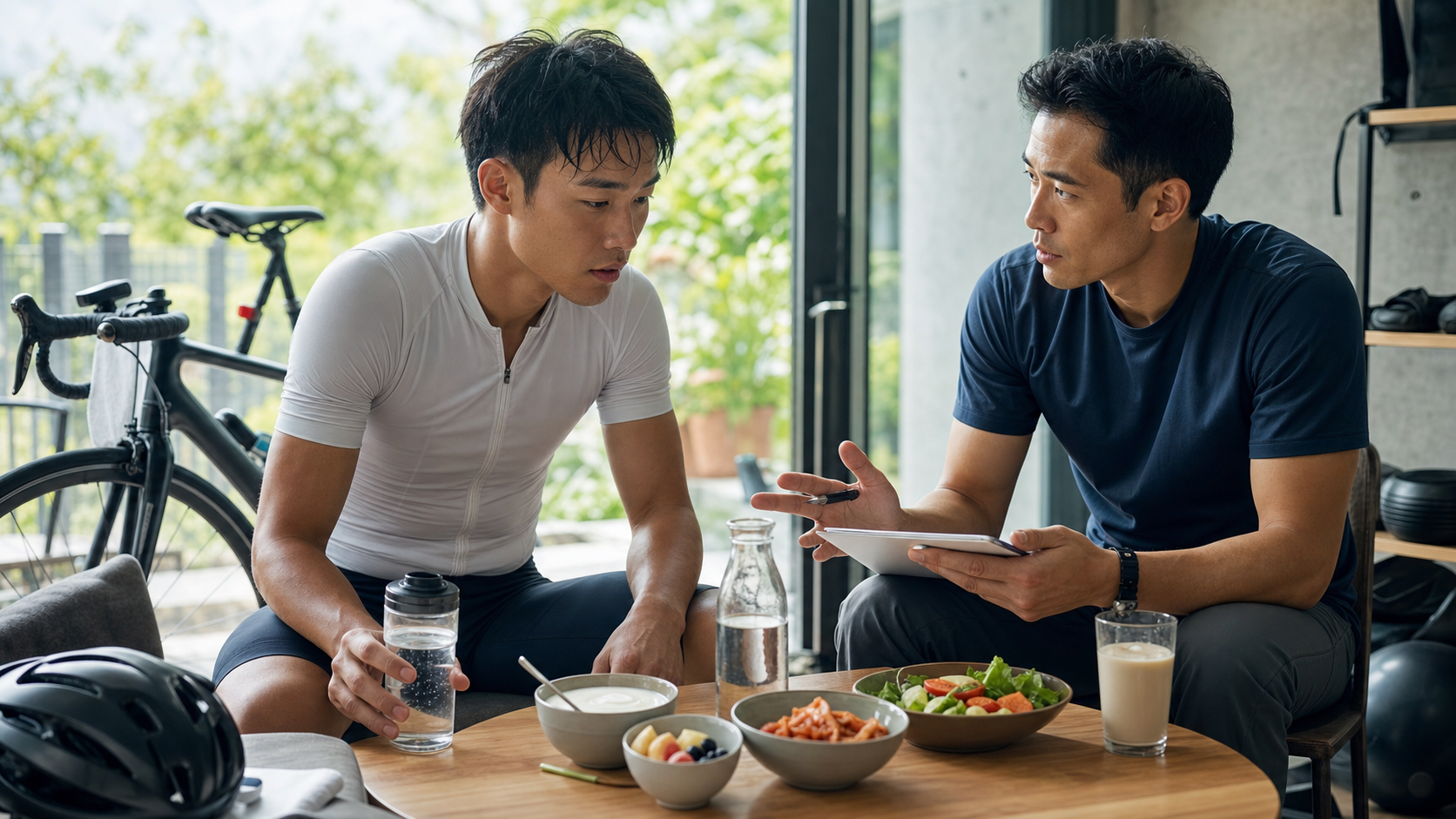
Starting with an Athlete’s “Pre-Race Cold”
In March of that year, an amateur mountain biker I coached, A-Kai, was making his final push for a challenging race covering 120 kilometers with nearly 3,000 meters of cumulative climbing. His training volume had ramped up to about fourteen hours per week, his power numbers looked great, and he’d trimmed down to an ideal 64 kilograms—his condition seemed flawless. Then, ten days before the race, he came down with a sore throat and a low-grade fever, spending a full five days in bed. When he got back on the trainer, his heart rate was seven or eight bpm higher at the same wattage, and he could only finish that race conservatively.
After that, A-Kai asked me: “Coach, I train this hard—why does my body get sick more easily instead?” That question is exactly what I want to discuss with you today—high-intensity training, the immune system, gut health, and whether probiotics can actually help.
In this article, I’ll speak in the practical tone I use with my athletes, covering the scientific evidence, practical approaches, common mistakes, and actionable advice for readers at different levels all at once. Let me give you the bottom line first to put your mind at ease: probiotics aren’t a miracle cure, but for certain groups, in certain situations, they are indeed a well-supported, low-risk adjunct tool. The key is knowing what they “can do” and what they “can’t do.”
This article is for educational purposes and cannot replace individual diagnosis and treatment advice from a physician, physical therapist, or nutritionist. If you have a chronic illness or immune-related issues, please consult a qualified medical professional first.
Why Athletes’ Guts Work Especially Hard
Many people assume athletes are immune to everything, but the opposite is often true. When training volume reaches a certain level, the body enters a subtle state of immune vulnerability.
The “Open Window Theory” and the Post-Exercise Immune Gap
There’s a classic concept in exercise physiology called the “open window.” It means that after a prolonged, high-intensity exercise session, the body’s immune defenses dip into a temporary trough, and this period can last several hours, making it easier for pathogens to sneak in. For cycling enthusiasts who train seven to fourteen hours a week and often ride outdoors, this window opens repeatedly.
According to systematic reviews and meta-analyses of athlete populations, the incidence of upper respiratory tract infections (URTI—what we commonly call colds and sore throats) does increase during periods of high-intensity training and competition. This is due to acute immune suppression after exercise, as well as the chronic suppression of certain immune factors from long-term high-intensity training. This also explains A-Kai’s question—it wasn’t that he wasn’t strong enough, but that being “too dedicated” is itself a form of immune stress.
Blood Flow to the Gut Gets “Borrowed” During Exercise
The gut issue is a separate thread. When you’re climbing Wuling, or doing a long ride along the riverside, your body prioritizes blood flow to the working muscles and skin (for cooling), so blood flow to the gut gets “borrowed,” potentially dropping to just a fraction of its resting level. This intestinal ischemia, combined with rising core temperature, dehydration, and the up-and-down jostling of exercise, makes the gut mucosal barrier more “leaky” (often referred to in research as increased intestinal permeability).
The result is what we commonly see on race day: stomach cramps, bloating, diarrhea, even nausea. According to endurance sports literature, up to about 70% of endurance athletes report exercise-related gastrointestinal symptoms, and among general runners, more than a quarter experience moderate to severe GI discomfort during races. This isn’t a minority problem—it’s a widespread pain point in the endurance community.
The table below helps clarify the causal chain of “how exercise affects the gut and immunity”:
| Source of Exercise Stress | Effect on the Body | Possible Consequences |
|---|---|---|
| Prolonged high-intensity exercise | Temporary decrease in immune cell activity (open window) | Increased likelihood of upper respiratory infections |
| Blood flow redistribution | Intestinal ischemia, weakened mucosal barrier | Bloating, cramps, diarrhea |
| Rising core temperature, dehydration | Increased intestinal permeability | Endotoxin leakage, inflammatory response |
| Chronic training stress | Chronic low-grade inflammation, elevated cortisol | Slower recovery, increased fatigue |
| Race anxiety, disrupted routines | Gut-brain axis imbalance | Pre-race diarrhea, appetite disturbances |
Once you understand this table, you’ll see: gut health and immunity are really two sides of the same coin. And probiotics are a tool that attempts to intervene from the “gut” end.
The Gut-Brain Axis: Why You “Need the Bathroom When Nervous Before a Race”
There’s another line many people overlook, called the “gut-brain axis.” Your gut and brain communicate bidirectionally through nerves, hormones, and immune signals. That’s why so many athletes, on race day morning—even if they felt perfectly fine the day before—start running to the bathroom and lose their appetite the moment anxiety kicks in.
I once coached a female triathlete, Xiao-Ting, who was genuinely strong, but she could barely sleep the night before every A-priority race, and would make multiple trips to the bathroom beforehand, leaving her already drained by the time the swim started. A large part of her problem wasn’t “gut microbiota,” but “stress amplifying gastrointestinal reactions through the gut-brain axis.” This reminds us: discussions about gut health can’t focus only on bacteria—we also have to consider your sleep, anxiety, and overall life stress. Probiotics might indirectly help some people by modulating inflammation and the microbiome, but if your core issue is pre-race anxiety, then mental preparation, pre-race routine rehearsal, and breathing relaxation techniques should take priority.
This is the concept I always try to convey: the gut is a “system,” not a single part you can fix with one capsule.
What Exactly Are Probiotics? Let’s Clarify the Terms First
Before we talk about the evidence, I’ve noticed many athletes get confused by marketing when it comes to basic terms, so let’s spend some time distinguishing a few words.
Probiotics, Prebiotics, Postbiotics
- Probiotics: These are “live microorganisms that confer a health benefit on the host when administered in adequate amounts.” The most common families are Lactobacillus and Bifidobacterium.
- Prebiotics: These aren’t bacteria; they’re “food for the good bacteria,” usually certain types of dietary fiber, such as inulin or oligosaccharides. They help the existing good bacteria in your gut thrive.
- Postbiotics: These are beneficial substances produced by bacterial metabolism, or components of dead bacteria. It’s a newer concept, and the evidence is still accumulating.
Getting these three straight is important because commercial products often mix them together, and prices vary widely.
“Strain” Matters More Than “Genus”
This is the point I remind athletes of most often: the effects of probiotics are strain-specific. In other words, just because one strain of Lactobacillus has been proven effective doesn’t mean all Lactobacillus strains have the same effect. It’s like two people with the same surname—their abilities can be worlds apart.
So when you look at a label, the ideal listing should look like this: genus + species + strain designation. For example, in “Lactobacillus rhamnosus GG,” the “GG” is the strain identifier. If a product only says “contains lactic acid bacteria” without listing a strain designation, then any research it cites has no direct connection to that product—this is the first litmus test when choosing.
What Does the Science Say? Don’t Be Fooled by Extreme Claims
When it comes to probiotics, there are always two camps online: one says it’s a waste of money and completely useless; the other says it cures everything and everyone should take it. The truth is usually in the middle, and it depends on “what problem you’re trying to solve.” Here’s a summary of the evidence that currently holds up best for athlete populations.
Where the Evidence Is Stronger: Reducing the “Severity” of Upper Respiratory Infections
This is where the evidence for probiotics in athletes is relatively solid. Systematic reviews and meta-analyses of athletes indicate that probiotic supplementation (especially in professional athletes) can effectively reduce the overall symptom severity score of upper respiratory infections. Some studies have also observed decreases in inflammatory markers (such as cytokines like IL-6 and TNF-α) after supplementation, with the proposed mechanism being modulation of the immune response through activating T and B lymphocytes and reducing gut inflammation.
But to be honest: the same meta-analysis did not show that probiotics significantly reduce the number of “days” sick, or the “number” of upper respiratory infections and their duration. In other words, the more reliable claim right now is “it might make your cold symptoms less severe and more bearable,” not “it guarantees you won’t get sick.” This distinction is crucial, and it’s the nuance I honestly share with my athletes.
Where the Evidence Is Weaker and More Divided: Relieving Exercise-Related GI Symptoms
Many people buy probiotics hoping to “fix race-day diarrhea,” but the evidence here is actually more divided and weaker. Systematic reviews of randomized controlled trials on gastrointestinal symptoms in athletes show only “slight” evidence of a positive effect of probiotics on exercise-related GI symptoms, and because the strains, doses, and treatment durations used in studies vary widely, it’s currently impossible to pinpoint which specific product best solves athletes’ GI problems.
So if someone guarantees you “take this and you won’t have diarrhea on race day,” be skeptical. This doesn’t mean probiotics are completely useless for the gut—it means science can’t yet give you a definitive, reproducible answer. A large part of why study conclusions are inconsistent is the wide variety of strains used, differing doses, and differences in participants’ training status and diets—these variables make “reproducing the same result” difficult. The takeaway for consumers: don’t treat “some study” cited in an advertisement as a guarantee for that specific product, unless the product uses exactly the same strain and dose as the study.
Effects on “Sports Performance” Itself: Be Even More Cautious
As for “will probiotics make me faster and stronger”—this evidence is the most preliminary. A few randomized controlled trials have suggested that probiotics might improve the bioavailability of carbohydrates, protein, and branched-chain amino acids, indirectly helping performance, but this remains an early hypothesis that needs larger studies to confirm. I’d recommend treating it as a “possible added benefit,” not the main reason to spend money.
Here’s a quick table to help you grasp “the strength of probiotic evidence for different goals”:
| Your Goal | Current Evidence Strength | Coach’s Plain-Language Take |
|---|---|---|
| Reduce severity of cold (URTI) symptoms | Moderate, relatively solid | Worth trying, especially during high training volume periods |
| Reduce number/days of colds | Weak, not significant | Don’t expect it; it’s not a vaccine |
| Relieve exercise-related GI discomfort | Weak and divided | Can try, but results vary by individual; requires self-experimentation |
| Improve sports performance | Very preliminary | Don’t spend big money for this |
| Improve daily gut regularity, bloating | High individual variability | Many people feel a difference; worth trying |
How Do Probiotics “Work”? A Quick Look at the Mechanisms
Many athletes wonder: how do the bacteria in one capsule actually affect my whole-body immunity? Let me break down the mechanisms science currently hypothesizes in plain language, so you’re not just “hearing it works” but actually understanding the logic behind it.
- Competitive Exclusion: Good bacteria take up space and compete for nutrients in the gut, making it harder for bad bacteria to thrive, maintaining a balanced microbiome.
- Strengthening the Gut Barrier: Certain strains help maintain the integrity of the gut mucosa, reducing the “leaky gut” phenomenon mentioned earlier, preventing things that shouldn’t enter the bloodstream from leaking through and triggering inflammation.
- Modulating Immune Cells: The gut is actually home to the body’s largest immune organ, with a huge number of immune cells stationed around the intestinal tract. The interaction between good bacteria and the immune system is thought to help calibrate immune responses—this is also a possible pathway for its effect on “URTI symptom severity.”
- Producing Beneficial Metabolites: When good bacteria ferment fiber, they produce substances like short-chain fatty acids, which are important energy sources and signaling molecules for gut cells.
Understanding this, you’ll see why “fiber that feeds good bacteria (prebiotics)” and “the good bacteria themselves (probiotics)” need to be addressed together—supplementing bacteria without giving them food is like hiring employees but not paying them; it won’t last.
The Taiwan Context: Climate, Eating Out, and Healthcare Access
I want to tailor this section specifically for readers in Taiwan, because many overseas recommendations need to be discounted or adjusted when applied here.
The hot, humid climate is the enemy of live bacteria. Taiwan’s summers are hot and humid, and in winter everyone loves hot drinks—both extremes are unfavorable for probiotic storage and consumption. Once you buy them, store them refrigerated or in a cool place as labeled, and don’t let them “steam” all day in your scooter’s storage compartment when carrying them around.
The fiber trap for people who eat out. Eating out in Taiwan is convenient and delicious, but the typical combination of bento boxes, noodles, and bubble tea often leads to severely insufficient dietary fiber and excess refined sugar. With this eating pattern, the good bacteria in your gut are “starving,” making it hard for even more probiotics to colonize. In practice, I advise those who eat out to add a serving of blanched vegetables to every meal, swap bubble tea for unsweetened options, or choose items like unsweetened yogurt, sweet potatoes, or boiled eggs at convenience stores.
Healthcare is accessible—don’t treat supplements as medicine. Taiwan’s National Health Insurance makes seeing a doctor very convenient, which is actually a blessing. When you have a persistent fever, severe GI symptoms, or any other warning signs from your body, see a doctor—don’t “tough it out” with probiotics. Supplements are always for prevention and management, not treatment.
Key supplementation windows during season changes and flu season. Taiwan’s autumn-winter transition and the annual flu season are higher-risk periods for infection. If you’re in a high training volume group, these are times when you can consider being more diligent with probiotics and overall immune care (sleep, vitamin intake, reducing overtraining).
Practical Approach: How to Choose, How to Take, How to Observe
Now that we’ve covered the evidence, let’s get to the most practical part. Here are the selection and usage principles I actually give my athletes.
Step One: Choosing—Look at Four Things
- Does it list a strain designation? As mentioned, skip anything that just says “lactic acid bacteria.”
- Is the CFU count clear and reasonable? Common daily doses in commercial products range from tens of billions to hundreds of billions of CFU (i.e., 10⁹ to 10¹¹ levels). Higher isn’t necessarily better; what matters is what the research used.
- Does it state the viable count “through the expiration date”? Some products list the count “at manufacturing,” and by the time you consume it, a large portion may already be dead. Products that guarantee “X billion through the end of shelf life” are more reliable.
- Storage conditions: Does it need refrigeration? Taiwan’s summers are hot and humid. If you often leave supplements in your scooter compartment or gym bag in the sun, live bacteria can easily be lost—this is especially important to note in Taiwan.
Step Two: Dosage and Timing
There’s no absolute consensus in the academic world on when to take probiotics, but there are several common practical approaches. The table below is the starting framework I give my athletes (adjust based on product labeling and individual circumstances):
| Item | General Recommended Range | Notes |
|---|---|---|
| Daily CFU count | About 10–30 billion CFU (depending on product and research) | Start with a low-to-moderate dose, observe GI response |
| Timing | Most recommend with or after meals | Food buffers stomach acid, improving survival rate |
| Observation period | At least 2–4 consecutive weeks | Probiotics need time to colonize; don’t give up after three days |
| Pre-race introduction | Start 4–8 weeks before the target race | Give your body enough time to adapt; never experiment at the last minute |
| Pair with fiber (prebiotics) | Focus on vegetables, fruits, whole grains | Taiwan’s eat-out culture especially prone to fiber deficiency |
Here I want to emphasize one iron rule: absolutely never try any new supplement for the first time on race day or right before a race, including probiotics. “Nothing new on race day” is the golden rule of endurance sports. Any new product could trigger unexpected GI reactions; the trial period belongs in training, and that’s the safe approach.
Step Three: Start with Food First; Supplements Are a Bonus
I always tell my athletes not to get the order backwards. Rather than spending money on capsules right away, first review your daily diet. Taiwan actually has plenty of natural fermented foods and sources of good bacteria:
- Unsweetened yogurt, drinkable yogurt: Check the ingredients and avoid high-sugar products.
- Miso, kimchi, tempeh, natto: These fermented foods naturally contain beneficial bacteria and prebiotics.
- Foods rich in dietary fiber: Sweet potatoes, brown rice, oats, a variety of vegetables, legumes—these are the “feed” for your gut’s good bacteria.
The biggest problem for Taiwan’s eat-out crowd is often not “not enough good bacteria,” but severely insufficient fiber and too much refined starch and oil. If you’re having bento boxes with bubble tea every day and only a couple of bites of vegetables, then even the most expensive probiotics will struggle to turn things around. Get the dietary foundation right first, and then supplements make sense.
Common Mistakes and Corrections
In all my years coaching athletes, I’ve seen all kinds of misconceptions and pitfalls. Here are the most common ones—see how many you’ve fallen for.
Mistake One: Treating Probiotics Like a Cold Remedy, Binge-Taking Them Only When Sick
Correction: Probiotics’ immune-modulating effects are “cumulative over time”—they require consistent supplementation to gradually change the gut microbiome. Cramming at the last minute has very limited effect. Their role is “long-term constitution management,” not “acute treatment.” If you actually catch a cold, rest and seeing a doctor are still what you need to do.
Mistake Two: Only Looking at CFU Count, Assuming Higher Is Better
Correction: CFU count is just one indicator. Whether the strain has evidence for “your goal,” whether the live bacteria can survive to reach the gut, and whether the product is properly stored are all equally important. A product boasting “trillions of CFU” but with unclear strains is inferior to a product with a reasonable dose, clearly identified strains, and research support.
Mistake Three: Expecting It to Solve All GI Problems
Correction: As mentioned, the evidence for probiotics on “exercise-related GI symptoms” is divided. If you get diarrhea on race day, beyond probiotics, the things you should check first are: your fueling strategy (are you consuming too much sugar at once or too concentrated?), hydration and electrolytes, pre-race food choices, and gut training (practicing fueling during training). These often produce more immediate results than probiotics.
Here I want to add a “Race-Day GI Self-Help Priority Table,” because too many athletes immediately think of buying probiotics when they have GI issues, overlooking the more fundamental and effective steps:
| Priority | Item to Check | Specific Actions |
|---|---|---|
| 1 | Fuel concentration and pace | Gradually increase hourly carbohydrate intake; avoid slamming overly concentrated gels or sports drinks; dilute gels with water |
| 2 | Hydration and electrolytes | Adjust based on sweat rate and Taiwan’s hot, humid climate; don’t wait until thirsty, but don’t over-drink and dilute sodium either |
| 3 | Pre-race diet | Pre-race meal should be easily digestible, low-fiber, low-fat; avoid foods prone to causing bloating |
| 4 | Gut training | Practice fueling at race pace during long training rides, getting your gut “used to” working while exercising |
| 5 | Probiotics | Long-term adjunct after the first four are in place; not an emergency measure |
See that? Probiotics rank fifth. That’s not to say they have no value—it’s that the order matters. I often tell athletes: get the “operational side” right first, then talk about the “constitutional side.” Many people’s race-day diarrhea is actually caused by overly aggressive fueling strategies, completely unrelated to gut microbiota.
Mistake Four: Ignoring Storage, Especially in Taiwan’s Summer
Correction: Taiwan’s summers routinely hit over 30°C with high humidity. If a refrigerated product is left at room temperature for extended periods, or worse, in a hot car cabin, large numbers of live bacteria will die. Once you buy them, store them properly as labeled—don’t let your money “die” along with the bacteria.
Mistake Five: Self-Supplementing with Chronic Conditions
Correction: If you have diabetes, cardiovascular disease, immune-related conditions, or are taking immunosuppressants, consult your physician before supplementing with probiotics. For the vast majority of healthy people, probiotics are very safe, but in immunocompromised populations, there may be rare risks. Taiwan’s healthcare is accessible—don’t skip this step.
Actionable Advice for Readers at Different Levels
Everyone’s training volume, goals, and physical condition differ. I’ll divide readers into three tiers and give each specific recommendations.
For Beginner Recreational Riders / Runners
If you exercise three to six hours a week, primarily for health and enjoyment:
- Get your diet right first: Aim for adequate daily vegetable intake, add a serving of unsweetened yogurt or fermented food, and boost your fiber intake.
- Supplements aren’t necessary: Your immune “open window” risk is relatively low, so you don’t necessarily need to spend extra on probiotics. If you want to try, choose one with clear strains and a reasonable dose.
- Sleep and stress management are the main characters: At this stage, getting enough sleep and avoiding overtraining will help your immunity far more than any supplement. Rather than researching which probiotic to buy, first make sure you’re sleeping seven to eight hours a night, eating a proper meal after training, and replenishing fluids and electrolytes—the return on investment for these fundamentals far exceeds any bottle of pills.
- Start with one small change: If overhauling your diet all at once is too much, start with “one serving of unsweetened yogurt or a plate of blanched vegetables a day.” Build the habit first, then gradually add more—it’s easier to stick with than changing everything at once.
For Serious Amateur Athletes Preparing for Races
If you’re like A-Kai from the beginning of this article, training ten or more hours a week with clear race goals:
- You can include probiotics in your race-prep toolbox: Introduce them about four to eight weeks before the target race, focusing on the relatively well-supported benefit of “reducing cold symptom severity.”
- The introduction period must be completed during training: Test your GI tolerance, record your reactions, and never experiment right before a race.
- Pair with an overall recovery strategy: Probiotics are just one piece. Sleep, nutrition periodization, and training load monitoring (e.g., using heart rate, power, and perceived fatigue to gauge recovery) are equally critical.
- If you’re prone to GI issues, prioritize gut training: Rather than relying only on probiotics, practice fueling at race pace during long training sessions, getting your gut “used to” working during exercise.
For Athletes with Chronic Conditions or Special Circumstances
If you have diabetes, hypertension, heart disease, or immune-related conditions:
- See a doctor and consult first: Any addition of supplements should happen with your primary care physician or nutritionist’s knowledge. I must be conservative here—this is general principle, and your situation requires individualized assessment.
- Exercise prescriptions should also be individualized: For those with chronic conditions, exercise intensity and volume should be evaluated by professionals; don’t directly apply a general athlete’s training plan.
- Watch for potential interactions between medications and supplements: Some supplements can affect drug absorption or metabolism—another reason your doctor must know.
A Simple “Four-Week Self-Experiment” Framework
Many athletes ask me: “So how do I actually know if probiotics work for me?” I usually suggest a simple self-experiment to find out. After all, the effects of probiotics vary greatly between individuals—your own body is the ultimate judge.
| Week | What to Do | What to Record |
|---|---|---|
| Week 0 (Baseline) | Don’t take them yet; train normally | Record bowel regularity, bloating, frequency of post-training colds, and GI response during long sessions |
| Weeks 1–2 | Start taking them consistently, with meals | Note any initial bloating, changes in bowel movements (some people have an adjustment reaction in the first few days) |
| Weeks 3–4 | Continue taking them; maintain training | Gut regularity, GI feelings during long sessions, overall energy and recovery |
| Post-experiment evaluation | Compare to baseline | If clearly improved → worth continuing; if no effect → no harm in saving the money |
This “using yourself as the control” method isn’t a rigorous scientific experiment, but it’s the most realistic way to judge in your actual life. Remember, fewer variables is better—don’t change a bunch of things at once during the same period, or you won’t be able to tell what’s responsible.
FAQ
Q: Do I need to take probiotics forever? Will stopping undo all the progress?
A: Most current research shows that the effects of probiotics gradually fade after discontinuation, because foreign strains typically don’t colonize permanently. So if you find them effective, the more reasonable approach is to continue supplementing, or to focus on them during periods of high training volume and high infection risk (such as race prep or season changes).
Q: I feel more bloated after taking probiotics. Is that normal?
A: Some people experience mild bloating or changes in bowel movements in the first few days—this is usually a temporary adjustment reaction. If discomfort persists beyond a week or two, consider lowering the dose or switching products, and consult a professional if necessary.
Q: Which is better, yogurt or probiotic capsules?
A: Each has its advantages. Natural fermented foods provide good bacteria along with other nutrients and are part of your diet, so I usually encourage prioritizing them. Capsules have the advantage of clearly identified strains and stable dosing, suitable for those with specific goals. The two aren’t in conflict; they can be used together.
Q: Can children, pregnant women, and the elderly take them?
A: Most healthy individuals are fine, but these groups have highly variable individual circumstances. Especially for pregnant women and elderly individuals with chronic conditions, please consult a physician or pharmacist first—don’t self-judge.
Q: Can I take probiotics during a course of antibiotics?
A: That’s a good question. Some people are on antibiotics for an infection and want to supplement probiotics to maintain their gut microbiome. Common practical advice is to space the two apart by a few hours to avoid the antibiotics directly killing the probiotics. But more importantly—if you’re on antibiotics, you’re treating an infection, and the overall management should follow your doctor’s judgment. Probiotics are just a supporting player; make sure the prescribing physician knows you’re supplementing.
Q: Can I take probiotics with hot drinks or hot water during exercise?
A: Live bacteria are sensitive to high temperatures. Don’t swallow them with boiling water or hot soup, and don’t add probiotic powder to freshly cooked hot food. Room-temperature or slightly cool water is safest. This is especially easy to get wrong in Taiwan’s winter when everyone loves hot drinks.
Q: Are “premium” probiotics costing several thousand NT$ per jar worth it?
A: Price and effectiveness are not proportional. What determines effectiveness is the strain, the dose, and whether there’s evidence for your specific goal—not how fancy the packaging is or who the spokesperson is. Rather than spending big money on marketing, it’s often a better return on investment to allocate some of that budget to fresh fruits and vegetables and improving your sleep.
Conclusion: Put Probiotics in Their Proper Place
Let’s return to A-Kai from the beginning. That season, we didn’t mythologize any single supplement. Instead, we made his training load monitoring more detailed, brought his sleep back to seven to eight hours, filled in his dietary fiber, and introduced a probiotic with clearly identified strains as an adjunct during race prep. At the same race the following year, he didn’t get sick at all and improved his personal time significantly.
Worth noting: that year, we didn’t credit probiotics alone—because we also changed sleep, diet, and training load monitoring simultaneously, I genuinely can’t say which one was responsible. It was likely a synergistic effect of everything together. That’s the truth of real-world practice: health is never about a single variable, but the cumulative result of many good habits. I told A-Kai this honestly, and I’m telling you honestly here, because I don’t want to create the illusion that “taking this jar makes you stronger.”
What I want to say is this: probiotics are a well-supported, low-risk “adjunct tool,” but they’re always the supporting player, never the lead. What truly determines your gut health and immune resilience is your long-term diet quality, sleep, training load management, and stress adaptation. Build the foundation solidly, and probiotics can add value; if the foundation is shaky, even the most expensive supplements are just psychological comfort.
If you’re willing to view them rationally—knowing they “can reduce cold symptom severity” and also knowing they “don’t guarantee fixing your race-day diarrhea”—then you’re already ahead of most people being led around by marketing. Wishing you smooth training, a settled gut, and your own great results on race day. And don’t forget: the best “supplement” is always regular routines, balanced nutrition, and a clear head that isn’t swayed by marketing and knows how to weigh the strength of evidence. See you at the next training session.
Reminder again: This article is for educational purposes and cannot replace individual diagnosis and treatment advice from a physician, physical therapist, or nutritionist. If you have chronic conditions such as diabetes, hypertension, heart disease, or immune-related issues, please seek individualized assessment from qualified medical professionals, and do not use this article to replace medical care.
References
- Probiotic Supplementation and Respiratory Infection and Immune Function in Athletes: Systematic Review and Meta-Analysis of Randomized Controlled Trials (PMC): https://pmc.ncbi.nlm.nih.gov/articles/PMC8582629/
- Effects of Probiotics Supplementation on Risk and Severity of Infections in Athletes: A Systematic Review (PMC): https://pmc.ncbi.nlm.nih.gov/articles/PMC9517237/
- Effects of Probiotics Supplementation on Gastrointestinal Symptoms in Athletes: A Systematic Review of Randomized Controlled Trials (PMC): https://pmc.ncbi.nlm.nih.gov/articles/PMC9268154/
- The Role of the Gut Microbiome and Probiotics in Sports Performance: A Narrative Review Update (MDPI/PMC): https://pmc.ncbi.nlm.nih.gov/articles/PMC11858190/
Related Reading
- The Complete Guide to Athlete Nutrition and Immunity: From Season Strategy to Table Practice
- Immune Nutrition for Athletes: Dietary Strategies to Prevent Colds, So Your Season Doesn’t Fall Apart with One Cough
- Exercise and the Gut Microbiota: An Emerging Performance Factor—The Second Engine from Endurance to Recovery
- Getting Sick the More You Train? A Full Analysis of Exercise and Immune Dysregulation: Overtraining’s Immune Suppression, Recovery, and Nutritional Strategies
一日北高/長距離團騎 常見問題補充篇 / 組團或跟團的眉角 / 壯車友容易被瘦車友慢性拉爆 / 原來屁股痛可能是這個原因...? / 風場配速法 / 公路車 / CT Yeh
2 年前
一個測試有沒有認真練車的方法😂 #公路車
10 個月前
2021 96聯賽 桃園市長盃 4K多視角實況 當天選手瓦數/推力比/均速/時間 即時數據分析 | 公路車 | CT Yeh
5 年前
一日北高常見問題大集合 | 攻略 | 路線 | 訓練 | 補給 | 自行車 單車 | 一日雙城 | 雙塔 | TWB北高360 | 屁股痛
6 年前
FTL 與 SYB 車隊專訪 西進武嶺 實用攻略分享! 2小時 如何練?!你不知道的眉角!新手準備武嶺必看 EP1 | 實力派女車友 | 精華版 | 公路車 | CTYeh
4 年前
大家都在開箱的...單車用藍芽對講耳機真的有幫助嗎? SENA BiKom 20 長距離旅遊 & 海鷗繞圈賽 實際體驗心得 / 公路車 / CT Yeh
9 個月前
#公路車 #Vo2Max #最大攝氧量 測驗 體驗 | 心肺測試
6 年前
西進武嶺 免費訓練分析服務 Intervals | 練不夠還是練過頭?你哪一種類型選手?AI模型告訴你! | 備戰神器 | 公路車 訓練 | CT Yeh
4 年前