Artificial Sweeteners and Athletes: The Safety of Sugar Substitutes, Gut Health and Appetite, and How You Should Actually Use Them
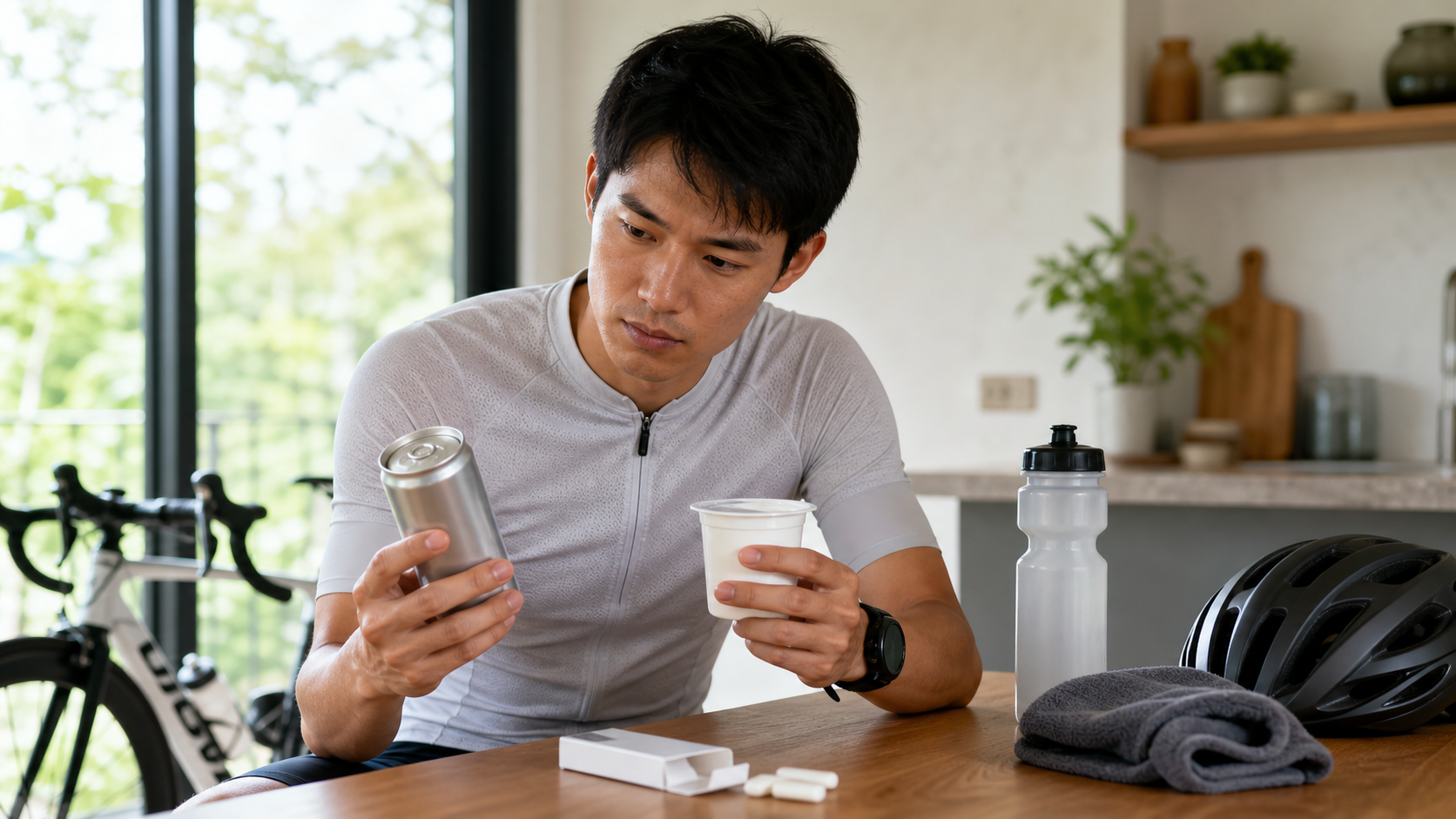
A Conversation That Started with a Diet Coke
A few years ago, I was coaching an amateur mountain biker—let’s call him A-De. He was serious about losing weight, so he swapped all his sugary drinks for zero-calorie ones, downing a bottle before and after training, three or four cans a day. He proudly told me, “Coach, I haven’t touched a drop of sugar—my body fat should be dropping, right?” Three months later, his body fat hadn’t budged, and his weight had even crept up slightly. He looked at me, totally confused.
That case pushed me to dig more seriously into the literature on artificial sweeteners, and it also made me more cautious when working with my athletes. Because the word “zero-calorie” in the minds of most exercisers is almost synonymous with “safe, harmless, drink as much as you want”—but the truth is far more complicated than the marketing slogans.
In this article, I want to explain artificial sweeteners the way I’d talk to an athlete: Are they actually safe? Will they wreck your gut? Will they make you hungrier? How should you use them in a sports context, and how do you avoid the pitfalls? I’m not going to scare you, and I’m not going to tell you to “never touch them”—that’s not science, that’s fearmongering. What I want to give you is a framework for judgment that a mature athlete should have.
Let me give you the bottom line first, so you don’t lose patience: For the vast majority of healthy people who exercise regularly, using artificial sweeteners within reasonable intake limits is safe; the real problem isn’t whether they’re toxic, but how you use them, what they replace, and how they affect your appetite and eating habits.
Building the Foundation: What Are Artificial Sweeteners?
What we commonly call “sugar substitutes” are more formally known as “non-nutritive sweeteners” or “non-sugar sweeteners,” meaning they provide sweetness with virtually no calories. They’re typically dozens to hundreds of times sweeter than sucrose, so only a tiny amount is needed to be sweet enough, and their caloric contribution is negligible.
Here’s a table of the most common ones on the Taiwanese market, so when you check ingredient labels at the convenience store, you’ll know exactly what you’re drinking.
| Sweetener | Common Aliases / Label Names | Relative Sweetness (Sucrose = 1) | Where You Commonly Find It |
|---|---|---|---|
| Aspartame | Aspartame, 代糖 | ~200x | Diet sodas, sugar-free gum, sweetener packets |
| Sucralose | Sucralose, 三氯蔗糖 | ~600x | Sugar-free drinks, whey protein, sweetener gels |
| Acesulfame Potassium | Acesulfame K, 安賽蜜 | ~200x | Often blended with other sweeteners in beverages |
| Saccharin | Saccharin | ~300x | Some sweetener packets, pickled foods |
| Stevia | Stevia, 甜菊萃取 | ~200–300x | “Natural”-labeled sugar-free drinks, health foods |
| Erythritol | Erythritol | ~0.7x | Often paired with stevia as a bulking sweetener |
Let me bust a myth for you right here: “Natural” doesn’t automatically mean “better,” and “artificial” doesn’t automatically mean “harmful.” Stevia is extracted from a plant, which sounds nice and wholesome, but it’s still a highly purified compound that can still affect your gut microbiome. Conversely, aspartame has been vilified for decades, yet it’s one of the most thoroughly studied food additives on the planet. Whether something is safe depends on the evidence, not on its origins.
The Calorie Illusion and Compensation
Back to A-De’s case. It’s true that zero-calorie drinks themselves have almost no calories. But the problem lies in “compensatory behavior”—when your brain registers sweetness but doesn’t get the corresponding calories, some people’s appetite regulation goes subtly off-kilter, and they end up eating more at the next meal, or being more drawn to high-calorie foods. A-De was a textbook case: he saved the sugar from his sodas, but under the psychological license of “well, I didn’t drink any sugar,” he’d add an extra serving of fried chicken. In behavioral science, this is called the “moral licensing effect,” and it’s a hidden killer for many people stuck in weight-loss plateaus.
So the first lesson about artificial sweeteners isn’t chemistry—it’s psychology: The calories you think you saved often get added back elsewhere, sometimes with interest.
The Science: How Do We Actually Assess Safety?
The question athletes ask most is: “Is that stuff actually safe?” I usually respond with a question of my own: “How much do you plan to consume in a day?” Because in toxicology, the dose makes the poison—it’s the most basic principle, yet the most commonly ignored. Drink too much water and you’ll get water intoxication, let alone any additive.
Every food regulatory authority in the world has set an “Acceptable Daily Intake” (ADI) for each sweetener, expressed in milligrams per kilogram of body weight per day. This number is derived from animal studies that identify the “no-observed-adverse-effect level,” then divided by a large safety factor (usually 100x), leaving a very wide margin of safety.
Using the US FDA’s standards as an example (numbers vary slightly between agencies; this gives you a sense of magnitude):
| Sweetener | FDA ADI (per kg body weight / day) | Daily Limit for a 60 kg Adult | Approximate Equivalent in Diet Sodas |
|---|---|---|---|
| Aspartame | ~50 mg | ~3000 mg | A dozen or more cans |
| Sucralose | ~5 mg | ~300 mg | Several to a dozen cans |
(Note: International bodies like JECFA set aspartame at 40 mg and sucralose at 15 mg; numbers vary by agency, but the key is grasping the magnitude.)
Look at those numbers and it becomes clear: for a 60 kg adult to hit the daily limit for aspartame, they’d have to drink over a dozen cans of diet soda, every single day. No normal person drinks anywhere near that amount. So in terms of “acute toxicity” and “typical intake levels,” these sweeteners are safe—which is why, after decades of controversy, major food agencies still maintain their approval status.
So Why Do Negative Headlines Keep Appearing?
Because “not acutely toxic” and “completely harmless in large amounts over the long term” are two different things. In recent years, the focus of controversy has shifted from “does it cause cancer?” to two more nuanced areas: first, long-term effects on gut microbiome and glucose metabolism; second, epidemiological associations with cardiovascular and metabolic disease risk. On both of these, the current scientific consensus is “there’s a signal, but it’s uncertain, and research is ongoing”—not “it’s definitively harmful.”
I think the mature attitude is: don’t panic, but also don’t treat “zero-calorie” as a get-out-of-jail-free card for unlimited consumption.
Gut and Blood Sugar: The Area Most Worth Watching Right Now
If I had to pick the single aspect of artificial sweeteners that deserves the most attention, it would be the gut microbiome and blood sugar response, because that’s where the evidence has accumulated fastest in recent years, and it’s the most relevant to athletic performance.
In 2022, a rigorously designed human randomized controlled trial (published in the journal Cell) recruited healthy adults who barely consumed sweeteners and had them consume saccharin, sucralose, aspartame, or stevia for two weeks at levels below the ADI. The results: the saccharin and sucralose groups showed significant impairment in glucose tolerance; and all four sweeteners altered the composition of the participants’ gut microbiome to varying degrees. What’s even more interesting is that the effect was “person-specific”—the research team transplanted the participants’ gut microbiota into germ-free mice and found that the degree of impaired glucose response could be “transferred,” meaning this was causally linked to changes in the gut bacteria, not just a coincidence.
The takeaway from this study isn’t to panic, but to give us several very practical insights:
- Sweeteners are not “completely inert and doing nothing” in the gut—they do interact with your gut bacteria.
- Responses vary from person to person—the same can of diet soda barely moves blood sugar in some people, while others experience metabolic changes. This explains why your friend can chug them with no issues while you feel something’s off.
- The effect depends on dose and frequency—having one can occasionally versus slamming three or four every day are completely different scenarios.
Practical Implications for Athletic Performance
For the general fitness population, subtle changes in gut microbiota won’t immediately show up in your power output or pace. But for endurance athletes, gut health is highly correlated with “gastrointestinal tolerance during training/competition.” I’ve coached many long-distance cyclists and runners, and their biggest fear is their gut going on strike mid-race—bloating, cramping, and urgent bathroom runs. If these athletes heavily rely on diet drinks in their daily life, I usually recommend doing a “dietary gut audit” during key competition phases, systematically checking off potential irritants one by one.
Another often-overlooked point is sugar alcohols (e.g., erythritol, xylitol, sorbitol). While these aren’t strictly classified as “artificial sweeteners,” they’re frequently combined with stevia in “sugar-free” products. They’re poorly absorbed in the gut, and consuming too much can easily lead to osmotic diarrhea and bloating. I had a trail-running client who ate a large pack of sugar-free gummies the night before a race to boost his mood, then spent the entire next day battling bathroom issues—his performance was a disaster. It wasn’t that the sweeteners were “toxic”; he just used them at the wrong time and in the wrong dose.
Appetite: Do Artificial Sweeteners Make You Hungrier or Fuller?
This is the most pressing question for those in a fat-loss phase, and also one of the most contentious in science. Let me be honest with you upfront: there’s no clean, definitive answer right now because individual variability is enormous.
You’ll hear several schools of thought:
- The “sweetness doesn’t necessarily fool the brain” camp: Believes the brain can, to some extent, detect the discrepancy between sweetness and calories, which over time might actually increase your craving for real sweets, reinforcing a sweet tooth.
- The “artificial sweeteners can help with sugar control” camp: Believes that for some people, replacing sugary drinks with zero-calorie ones can genuinely reduce total caloric intake, serving as a practical transitional tool for cutting sugar.
- The “psychological compensation” camp: This is the Ade type—saving calories from sugar but making up for it elsewhere, sometimes even overshooting.
My clinical observation (from over a decade of coaching clients) is: all three types exist, and figuring out which one you are usually requires observing yourself for two to three weeks. That’s why I never give my clients lazy answers like “ban all artificial sweeteners” or “drink as much as you want.”
How Should You Interpret That 2023 WHO Guideline?
In May 2023, the World Health Organization (WHO) released a new guideline on non-sugar sweeteners, recommending that they “should not be used as a means of achieving weight control or reducing the risk of noncommunicable diseases.” This made headlines at the time, often simplified to “artificial sweeteners are useless and harmful.” But several important details got lost in translation—let me break it down for you:
- This is a “conditional recommendation,” not the strongest level of “strong recommendation.” In plain terms: the WHO itself acknowledges the evidence isn’t robust enough and carries uncertainty.
- Its core basis: systematic reviews found that long-term use of non-sugar sweeteners showed no long-term benefit in reducing body fat in adults or children; furthermore, observational studies suggest long-term use may be associated with an increased risk of type 2 diabetes, cardiovascular disease, and mortality (note: “associated,” not necessarily causal).
- This recommendation does not apply to people already living with diabetes—the WHO specifically excludes them from this guidance, deferring to individual medical judgment.
- The WHO’s alternative advice is: instead of swapping to artificial sweeteners, reduce your reliance on “sweetness” at the source—eat more naturally sweet fruits and choose more unsweetened, whole foods.
So the correct interpretation isn’t “artificial sweeteners are toxic, throw them away.” It’s: don’t treat artificial sweeteners as a magic bullet for weight loss; at best, they’re a transitional tool. The real work is lowering your overall dependence on sweetness. This aligns perfectly with my years of coaching experience.
Practical Approach: Strategies for Athletes Using Artificial Sweeteners
Enough science—now let’s get to what you really want: how to actually use them. I’ve broken down usage scenarios and provided a “decision table” so you can quickly assess situations at the convenience store or before training.
Scenario 1: When You Need Sugar During Training, Skip the Artificial Sweeteners
Many people get this wrong. If you’re doing endurance training or racing for over 90 minutes, your body needs real carbohydrates for fuel. At that point, you should be consuming carbohydrate-containing sports drinks or gels, not zero-calorie beverages. Zero-calorie drinks not only fail to help in this scenario, but they might also cause gastrointestinal distress due to osmotic pressure or sweetener irritation. During training, sugar is fuel, not the enemy.
Scenario 2: For Daily Sugar Control or Fat-Loss Phases, Artificial Sweeteners Can Be a “Transitional Tool”
If you’re cutting fat and currently drink several sugary beverages a day, using zero-calorie drinks as a stepping stone to quit sugar is reasonable and practical. The key word is “transitional”—the goal is to gradually reduce your overall dependence on sweetness, not to simply transfer your sugary drink addiction wholesale onto zero-calorie drinks, chugging four or five cans a day.
Scenario 3: Before Bed or During Gut-Sensitive Periods, Avoid Sugar Alcohols and Large Amounts of Sweeteners
If you have a sensitive stomach, or have an important training session/race the next day, avoid sugar-free snacks high in sugar alcohols before bed. The risk of bloating and nighttime diarrhea just isn’t worth it.
Here’s the decision table—save it for quick reference:
| Usage Scenario | Recommended Approach | Reason |
|---|---|---|
| During endurance training/racing over 90 minutes | Use carbohydrate-containing sports drinks, avoid zero-calorie | Body needs real fuel at this point |
| 30–60 minutes before high-intensity interval training | Small amounts of real sugar or whole-food carbs; sweeteners unnecessary | Need usable energy and a settled stomach |
| Regular fat-loss days, when craving something flavorful | Zero-calorie drinks as a transition, limit to 1–2 cans | Helps reduce total sugar intake, but don’t overdo it |
| Post-training recovery meal | Prioritize whole foods and real carbohydrates | Recovery needs calories and nutrients, not zero-calorie options |
| Before bed, gut-sensitive periods, or day before a race | Avoid sugar-free snacks with sugar alcohols | Reduce risk of bloating/diarrhea affecting sleep and performance |
| Existing metabolic conditions like diabetes | Follow individualized advice from doctor and dietitian | Requires professional judgment, don’t self-decide |
A “Two-Week Self-Audit” Practical Plan
One of my favorite things to have clients do is observe their own body’s reactions rather than just listening to whoever says what online. This is far more relevant to you than any study. Here’s a simple two-week observation plan:
| Days | Action | What to Record |
|---|---|---|
| Days 1–3 | Maintain current sweetener intake, train normally | Hunger level 2 hours post-training (scale 1–10), gut condition, sleep quality |
| Days 4–7 | Cut sweetener drinks in half, replace with water or unsweetened tea | Same as above, plus note any “craving sweets more” impulses |
| Days 8–11 | Reduce sweeteners to nearly zero, only water/sparkling water/unsweetened tea | Same as above, observe if hunger and sweet cravings decrease |
| Days 12–14 | Resume small amounts of sweeteners, observe body’s response | Compare with previous phases to find your own “sweet spot” |
The purpose of this audit isn’t to force abstinence; it’s to help you identify your own reaction type to artificial sweeteners. Some clients finish and realize, “Hey, after cutting out sweeteners, my afternoon snack cravings disappeared.” Others find, “Actually, sweeteners don’t affect me much—moderate use makes it much easier for me to quit sugary drinks.” Both conclusions are valid, because they’re the answers your body gave you.
Local Context in Taiwan: Eating Out, Climate, and Convenience Store Culture
Taiwan’s food environment has several unique characteristics regarding sweetener use that deserve special attention.
First, the bubble tea culture and the “less sugar / no sugar” options. Taiwanese people love drinking bubble tea, and for many, the first step in cutting sugar is ordering “no sugar” or “less sugar.” This is actually a good direction, but be aware that some shops’ “no sugar” versions may still contain sweeteners or fructose, with unclear ingredient transparency. I usually advise my athletes: if you truly want to cut sugar, downgrade bubble tea from a “daily habit” to an “occasional treat,” rather than switching to sugar-free versions and drinking them daily—the latter still feeds the psychological habit of “I must drink something flavorful.”
Second, Taiwan’s hot and humid climate. In summer, cycling and running cause heavy sweating, and many people chug ice-cold zero-calorie drinks to quench thirst and cool down. Two reminders here: first, heavy sweating requires water and electrolytes (sodium, potassium, etc.), and zero-calorie drinks don’t replenish electrolytes; second, drinking ice-cold beverages too quickly, especially those with lots of sweeteners and carbonation, puts more strain on the digestive system during exercise. When hydrating in hot weather, plain water with a bit of electrolytes is always the safest choice.
Third, the “sugar-free / zero-calorie” shelves in convenience stores are getting bigger. This is both a blessing and a trap. The upside is more choices, making it easier to quit sugary drinks; the trap is that the words “sugar-free” easily lull people into complacency, leading them to buy three or four bottles at once to stock up. Before buying, take an extra look at the ingredient label—make it a habit.
Fourth, the healthcare and National Health Insurance environment. In Taiwan, seeing a doctor is convenient and NHI coverage is comprehensive—that’s our blessing. If you have chronic conditions like diabetes, hypertension, or heart disease, or a family history of them, regarding questions about sweeteners and diet, be sure to discuss with your primary care physician or a dietitian for an individualized assessment. Major hospitals in Taiwan all have nutrition consultation clinics—use them; they’re far more helpful than reading a bunch of contradictory claims online. Dietary adjustments for these chronic conditions absolutely must be individualized and cannot be based on one-size-fits-all advice.
Common Mistakes and Corrections
Having coached athletes for so many years, the sweetener-related mistakes I’ve seen can almost all be categorized as follows. Check whether any of these apply to you.
Mistake 1: Treating “zero-calorie” as a license to drink unlimited amounts
This was Ade’s problem. Correction: shift your focus from “how many calories in this can” to “my overall eating pattern across the whole day and whole week.” Stop using a single product’s calorie label to reassure yourself—look at the big picture.
Mistake 2: Drinking zero-calorie drinks during training when you should be taking in sugar
Drinking zero-calorie beverages during prolonged endurance exercise is like firing blanks when you need fuel. Correction: decide whether you need real sugar based on training duration. For aerobic sessions over 90 minutes and on race day, real carbohydrates are your friend.
Mistake 3: Ignoring the gastrointestinal issues caused by sugar alcohols
Many people blame pre-race stomach discomfort on “stress” or “something bad from breakfast,” when the real culprit is a big bag of sugar-free snacks eaten the day before. Correction: 24–48 hours before a race, avoid sugar-free foods containing large amounts of sugar alcohols, and stick to foods you know well and have tested.
Mistake 4: Using “natural” sweeteners to numb your vigilance
Seeing “stevia” or “natural extract” makes people feel they can eat more freely. Correction: remember that natural doesn’t mean unlimited—still pay attention to dosage and your own body’s response.
Mistake 5: All-or-nothing thinking
Some athletes read a few scary articles and throw away all sweetener products, making life miserable, then binge back after two weeks. Correction: don’t go to extremes. Sweeteners are neither poison nor magic pills—they are a “tool,” and it all depends on how and where you use them. Moderate, mindful use is far healthier than either total prohibition or unlimited consumption.
Actionable Advice for Readers at Different Levels
Everyone starts from a different point, so I’ve divided the advice into three tiers. Find where you fit.
For Beginners / General Fitness Enthusiasts
- If you currently drink several sugary beverages a day, the first step is using zero-calorie drinks as a transition to cut down on sugary drinks—that’s progress.
- Gradually, aim to “reduce your dependence on sweetness itself,” and let plain water, unsweetened tea, and sparkling water become your daily staples.
- Don’t stress over one can of zero-calorie soda; it won’t ruin your health. What really matters is your overall dietary pattern and exercise habits.
- When buying sugar-free products, get into the habit of reading ingredient labels, paying special attention to sugar alcohol content.
For Intermediate Athletes (with a structured training plan)
- Do the “two-week self-audit” mentioned earlier to figure out your own response pattern to sweeteners.
- Think about sweetener use in conjunction with your training schedule: replenish sugar during training, use them as a transition in daily life, and avoid sugar alcohols before races.
- If you frequently experience gastrointestinal discomfort during training or racing, add sweeteners and sugar alcohols to your checklist of suspects and test them one by one.
- Don’t let “zero-calorie” become an excuse for psychological compensation. Fat loss success depends on total calories and total nutrition, not a single beverage.
For Advanced / Competitive Athletes
- During key phases of the season, do a full dietary audit, factoring in everything that could affect gut tolerance (including sweeteners and sugar alcohols).
- Race nutrition strategies should prioritize “pre-tested, body-familiar” items. On race day, don’t use untested new products—sweetener products included.
- If you have personal metabolic issues, work with a sports dietitian for individualized planning rather than relying only on general principles.
- Remember that elite performance is built on stacked details: gut health, sleep, hydration and electrolytes—the combined impact of these determines your race-day condition far more than the abstract question of “are sweeteners toxic.”
Going Deeper: What Actually Happens to Sweeteners in the Body?
Many athletes ask me: “Coach, where do sweeteners go after I drink them?” This is actually the key to understanding their safety. Different sweeteners have completely different fates in the body—let me explain in plain language.
Aspartame is broken down in the gut into two amino acids (aspartic acid and phenylalanine) and a small amount of methanol—all components we already consume in our regular diet. It actually does have calories (about 4 kcal per gram), but because it’s extremely sweet and used in tiny amounts, its caloric contribution is nearly zero. The only group that needs special attention is people with the rare genetic disorder “phenylketonuria” (PKU), who cannot metabolize phenylalanine. That’s why products containing aspartame are required by law in Taiwan to carry a warning label. The general population is unaffected.
Sucralose is the opposite: its chemical structure makes it nearly impossible for the human body to break down or absorb, so most of it passes through unchanged and is excreted. That’s why it’s “zero-calorie,” but precisely because it passes through the gut intact, recent research has examined its interactions with gut bacteria.
Stevia is extracted from stevia leaves, and its sweetness comes from “steviol glycosides,” which are metabolized by gut bacteria before absorption and then processed mainly by the liver before excretion. It’s often paired with erythritol because some people detect a slight bitter aftertaste from stevia alone.
I’ve put together a table of the “bodily fates” of these sweeteners so you can see it at a glance:
| Sweetener | What happens in the body | Provides calories? | Groups needing special attention |
|---|---|---|---|
| Aspartame | Broken down into amino acids and trace methanol | Yes, but negligible due to tiny amounts | Prohibited for PKU patients |
| Sucralose | Almost not absorbed; excreted unchanged | Nearly zero | Heavy long-term users should watch for gut reactions |
| Stevia | Metabolized by gut bacteria, then absorbed and processed by the liver | Nearly zero | Sensitive individuals may detect a bitter aftertaste |
| Erythritol | Mostly absorbed and excreted in urine; small amount reaches the colon | Extremely low | High intake may cause bloating and diarrhea |
The benefit of understanding these mechanisms is that you won’t be swayed by fear-mongering narratives like “sweeteners = mysterious chemical poisons.” Each has its own pathway and its own precautions. Be cautious where caution is warranted, and be at ease where ease is warranted.
Second Case Study: Runner Xiao-Ting’s “Sugar-Free Yogurt Trap”
Let me share another case study, different from Ade’s type. Xiao-Ting is a dedicated half-marathon runner who strictly controls her diet. For a period, she complained to me about frequent bloating and gastrointestinal discomfort after long-distance training runs, which affected the quality of her training the next day. Her training, sleep, and hydration all seemed fine, and we spent quite a while troubleshooting.
The culprit we finally identified was a large container of sugar-free yogurt plus a handful of sugar-free granola bars in her “healthy breakfast”—both of which contained large amounts of sugar alcohols as sweeteners. She thought choosing “sugar-free” was good for her body, not realizing that the amount of sugar alcohols she consumed in one sitting happened to hit her personal gastrointestinal tolerance threshold. The adjustment we made was simple: swap the sugar-free yogurt for plain yogurt (adding some fresh fruit herself), and replace the granola bars with whole oats and nuts. Two weeks later, her post-training gastrointestinal issues had almost completely disappeared.
Xiao-Ting’s story is meant to tell you three things:
- The “sugar-free/healthy” label doesn’t mean it’s suitable for everyone, or at every time. For people with sensitive stomachs, sugar alcohols can be a hidden landmine.
- Troubleshooting needs to be systematic. Don’t suspect sugar substitutes from the start, but don’t completely ignore them either—treat them as one item on the checklist and verify each one.
- Whole foods are always the safest baseline. When you can’t figure out whether the sweetener source in a processed food will affect you, falling back on whole foods is often the simplest solution.
This also echoes the spirit of that WHO guideline: rather than agonizing over which sugar substitute to use, shift the focus of your diet back to natural, minimally processed whole foods.
Hydration, Electrolytes, and Sugar Substitutes: Special Considerations for Endurance Sports
Taiwan’s summers are hot and humid. After a cycling or running session, you’re drenched in sweat, and this is exactly where hydration concepts tend to go wrong, so I’m addressing this separately.
Let’s establish a core concept first: What you lose through sweat isn’t just water, but also electrolytes like sodium, potassium, and chloride. During prolonged, heavy sweating (e.g., cycling for over two hours in summer), if you only chug plain water or zero-calorie drinks, you’re replenishing water but not sodium, which can actually dilute your blood sodium concentration. In severe cases, this can cause dizziness, nausea, and cramps—this is the risk of “hyponatremia.”
The problem with zero-calorie drinks in this scenario is: they taste good and are refreshingly cold, which easily makes you “think you’ve replenished properly,” but they typically contain neither enough carbohydrates for fuel nor enough electrolytes. Let me organize your summer endurance sports hydration options into a table:
| Scenario | Recommended Drink | Why |
|---|---|---|
| Under one hour, low-intensity exercise | Plain water is sufficient | Sweat loss and energy expenditure are limited |
| One to two hours, moderate-to-high intensity | Electrolyte sports drink | Need to replenish sodium and potassium to avoid hyponatremia |
| Endurance exercise over two hours | Sports drink with carbs + electrolytes | Need both fuel and electrolytes simultaneously |
| Simply quenching thirst after exercise | Plain water / unsweetened tea | Hydration is the priority; sugar substitutes aren’t necessary |
| Daily drinks that taste good with less sugar | Zero-calorie drinks (in moderation) | Can serve as a transition, but cannot replace electrolyte replenishment |
Here’s a simple sentence to help you remember: What you need to replenish during exercise is “fuel” and “electrolytes”—neither of which zero-calorie drinks can provide; the role of zero-calorie drinks is as a daily sugar-reduction transition, not as a sports replenishment product. Once you clearly understand this boundary, you won’t replenish the wrong things at critical moments.
Cautious Principles for Children, Adolescent Athletes, and Pregnancy
If you’re a parent and your child plays ball sports, swims, or is on a cycling team, my stance on sugar substitutes leans conservative: avoid them whenever possible, and prioritize building acceptance of natural, unadulterated flavors. The reason isn’t that sugar substitutes are “clearly toxic” to children, but rather that children are establishing lifelong dietary preferences. If they grow up accustomed to high-sweetness stimulation (whether from sugar or sugar substitutes), it will be harder to adjust later in life. The WHO guideline also covers children, clearly stating that long-term use of sugar substitutes offers no long-term fat-loss benefits for children.
For pregnant or breastfeeding athletic mothers, the principle is also “conservative, individualized, and consult a professional.” This isn’t meant to create anxiety, but rather because these physiological stages are unique—any dietary adjustment should be discussed with your obstetrician or nutritionist, not decided by yourself based on what you read online. Taiwan’s obstetrics and nutrition consultation resources are quite comprehensive, so make good use of them.
FAQ: Common Questions
Q: Can I really drink zero-calorie drinks every day?
A: An occasional can or two is not a big problem for healthy adults. But “large amounts every day” is not a good habit. Beyond the potential metabolic and gut effects, the more critical issue is that it keeps you dependent on “sweetness” and can also lead to psychological compensation. A practical goal is to treat it as a sugar-withdrawal transition, not as a long-term staple beverage.
Q: Will sugar substitutes make me fat?
A: Sugar substitutes themselves have almost no calories and won’t “directly” make you fat. But they may indirectly cause some people to eat more overall through effects on appetite, psychological compensation, and other pathways. Whether you gain weight still comes down to total calories and overall lifestyle.
Q: Is stevia safer than aspartame?
A: Both are safe within approved and reasonable intake ranges. “Natural” doesn’t necessarily mean safer—both can affect the gut microbiome. Which one you choose depends on your own tolerance and preference; don’t be led around by marketing buzzwords.
Q: I have diabetes. Can I use sugar substitutes?
A: This is exactly the group that most needs individualized judgment—please consult your physician and nutritionist directly. The WHO recommendation against using sugar substitutes for weight control explicitly excludes diabetic patients, leaving that to professional medical judgment. Dietary adjustments for diabetes can never be based on general recommendations.
Q: Is it okay to drink zero-calorie drinks before training for an energy boost?
A: If it’s for the caffeine boost, what you actually need is caffeine, which has nothing to do with sugar substitutes—black coffee or unsweetened tea works too. If you just want something “flavorful without gaining weight,” a small amount is fine, but don’t use it to replace real carbohydrates before long training sessions when you need to fuel up.
Conclusion: A Mature Athlete’s Judgment Is Worth More Than Any Food List
Back to Ade’s story. Later, I accompanied him through a two-week review, and he discovered he was the “psychological compensation type”—whenever he drank zero-calorie drinks, he would unconsciously indulge in other foods. So instead of crudely banning him from drinking them, we reduced his zero-calorie drinks from “four cans a day” to “occasionally one can after training as a reward,” while redirecting his attention back to overall diet and training. Three months later, his body fat really started to drop. What changed wasn’t the act of “quitting sugar substitutes” itself, but that he finally understood how his own body works.
This is the core message I want to leave you with: Sugar substitutes are neither heroes nor villains—they’re just a tool. What truly determines your health and athletic performance has never been whether a particular food should or shouldn’t be eaten, but whether you have the ability to observe yourself, make judgments based on evidence, and consistently execute in your daily life.
Don’t be scared by sensational headlines into banning everything, and don’t be numbed by “zero-calorie” labels into consuming without restraint. Ground yourself in science, verify with your own body, and adjust with a coach’s patience. That’s what a mature athlete should look like.
This article is educational content and cannot replace individual diagnosis and treatment advice from a physician, physical therapist, or nutritionist. If you have chronic conditions such as diabetes, hypertension, or heart disease, or a family history of these, please be sure to consult your primary care physician and nutritionist regarding individualized adjustments to diet and sugar substitutes.
References
- WHO (World Health Organization) 2023 press release on non-sugar sweeteners guideline: https://www.who.int/news/item/15-05-2023-who-advises-not-to-use-non-sugar-sweeteners-for-weight-control-in-newly-released-guideline
- 2022 human randomized controlled trial (published in Cell): Personalized microbiome-driven effects of non-nutritive sweeteners on human glucose tolerance: https://www.cell.com/cell/fulltext/S0092-8674(22)00919-9
- US FDA on Safe Levels of Sweeteners: https://www.fda.gov/media/168517/download
Related Reading
- Sugar Intake for Athletes: Enemy or Fuel? A Coach’s Guide to Sugar in Daily Life and Exercise
- Nutrition Management for Diabetes and Exercise: A Coach’s Practical Notes on Blood Sugar, Carbohydrate Adjustments, and Hypoglycemia Prevention
- Banned Substances and Sports: The Science of Anti-Doping and How to Protect Yourself with Clean Supplements
- Dairy and Exercise: Protein, Calcium, and the Unresolved Controversies
#PUSHBIKE 原來這麼好玩! 小朋友 滑步車 初體驗 超可愛
6 年前
CT暗黑廚房) 車友必備 宇宙無敵鮮蚵湯 幫助訓練恢復 天然食補 好市多 超肥鮮蚵 破PR
7 年前
靠單車減肥35公斤 心得分享與整理
7 年前
4K 東眼山 x 水蜜桃冰沙 百人單車約騎! 操完再吃冰 多爽快
7 年前
一日北高常見問題大集合 | 攻略 | 路線 | 訓練 | 補給 | 自行車 單車 | 一日雙城 | 雙塔 | TWB北高360 | 屁股痛
6 年前
#公路車 #Vo2Max #最大攝氧量 測驗 體驗 | 心肺測試
6 年前
#公路車 #Fitting 靠人工智慧APP 幫你調整單車
6 年前
大家都在開箱的...單車用藍芽對講耳機真的有幫助嗎? SENA BiKom 20 長距離旅遊 & 海鷗繞圈賽 實際體驗心得 / 公路車 / CT Yeh
9 個月前