Nutrition Management for Diabetes and Exercise: A Coach's Practical Notes on Blood Sugar, Carbohydrate Adjustments, and Hypoglycemia Prevention
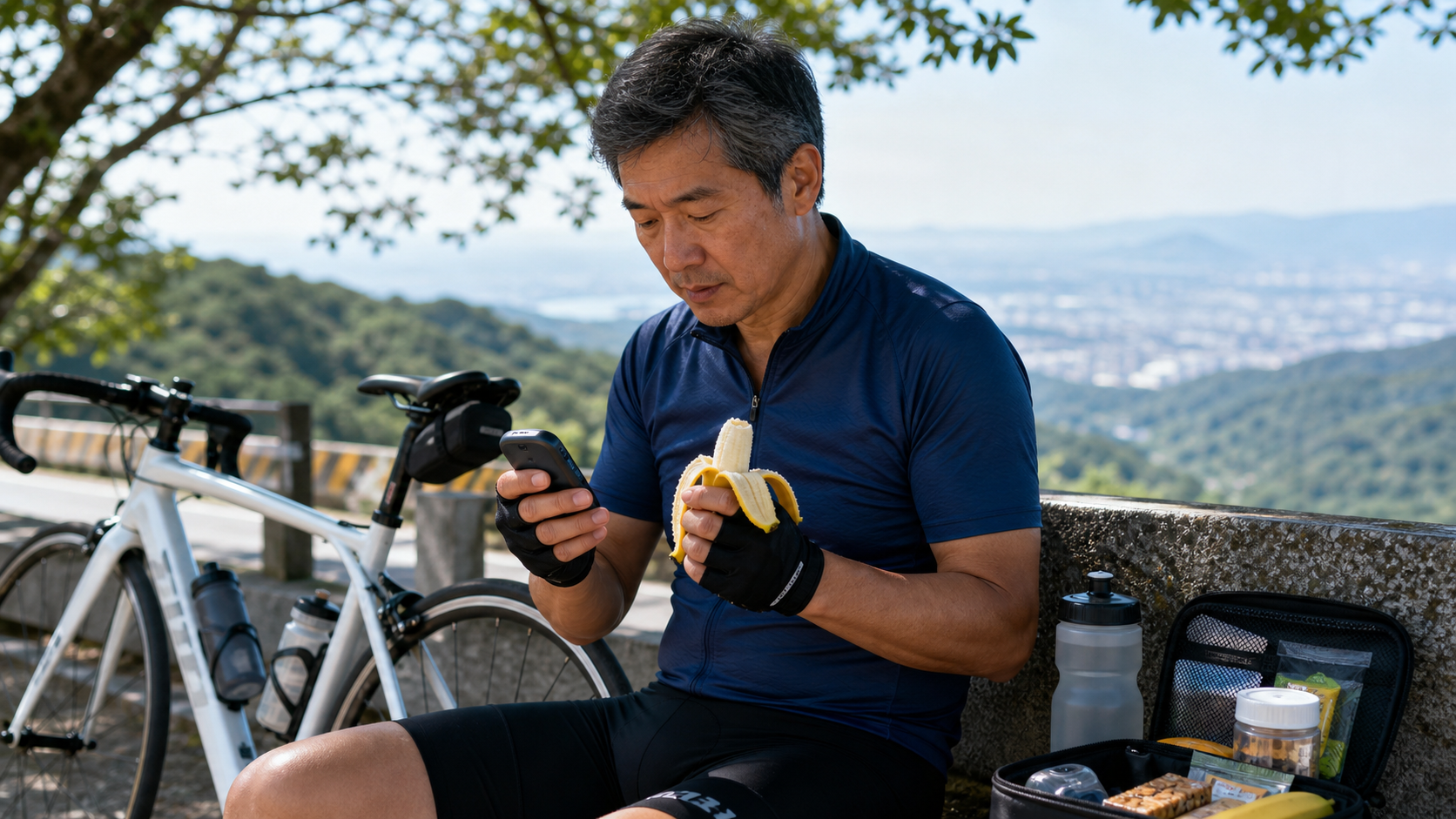
It All Started with a Diabetic Student Who Was “Afraid to Exercise”
A few years ago, a student with type 2 diabetes who had just turned fifty came to me. After retiring, he wanted to ride a bike to lose weight, but after his first climb up the hills of Xindian, he returned to the parking lot feeling weak all over, breaking out in a cold sweat, with trembling hands. His blood sugar had dropped to only 3.2 mmol/L (about 58 mg/dL). He was terrified and told his wife, “I’m never riding again. Exercise is too dangerous for diabetes.”
My only reply was: “It’s not the exercise that’s dangerous—it’s that you were missing a plan.”
After that, I helped him rebuild a complete blood sugar and carbohydrate management process for “before, during, and after exercise.” Six months later, he could safely ride up Yangmingshan, his HbA1c had dropped from 8.1% to 6.9%, and his medication had even been reduced. This wasn’t a miracle; it was the result of treating exercise as a task that “needs to be designed.”
In this article, I want to compile the practical notes from years of coaching diabetic students. Let me be clear from the start: people with diabetes not only can exercise, but exercise is one of the most effective and cheapest blood sugar management tools available. The question has never been “can I exercise,” but “how do I exercise safely and effectively.” I’ll write this in a way you can follow directly, including a few tables you can print out and stick on your fridge or slip into your jersey pocket.
Let me state my position upfront: this is educational content, not a replacement for your medical team. Adjustments to diabetes medication (especially insulin and sulfonylureas) and personal blood sugar targets must always be discussed with your physician and dietitian. What I provide here are general principles and thinking frameworks from exercise science and nutrition, so you’re “better equipped to have a dialogue with your medical team,” not to be your own doctor.
Why Does Exercise Affect Blood Sugar? Let’s First Understand the Mechanism
Many students initially think of blood sugar as something “simply pushed up by food and pulled down by medication.” But once exercise enters the picture, the whole picture becomes more complex. Understanding the mechanism is how you’ll know the reasoning behind every adjustment you make.
During Exercise: Muscles Are a “Sugar-Consuming Machine”
When you start exercising, contracting muscles need energy and will pull large amounts of glucose from the blood into the cells. The key point is that exercising muscles can bring glucose in through a pathway that doesn’t rely heavily on insulin (GLUT4 translocation). This is why exercise is so valuable for blood sugar control: even for type 2 diabetics with poor insulin action (insulin resistance), exercise can effectively lower blood sugar in the moment.
So under normal circumstances, aerobic exercise (cycling, brisk walking, jogging) will push blood sugar down. This is a good thing, but if you’re on insulin or oral medications that stimulate insulin secretion, this “downward trend” can go too far and turn into hypoglycemia.
After Exercise: Insulin Sensitivity Can Last for Hours
The benefits of exercise don’t end the moment you get off the bike. After exercise, muscles work to replenish the glycogen (the sugar stores in muscles) they used, and during this period the body’s sensitivity to insulin increases significantly. This “after-effect” can last 12 to 48 hours.
This is a double-edged sword. The upside: it makes your blood sugar more stable the next day and makes your medication go further. The risk: hours after exercise, or even in the middle of the night, “delayed hypoglycemia” can occur. My student from Xindian had his first incident during exercise itself, but more students have learned their lesson at night after exercise—which is why bedtime blood sugar and late-night snack strategies are so important. I’ll cover that in a dedicated section later.
High-Intensity and Anaerobic Exercise: Blood Sugar May Actually Spike First
Here’s a phenomenon that often confuses students: during very breathless, all-out high-intensity intervals, sprints, or weight training, blood sugar sometimes rises instead of falling. The reason is that high-intensity exercise triggers a large release of stress hormones like adrenaline and cortisol, which tell the liver to release stored sugar into the blood while temporarily suppressing insulin action.
So the type of exercise determines the “direction” of your blood sugar response:
| Exercise Type | Typical Examples | Common Blood Sugar Trend | Coach’s Reminder |
|---|---|---|---|
| Low-to-moderate intensity aerobic | Flat-road cycling, brisk walking, hiking | Usually decreases | Most need to guard against hypoglycemia |
| Long-duration endurance | Long climbs, long runs | Decreases early, may drop sharply later | Pacing your fueling is key |
| High-intensity interval/anaerobic | Sprints, weight training, short steep climbs | May rise first, drop afterward | Don’t panic and add medication because of a temporary high |
| Mixed type | Group rides (varying pace) | Highly variable, hard to predict | Check more often, keep records to find patterns |
I give this table to almost every student. Understanding that “different exercises push blood sugar in different directions” is the foundation of all adjustments.
Before Exercise: Where Your Blood Sugar Falls Determines How You Start
The blood sugar check before exercise is the first line of defense for the entire session. According to the American Diabetes Association’s (ADA) position statement on exercise, a pre-exercise blood sugar ideally falling between about 90 and 250 mg/dL (about 5.0 to 13.9 mmol/L) is a relatively safe starting range. But this is a general guideline; actual targets must be individualized.
I’ve organized this into a “Pre-Exercise Decision Table,” which is the one I use most often with students:
| Pre-Exercise Blood Sugar | Status Interpretation | Recommended Action (General Guidance, Not Medical Advice) |
|---|---|---|
| < 90 mg/dL (<5.0 mmol/L) | Low; dangerous to start | First consume 10–20 g of fast-acting carbs, wait until blood sugar is above 90 before starting |
| 90–124 mg/dL | Borderline low | If on insulin, consider consuming about 10–15 g of carbs before heading out |
| 125–180 mg/dL | Ideal starting range | Usually can start directly, but still carry supplies |
| 180–250 mg/dL | High but can exercise | Usually fine to exercise; exercise itself helps lower sugar; just observe |
| > 250 mg/dL with ketone concerns | Needs caution | Type 1 diabetics should check ketones first; if ketones are elevated (e.g., ≥1.5 mmol/L), postpone exercise and address the high blood sugar first |
Two important reminders about this table:
First, consuming carbs when blood sugar is below 90 isn’t “cheating”—it’s safety. Many students feel a sense of guilt—“I’m trying to lose weight, how can I eat sugar?”—and end up riding hard on an empty stomach while suppressing low blood sugar, which is extremely dangerous. Those 10–15 grams of carbs before exercise are for survival, not for breaking your diet.
Second, checking ketones when blood sugar is high is primarily a warning sign for type 1 diabetics. If you’re type 1 and your blood sugar exceeds 250 mg/dL and you feel unwell, it may indicate severely insufficient insulin. In this situation, exercise will make blood sugar and ketones spiral further out of control—it’s definitely not as simple as “moving will bring it down.” In this case, seek medical attention or follow your medical team’s instructions.
How Many Carbs Should You Actually Consume? Let’s Clarify the “Dose”
“Coach, how much should I actually eat?” This is the question I get asked most. There’s no one-size-fits-all answer because it depends on: whether you take insulin, how long and intense the exercise is, what your starting blood sugar is, and your individual physiological response. But I can give you a practical starting point.
Reference Range for Fueling Carbs
According to the ADA’s summary, if you’re exercising after taking a pre-meal rapid-acting insulin injection, prolonged activity may require about 30 to 60 grams of carbs per hour; alternatively, you could reduce the mealtime insulin dose by about 25% to 75% to reduce or even eliminate the need for extra sugar. These two approaches—“add carbs” or “reduce insulin”—are the core strategies, and in practice they’re often combined.
I’ve organized common scenarios into the fueling reference table below. Again, these are general ranges, not a prescription calculated to the gram. Any insulin dose adjustments must be discussed with your physician.
| Scenario | Exercise Duration and Intensity | Carb Fueling Reference | Notes |
|---|---|---|---|
| Fasted morning ride, low-to-moderate intensity | 30–60 minutes | About 10–15 g before departure | Especially needed if starting blood sugar is low |
| Post-meal (after insulin) exercise | Moderate intensity, within 1 hour | Depending on blood sugar, possibly 30–60 g per hour | Or discuss reducing that meal’s insulin with your physician |
| Long-duration endurance (e.g., long climbs) | Over 1 hour | About 30–60 g per hour, in divided portions | Don’t wait until you’re hungry; fuel on a set schedule |
| High-intensity interval/weight training | 30–45 minutes | Often no extra fueling needed; sugar may even rise first | The high-risk period for hypoglycemia is afterward |
“Fast Carbs” and “Slow Carbs” Should Be Used Separately
This is a very important practical point that many people get confused about:
- Fast carbs for emergencies: To treat current or imminent hypoglycemia, choose quickly absorbed options—glucose tablets, sugary sports drinks, fruit juice, sugar cubes, honey. Taiwan’s convenience stores are very convenient; a bottle of sports drink or a small juice box is a great option to carry.
- Slow carbs for sustained fueling: For long-duration exercise to provide a steady supply of sugar, pair with slower-absorbing options—bananas, energy bars, rice balls, sweet potatoes. These won’t cause blood sugar to spike or crash and are good as a base layer.
I often tell students: “Always have two kinds of sugar in your pocket—one for emergencies, one for a base.” Taiwan’s convenience store density is among the highest in the world, which is actually a major advantage for diabetics who exercise. Use it.
During Exercise: How to Keep Blood Sugar in Check While Moving
Once exercise begins, you enter “dynamic management” mode. Here are a few principles I repeatedly emphasize to students.
Check on a Schedule, Don’t Rely on Feelings
The early symptoms of hypoglycemia—trembling hands, cold sweats, heart palpitations, dizziness, difficulty concentrating—can sometimes be “masked” by the fatigue of exercise itself, making you think you’re just tired. Especially for those wearing a continuous glucose monitor (CGM), pay extra attention to the trend arrows during exercise. For those without a CGM, during longer sessions I recommend stopping to check every 30 to 60 minutes, particularly in the first few months while you’re still learning how your body responds.
Don’t Wait Until You’re Hypoglycemic to Fuel
This is the most common mistaken mindset: “I’ll eat when I feel something’s off.” The problem is, by the time you “feel something’s off,” your blood sugar has often already dropped very low, and you might be on a descent or in traffic, making it slow and dangerous to deal with. The correct approach is “preventive fueling”—fuel before the point where you expect a drop. For long climbs and long distances, follow the reference ranges above and fuel on a set schedule; don’t wait for your body to sound the alarm.
Taiwan’s Climate Is a Hidden Variable
This is something many articles don’t mention, but it’s very practical in Taiwan: hot, humid conditions make exercise more demanding and can also affect your ability to interpret hypoglycemia symptoms. In Taiwan’s summer, cycling or running means heavy sweating, elevated heart rate, and dizziness—these overlap with the symptoms of hypoglycemia. When you can’t tell whether it’s the heat or low blood sugar, the safest move is to “stop, check your blood sugar, and hydrate.” Taiwan’s summer afternoon thunderstorms and muggy riverside bike paths are not places to push through on stubbornness.
After Exercise: Delayed Hypoglycemia Is the Real Silent Killer
If you can only remember one thing from this article, I hope it’s this: delayed hypoglycemia, occurring hours after exercise and into the next day, is easier to overlook and more dangerous than hypoglycemia during exercise itself.
As mentioned earlier, after exercise the body works hard to replenish glycogen and insulin sensitivity increases significantly—an effect that can extend into the next day. This means: you finish a ride in the afternoon, and while you’re sleeping at night, your blood sugar may be quietly dropping, and you’re asleep, completely unaware.
I once coached a very dedicated type 1 diabetic. After tackling a long ride during the day, he took his usual dose of basal insulin at night and went to sleep. In the middle of the night, his blood sugar dropped so low that his family had to call an ambulance. In hindsight, the problem wasn’t a lack of effort—it was that he hadn’t factored “today’s large exercise volume” into his evening insulin and late-night snack strategy.
Post-Exercise Protection Strategies (General Guidelines)
| Time Point | What to Do |
|---|---|
| Immediately after exercise | Check blood sugar; if low, first consume fast carbs, then have a meal or snack containing carbs + protein to aid recovery |
| 2–4 hours after exercise | Check again to see if it’s still trending downward |
| Before bed | On high-volume exercise days, bedtime blood sugar is usually best kept “a bit higher”; if needed, have a slow-carb snack |
| Middle of the night (after a high-volume day) | If you have a CGM, set low-glucose alerts; any insulin dose adjustments must be discussed with your physician in advance |
Let me emphasize: whether and how to adjust post-exercise insulin (especially basal insulin) is a medical decision. You must have a plan in place with your physician in advance—don’t adjust on your own based on how you feel. What I can give you here is the awareness of this risk and the importance of proactively discussing an exercise-day plan with your medical team.
Different Medications Carry Different Hypoglycemia Risks: What You Should Know Before Exercising
Many students assume “having diabetes” is all the same thing, but the medication you’re taking directly determines how careful you need to be during exercise. Here’s a “risk map” from a coach’s perspective—note that this is to help you understand the landscape, not to adjust your own medication.
| Medication Type | Common Examples (Ingredients) | Hypoglycemia Risk During Exercise | Coach’s Reminder |
|---|---|---|---|
| Insulin | Various long-acting/rapid-acting insulins | High | Highly correlated with exercise timing and dose; requires the most advance planning |
| Sulfonylureas | glimepiride, gliclazide | Moderate to high | Stimulate insulin secretion; be especially careful with fasted exercise |
| Metformin (biguanide) | metformin | Low | Low hypoglycemia risk when used alone, but consider the overall picture when combined with other drugs |
| DPP-4 inhibitors | sitagliptin, etc. | Low | Low risk when used alone |
| SGLT2 inhibitors | empagliflozin, etc. | Low (but with ketoacidosis concerns) | Risk of dehydration and ketoacidosis; pay extra attention to hydration and warning signs during exercise |
| GLP-1 receptor agonists | Various injectables | Low | Few hypoglycemia events when used alone, but GI side effects may affect eating and fueling |
Once you understand this table, you’ll see why I always emphasize that “when your medication changes, your exercise plan needs to be re-discussed.” For the same ride, someone on insulin and someone on metformin alone have completely different preparation requirements. If you’re on insulin or sulfonylureas, you’re the person who most needs to read every section of this article.
Resistance Training Isn’t Optional—It’s a Hidden Weapon for Diabetics
When people talk about exercise for diabetes, they tend to only think of aerobic activity. But I want to advocate for weight training: resistance training (weightlifting) builds muscle mass, and muscle is your body’s largest “glucose storage tank.” More muscle means more capacity to soak up sugar from the blood, which greatly benefits insulin sensitivity over the long term.
The ADA also recommends that adult diabetics do resistance training at least twice a week, combined with aerobic exercise. In practice, here’s how I guide students:
- Beginners start with bodyweight or light weights: squats, sit-to-stand, resistance bands, light dumbbells. Focus on proper form first, then on load.
- Note that blood sugar may rise temporarily during weight training: as mentioned earlier, high-intensity/anaerobic work can cause a temporary rise in blood sugar. Don’t see a high reading after lifting and randomly add medication.
- Weight training days also carry delayed hypoglycemia risk: because it also increases subsequent insulin sensitivity, keep an eye on things at night.
I often tell middle-aged and older students: “The most important investment you can make after sixty is muscle.” For diabetics, this statement has a double meaning—muscle is both the foundation of physical capacity and a buffer for blood sugar.
Review of Two Real-Life Scenarios (Data Are Case Observations, Not Universal Values)
Case A: An Office Worker Who Eats Out and Does Lunchtime Brisk Walks
A type 2 diabetic in his forties, on metformin only, wanted to use his lunch break to brisk-walk for 30 minutes near his office. He was initially very nervous about hypoglycemia. In reality, because his medication carried a low hypoglycemia risk and his lunch was usually sufficient, I asked him to observe for two weeks: check blood sugar before and after each walk. His blood sugar declined steadily within the safe range every time, with no need for extra carbs at all.
The lesson from this case: not every diabetic needs to load up on carbs for exercise. It depends on your medication, your meals, and your intensity. Over-fueling actually undermines weight loss and blood sugar control. First understand which category you fall into, then decide on your strategy.
Case B: An Insulin-Dependent Weekend Long-Ride Enthusiast
Another type 1 diabetic loved joining weekend group rides along the North Coast. His problem wasn’t that he didn’t know how to fuel—it was that he fueled “too casually”: eating only when he thought of it or when hungry, resulting in blood sugar swinging wildly. I asked him to switch to “fixed amounts on a fixed schedule”: every 45 minutes, take in about 20–30 grams of carbs, and fuel before long climbs. He also discussed with his physician and slightly reduced his pre-meal insulin on long-ride days. After these adjustments, his blood sugar was much more stable throughout the ride, and most importantly—we also planned the post-race and evening strategy together, and he hasn’t had a single nighttime hypoglycemia episode since.
The lesson from this case: for endurance athletes with diabetes on insulin, “fueling rhythm” and “post-race overnight planning” are just as important as the training itself.
Common Mistakes and Corrections: I’ve Seen Students Fall into These Traps Too Many Times
Over years of coaching, some mistakes keep recurring. I’ve listed them here so you can avoid taking the long way around.
Mistake 1: Treating Exercise as “Punishment” and Pushing Through on an Empty Stomach
Symptoms: “My blood sugar is a bit high today, so I’ll just skip eating and go burn it off with exercise.”
The problem: If you’re on insulin or medications that stimulate insulin secretion, exercising fasted is a high-risk combination for hypoglycemia.
The fix: Exercise is a management tool, not self-punishment. Consume the carbs you need and focus on “safe and sustainable” rather than “burn a lot at once.”
Mistake 2: Checking Blood Sugar Only Once Before Exercise and Feeling Reassured
Symptoms: Checked 150 mg/dL before heading out, felt fine, and didn’t check again the entire session.
The problem: Blood sugar is dynamic. Especially during longer exercise, one number won’t cover the whole session.
The fix: Build the habit of checking “before, during, and after,” especially during the learning phase. Keep records, and you’ll gradually see your body’s patterns.
Mistake 3: Ignoring Delayed Hypoglycemia
Symptoms: Felt fine during exercise, assumed you were in the clear, and went about your evening as usual.
The problem: This is the most dangerous blind spot, and I’ve already given you a real-life example.
The fix: Factor “today’s exercise volume” into your evening meal and (under your physician’s guidance) medication considerations.
Mistake 4: Starting a New Medication Without Re-Evaluating Your Exercise Plan
Symptoms: Changed medication or added insulin, but kept the exact same exercise routine.
The problem: Different medications carry very different hypoglycemia risks. Drugs like SGLT2 inhibitors also involve ketoacidosis risk in certain situations, and both exercise and dietary strategies may need to change accordingly.
The fix: With any medication change, proactively confirm with your physician whether your exercise plan needs to be adjusted.
Mistake 5: Not Building Up “Carb Estimation” Skills as Someone Who Eats Out
Symptoms: Eating out is convenient in Taiwan, but the carb content of a bento box, a bowl of beef noodle soup, or a serving of fried chicken varies enormously. If you can’t estimate accurately, you can’t nail your fueling and medication.
The fix: Practice roughly estimating the carbs in the foods you commonly eat out (a dietitian can walk you through it a few times). This is an extremely practical fundamental skill for diabetics in Taiwan. Under the National Health Insurance system, many hospitals offer diabetes education clinics and nutrition counseling—use them.
Action Recommendations for Readers at Different Levels
Everyone starts from a different point, so I’ve divided my recommendations into three tiers.
Beginners: Newly Diagnosed, Just Starting to Move
- First, have an “exercise plan meeting” with your medical team: bring the activities you want to do (walking, cycling, swimming) and ask your physician and diabetes educator about your medication’s hypoglycemia risk and your personal blood sugar targets.
- Start with low intensity, short duration, and regularity: for example, 20–30 minutes of brisk walking daily. The ADA recommends adults accumulate about 150 minutes of moderate-intensity aerobic exercise per week, combined with resistance training at least twice a week, and try not to go more than 2 consecutive days without activity to maintain insulin sensitivity. Beginners don’t need to hit all targets at once—first build the habit.
- Make “two kinds of sugar in your pocket” muscle memory: always have emergency fast-acting sugar when you head out.
Intermediate: Already Exercising Regularly
- Start keeping records and analyzing: log exercise type, duration, before/during/after blood sugar, and fueling amounts to find your personal pattern of “which exercise drops me by how much.” This is more accurate than any generic table.
- Use a CGM if you can afford it: continuous glucose monitoring is extremely helpful for understanding post-exercise trends, especially for catching delayed hypoglycemia.
- Learn to distinguish how different exercise types affect blood sugar: understand and manage the blood sugar responses to aerobic, interval, and resistance training separately.
Advanced: Endurance Athletes Aiming for Long Distances or Events
- Do a full rehearsal with your medical team before race day: for long, high-energy-expenditure events, fueling and medication strategies must be designed in advance—don’t experiment on the fly.
- Practice your “race fueling rhythm”: during training, get comfortable with the 30–60 g per hour fueling schedule so race day is just following the plan.
- Pay extra attention to post-race and overnight: the risk of delayed hypoglycemia is highest after major events. Have a post-race plan agreed upon with your physician in advance—don’t let months of effort be ruined by a final oversight.
A Sample “Safe Exercise Day” Workflow You Can Follow
Tying all the principles above together, here’s a one-page workflow I often give students (a general demonstration, not personalized medical advice):
| Stage | Action |
|---|---|
| 30 minutes before exercise | Check blood sugar, interpret using the “Pre-Exercise Decision Table”; if low, first consume 10–15 g of carbs |
| Before departure | Confirm emergency fast sugar + base slow carbs are in your pocket; bring enough water (bring extra in Taiwan’s humid heat) |
| Every 30–60 minutes during exercise | For longer sessions, check blood sugar on a schedule; fuel preventively before expected drop points |
| Immediately after exercise | Check blood sugar; have a recovery meal with carbs + protein |
| 2–4 hours after exercise | Check again to observe the downward trend |
| Before bed | On high-volume days, keep bedtime blood sugar a bit higher; if needed, have a slow-carb snack |
| Throughout | Record any severe or repeated hypoglycemia episodes and report them fully to your physician at your next visit |
An Eight-Week Beginner Program for Type 2 Newcomers (Sample Template)
What many students need most is “someone to tell me what step one and step two are.” Here’s a skeleton of the beginner program I commonly use, to give you a concrete starting point. This is a general template—intensity and content must be adjusted based on your fitness, medication, and physician’s advice.
| Week | Aerobic (Sessions × Duration per Week) | Resistance Training | Coach’s Focus |
|---|---|---|---|
| Weeks 1–2 | Brisk walking 3 × 20 min | None (build the habit first) | Focus on consistency, not intensity; record before/after blood sugar each session |
| Weeks 3–4 | Brisk walking/cycling 4 × 25 min | Bodyweight 1 session (squats, sit-to-stand) | Begin to feel how different exercises affect blood sugar |
| Weeks 5–6 | Aerobic 4 × 30 min | Resistance bands/light dumbbells 2 sessions | Work toward the goal of accumulating close to 150 min of aerobic per week |
| Weeks 7–8 | Aerobic 4–5 × 30–40 min | Resistance 2 sessions, can slightly increase load | Establish a sustainable long-term rhythm; don’t overdo it |
This program is deliberately designed to be “slow.” I’ve seen too many students go all-out at the start, only to quit within two weeks due to injury or a hypoglycemia scare. The best exercise is the exercise you can sustain. Better to still be moving after eight weeks than to be out by week two.
Don’t Forget Hydration and Electrolytes: Practical Details for Diabetics in Taiwan
We’ve talked a lot about blood sugar, but hydration is equally important, especially in Taiwan. Sweating during exercise loses water and electrolytes. Dehydration itself can make blood sugar readings look higher, make you more fatigued, and make it harder to assess your condition.
A few practical reminders:
- For general low-to-moderate intensity exercise within 1 hour, plain water is usually sufficient. You don’t need to chug sugary sports drinks for every workout—that can actually undermine weight loss and blood sugar control.
- Only for sessions over 1 hour with heavy sweating should you consider sports drinks with electrolytes and moderate carbs. At that point, they serve triple duty: hydration, sugar, and electrolytes.
- Those on SGLT2 inhibitors should be more proactive about hydration, as these drugs increase urination and raise dehydration risk.
- Taiwan’s summers are muggy and hot; waiting until you’re thirsty is often already too late. For longer sessions, take small sips on a schedule rather than waiting until you’re very thirsty.
Think of hydration management and blood sugar management together, and your exercise will be safer and feel better.
Coach’s Mailbox: The 6 Most Frequently Asked Questions About Exercise and Diabetes
These are the questions I get asked constantly in lectures and diabetes education clinics. Here they are, all in one place.
Q1: My blood sugar is a bit high before exercise (e.g., 200 mg/dL). Can I still exercise?
A: For most type 2 diabetics, this number is usually fine to exercise with, and the exercise itself will help bring it down. The real warning sign is for type 1 diabetics whose blood sugar exceeds 250 mg/dL and feel unwell—that could signal severely insufficient insulin. In that case, check ketones and follow your medical team’s instructions rather than trying to push it down with exercise.
Q2: When hypoglycemia hits, what exactly should I eat and how much?
A: A common approach is the “15 grams of fast carbs, wait about 15 minutes, then recheck.” 15 grams is roughly: 3–4 glucose tablets, one small juice box, or about half a can of sugary sports drink. If it hasn’t come back up, repeat. Once recovered, if you’re going to continue exercising or your next meal is far away, add a slow-carb base. Chocolate, potato chips, and other high-fat snacks raise blood sugar slowly and are not good emergency choices.
Q3: Can I “cure” my diabetes with exercise and stop my medication?
A: Exercise can dramatically improve blood sugar and may give your physician the opportunity to reduce your medication—that’s true. But “stopping medication” is a medical decision that must be made by your physician based on data. Never stop on your own. I’ve seen students who stopped their medication on their own and ended up hospitalized with out-of-control blood sugar. It’s just not worth it.
Q4: Is fasted exercise (e.g., riding before breakfast) safe?
A: It depends on your medication. For those on metformin only, low-intensity fasted morning exercise is usually fine. For those on insulin or sulfonylureas, fasted exercise is a high-risk scenario for hypoglycemia. Check your blood sugar before heading out, carry supplies, and if it’s low, consume 10–15 g of carbs first.
Q5: Once I have a CGM, do I still need to prick my finger?
A: CGM is very helpful for seeing trends, especially for changes during exercise and at night. However, changes in blood flow and subcutaneous tissue during exercise can cause CGM readings to differ from actual blood sugar. If you suspect the reading is off, or when you’re about to make an important decision based on the number (such as determining whether you have severe hypoglycemia), it’s still recommended to confirm with a fingerstick glucose meter.
Q6: It’s so hot in Taiwan in the summer. What should diabetics pay attention to when exercising?
A: Three things—hydrate, avoid the hottest hours, and learn to distinguish “heat” from “hypoglycemia.” In Taiwan’s humid heat, dehydration happens faster, especially for those on SGLT2 inhibitors. Choose early morning or evening, find shaded riverside paths or indoor venues, and don’t push through on the asphalt at noon.
Conclusion: Make Exercise the Most Useful Tool in Your Hands
Let’s return to that student from Xindian at the beginning. He now rides regularly and has even become a “little captain” who leads other diabetics in his community to exercise together. He often says something I love: “Diabetes didn’t tell me not to move—it told me to move smart.”
Nutrition management for diabetes and exercise, when you strip it down, comes down to three things: understand which direction exercise pushes your blood sugar, learn to balance it with carbs and (under your physician’s guidance) medication, and keep the silent killer of delayed hypoglycemia in mind. Master these three, and exercise will transform from something you fear into your most powerful ally in blood sugar management.
You don’t need to be perfect all at once. Start with one safe walk today, one regular blood sugar check, one good conversation with your physician about an exercise plan. Gradually turn this process into a life habit. Your body will repay you with steadier blood sugar, better fitness, and less medication.
And finally, the most important sentence of all—
This article is educational content and cannot replace individualized diagnosis and treatment advice from a physician, physical therapist, or dietitian. Blood sugar targets, medication adjustments (especially insulin and various glucose-lowering drugs), and exercise prescriptions for diabetes must be individually assessed by your medical team based on your personal situation. If you experience severe or repeated hypoglycemia or unrelieved discomfort during exercise, stop immediately and seek medical attention as soon as possible.
References
- Physical Activity/Exercise and Diabetes: A Position Statement of the American Diabetes Association — https://pmc.ncbi.nlm.nih.gov/articles/PMC6908414/
- Physical Activity/Exercise and Diabetes (Diabetes Care original article) — https://diabetesjournals.org/care/article/39/11/2065/37249/Physical-Activity-Exercise-and-Diabetes-A-Position
- Key Points from the Updated Guidelines on Exercise and Diabetes — https://pmc.ncbi.nlm.nih.gov/articles/PMC5317029/
- Weekly Exercise Targets, American Diabetes Association — https://diabetes.org/health-wellness/fitness/weekly-exercise-targets
Related Reading
- Exercise and Blood Sugar Control: The Exercise Medicine for Diabetes—A Coach’s Guide to Treating “Movement” as a Prescription
- Cycling and Diabetes Management: A Cycling Prescription for Blood Sugar Control
- Type 2 Diabetes and Endurance Exercise: A Complete Analysis of Blood Sugar Response Mechanisms and Pre/Post-Exercise Precautions
- Cycling and Diabetes Management: The Science of Riding for Blood Sugar Control and Insulin Sensitivity
靠單車減肥35公斤 心得分享與整理
7 年前
4K 東眼山 x 水蜜桃冰沙 百人單車約騎! 操完再吃冰 多爽快
7 年前
#公路車 #Fitting 靠人工智慧APP 幫你調整單車
6 年前
一日北高常見問題大集合 | 攻略 | 路線 | 訓練 | 補給 | 自行車 單車 | 一日雙城 | 雙塔 | TWB北高360 | 屁股痛
6 年前
單車 一日北高 ( 雙城 ) 肥宅雙人瘋狂行 紀錄片 REACTO
10 年前
台北大雁西飛 約騎挑戰 feat. Doris | 公路車 | CT Yeh
3 年前
#PUSHBIKE 原來這麼好玩! 小朋友 滑步車 初體驗 超可愛
6 年前
下次拍照前要查清楚啦🤣 #cycling
7 個月前