Athlete Diets for Food Allergies vs. Intolerances: Allergy vs. Intolerance, Lactose and Gluten, and Smart Alternatives
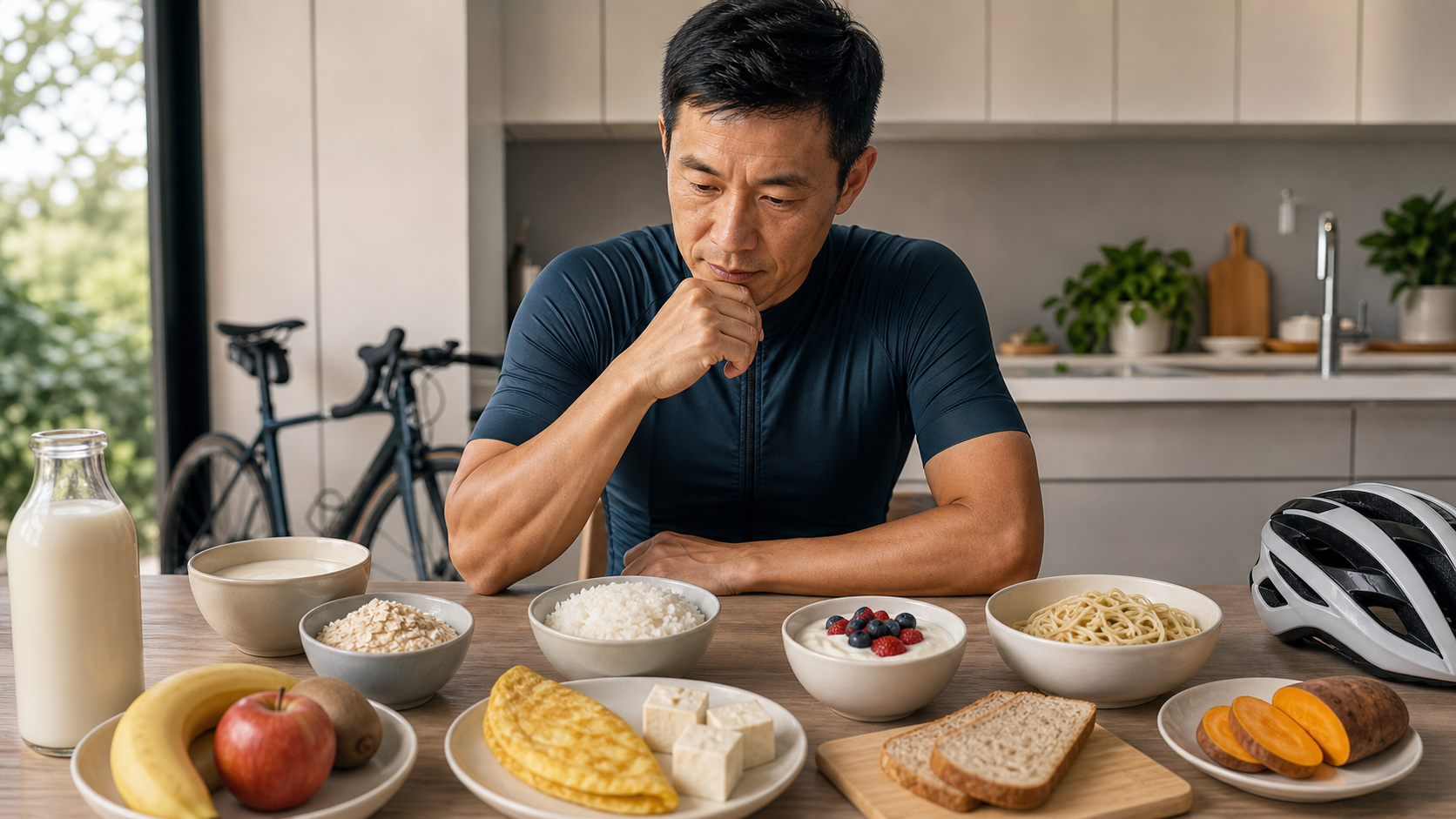
Introduction: Starting with a Cyclist Who Was Drained Before Wuling
Among the athletes I’ve coached, one of the most memorable cases was a middle-aged male cyclist preparing to conquer the western ascent of Wuling. Let’s call him Old Chen. Old Chen’s fitness wasn’t bad—his FTP was around 3.6 W/kg, and he had put in enough long climbing miles that finishing should have been a breeze. But every time he did a high-intensity long ride or before a race, he would repeatedly suffer from bloating, intestinal cramps, and even urgent bathroom runs. After searching online, he told me definitively: “Coach, I must be allergic to gluten. I’ve cut out bread and noodles.”
I asked him not to jump to conclusions. We laid out his diet from the two weeks before the race item by item and found the real pattern: whenever his previous meal included a large latte, cheese, or yogurt-based dairy products, he was especially prone to trouble three to four hours later on the bike. This wasn’t a gluten allergy—it was lactose intolerance—an extremely common yet chronically misunderstood issue among Taiwanese adults.
In this article, I want to clarify the often-conflated concepts of “food allergy” and “food intolerance,” focus on lactose and gluten—the two most common pitfalls for athletes—and give you a set of alternatives that are genuinely practical within Taiwan’s eating-out environment. Whether you’re a beginner cyclist aiming to finish or a seasoned rider chasing power limits, taking care of your gut is what keeps your training and racing from falling apart.
Here’s the bottom line: An allergy is an immune system issue; an intolerance is a digestive enzyme and gut issue. The logic for handling them is completely different. Getting this wrong means not only needlessly cutting out nutrition but also potentially letting the real problem go unnoticed.
Conceptual Foundation: What’s the Difference Between Allergy, Intolerance, and Sensitivity?
In everyday conversation, these three terms are almost used interchangeably, but in sports nutrition and clinical practice, they are three different things. Understanding the difference tells you who to see next and how to eat.
Food Allergy: An Overreaction of the Immune System
A food allergy is a reaction in which the immune system mistakes a food protein for an enemy. The most typical form is an immediate reaction mediated by IgE antibodies. Its characteristics are:
- Fast onset: Usually occurs within minutes to two hours after eating.
- Tiny amounts can trigger it: Even trace amounts can cause a reaction.
- Symptoms span multiple systems: Not just gastrointestinal—skin (hives, swelling), respiratory (wheezing, coughing, throat tightness), and cardiovascular (blood pressure drop) symptoms can also appear.
- Can be fatal in the worst cases: Severe reactions can lead to anaphylaxis, which is a medical emergency requiring immediate treatment, and in severe cases, epinephrine.
Common allergens in Taiwan include shellfish (shrimp, crab), nuts, eggs, milk protein, and certain fruits. Please note: “milk protein allergy” and “lactose intolerance” are completely different things—the former is an immune reaction to proteins in milk (such as casein or whey protein), while the latter is simply a lack of the enzyme that breaks down lactose.
Food Intolerance: A Digestive and Metabolic Problem
Food intolerance does not involve the immune system; rather, the body cannot properly digest or metabolize a certain component. The classic example is lactose intolerance—the small intestine lacks sufficient lactase, undigested lactose enters the large intestine, gets fermented by bacteria, producing gas and osmotic water, leading to bloating, abdominal pain, and diarrhea. Its characteristics are:
- Slower onset: Usually occurs 30 minutes to several hours after eating.
- Dose-dependent threshold: Small amounts may be fine; problems arise only when you exceed a certain amount.
- Symptoms concentrated in the gut: Primarily bloating, borborygmus (stomach gurgling), abdominal pain, and diarrhea; usually not life-threatening.
Non-Celiac Gluten Sensitivity (NCGS): The Gray Area in Between
There’s another frequently discussed condition called “Non-Celiac Gluten Sensitivity” (NCGS). It’s neither a typical allergy nor an autoimmune disease like celiac disease, but some people do experience gastrointestinal discomfort and fatigue after eating gluten-containing foods. Currently, there are no reliable biomarkers to definitively diagnose NCGS in medicine, and many people self-diagnose and go gluten-free directly—which is exactly what I want to caution athletes about.
Here’s a comparison table I often use to explain the differences to my athletes:
| Aspect | Food Allergy | Food Intolerance | NCGS (Gluten Sensitivity) |
|---|---|---|---|
| Mechanism | Immune system (IgE, etc.) | Enzyme / digestive metabolism | Mechanism not fully understood |
| Onset speed | Minutes to 2 hours | 30 minutes to several hours | Several hours to 1–2 days |
| Dose relationship | Trace amounts can trigger | Threshold-based; only excess triggers | Highly individual |
| Common symptoms | Skin, respiratory, GI, cardiovascular | Primarily GI | GI discomfort + fatigue |
| Fatal risk | Yes (severe allergic reaction) | Extremely low | Extremely low |
| Diagnosis | Physician testing (IgE, oral challenge) | Breath test, elimination diet | No reliable biomarker currently |
Once you understand this table, you’ll see: Old Chen didn’t need to cut gluten—he needed to figure out his lactose threshold.
Lactose Intolerance: The Most Common Hidden Opponent for Taiwanese Athletes
Why Are Taiwanese People Especially Prone to Lactose Intolerance?
This isn’t your fault—it’s genetics. After weaning, lactase activity naturally declines in humans; only certain populations (mostly Northern Europeans and some cattle-herding groups in the Middle East and Africa) evolved the gene for “lactase persistence,” allowing them to digest large amounts of lactose into adulthood. East Asian populations, including Taiwan, have a very low rate of lactase persistence.
According to market and consumer survey data, Taiwan is classified as a region with an extremely high rate of lactose intolerance, with an estimated up to 80% of adults experiencing some degree of lactose digestion difficulty (World Population Review, 2026). This also explains why many Taiwanese cyclists “feel unwell after drinking milk”—it’s nearly the norm in our population, not a rarity.
Lactose Intolerance ≠ Completely Avoiding Dairy
This is the biggest misconception. Lactose intolerance is a dose issue, not an “instant reaction” allergy. Many studies and clinical experiences indicate that most lactose-intolerant people can tolerate small amounts of lactose, especially when consumed in divided portions, with meals, and alongside other foods. In other words, you don’t have to banish all dairy products.
Furthermore, lactose content varies greatly between different dairy products. Fermented yogurt and aged hard cheeses have far less lactose than fresh milk. Here’s a “lactose landmine index” I give my athletes (values are general ranges and vary by product):
| Dairy Product | Reference Serving | Lactose Content (Relative) | Advice for Athletes |
|---|---|---|---|
| Whole / low-fat fresh milk | 240 ml | High | Avoid large amounts alone before high-intensity training |
| Latte / milk tea | Large cup | Medium–high | Limit before races and long rides, or switch to oat milk |
| Regular yogurt | One small cup | Medium | Small amounts OK; those with live cultures are better tolerated |
| Greek yogurt | One small cup | Medium–low | Usually easier to digest, also high in protein |
| Aged hard cheese (e.g., Parmesan) | One small slice | Low | Tolerable for most people |
| Butter | One small pat | Extremely low | Generally no issue |
| Lactose-free milk | 240 ml | Nearly zero | Great choice for calcium and protein |
Timing Matters Even More for Athletes
For athletes, timing is more important than the type of food. During high-intensity exercise, blood is shunted away from the gastrointestinal tract to the working muscles, reducing digestive capacity. If you’ve just loaded up on lactose, fermentation gas plus reduced gut blood flow will trigger that miserable scenario of “wanting to vomit on the climbs and hunting for a bathroom on the descents.”
What I did with Old Chen was: avoid high-lactose sources 24 hours before a race and 3–4 hours before training; for everyday milk or yogurt, save them for non-training days or post-training recovery, and start with small amounts to test your own threshold. With this approach, his pre-race gut issues virtually disappeared, without sacrificing any nutrition.
Gluten: First Determine Which Type You Are
Gluten is a group of proteins found in wheat, barley, and rye. There are actually three levels of gluten-related conditions, and the management for each is vastly different.
Three Levels—Don’t Confuse Them
- Celiac Disease: This is an autoimmune disease. Ingesting gluten causes the immune system to attack the villi of the small intestine, leading to long-term nutrient malabsorption. Patients with this condition must follow a strict, lifelong gluten-free diet—this is a medical treatment, not a lifestyle choice. Diagnosis requires a physician using serum antibodies, biopsy, and other methods.
- Wheat Allergy: An IgE-mediated allergic reaction to wheat proteins; management follows the same logic as the food allergies mentioned earlier.
- Non-Celiac Gluten Sensitivity (NCGS): The gray area mentioned earlier—symptoms are real, but the mechanism is unclear and there are no biomarkers.
For Athletes Without Celiac Disease, Does Going Gluten-Free Help?
This is one of the questions I get asked most often. Honestly, the evidence does not support “going gluten-free improves performance in non-celiac athletes.” In a randomized crossover double-blind study of non-celiac cyclists, athletes followed both gluten-containing and gluten-free diets, and the results showed no differences between the two diets in gastrointestinal damage, GI symptoms, systemic inflammatory response, perceived well-being, or individual time trial performance (Gatorade Sports Science Institute).
More notably, in a survey of athletes, about 40% of non-celiac athletes followed a gluten-free or reduced-gluten diet (mostly endurance athletes), but only a little over 10% did so due to a confirmed medical condition—more than half were self-diagnosed (GSSI). And a recent pilot trial on non-celiac athletes undergoing sprint interval training also showed that a gluten-free diet did not alter performance outcomes (PMC, 2026).
What does this mean? If you don’t have celiac disease or a wheat allergy, blindly cutting gluten is unlikely to make you faster—it may actually reduce the fiber, B vitamins, and iron you get from whole grains, and severely restrict you in Taiwan’s eating-out environment.
Then Why Do Some People Actually Feel Better After Cutting Gluten?
That’s a good question, and the answer often lies in FODMAPs. Wheat products contain both gluten and fructans (a type of fermentable carbohydrate belonging to the FODMAP family). For some people, the real culprit behind their gut discomfort is actually FODMAPs, not gluten itself. When they “cut gluten,” they inadvertently reduce the fructans in wheat, so symptoms improve—but they mistakenly credit gluten. This is why the field of sports nutrition increasingly favors “low-FODMAP strategies” for managing athletes’ GI symptoms rather than a blanket gluten-free approach.
Practical Methods: Alternatives and Pre-Race Nutrition Design
Now that the concepts are clear, let’s get to what’s actually usable. Here are my alternative lists and schedule-based recommendations for athletes in different situations.
Alternatives and Remedies for Lactose Intolerance
| Need | Traditional Source | Recommended Alternative | Notes |
|---|---|---|---|
| Breakfast drink | Fresh milk, latte | Lactose-free milk, oat milk, soy milk | Soy milk adds plant protein |
| Post-training protein | Whey protein (contains lactose) | Isolate whey (very low lactose), plant protein | Most people tolerate isolate whey |
| Calcium | Milk, cheese | Firm tofu, dried small fish, dark leafy greens, lactose-free milk | Braised soy products from Taiwanese eateries work well |
| Recovery snack | Yogurt | Greek yogurt, yogurt with added lactase | Test your threshold with small amounts |
| When you just want it | Various dairy products | Take lactase enzyme tablets with meals | Available at pharmacies; follow product instructions |
Lactase enzyme supplements are a very practical tool: taken before consuming lactose-containing foods, they help break down lactose, so you can occasionally enjoy ice cream or a milk tea without too much suffering. But they’re an aid, not a miracle cure—you should still control total intake.
Gluten-Free Alternatives (Only for Those with Celiac Disease / Wheat Allergy)
If you’ve truly been diagnosed as needing a gluten-free diet, the good news is that Taiwan offers a rich variety of carbohydrate options, and many staple foods are naturally gluten-free:
- Naturally gluten-free staples: White rice, brown rice, sweet potato, potato, corn, rice vermicelli, mung bean noodles, and products made from indica rice (such as radish cake—just confirm no wheat flour is mixed in).
- Hidden gluten to watch for: Soy sauce (most contain wheat; choose gluten-free soy sauce), thickened sauces, gluten-based products (common in vegetarian mock meats), and some energy bars and sports supplements.
- Pre-race carbs: White rice, sweet potato, banana, and gluten-free oats are all excellent glycogen-loading sources that fully meet the energy needs of long-distance cycling.
A 24-Hour Pre-Race Meal Plan for Cyclists with a Sensitive Gut
This is a low-irritation template I designed for athletes prone to gut issues (assuming a ~100 km race with long climbs the next morning):
| Time | Content | Design Focus |
|---|---|---|
| Lunch the day before | White rice + skinless chicken + cooked vegetables | Easy to digest, low fat, avoid excessive high-fiber foods |
| Afternoon the day before | Banana, white toast (for those who tolerate gluten) | Replenish carbs, avoid high lactose |
| Dinner the day before | White rice or noodles (if tolerated) + lean meat + low-oil vegetables | Glycogen loading, avoid fried foods and heavy dairy |
| Before bed | Small amount of sweet potato or lactose-free drink | Stabilize blood sugar without bloating |
| 3 hours before race | White rice or sweet potato + small amount of protein | Provide ample energy, allow time to digest |
| 1 hour before race | Banana or energy gel | Quickly available carbs |
The key isn’t “eating expensive supplements”—it’s eating what your gut can handle, at the right time. Taiwan’s summers are hot and humid, and elevated core temperature during racing further suppresses gut function, so minimizing GI load before the race is more important than anything else.
Deep Dive into FODMAPs: The Real Culprit Mistaken for Gluten
As mentioned earlier, in many cases where “cutting gluten worked,” the real hero was the incidental reduction of FODMAPs. Given that, athletes deserve to know this concept better. FODMAP is an acronym for a group of “fermentable, poorly absorbed short-chain carbohydrates,” including fructans, lactose, polyols (like sorbitol), some fructose, and oligosaccharides. Their common trait: they’re easily fermented by bacteria in the large intestine, producing gas and drawing water into the gut, leading to bloating, borborygmus, diarrhea, and abdominal pain.
For athletes with a sensitive gut, temporarily reducing high-FODMAP foods before races or high-intensity training is often more targeted than cutting gluten. Note that a low-FODMAP diet is a “short-term strategy,” not a long-term lifestyle—excessive long-term restriction can actually harm the gut microbiome. Think of it as a tool you pull out for the day or two before a race.
Here’s a quick reference table for common foods by FODMAP level (relative concept; the larger the portion, the more likely problems arise):
| Category | Higher FODMAP (limit before races) | Lower FODMAP (relatively safe) |
|---|---|---|
| Staples | Large amounts of wheat bread, noodles | White rice, rice vermicelli, oats (moderate), sweet potato (moderate) |
| Fruits | Apple, watermelon, mango, lychee | Banana (moderately ripe), grapes, orange |
| Vegetables | Onion, garlic, large amounts of broccoli | Carrot, spinach, cucumber, tomato |
| Dairy | Fresh milk, regular yogurt | Lactose-free milk, aged hard cheese |
| Legumes | Large amounts of beans, chickpeas | Firm tofu (moderate) |
| Sweeteners | Sorbitol-containing sugar-free gum, large amounts of honey | Regular sugar, maple syrup (moderate) |
I usually ask my athletes to treat this table as a “24-hour pre-race decision guide,” not a strict daily regimen. Eating balanced on a regular basis and tightening up only before races is both healthier and more practical.
Second Case Study: A Female Triathlete Who Thought She Was Allergic to Eggs
Let me share another case to show how easily “self-diagnosis” goes wrong. Xiaomin was an amateur female triathlete. She told me she was “allergic to eggs,” so she never ate eggs at breakfast. Her protein intake was chronically low, recovery was consistently poor, and she even showed signs of fatigue and menstrual irregularities for a while.
I asked her to recall the basis for her “allergy,” and it turned out: she had diarrhea once after eating a soft-boiled egg from a braised snack stand, and she put eggs on her blacklist. But that time, she had also eaten a large amount of heavily seasoned braised food and was dehydrated after training in the heat—there were plenty of variables, so blaming the egg was a stretch.
I recommended she get a formal evaluation from a physician. The tests showed she did not have an egg allergy. With the help of her doctor and a dietitian, she reintroduced eggs into her diet. Once her protein intake was restored, her recovery quality and training status improved markedly. The lesson from this case: one episode of discomfort is not enough to constitute an allergy diagnosis; before permanently banning an entire food category, confirm the evidence. Especially for female athletes, if misguided dietary restriction leads to chronic energy and nutrient deficiency, it can affect hormones and bone health—the cost is high, and this requires professional assessment, not self-guessing.
FAQ
These are the questions I get asked most frequently by athletes. Here they are all in one place:
Q1: I get diarrhea every time I drink milk. Does that mean I can never touch dairy again?
Not necessarily. Lactose intolerance is a dose issue—most people can tolerate small, divided amounts of lactose with meals. You can try lactose-free milk, aged hard cheese, or Greek yogurt, or take lactase enzyme tablets before consuming dairy. The only people who truly need to avoid all milk components are those with “milk protein allergy,” which is a different matter requiring a physician’s diagnosis.
Q2: Will going gluten-free make me ride faster?
If you don’t have celiac disease or a wheat allergy, current evidence does not support gluten-free diets improving performance. Instead of cutting gluten, focus on meal timing, portion sizes, and FODMAP management.
Q3: I want to confirm whether I have celiac disease. What should I be aware of?
The most critical point: Don’t go gluten-free on your own before getting tested. If you’ve already stopped eating gluten for a while, the tests may not detect anything. Please get evaluated while you’re still eating gluten normally.
Q4: Can plant milks (oat milk, soy milk) completely replace cow’s milk?
For “avoiding lactose,” yes, and they’re very convenient. But note that the nutrition isn’t equivalent: soy milk is higher in protein, while oat milk is primarily carbs with low protein; calcium may also be insufficient (unless it’s a calcium-fortified product). If you’re replacing milk with plant milks, remember to get calcium and protein from other foods.
Q5: What can I do right now if I get stomach cramps and need the bathroom during a race?
Immediately lower your intensity and slow your breathing to allow blood to return somewhat to the gut; hydrate but don’t chug, to avoid further irritating the intestines. The real solution lies before the race—practice your pre-race diet and fueling strategy during training so race day doesn’t fall apart.
Q6: How can someone who eats out all the time actually follow these principles?
Eating out in Taiwan is actually manageable: choose naturally gluten-free, low-irritation carbs like white rice, rice vermicelli, or sweet potato as staples; pick lean proteins that are steamed, boiled, or low-oil, or soy products; avoid large milk teas, lattes, fried foods, and heavy flavors before races. Master the three principles of “light, easy to digest, and right timing.”
Common Mistakes and Corrections
Over years of coaching, I’ve seen too many people go down the wrong path due to misunderstandings. Here are the most common ones:
Mistake 1: Treating Intolerance as Allergy and Over-Restricting
Symptoms: Declaring “milk allergy” after bloating from milk, then avoiding all dairy and protein supplements entirely.
Correction: First determine whether it’s an intolerance or an allergy. If it’s lactose intolerance, you can keep low-lactose dairy products, use lactose-free milk or isolate whey for protein and calcium—no need for a total ban. The cost of over-restricting is inadequate calcium and protein intake, which harms bone and muscle recovery in the long run.
Mistake 2: Going Lifelong Gluten-Free Without a Diagnosis
Symptoms: Following the gluten-free trend without ever having any testing done.
Correction: If you suspect celiac disease, make sure to see a doctor for testing while you’re still eating gluten. If you go gluten-free first and then get tested, the antibodies and intestinal changes may have already been “washed out,” leading to a false negative and delaying a true diagnosis. Taiwan has convenient healthcare with accessible national health insurance—this step really shouldn’t be skipped.
Mistake 3: Using Food Restriction to Replace Finding the Cause
Symptoms: Every time GI discomfort occurs, cut out another food. The food list gets shorter, anxiety grows, but symptoms don’t improve.
Correction: GI symptoms have many causes—FODMAPs, meal timing, dehydration, caffeine, race anxiety, or even just eating too fast or too much. Instead of endlessly eliminating foods, use a food diary to systematically find patterns. Record “what you ate, when, training intensity, and what symptoms appeared how many hours later.” Within two to three weeks, the culprit usually reveals itself.
Mistake 4: Ignoring Nutritional Gaps
Symptoms: After cutting dairy or gluten, failing to replace the corresponding nutrients.
Correction: If you cut dairy, you need to replace calcium and protein; if you’re strictly gluten-free, watch out for fiber, B vitamins, and iron. If possible, have a dietitian review a week of your meals for gaps—it’s far more reassuring than guessing on your own.
Actionable Advice for Readers at Different Levels
If You’re a Beginner Cyclist Aiming to Finish
- First distinguish allergy from intolerance: Think about whether symptoms are “fast and systemic” (more allergy-like) or “slow and GI-focused” (more intolerance-like).
- Find your lactose threshold: Start with small amounts of dairy, record reactions, and identify the line where “this much makes me uncomfortable.”
- Simplify before races: 3–4 hours before a race or long ride, avoid high-lactose, high-fat, and high-fiber foods; eat familiar, easy-to-digest items.
- Don’t rush to cut gluten: Unless you have a clear diagnosis, leave gluten alone and focus your energy on timing and portion management.
If You’re an Advanced Rider Chasing Power and Performance
- Systematically investigate: Use a food diary plus training intensity logs to distinguish whether the issue is lactose, FODMAPs, or meal timing.
- Use tools wisely: Lactase tablets, lactose-free milk, isolate whey, and low-FODMAP fueling products let you maintain nutritional density while avoiding landmines.
- Do gut training in the pre-season: The gut, like muscle, can be trained. Practice your race-day fueling strategy during training so your gut adapts to eating under high intensity, reducing race-day blowups.
- Seek professional help when needed: For recurrent, severe GI issues, don’t tough it out alone—get evaluated by a gastroenterologist and a sports dietitian.
If You’ve Been Diagnosed with Celiac Disease or a Food Allergy
- Strictly follow medical advice: This is a medical necessity, not an optional choice.
- Proactively fill nutritional gaps: Work with a dietitian to design a menu ensuring iron, calcium, B vitamins, fiber, and protein are all covered.
- Ask before eating out: Taiwan’s eating-out scene is convenient but ingredient-complex; develop the habit of asking about sauces, thickeners, and contents.
- Carry emergency medication: For severe allergies, keep rescue medication on hand per your doctor’s instructions, and let your team members know how to assist.
Don’t Forget: Hydration and Gut Training Are Also Key Pieces
When discussing food allergies and intolerances, it’s easy to focus only on “which foods to avoid” while overlooking two other variables that equally affect the gut: hydration and gut training.
First, hydration. Cycling in Taiwan’s summer heat produces enormous sweat loss—losing one to two kilograms of fluid over a long ride isn’t unusual. Dehydration itself reduces GI blood flow and disrupts motility, amplifying any underlying lactose or FODMAP intolerance. I often remind my athletes: many people think they have a “food intolerance,” but part of it is actually dehydration at play. Practicing regular fluid intake and making hourly water and electrolyte replenishment a habit often improves GI symptoms as a bonus.
Next, gut training. The GI tract, like muscle, is adaptable—if you always train fasted or only drink water, then suddenly try to down energy gels and eat while riding on race day, your gut will naturally protest. The right approach is to deliberately practice your race-day fueling rhythm during low-to-moderate intensity long rides in the pre-season: consistently take in carbs every 30 to 45 minutes, letting your gut gradually adapt to absorbing and processing food during exercise. After a few weeks of gut training, many of my athletes see a marked drop in race-day GI blowups. This isn’t mysticism—it’s an adaptation process with a physiological basis.
Combine “avoiding trigger foods,” “maintaining hydration and electrolytes,” and “pre-race gut training,” and you’ll find that solving gut issues is usually a combination strategy, not just cutting one food.
A Simple Self-Checklist
The next time your gut acts up, ask yourself in this order:
- Are the symptoms systemic within minutes (more allergy-like), or GI-focused after several hours (more intolerance-like)?
- Did the previous meal contain a lot of lactose (fresh milk, latte, milk tea, ice cream)?
- Was there enough time between eating and exercise (did you train right after eating)?
- Were there other variables (dehydration, caffeine, nervousness, eating too fast)?
- How many times has this pattern repeated? (Don’t jump to conclusions from a single episode.)
Write down the answers and bring them to a doctor or dietitian—it’s far more useful than describing things by feeling alone.
Conclusion: Don’t Let Wrong Labels Steal Your Nutrition and Enjoyment
Back to Old Chen’s story. He not only finished Wuling successfully but also rediscovered the freedom of eating along the way—he didn’t need to cut gluten; he just needed to manage the timing and amount of lactose. That’s the core message I want to convey: many athletes think they’re protecting their bodies, but they’re actually punishing themselves with wrong labels.
Allergy and intolerance are two different things; lactose intolerance doesn’t mean avoiding all dairy; and without celiac disease, there’s no need to blindly cut gluten. What you should really do is take the time to understand how your body works, use alternatives to restore nutrition, use a food diary to find patterns, and seek professional help when needed. Take care of your gut, and your training and racing can truly reflect your potential.
Taiwan’s eating-out and healthcare environment is actually quite friendly to us: plenty of staple options, lactose-free milk and plant milks are increasingly available, and health insurance makes seeing a doctor easy. Use these resources well, and you can manage food allergies and intolerances without sacrificing nutrition or the joy of living—and simply enjoy riding again.
This article is educational content and cannot replace individual diagnosis and treatment advice from a physician, physical therapist, or dietitian. If you have recurrent or severe GI symptoms, suspected food allergies or celiac disease, or chronic conditions such as diabetes, hypertension, or heart disease, please seek medical attention and receive individualized assessment. Do not self-diagnose or drastically alter your diet.
References
- Lactose Intolerance by Country — World Population Review, 2026: https://worldpopulationreview.com/country-rankings/lactose-intolerance-by-country
- From Celiac Disease, Gluten-Sensitivity vs Gluten Sensationalism, to FODMAP Reduction — Gatorade Sports Science Institute: https://www.gssiweb.org/sports-science-exchange/article/from-celiac-disease-gluten-sensitivity-vs-gluten-sensationalism-to-fodmap-reduction-as-a-tool-to-manage-gastrointestinal-symptoms-in-athletes
- A gluten-free diet does not alter performance outcomes in nonceliac athletes undergoing sprint interval training: a pilot trial — PMC, 2026: https://pmc.ncbi.nlm.nih.gov/articles/PMC12589034/
Related Reading
- Dairy and Exercise: Protein, Calcium, and Those Unresolved Debates
- Fermented Foods and the Athlete’s Gut: Nurturing the “Invisible Seventh Muscle”
- The Lactose and Gluten Debate for Cyclists: Should You Really Avoid Them?
- IBS and Athlete Nutrition: A Complete Guide to Low-FODMAP, Gut Health, and Pre-Race Eating
一日北高/長距離團騎 常見問題補充篇 / 組團或跟團的眉角 / 壯車友容易被瘦車友慢性拉爆 / 原來屁股痛可能是這個原因...? / 風場配速法 / 公路車 / CT Yeh
2 年前
CT暗黑廚房) 車友必備 宇宙無敵鮮蚵湯 幫助訓練恢復 天然食補 好市多 超肥鮮蚵 破PR
7 年前
Never Stop 西進武嶺 前後雙機 完整全程錄影 訓練台 實境
8 年前
FTL 與 SYB 車隊專訪 西進武嶺 實用攻略分享! 2小時 如何練?!你不知道的眉角!新手準備武嶺必看 EP1 | 實力派女車友 | 精華版 | 公路車 | CTYeh
4 年前
鎮西堡 公路車首航 你排乳酸 我排卵... | 宇老又爆胎 要直接棄坑了嗎?
4 年前
約騎爆笑地獄梗 大腸怎麼了🤣 #公路車 #cycling
3 年前
單車 一日北高 ( 雙城 ) 肥宅雙人瘋狂行 紀錄片 REACTO
10 年前
CT 喇低賽) 武嶺牽車 才是王道 西進牽車四小時內秘訣 攝手位置 如何判斷 防抽筋小秘訣
7 年前