Exercise and Stress Management: A Coach's Guide to Using Physiological Mechanisms and Everyday Exercise Prescriptions to Ride Stress Back into a Controllable Range
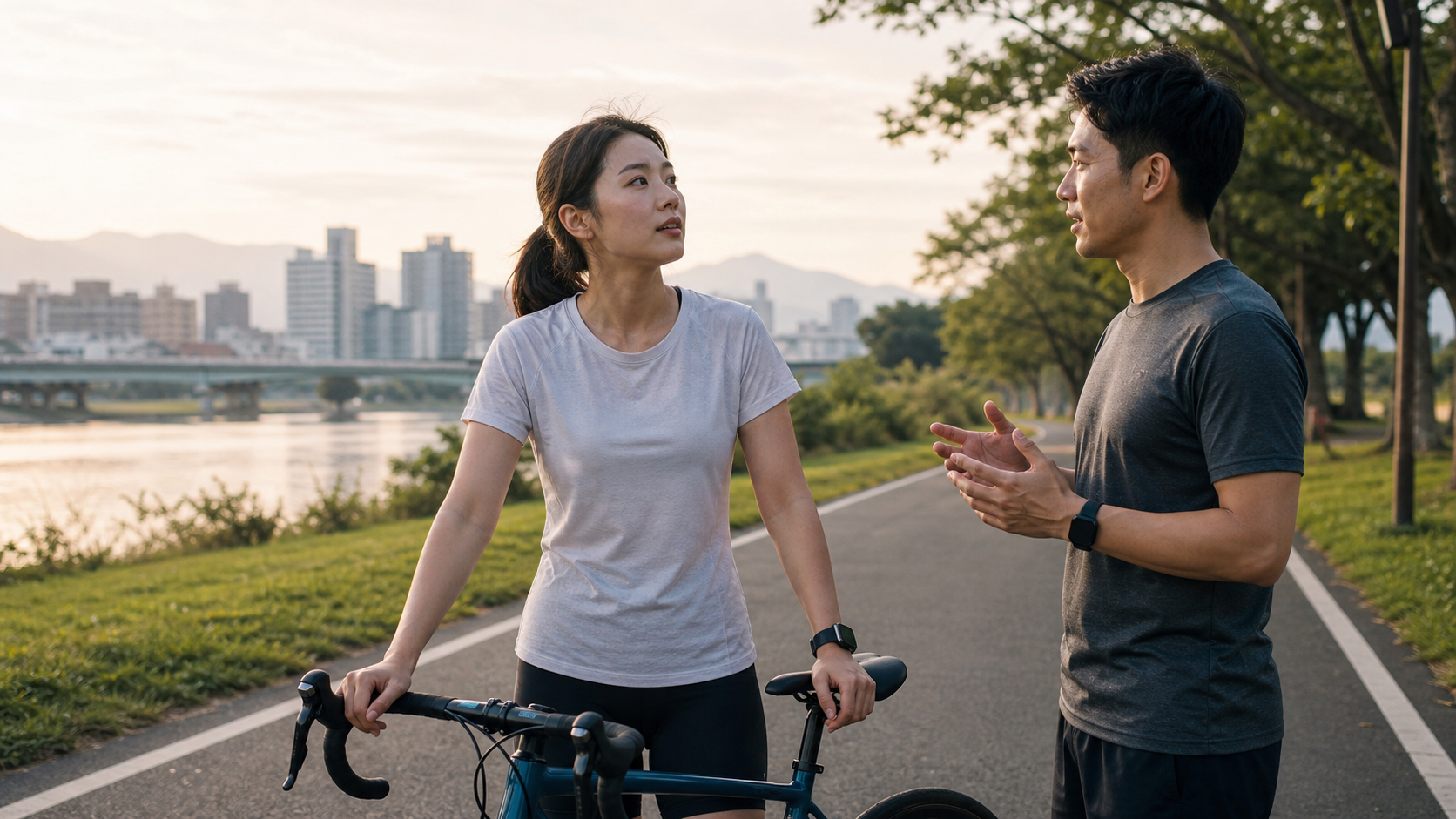
Starting with a “Maxed-Out Engineer”
A few years ago, I coached a software engineer from Hsinchu Science Park—let’s call him A-Jhe. At our first meeting, the first thing he said after sitting down was: “Coach, I’m not trying to get big. I just feel like I’m about to break.” At the time, he was working twelve hours a day, his sleep was fragmented, his resting heart rate was already close to 90 bpm when he woke up, his shoulders and neck were stiff as rocks, and his health check report showed his blood pressure quietly creeping up to the borderline.
A-Jhe isn’t an isolated case—he’s the most common type of person I’ve seen in my fifteen years of coaching: not physically ill, but soaked in chronic stress, already paying the price. People like this come to me not for marathon training or weight loss, but to regain a sense that “my body is something I can control.” Their common language is: easily fatigued, poor sleep, shorter temper, scattered attention—yet hospital checkups often come back “all normal.” This state of “nothing shows up on tests, but it genuinely feels awful” is the most typical face of chronic stress.
In this article, I want to write down what I normally tell clients in the consultation room: How exactly does exercise regulate stress? And more importantly—how should a busy, eating-out, sleep-deprived Taiwanese office worker design an “exercise prescription” they can actually stick to? I’ll explain the physiological mechanisms as clearly as I can, but I won’t stop at theory; after every concept, I’ll attach a table you can follow starting today.
Let me give you the conclusion first, so you don’t get distracted and scroll away halfway: exercise isn’t a cure-all for stress, but it’s one of the few stress-regulation tools that is almost side-effect-free, extremely low-cost, and backed by very solid evidence. The World Health Organization’s 2020 physical activity guidelines explicitly state that regular physical activity reduces symptoms of anxiety and depression (source at the end of the article). The question has never been “does it work,” but “how do you do it long enough to make it stick.”
Concepts and Scientific Foundations: What Stress Actually Does Inside Your Body
The Stress Response Itself Isn’t a Bad Thing
Let me first defend “stress” a little. The stress response is a life-saving mechanism that humans have relied on for hundreds of thousands of years. When your brain detects a threat—whether it’s a tiger or a message from your boss saying “please call me back immediately”—the hypothalamus activates two pathways:
- The sympathetic-adrenal-medullary axis: releases adrenaline within seconds, speeding up your heart rate, raising blood pressure, mobilizing blood sugar, preparing you for “fight or flight.”
- The hypothalamic-pituitary-adrenal axis (HPA axis): slower, on the order of minutes, ultimately releasing cortisol from the adrenal cortex, which maintains blood sugar, suppresses inflammation, and helps you get through the emergency.
This system is designed perfectly—provided the threat ends. The tiger runs away, your parasympathetic nervous system takes over, your heart rate slows, cortisol drops, and your body returns to repair mode.
The problem is that modern people’s “tigers” never run away. Project after project, message after message, mortgage after kids’ tutoring fees. The HPA axis gets mildly but continuously activated, and cortisol’s circadian rhythm becomes disrupted—not high enough in the morning when it should be, and not dropping low enough at night when it should. Over time, this chronic stress is linked to sleep disorders, abdominal fat accumulation, rising blood pressure, suppressed immunity, and low mood.
Why Exercise Can Regulate This System
This is where many people get stuck at first: exercise itself is also a form of stress—cortisol even rises during a run—so how does it actually help?
The key lies in the difference between “acute” and “chronic,” and in the training effect of “stress that can end.” I explained it to A-Jhe from four angles:
First, exercise is a “dress rehearsal for stress.” A single aerobic session causes cortisol to rise briefly, then clearly fall afterward. You’re essentially practicing the entire cycle of “activating the stress response—then turning it off” over and over. After long-term regular training, your body’s cortisol response to everyday psychological stress becomes more contained and recovers faster. In physiology, this is called “blunting and adaptation of the stress response.”
Second, exercise improves autonomic nervous system balance. Regular aerobic training typically lowers resting heart rate and raises heart rate variability (HRV), meaning the parasympathetic “brake” works better. A-Jhe’s resting heart rate later dropped from 90 bpm to 68 bpm—that’s not his heart getting weaker; it’s his nervous system finally learning to apply the brakes.
Third, exercise promotes brain chemicals. Exercise stimulates the secretion of neurotransmitters like endorphins, which is why many people feel that “brain washed clean” freshness after a run or a ride. Harvard Health Publishing describes exercise as an activity that both relaxes the body and prompts the brain to produce mood-enhancing chemicals (source at the end of the article).
Fourth, exercise improves blood circulation and accelerates the metabolic clearance of stress hormones. Better circulation helps carry cortisol out of the bloodstream faster and delivers anti-stress substances more efficiently.
A Key Distinction: Exercising Under Stress vs. Being Chased by Stress Are Not the Same
I want to clarify something many people confuse. When you “actively choose” to exercise, even if you’re a bit tired in the moment, that’s a challenge you control, can predict, and will end—precisely the kind of stimulus your body can best adapt to and become more stress-resilient from. In contrast, the stress of being “chased” by work, deadlines, and relationships is something you can’t control and don’t know when it will end—that’s the real culprit that wears down the HPA axis.
So here’s the interesting part: although exercise is also “stress,” it’s the good, controllable kind. You’re using a form of stress your body can learn to switch off, to train your body to face the kinds of stress that are hard to switch off. That’s why I keep repeating the three words “voluntary, regular, moderate”—the moment exercise itself becomes uncontrolled, excessive, or coerced, it slides from being the solution over to the problem side.
A Table: Acute vs. Chronic—Understanding Cortisol’s Two Faces
| Aspect | During a Single Exercise Session (Acute) | After Long-Term Regular Training (Chronic) |
|---|---|---|
| Cortisol | Briefly rises during exercise, falls afterward | Baseline tends toward normal; circadian rhythm more stable |
| Heart rate / Blood pressure | Rises during exercise | Resting heart rate and resting blood pressure tend to decrease |
| Autonomic nervous system | Sympathetic dominance | Parasympathetic recovery improves; HRV improves |
| Mood | Short-term relaxation and clarity after exercise | Anxiety and depressive symptoms tend to lessen |
| Sleep | High-intensity too late may interfere with falling asleep | Overall sleep quality and depth tend to improve |
I draw this table in almost every consultation. The core message it conveys is: don’t fear exercise just because “cortisol rises during exercise.” Look at the long-term column.
Why “Aerobic” Stands Out for Stress Resistance
Clients often ask me: “Coach, isn’t strength training good too? Why does your anti-stress prescription put so much weight on aerobic exercise?” I usually answer: both are good, but they play different roles.
For reducing chronic stress, moderate-intensity aerobic exercise has the most consistent accumulated evidence and is the easiest to execute. Activities like brisk walking, easy cycling, swimming, and jogging—things that are “sustainable and rhythmically steady”—have several traits especially suited for stress resistance:
- Rhythm: The steady rhythm of pedaling, arm swinging, and breathing is itself a bit like dynamic meditation, pulling tangled thoughts back to the present moment of the body.
- Sustainably long duration: Low intensity can be maintained for 30 to 90 minutes, giving the parasympathetic nervous system enough time to gradually come back and take over.
- Outdoor bonus: Most aerobic activities can be done outdoors, bringing the added benefits of sunlight (helping circadian rhythm) and green space (reducing rumination).
But this doesn’t mean strength training isn’t important. The sense of strength, improved physique, and the self-efficacy of “I can control my own body” that strength training brings are powerful supports for long-term stress resistance and confidence. The ideal anti-stress prescription is aerobic as the foundation, strength as reinforcement—not an either/or choice.
An Often-Overlooked Role: Sleep
I have to digress here to talk about sleep, because it’s the third leg of the iron triangle with stress and exercise. Chronic stress steals your deep sleep, and poor sleep makes it harder to bring down cortisol the next day, creating a vicious cycle. One of the greatest values of exercise is precisely that it can improve sleep quality, which indirectly cuts the stress line as well.
So when I assess a trainee’s progress in managing stress, the first question I ask is often not “How many kilometers did you run this week?” but “How well did you sleep this week?” Sleep is that revealing mirror—whether your training is on the right track, sleep often tells you the answer first.
Practical Approach: Turning Stress Management into an Exercise Prescription
Now that the concepts are covered, here’s the key part. What I dislike most is vague advice like “just exercise more”—that’s as good as saying nothing. What’s truly useful is being clear about the dose, intensity, frequency, and timing of exercise.
First, Understand How to Gauge “Intensity”
When it comes to exercise for stress management, what I care about most is intensity control, because if you get the intensity wrong, stress management can easily become an “additional source of stress.” Here’s a tool you can use without any device: the Talk Test.
| Intensity Zone | Feeling | Talk Test | Approximate Heart Rate (% of max HR) | Role in Stress Management |
|---|---|---|---|---|
| Easy (Zone 1-2) | Comfortable, sustainable | Can hold a full conversation | ~55–70% | Primary tool, recovery and nervous system relaxation |
| Moderate (Zone 3) | Somewhat breathless but steady | Can speak in short sentences | ~70–80% | Aerobic base, mood boost |
| High (Zone 4) | Clearly challenging | Can only utter a few words | ~80–90% | Small amounts weekly, training stress resilience |
| Very High (Zone 5) | Barely able to speak | Unable to talk | ~90%+ | Arrange cautiously for those under high stress |
Many people under high stress want to “go all out” when they exercise, thinking that’s what makes it effective and cathartic. But if you’re already chronically sleep-deprived with elevated cortisol, doing very high intensity every day might prevent your body from recovering. For those with chronic stress, my prescription allocates about 70–80% to easy-to-moderate intensity.
A rough estimate for max heart rate can start with “220 minus age” (e.g., about 180 bpm for a 40-year-old), but this is only a very rough reference—individual variation is large. In practice, the “Talk Test” often aligns more closely with how you actually feel than any formula.
A Weekly Base Exercise Prescription (Suitable for Busy Office Workers Starting Out)
This is the starter version I gave to A-Zhe, with total volume falling within the World Health Organization’s recommendation of “150 to 300 minutes of moderate intensity per week” (source at the end of the article):
| Day | Content | Time | Intensity | Notes |
|---|---|---|---|---|
| Monday | Brisk walking or easy cycling | 30 min | Easy | Commuting can substitute |
| Tuesday | Full-body strength (squats, push-ups, rows) | 30 min | Moderate | Focus on large muscle groups |
| Wednesday | Rest or stretching/walking | 20 min | Very light | Let the nervous system relax |
| Thursday | Moderate-intensity cardio (cycling, jogging, spinning) | 35 min | Moderate | Talk test: short sentences |
| Friday | Strength + core | 30 min | Moderate | Add bridges, planks |
| Saturday | Longer cardio (riverside cycling or suburban hill hiking) | 60–90 min | Mostly easy | Get some sun and green space |
| Sunday | Complete rest or easy yoga | — | — | Recovery day |
The point isn’t that this table is perfect, but that it meets the guideline’s total volume (about 150–200 minutes of cardio plus two or more strength days) while preserving plenty of low intensity and rest. In a stress-management prescription, recovery matters just as much as training.
“Emergency” Exercise for When You’re Tense Right Now
Sometimes you’re not trying to adjust your long-term rhythm—you’re at the point where “you’re about to explode right now.” In those moments, I give trainees a few quick, simple tools:
- 10-minute brisk walk: Before a meeting, after an argument, when a report gets rejected—go out for a lap. Moving breaks the sympathetic nervous system’s positive feedback loop.
- 5 minutes of diaphragmatic breathing: Inhale for 4 seconds, exhale for 6 seconds. The extended exhale is the key—it directly stimulates the parasympathetic nervous system.
- 3 minutes of stair climbing: The most convenient moderate-intensity option in the office. Get your heart rate up, then let it come back down—your mood often loosens a notch with it.
These don’t replace regular exercise, but they’re your “stress first-aid kit” that you can pull out of your pocket anytime.
Using Cycling Specifically for Stress Management: A Prescription for Cyclists
Many readers of this site are cyclists, so I want to dedicate a section to cycling. Cycling is one of my personal top recommendations for stress-relief exercise because it’s low-impact, sustainable over long durations, and gets you out to green spaces and riverside paths. But cyclists tend to fall into a few specific traps when it comes to stress management:
The first trap is “every ride has to be a PR attempt.” Power meters, bike computers, and Strava segment rankings can easily turn what should be a relaxing ride into an exam. The point of stress-relief riding isn’t speed—it’s a steady rhythm and a mindset of not racing against time. I’d suggest you set aside at least one “goal-free ride” per week—no power numbers, no chasing speed, no comparisons. Just pedal at a comfortable cadence and enjoy the scenery.
The second trap is imbalanced intensity distribution. Many amateur riders spend years stuck in the “middle intensity” zone—not easy enough to recover, not hard enough to provide training stimulus—leaving them in a state of semi-fatigue. For stress management, this distribution is the most damaging. Here’s a stress-oriented intensity configuration for cycling:
| Ride Type | Feeling | Approximate Cadence/Intensity | Weekly Recommendation | Stress-Relief Role |
|---|---|---|---|---|
| Recovery Ride | Very easy, can chat | High cadence, low resistance | 1–2 rides | Primary tool, nervous system relaxation |
| Aerobic Endurance | Comfortable, slightly breathless | Steady rhythm | 1–2 rides | Aerobic base, mood boost |
| Tempo Ride | Somewhat challenging but manageable | Moderate-high intensity | 1 ride or less per week | Training stress resilience |
| High-Intensity Intervals | Very breathless, barely able to speak | Short bursts with full recovery | Pause during high-stress periods | Be cautious when sleep-deprived |
In practice, if you’re under heavy work stress and sleeping poorly, drop the high-intensity intervals entirely and replace them with two recovery rides plus one aerobic endurance ride. Cycling should be your stress outlet, not another performance battlefield.
The third trap is over-accumulation for commuters. Some people commute by bike daily and then do long rides on weekends—it looks diligent, but week after week there’s no true rest day. No matter how healthy physical activity is, it still requires recovery. Set aside at least one day per week with no riding at all, to let your body and nervous system reset to zero.
Lifestyle-Based Recovery Prescriptions: It’s Not Just About Exercise
Beyond exercise, there are several “zero-cost” daily levers that significantly help reduce chronic stress. I’ve organized them into a dosage table. You can pick one or two to start with—no need to do them all at once:
| Lifestyle Lever | Recommended Dosage | Why It Works | Taiwan Implementation Tips |
|---|---|---|---|
| Sunlight | 15–30 minutes daily | Stabilizes circadian rhythm, promotes better nighttime sleep | Walk part of your morning commute; step outside during lunch break |
| Green Space / Nature | Several times a week, 20+ minutes each | Reduces rumination, relaxes emotions | Riverside paths, suburban mountain trails, parks |
| Diaphragmatic Breathing | 5–10 minutes daily | Directly activates the parasympathetic nervous system | Before bed, or on the MRT during your commute |
| Consistent Sleep | Regular schedule, 7+ hours | Repairs the HPA axis, stabilizes mood | A fixed bedtime matters more than total sleep duration |
| Social Connection | Schedule real interactions weekly | Emotional support is a powerful buffer | Organize group rides with cycling buddies, or family walks |
| Reduce Pre-Bedtime Blue Light | Less phone scrolling 1 hour before bed | Protects melatonin, helps you fall asleep | Charge your phone outside the bedroom |
I especially want to highlight “Social Connection” from this table. Group rides or group walks with others often provide greater stress relief than going solo and pushing hard—you get exercise, green space, sunlight, and emotional support all at once, hitting multiple birds with one stone. Taiwan’s cycling club and running group culture is mature—make good use of it.
Common Mistakes and Corrections
In my years of coaching, I’ve found that people tend to fall into highly repetitive traps when it comes to “using exercise to combat stress.” I’ve compiled the most common ones into a comparison table—see which ones apply to you.
| Common Mistake | Why It’s a Problem | My Correction Suggestion |
|---|---|---|
| The more stressed you are, the harder you want to train | High intensity + high stress + poor sleep = recovery deficit, making cortisol harder to lower | During high-stress periods, focus on easy aerobic work and dial the intensity down |
| Only doing cardio, no strength training at all | Strength training benefits metabolism, bone density, confidence, and stress resilience | Schedule 2 full-body strength sessions per week |
| Only doing one brutal 3-hour session on the weekend | Sitting all week, then exploding on the weekend—your body takes repeated hits | Break it up into weekday sessions, even if each is just 20 minutes |
| Treating exercise as just another KPI | A stress management tool becomes a new source of stress | Allow flexibility; achieving 60% counts as a win |
| Doing high-intensity training right before bed | Sympathetic activation and elevated core temperature interfere with falling asleep | Schedule high-intensity work before evening; switch to stretching before bed |
| Giving up entirely after missing one day | Perfectionism is the #1 killer of habits | Use a “minimum viable version” as a safety net, e.g., a 10-minute walk |
I want to specifically call out the first and fourth ones.
“The more stressed I am, the harder I want to train” is a common trait among high achievers. A-Zhe started out this way too—sleeping five hours on weekdays, then forcing himself to ride 100 km of mountain roads on the weekend, only to end up exhausted, lying around for two days, and feeling worse emotionally. I asked him to change that weekend ride to 40 km, take an easy route, and stop midway for a bowl of noodles and to enjoy the view. He ended up feeling completely recharged. Using exercise to combat stress relies not on depletion, but on rhythm.
“Treating exercise as a KPI” is the other extreme. One student, a project manager, scheduled exercise into her calendar, set achievement rates, and blamed herself when she didn’t hit them—exercise became her 37th stressor. I gave her just one rule: “If you move three times this week, for at least ten minutes each, that’s a total victory.” By lowering the bar to a level where failure was nearly impossible, she gradually built the habit.
Another Case Study: Shifting from “Cathartic Exercise” to “Regulatory Exercise”
I also coached a nurse who worked rotating hospital shifts—let’s call her Xiao-Min. Her stress was so severe that after work she’d go to the gym and push herself until she nearly threw up, thinking, “Only when I’m too exhausted to think can I stop facing those emotions.” At first, it did feel effective—but after a few weeks, she started experiencing insomnia, irregular menstrual cycles, and frequent colds.
This is a classic case of “cathartic exercise” taken too far: using high intensity to temporarily numb emotions, but leaving the body in a chronic recovery deficit, pushing the HPA axis further out of balance. Her cortisol wasn’t dropping at night when it should have, which is why she couldn’t sleep.
I didn’t tell her to stop exercising; instead, I helped her redistribute it: changing her five weekly high-intensity sessions to two moderate sessions, two easy aerobic sessions, and one yoga session, plus adding a fixed diaphragmatic breathing routine before bed. Three weeks later, her sleep returned first; after about a month, her menstrual cycle stabilized. The total volume of exercise didn’t decrease—what changed was the intensity distribution and the emphasis on recovery. I often use this case to remind my students: the answer to stress-relief exercise is often not “more,” but “smarter allocation.”
Taiwan-Specific Context: Connecting the Prescription to Your Real Life
No matter how well-written an exercise prescription is, it’s useless if it doesn’t fit into your life. Here are solutions for the situations Taiwanese people most commonly encounter.
Weather and Venues
Taiwan’s summers are hot and humid, with afternoon thunderstorms; winters in the north are damp and cold. Outdoor exercise is highly variable. My suggestions:
- Avoid the midday heat in summer—switch to early morning or evening. Riverside bike paths (Dajia, Xindian River, Love River, etc.) are excellent low-intensity aerobic venues: flat, shaded, and with light traffic.
- On rainy or poor air quality days, indoor cycling, a home trainer, or the gym are your backup plans. Don’t let the weather become an excuse for “not moving today”—prepare a Plan B in advance.
- If you want the green space effect, suburban mountain hikes (Elephant Mountain, Four Beasts, Dakeng Trails, etc.) provide moderate-intensity aerobic exercise, sunlight, and nature all at once, often with a more noticeable mood boost than indoor exercise.
Eating Out and Dietary Rhythm
Eating out is convenient in Taiwan, but it also tends to be high in oil and sodium, and low in vegetables. When stressed, many people turn to sugary drinks and fried foods for “comfort”—it feels good short-term, but destabilizes blood sugar and mood long-term. I won’t get into complex nutrition science here; just three easy-to-follow principles:
- Ensure one protein source at every meal (marinated egg, tofu, chicken breast, mackerel) to help stabilize blood sugar and satiety.
- Treat sugary drinks as a reward, not a daily staple—when thirsty, prioritize water or unsweetened tea.
- Watch your caffeine timing—try to limit intake after 3 PM to avoid affecting sleep that’s already under strain.
Medical Care and Health Environment
Taiwan’s National Health Insurance makes seeing a doctor very convenient—this is a huge advantage, so use it. If you have any of the following conditions, be sure to consult a physician and get an individualized assessment before exercising:
- Known or suspected chronic conditions such as hypertension, diabetes, or heart disease
- Chest tightness, chest pain, unusual shortness of breath, dizziness, or palpitations during exercise
- Older age, prolonged inactivity, or a family history of cardiovascular disease
- Persistent low mood, severe insomnia, or symptoms that already impair daily functioning
Exercise can support the management of these conditions, but it is not a treatment, nor can it replace medication or medical care. Especially for those with chronic illnesses, the type and intensity of exercise need to be individually adjusted by your medical team. Never stop medication on your own or replace follow-up visits with exercise. If emotional issues persist for more than two weeks and affect your life, please seek help from a psychiatrist or mental health professional. This is just as normal as seeing an orthopedist or a dentist—there’s no need to feel ashamed.
Actionable Advice for Readers at Different Levels
For this final section, please only read the part that applies to “you right now” and skip the rest. Trying to do everything at once usually results in doing nothing at all.
For Those Who “Don’t Exercise at All”
The goal isn’t to get healthy—it’s to get started.
- This week, only one thing is required: walk 10 minutes a day. Getting off the bus one stop early or taking a walk after meals both count.
- No need to buy gear, join a gym, or change your diet.
- After two consecutive weeks, extend three of those days to 20 minutes.
- Remember: for someone who’s been sedentary, the step from zero to something delivers the greatest benefit.
For Those Who “Exercise Occasionally, But Without Rhythm”
You already know the benefits of exercise; what you lack is consistency.
- Directly apply the “Weekly Basic Exercise Prescription” from earlier, but aim for just 60% completion first.
- Fixing the “time” matters more than fixing the “content”—anchor exercise to existing habits (e.g., Wednesday after work, Saturday morning).
- Add 2 days of strength training—this is the piece you’re most likely missing.
- Use the minimum viable version as a safety net: even on your busiest days, walk 10 minutes to maintain the identity of “I’m someone who moves.”
For Those Who Already Exercise and Want to Optimize Stress Resilience
Your problem usually isn’t insufficient volume, but intensity distribution and recovery.
- Check your intensity distribution: are you doing moderate-to-high intensity every day without truly easy days? Push the low-intensity proportion above 70%.
- During high-stress, sleep-deprived weeks, actively reduce intensity—don’t force yourself through the training plan.
- Monitor resting heart rate and sleep: several consecutive days of elevated resting heart rate and poor sleep are signals that your body is telling you to hit the brakes.
- Formally schedule “recovery” into your training plan—stretching, yoga, and walking days are just as important as training days.
How Do You Know If You’re Making Progress? Three Down-to-Earth Indicators
Stress resilience doesn’t progress like weight loss with clear kilogram numbers. Many people keep at it while wondering, “Is this even working?” Here are three indicators I give my clients that cost nothing and can be observed daily:
- Morning resting heart rate: After a few weeks of regular aerobic exercise, most people’s resting heart rate gradually drops. This is a tangible sign that your autonomic nervous system is improving.
- Sleep depth and continuity: Going from “light sleep with frequent waking” to “sleeping through the night” is often one of the earliest signs that stress resilience is taking effect.
- “Recovery speed” when facing annoyances: Previously, a small issue could bother you all day; now you get over it in half an hour—this emotional elasticity is what truly shows your stress resilience is getting stronger.
Simply jot these three things down in your phone’s notes app and review them weekly. You’ll find that progress often happens first in places you weren’t paying special attention to.
FAQ
Q: Do I have to run or cycle? I really hate getting out of breath.
A: No. Brisk walking, swimming, dancing, hiking, spinning, or even doing housework seriously all count as physical activity. The one you’ll keep doing is the best one. No matter how effective an exercise you hate is, if you quit after two sessions, it’s zero.
Q: I’m exhausted every day—won’t exercise make me more tired?
A: This is the most common misconception. With appropriate light-to-moderate intensity exercise, most people actually feel more energized and sleep more deeply. The key is “moderate”—exhausting high-intensity exercise does increase fatigue, but an easy walk or a gentle ride is usually “recharging” rather than “draining.”
Q: I only have time to exercise in the evening. Will it keep me awake?
A: It varies by person. Low-to-moderate intensity evening exercise actually helps most people sleep; however, high-intensity exercise within one to two hours before bed may make it harder for some to fall asleep. I recommend moving high-intensity sessions earlier and switching to stretching or diaphragmatic breathing before bed.
Q: How long until I feel a difference?
A: The mental clarity often appears right after a single session; improvements in sleep and resting heart rate usually emerge within a few weeks; adaptation of the HPA axis and overall stress resilience requires a longer period of consistent accumulation. Don’t judge success or failure by one or two weeks—this is a long-term investment.
Q: I have a chronic condition. Can I start exercising on my own?
A: Please discuss this with your physician first. Exercise benefits many chronic conditions, but the type and intensity need to be individualized, especially when medication is involved. With Taiwan’s National Health Insurance, clinic visits are convenient—spending one appointment to confirm your safe range is well worth it.
Q: Do I need to buy a smartwatch to track HRV and sleep?
A: It helps, but it’s not necessary. The resting heart rate, HRV, and sleep data devices provide can help you assess recovery more objectively; but don’t let the numbers become a source of anxiety. Those without devices can still grasp the big picture using three subjective indicators: morning energy, sleep quality, and that day’s mood. Tools are aids; how your body feels is the main character.
Q: Does drinking coffee affect cortisol and stress?
A: Caffeine stimulates the sympathetic nervous system and raises heart rate. Moderate amounts are fine for most people, but if you’re already tense and sleeping poorly, excessive or late-day caffeine can indeed make tension and insomnia more pronounced. I suggest avoiding it after 3 p.m. so your parasympathetic nervous system can do its job at night.
Q: If exercise helps, does that mean I don’t need to see a psychiatrist anymore?
A: No. Exercise is an excellent adjunct tool, but it cannot replace necessary medical and psychological professional treatment. If your low mood, anxiety, or insomnia has persisted for more than two weeks and is affecting daily functioning, please seek help from a psychiatrist or clinical psychologist. Exercise and professional treatment are parallel partners, not an either-or choice.
Conclusion: Make Exercise the Brake You Can Reach
Back to A-Zhe. Six months later at his follow-up, his resting heart rate had dropped, his blood pressure returned to normal range, and his neck and shoulders were relaxed. But what struck him most was one sentence: “Now when I run into annoying stuff, I want to go for a ride—not go buy fried chicken.”
To me, that sentence is more precious than any data. Because it means his body has gained a healthy stress outlet—a brake he can reach anytime.
Exercise won’t make your boss gentler, your mortgage cheaper, or your kids better behaved. The stressors are still there. But it will change your capacity to handle stress—teaching your nervous system to hit the brakes, letting cortisol drop when it should, and helping you stand steadier in the storm.
You don’t need to be perfect from day one. You only need today to put on your shoes and go out for 10 minutes. Leave the rest to time and rhythm.
Over years of coaching clients, I’ve come to believe one thing more and more: Stress resilience isn’t about toughing it out through willpower—it’s about day-by-day small rhythms that shape your body into a more resilient container. When the container is big and stable enough, the same stress poured in won’t overflow as easily. Exercise is the process of expanding that container, little by little. Take it slow—you’ll go further than you think.
This article is educational content and does not replace individual diagnosis and treatment advice from physicians, physical therapists, or nutritionists. If you have a chronic condition, are taking medication, or experience discomfort during exercise, please seek professional medical evaluation and follow individualized recommendations.
References
- World Health Organization — WHO guidelines on physical activity and sedentary behaviour: https://www.who.int/europe/publications/i/item/9789240014886
- Harvard Health Publishing — Exercising to Relax: https://www.health.harvard.edu/staying-healthy/exercising-to-relax
- Stanford Lifestyle Medicine — How Exercise Balances Cortisol Levels: https://lifestylemedicine.stanford.edu/how-exercise-balances-cortisol-levels/
Related Reading
- Exercise and Depression and Anxiety: Turning Sweat into Your Natural Antidepressant
- Exercise and Depression: A Natural Antidepressant Prescription—Effects, Mechanisms, and How to Dose It
- When Anxiety Comes Knocking: A Coach on How Exercise Helps Bring Your Overwrought Nerves Back to Normal RPM
- Exercise and Blood Pressure Management: Can You Lower It Without Medication? A Coach Explains the Mechanisms, Magnitude, and Exercise Prescription
西進武嶺 免費訓練分析服務 Intervals | 練不夠還是練過頭?你哪一種類型選手?AI模型告訴你! | 備戰神器 | 公路車 訓練 | CT Yeh
4 年前
CT暗黑廚房) 車友必備 宇宙無敵鮮蚵湯 幫助訓練恢復 天然食補 好市多 超肥鮮蚵 破PR
7 年前
#公路車 #Fitting 靠人工智慧APP 幫你調整單車
6 年前
西進武嶺 自製新版AI配速表產生器 x 賽前攻略 抱佛腳! 沒有功率計也可以產生配速表嗎?有什麼其他眉角賽前要注意的呢? | 西進武嶺 / 東進武嶺 KOM 攻略 | 公路車 | CT Yeh
4 年前
靠單車減肥35公斤 心得分享與整理
7 年前
一個測試有沒有認真練車的方法😂 #公路車
10 個月前
一日北高/長距離團騎 常見問題補充篇 / 組團或跟團的眉角 / 壯車友容易被瘦車友慢性拉爆 / 原來屁股痛可能是這個原因...? / 風場配速法 / 公路車 / CT Yeh
2 年前
實景訓練台) 彰化經典百K 高強度喵團 90分鐘 跟著一起練功 2019 Indoor workout Changhua Classic 100 Taiwan
7 年前