Riding for a Better World: The Power of Charity Fundraising in Triathlon
At the finish line of every triathlon, you’ll occasionally spot athletes with different logos on their race bibs or tri suits—maybe a charity foundation’s logo, the words “For a Cause,” or simply a name and a phrase: “I’m running for my mom.”
These athletes aren’t just racing for themselves. Every step, every lap, every pedal stroke carries a commitment to someone else. They are using their bodies and willpower to raise funds for those in need and to increase public awareness of specific issues.
The combination of triathlon and charity fundraising is one of the most beautiful stories in the sports world. Let’s look at how this force expands from individual goodwill into a wave of change.
The Global Origins of Triathlon Charity Fundraising
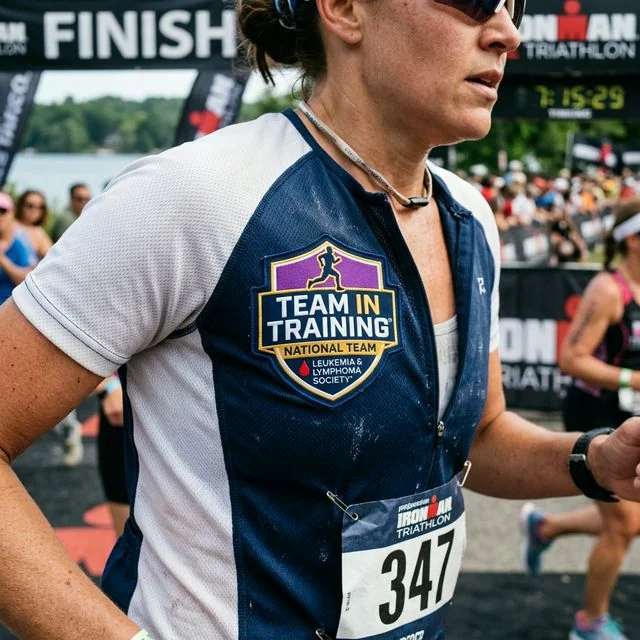
The most famous pioneer of triathlon charity fundraising is Team in Training (TNT)—a charity sports program founded by the Leukemia & Lymphoma Society in the United States in 1988. The concept is simple: participants commit to completing a triathlon (or marathon), the organization provides training guidance and coaches, and participants commit to raising a set amount of donations from friends and family, with all proceeds going to blood cancer research.
Team in Training has raised over $1.5 billion in the past 35 years, making it one of the most successful charity sports programs in the world. It proved a powerful concept: when people strive for a goal larger than themselves, they can unleash astonishing strength.
Ironman Foundation
The Ironman brand itself is deeply involved in philanthropy. Since its founding in 2003, the Ironman Foundation has donated over $100 million to community organizations worldwide. In every Ironman event, a certain percentage of slots are reserved for charity runners (Charity Slots), who earn their entry by raising funds for designated charitable organizations.
Why Triathlon Is the Perfect Vehicle for Charity Fundraising?
Strong Storytelling
“I’m going to complete an Ironman” is inherently a compelling story. When you tell friends you’re going to swim 3.8 km, bike 180 km, and then run a marathon, their first reaction is usually amazement. This natural attention magnet is exactly what charity fundraising needs—you don’t need extra marketing; your challenge itself is the best story.
Strong Commitment
Athletes training for a cause have an extra source of motivation: they aren’t just running for themselves. When training gets tough and you want to quit, thinking about the supporters who donated and the people you promised to help makes you grit your teeth and push through. Research shows that athletes racing for charity have higher finish rates than regular athletes, because quitting isn’t just letting yourself down—it’s letting all your supporters down too.
Community Ripple Effect
A triathlete’s fundraising page is seen by an average of 50-100 people (through social media sharing). If a race has 100 charity runners, that means 5,000-10,000 people are exposed to that charitable cause. This ripple effect of “using sports to drive charitable awareness” is difficult to achieve through traditional fundraising methods.
Long-Term Engagement
Triathlon training typically lasts 4-6 months. During this period, athletes continuously share their training journey on social media, constantly reminding their network about the existence of the charitable cause. This long-term, sustained exposure is more effective than a one-time fundraising campaign.
The Current State and Cases of Triathlon Charity in Taiwan
Taiwan’s triathlon charity culture is flourishing. Here are a few touching cases.
Case One: Riding for Children with Down Syndrome
In 2022, a group of athletes from different triathlon clubs formed the “Down Syndrome Baby Triathlon Team,” with the goal of completing four triathlons in one year to raise funds for the Down Syndrome Foundation. Their slogan was “One extra chromosome, not one extra limitation.”
The team had one special member—28-year-old Xiao Ming, a young man with Down syndrome. With the companionship and guidance of his teammates, Xiao Ming completed his first Sprint triathlon. The photo of him crossing the finish line went viral on social media, ultimately raising over NT$800,000 for the foundation.
Case Two: Round-Taiwan Relay Fundraiser
A triathlon team from a financial company launched the “Ironman Round-Taiwan Relay” event. Eighteen athletes completed a 1,000 km cycling relay around Taiwan in nine days, with the company matching NT$100 per kilometer ridden. In the end, they raised NT$100,000 for sports facilities at rural schools.
Case Three: Swimming for Cancer Patients
A breast cancer survivor began training for triathlons after completing treatment and raised funds for the Cancer Hope Foundation at every race. She wrote on her fundraising page: “During chemotherapy, I could barely walk. Now I can swim, bike, and run—every step is a miracle. I want fellow patients currently in treatment to know: there is light at the end of the tunnel.”
How to Start Your Triathlon Charity Fundraising
If you want to turn your next triathlon into a charitable act, here is a complete step-by-step guide.
Step One: Choose Your Charitable Cause
Choose a cause that has personal meaning to you. It could be a disease you or a family member has faced, a social issue you care about, or a vulnerable group you want to support. The stronger your personal connection, the more compelling your story, and the better your fundraising results.
Step Two: Choose a Partner Organization
Partner with a credible charitable organization. Confirm the following:
- Whether the organization has legal fundraising qualifications
- Whether the use of donations is transparent and traceable
- Whether the organization can provide donation receipts (for donors’ tax purposes)
Step Three: Set Your Fundraising Goal
| Race Distance | Suggested Fundraising Goal | Estimated Reach |
|---|---|---|
| Sprint Triathlon | NT$ 30,000-50,000 | 50-100 people |
| Olympic Distance Triathlon | NT$ 50,000-100,000 | 100-200 people |
| Half Ironman 70.3 | NT$ 100,000-200,000 | 200-500 people |
| Full Ironman | NT$ 200,000-500,000 | 500-1,000 people |
Step Four: Create a Fundraising Page
Use an online fundraising platform to create your fundraising page. The page should include:
- Your personal story (why you chose this cause)
- An introduction to the race you’re taking on
- Clear fundraising goals and how the funds will be used
- A donation progress bar (visualizing goal achievement)
- Share buttons (making it easy for supporters to spread the word)
Step Five: Continuously Share Your Training Journey
During training, regularly share your progress on social media. This isn’t just for fundraising—it’s also to let supporters feel that their donations are being “put to use”—you are putting in real effort for their trust.
Suggested content to share:
- Training photos and videos
- Training data and improvements (such as swim times, cycling power, etc.)
- Setbacks and overcoming them during training (showing authenticity)
- Introductions to the charity organization’s work and beneficiary stories
- Countdown posts and gratitude posts
Step Six: Race Day and Post-Race
On race day, let supporters track your race progress in real time (share the tracking link). After finishing, immediately share your finish photos and reflections, and announce the final fundraising results. Most importantly, within one to two weeks after the race, publish a thank-you letter and a fund usage report so every donor knows where their kindness went.
From Personal to Athletic: The Greater Potential of Triathlon Charity
The potential of triathlon charity extends far beyond individual fundraising. Here are some possibilities on a larger scale:
Corporate Triathlon Charity Day: Companies form teams to compete in triathlons, with the corporation matching employees’ fundraising amounts. This combines corporate social responsibility (CSR) with employee wellness initiatives.
Charity Triathlon Events: Some races are organized specifically for charitable causes. A portion (or all) of the registration fee is donated directly to charitable organizations.
Triathlon Charity Ambassadors: Well-known triathletes serve as charity ambassadors, using their influence to advocate for charitable causes.
International Charity Challenges: Teams travel to compete in overseas triathlons (such as events in Africa or Southeast Asia), converting a portion of travel expenses into charitable donations for local communities.
Conclusion: Every Step Counts
In the world of triathlon, “every step counts” is more than just a training mantra—it can also be a life philosophy. When every step, every lap, and every pedal stroke carries your care and commitment for others, your training and racing take on meaning that transcends the individual.
You don’t need to be a world champion to contribute to charity. A charity athlete who completes an Ironman in 16 hours deserves just as much admiration as a professional who finishes in 8 hours—perhaps even more. Because they aren’t just challenging their own limits; they are using their limits to make the world a little bit better.
The next time you sign up for a triathlon, ask yourself: “Can I make this race mean something more?” The answer is often yes. And that “greater meaning” might just become the most powerful fuel you’ll ever have on the race course.
Related Reading
- Heroes at the Other End of the Course: The Moving Experience of Triathlon Volunteers
- Triathlon and Corporate Wellness Culture: How Sport Transforms the Workplace
- The Art of Spectating: A Complete Guide to Watching Triathlons
- From the First Race to the Hundredth: Celebrating and Finding Meaning in Triathlon Milestones
福隆鐵人團練隨拍
8 年前
三鉄共購百人風中劍/ feat. 單車小D、Doris 、城希、Ruby、Ada/ 公路車 / CT Yeh
2 年前
新屋團體繞圈賽 | 眾多菁英好手賽道奔馳 | 千瓦女子軍團 | 無敵交管狂獲好評 明年你一定不能錯過 | #公路車
5 年前
[防寒衣體驗] 鐵人魂 三鐵 防寒衣試穿會 於松運 深水游泳池 鯨魚池
8 年前
#PUSHBIKE 原來這麼好玩! 小朋友 滑步車 初體驗 超可愛
6 年前
小野田真的存在!日本赤城山爬坡公路賽 台灣首發團完全實錄 | 頭文字D真實賽道! | 看完東奧自行車賽後好想再去騎一次啊! | 公路車 | CT Yeh
4 年前
大家都在開箱的...單車用藍芽對講耳機真的有幫助嗎? SENA BiKom 20 長距離旅遊 & 海鷗繞圈賽 實際體驗心得 / 公路車 / CT Yeh
9 個月前
3D 列印車褲墊 / 舒適改善? / 無痕 x 分區壓縮 / ATK & Decider系列 / JE22黑科技 / #公路車 #CTYEH
11 個月前