文章導覽
Solo Riding Meditation: The Mental Practice of Riding Alone
From Loneliness to Solitude
In our culture, “being alone” often carries a negative connotation. Eating alone is lonely, watching a movie alone is solitary, and riding a bike alone invites the question: “Couldn’t you find anyone to ride with?”
But solitude and loneliness are entirely different things. Loneliness is forced isolation; solitude is a deliberate choice. When you choose to roll your bike out on a Saturday morning and set off on a route whose destination only you know, you aren’t choosing loneliness—you’re choosing a date with yourself.
Why Solo Riding Is Especially Suited to Meditation
The Body’s Rhythm
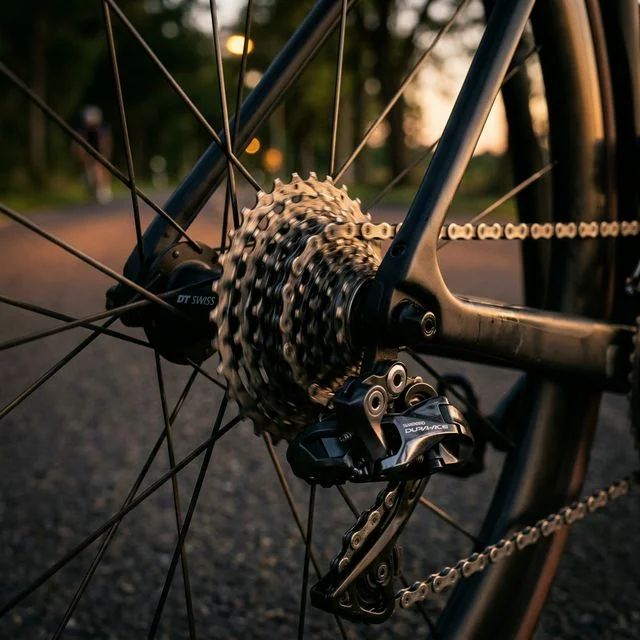
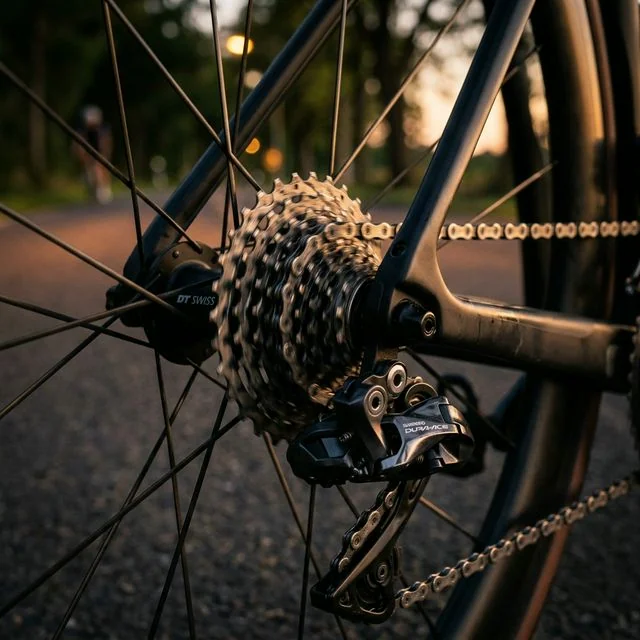
Cycling is a highly rhythmic activity. The steady rotation of your cadence—80, 90, 100 RPM—acts like a natural metronome. This regular bodily motion works much the same way as breath counting in meditation.
When you ride at a steady cadence, the body’s movements that require no thought shift into autopilot. Your consciousness is freed from the task of “controlling the body,” gaining a rare kind of freedom—the body is in motion, yet the mind is at rest.
The Awakening of the Senses
In a group ride, your attention is scattered across the pack, the pace line, and social conversation. But on a solo ride, your senses can open up completely:
- Which direction the wind is blowing from, its temperature and humidity
- How the texture of the road surface travels through the tires and frame into your palms
- How the colors of distant mountains shift with the changing light
- Whether the air carries the scent of rice paddies or the saltiness of the sea
- The sound of your own breathing, and the subtle whir of the chain
This full-sensory awareness is precisely the state that mindfulness meditation seeks. You don’t need to sit cross-legged on a meditation cushion—your bike is your cushion, and the road is your meditation hall.
The Flow of Thoughts
For the first thirty minutes of a solo ride, your mind is usually loud. Work worries, unread messages, tomorrow’s schedule… all kinds of thoughts surge forward, vying for attention.
But if you don’t deliberately suppress them, simply watching them drift by like clouds, something remarkable happens around the forty-minute to one-hour mark: the thoughts begin to quiet down. Not that they stop, but they become more orderly, like a river shifting from rapids to a gentle current.
This process is almost identical to sitting meditation, yet for many people, it’s easier to reach this state when the body is in motion. Because your body has something to do—it’s turning the pedals—your “monkey mind” has one less reason to be restless.
Practical Methods for Solo Riding Meditation
Preparation Phase: Setting an Intention
Before you set off, take a minute to set an intention for today’s solo ride. Not a training goal (how many watts or kilometers to cover today), but a mental intention:
- “Today I will practice observing, not thinking.”
- “Today I will stay present with the sensations of my body.”
- “Today I will let go of all the musts and shoulds.”
This intention acts like an anchor you can return to whenever you get distracted.
Phase One: Body Scan (First 20 Minutes)
From head to toe, feel each part of your body one by one. Are your shoulders tense? Are you gripping the handlebars too hard? Is there pressure in your lower back? There’s no need to change anything—just observe.
Then bring your attention to your cadence. Feel each revolution: the foot pressing down, the heel lifting, the arc traced by the knee. Let this motion become your meditation focus, just as the breath is in sitting meditation.
Phase Two: Open Awareness (Middle Section)
Once your body is warmed up and your heart rate is steady, let your attention expand to your surroundings. Not by looking in an “analytical” way—“that’s a camphor tree”—but by experiencing it in a “feeling” way.
See the play of light and shadow, but don’t name it. Hear the birdsong, but don’t identify the species. Let your senses receive everything, while your mind is simply a calm mirror, reflecting things as they are.
This is the state closest to “Zen.” Japanese Zen calls it “Beginner’s Mind”—seeing the world as if for the first time, full of fresh wonder.
Phase Three: The Emergence of Insight (Later Section)
After sustained awareness, you may notice certain “insights” surfacing naturally. They aren’t conclusions reached through logical reasoning, but things you suddenly “see”:
- A problem that has troubled you for a long time suddenly has a clear answer
- A complicated relationship suddenly reveals its core issue
- A truth you’ve been avoiding suddenly gives you the courage to face it
These insights arise during solo rides because your mind has finally become quiet enough to “hear” them. Amid the noise of daily life, they were always there—just drowned out.
The Challenges of Solo Riding Meditation
The Temptation of Data
The numbers dancing on your bike computer—power, heart rate, speed, distance—are the greatest enemy of meditation. If you keep looking at the data, your mind stays locked in “analysis mode” and can’t enter awareness mode.
I suggest turning off the bike computer during solo riding meditation, or at least flipping it to a blank screen. You don’t need to know how many watts you rode today. Today’s training goal is your mind, and the mind has no power meter.
The Distraction of the Phone
Put your phone in airplane mode. Seriously. Those notifications can wait two hours. What you’re doing—having a conversation with your own inner self—matters more than any message.
The Fear of Boredom
Many people avoid solo riding because they’re afraid of being bored. But boredom itself is something worth observing. When you feel “bored,” what sensations are in your body? What stimulation is your mind craving?
Boredom is a door. Push it open, and behind it lies a deeper stillness.
The Gifts You Bring Back from the Saddle
Solo riding meditation won’t change your FTP, but it will change the way you see the world. The awareness and calm you cultivate on the road will seep into every corner of your life.
You’ll find yourself more focused in meetings, calmer in conflicts, and better able to notice beauty in everyday trivialities. Because you’ve practiced the hardest thing of all—being quietly at peace with yourself.
“The real voyage of discovery consists not in seeking new landscapes, but in having new eyes.” —Marcel Proust
Every solo ride is an opportunity to have new eyes.
Related Reading
- The Philosophy of Riding Alone: The Freedom and Loneliness Solo Riding Has Given Me
- Solo Riding vs. Group Riding: A Psychological Analysis of Solitary Challenge and Group Dynamics
- The Zen of Long Distances: Philosophical Contemplation on a Road Bike
- The Loneliness and Self-Discovery of Cycling Travel: The Psychological Growth of a Solo Island Tour