Swimming Gear
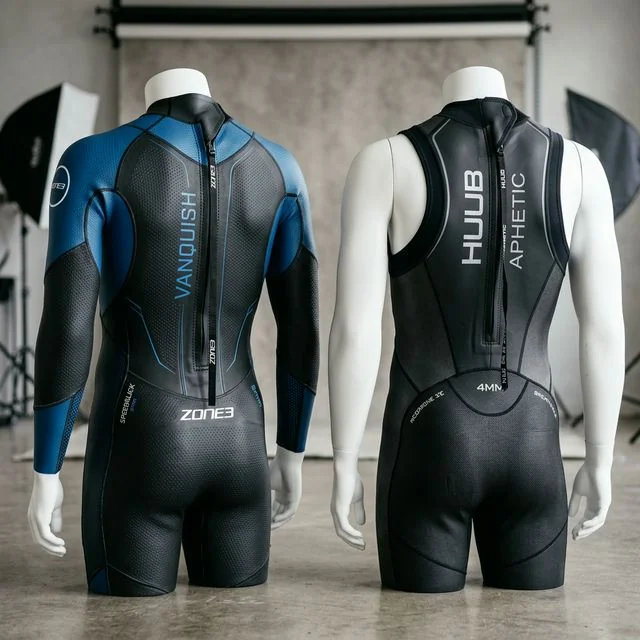
Swimsuits/Wetsuits
Selection Principles:
When race rules allow, wetsuits provide buoyancy, warmth, and bite protection, making them the choice for most athletes.
Wetsuit Types:
| Thickness | Temperature Range | Buoyancy | Flexibility |
|---|---|---|---|
| 2mm | > 20°C | Low | High |
| 3mm | 15-20°C | Medium | Medium |
| 4mm | 10-15°C | High | Medium-Low |
| 5mm | < 10°C | Very High | Low |
Buying Recommendations:
- Beginner: 2mm sleeveless wetsuit ($100-150)
- Intermediate: 3mm full-suit wetsuit ($300-500)
- Advanced: 3-4mm professional triathlon wetsuit ($400-800+)
Professional Brands:
Blueseventy, HUUB, TYR, Xterra, Zone3
Swim Caps and Goggles
Swim Caps:
- Function: warmth, visibility, unified identification
- Material: rubber (durable) vs. silicone (comfortable)
- Recommendation: buy 2 caps (1 spare)
- Budget: $10-20
Goggles:
- Types: prescription goggles vs. polarized goggles
- Important: try them on to ensure a proper seal
- Recommendation: buy 2 pairs (1 spare)
- Budget: $30-80
Cycling Gear
Bike Types and Purchasing
Triathlon Bike vs. Road Bike:
| Feature | Triathlon Bike | Road Bike |
|---|---|---|
| Aerodynamics | Excellent | Good |
| Comfort | Moderate | Excellent |
| Handling | Moderate | Excellent |
| Cost | High | Moderate |
| Recommendation | Serious advanced athletes | Beginners to intermediate |
Budget Tiers:
- Entry-level road bike: $800-1500
- Mid-range triathlon bike: $2000-4000
- High-end triathlon bike: $5000-12000+
Cycling Accessories
Essential Accessories:
□ Helmet ($100-300) - Non-negotiable
□ Pedals ($150-400) - Choose clipless pedals
□ Water bottle cages ($20-50)
□ Front light + Rear light ($50-150)
□ Repair kit ($30-80)
□ Bike computer/GPS ($50-500)
□ Aero bars ($300-800)
□ Power meter ($400-2000+) - Optional but recommended
Maintenance Tools:
- Bike cleaning supplies
- Lubricant
- Air pump
- Wrench set
Running Gear
Running Shoe Selection
Running Shoe Types:
- Neutral Running Shoes: Suitable for most runners, providing balanced support
- Stability Running Shoes: For overpronators, providing extra support
- Lightweight Racing Shoes: For speed, minimizing protection
- Cushioned Running Shoes: For injury prevention, prioritizing comfort
Purchasing Steps:
- Get a foot analysis at a specialty running store
- Test run multiple shoe models
- Test them during training (never wear them for the first time on race day)
- Buy 2 pairs (alternate to extend lifespan)
Budget: $120-200/pair
Running Apparel
Key Items:
- Running pants/shorts ($60-120): Choose ones with pockets, avoid chafing
- Running tops ($60-100): Breathability is most important
- Sports bras (women’s, $80-150): Balance support and comfort
- Socks ($15-25/pair): Buy multiple pairs of sports-specific socks
Anti-Chafing:
Apply petroleum jelly or specialized anti-chafe balm to areas prone to friction (chest, inner thighs, toes).
Transition Area and General Gear
T1/T2 Essentials
□ Towel (quick-dry material is best)
□ Sunscreen (water-resistant)
□ Glasses (sunglasses or prescription glasses)
□ Race number and safety pins (usually provided by the event)
□ Hat or headband (optional)
□ Gloves (cold weather)
□ Energy supplies (energy gels, sports drinks)
Fuel and Nutrition
During Races:
- Sports drinks: $2-4/bottle
- Energy gels: $1-2/piece
- Energy bars: $2-3/piece
- Electrolyte tablets: $0.5-1/piece
During Training:
Buy bulk products to save costs.
Monitoring and Tracking Gear
Heart Rate Monitoring
Options:
- Heart rate strap ($60-200): Most accurate, but may be uncomfortable during swimming
- Optical heart rate monitor ($40-150): Built into watches or wristbands
- Chest strap sensor ($30-80): Compatible with most bike computers
Training Watches/GPS
Budget Tiers:
- Basic GPS watch: $100-300
- Multi-sport watch (triathlon-specific): $400-800
- Advanced sports watch: $800-1000+
Recommended Brands:
Garmin (Forerunner/Fenix series), COROS, Apple Watch
Power Meters
Placement Options:
- Crank-based power meter ($1000-2500): Most accurate, can be used across multiple bikes
- Hub-based power meter ($1200-2000): Specific to one bike
- Pedal-based power meter ($800-1500): Relatively affordable, transferable
Investment Decision:
Power meters are crucial for advanced training, but beginners can start training with heart rate or RPE.
Recovery and Health Gear
Massage and Recovery Tools
□ Foam roller ($30-80)
□ Massage gun ($150-400)
□ Hot/cold packs ($15-50)
□ Compression garments ($80-150)
□ Yoga mat ($20-50)
Fitness and Strength Training
□ Dumbbell set (adjustable, $150-400)
□ Resistance band set ($30-80)
□ Core training tools (stability ball, balance pad, etc.) ($30-100)
□ Suspension training system ($100-200)
Seasonal and Weather-Specific Gear
Winter Cycling
□ Cycling jacket ($150-400)
□ Gloves ($50-150)
□ Face mask or balaclava ($20-50)
□ Leg warmers ($40-80)
□ Thermal tights ($100-200)
Rain Gear
□ Waterproof jacket ($100-250)
□ Bike fenders ($50-100)
□ Anti-slip gloves ($40-80)
Race Day Gear Checklist
Day Before the Race
□ Check all gear
□ Test the bike (gears, brakes, tire pressure)
□ Confirm weather forecast
□ Prepare weather-appropriate clothing
□ Charge all electronic devices
□ Prepare nutrition supplies
Race Morning
□ Swim: swimsuit, swim cap, goggles, towel
□ T1: quick-dry clothing, sunscreen, glasses, cycling shorts
□ Bike: helmet, shoes, water bottles
□ T2: running shoes, running shorts, race number
□ Run: hat, nutrition supplies, sports drink
Gear Budget Planning
Beginner Athletes (Participating in Sprint-Distance Triathlon)
Swimming: USD 200
- Swimsuit/Wetsuit: 100-150
- Swim cap and goggles: 50

Cycling: USD 1,200
- Entry-level road bike or mountain bike: 800-1,000
- Basic accessories (helmet, pedals, lights): 200-400

Running: USD 300
- Running shoes: 150-200
- Apparel: 100-150

General: USD 200
- GPS watch, nutrition, tools

Total: Approximately USD 1,900
Advanced Athletes (Targeting Sprint and Olympic Distance)
Swimming: USD 500
- Advanced wetsuit, spare swim cap/goggles

Cycling: USD 3,500
- Intermediate triathlon bike: 2,000-3,000
- Aero bars, entry-level power meter: 500-1,000

Running: USD 800
- 2-3 pairs of quality running shoes: 300-400
- Advanced apparel: 400-500

General and Monitoring: USD 2,000
- Advanced sports watch, massage tools, training software

Total: Approximately USD 6,800
Gear Purchase Recommendations
When to Buy
- Black Friday/Cyber Monday: 30-50% off
- End-of-season sales: 20-40% off
- Manufacturer membership programs: 10-15% off for frequent purchases
Where to Buy
- Local sporting goods stores: Can try on items, but prices are higher
- Online retailers (Amazon, REI): Cheaper but cannot try on
- Specialty stores (Trek, Giant, Specialized): Professional advice but high prices
- Second-hand platforms (eBay, Facebook Marketplace): Can save 50-70%
Discount Strategy
Phased Plan:
Phase 1 (Month 1): Most essential gear
- Tri shorts, swim cap, goggles, basic running shoes

Phase 2 (Months 2-3): Major equipment
- Bike, helmet, sports watch

Phase 3 (Months 4-6): Optimization gear
- Aero bars, power meter, advanced apparel

Phase 4 (Ongoing): Accessories and upgrades
- Upgrade based on needs and budget
Gear Maintenance and Lifespan
Bike Maintenance Schedule
After every ride:
- Clean the bike
- Check tires

Weekly:
- Check brakes
- Check gears

Monthly:
- Lubricate the chain
- Check overall condition

Annually or every 500 hours:
- Professional service
- Replace worn parts
Running Shoe Lifespan
Typical running shoe lifespan: 500-800 km
Signs to Watch For:
- Visible heel wear
- Noticeably reduced support
- Foot pain begins
Conclusion
A successful triathlon does not necessarily require the most expensive gear, but it does require choosing gear that suits you. Investing in high-quality basics (helmet, running shoes, heart rate monitor) provides long-term value, while upgrading gear should be based on training progress and specific needs. Most importantly, regularly test and verify all gear to ensure there are no surprises on race day.
Related Reading
- The Complete Triathlon Gear Guide: Trisuits, Triathlon Bikes, Helmets to Transition Bags
- The Complete Guide to Buying a Triathlon Wetsuit: Key Factors from Material to Fit
- Wetsuit Buying Guide: Thickness, Buoyancy, and Mobility of Triathlon Wetsuits
- Trisuit Selection Guide: The Trade-off Between Aero vs Comfort
[防寒衣體驗] 鐵人魂 三鐵 防寒衣試穿會 於松運 深水游泳池 鯨魚池
8 年前
松運深水池拍攝 作品 防寒衣品牌
8 年前
類空拍神器 Feiyu Pocket 2s (有優惠連結)三軸穩定 運動攝影機 開箱!比GoPro 還強的滑順視角!三小時長時間錄影 行車記錄器 | 環花東365實測 | 公路車 CT Yeh
4 年前
入門車錶王者 iGPSPORT BSC100S 一千元的售價! 超大螢幕、連續兩趟北高的續航、藝術般的APP! Bryton Garmin 兩王地位撼動? | 公路車 | CT Yeh
3 年前
3D 列印車褲墊 / 舒適改善? / 無痕 x 分區壓縮 / ATK & Decider系列 / JE22黑科技 / #公路車 #CTYEH
11 個月前
多到選擇障礙... 換個單車把帶想一個小時 / BTP / 編織&軟木特有材質超吸睛! / 公路車 / CT Yeh
1 年前
新玩具!Feiyu Pocket 3 無線三軸 運動攝影機 開箱!/ GoPro拍不出來的震撼視角? / 完全沒殘影的神夜拍效果 (內有專屬優惠!) / 公路車 / CT Yeh
2 年前
[八甲田滑雪] 攝影器材介紹篇 DJI OSMO Mavic Pro ActionCam X3000 Insta360
7 年前