文章導覽
Giro d’Italia: The Mountain Challenges and Route Features of Italy’s Grand Tour
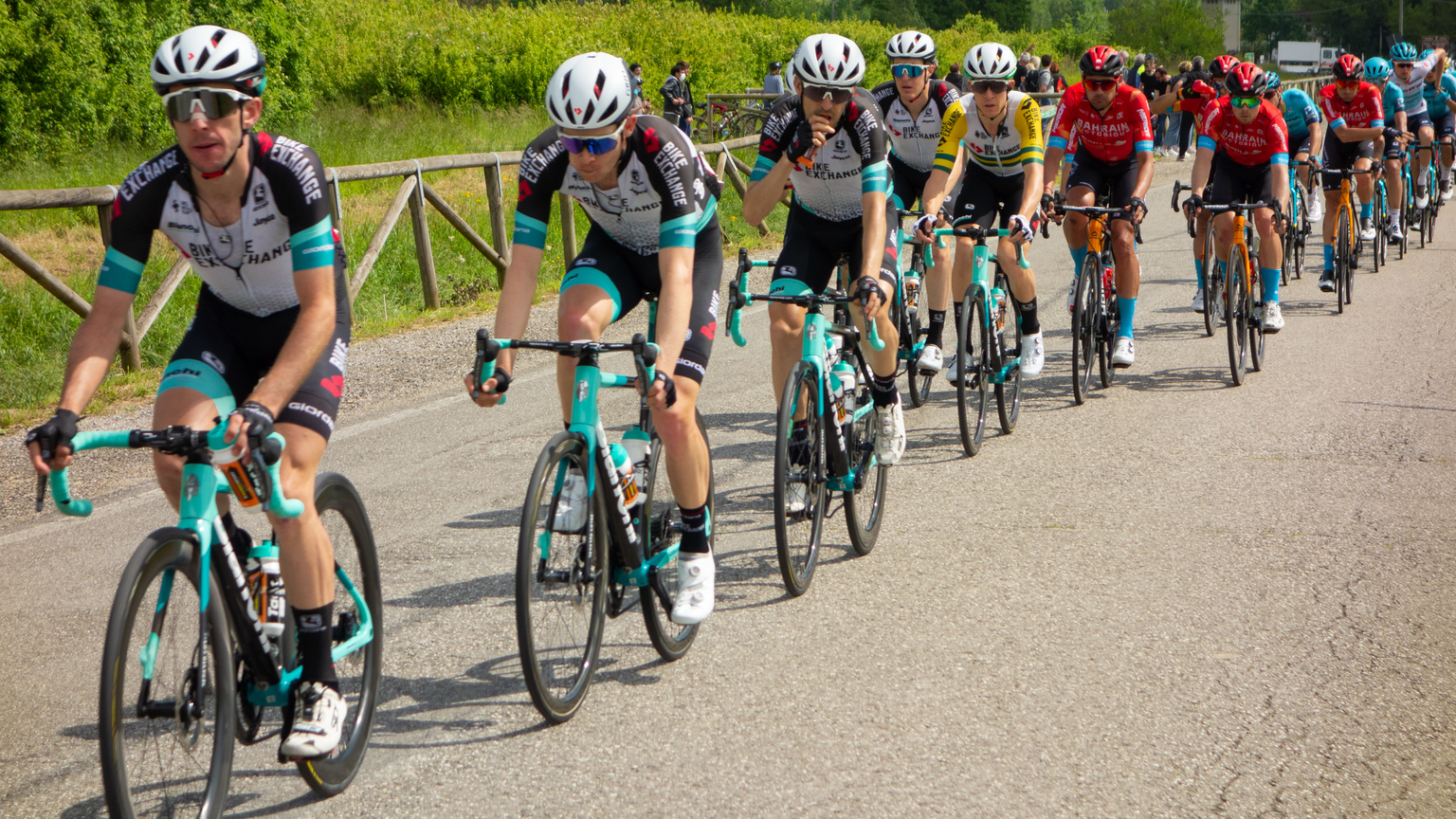
Every May, as spring is about to bloom across the Italian peninsula, hundreds of elite professional cyclists set out on the world’s most beautiful—and most demanding—course: the Giro d’Italia. Founded in 1909, this race is renowned for its majestic mountain scenery, unpredictable weather, and highly creative route planning, earning its reputation as the “most soulful” of the three Grand Tours.
The Historical Background of the Giro d’Italia
The Giro d’Italia was born out of a newspaper rivalry. In 1909, Italy’s La Gazzetta dello Sport decided to organize a cycling race spanning the entire country in order to compete with its rivals for readership. The inaugural edition consisted of 8 stages covering approximately 2,448 kilometers, with Luigi Ganna ultimately taking the title.
Since then, the Giro d’Italia has adopted pink (Rosa) as its signature color, with the race leader wearing the pink jersey (Maglia Rosa), symbolizing glory and a love for the Italian land. This shade of pink stands out uniquely in the international racing scene, becoming a highly recognizable visual symbol.
Route Design Philosophy: Let the Mountains Speak
The Giro d’Italia’s route design is known for “prioritizing mountains and emphasizing climbing.” Compared to the Tour de France’s overall balance and the Vuelta a España’s technical challenges, the Giro leans more toward placing stages in high-altitude regions above 2,000 meters, sometimes even continuing racing through snow-covered passes, where sudden weather shifts add an extra layer of unpredictability.
The Dolomites are the spiritual symbol of the Giro d’Italia. This UNESCO World Natural Heritage site is famous for its knife-edged vertical rock walls and rugged trails. Passes such as the Passo dello Stelvio, the Passo Pordoi, and the Passo Tre Cime di Lavaredo leave both riders and spectators in awe every year.
The Passo dello Stelvio, at 2,757 meters above sea level, is one of the most iconic climbs in the Giro d’Italia. With 48 hairpin turns, a total length of 24.3 kilometers, and an average gradient of 7.4%, it is known among riders as “the most beautiful and most terrifying pass in cycling.” As the peloton crawls up this switchback road at a snail’s pace, the distant glaciers and deep valleys together form a breathtaking scene.
Weather: The Most Unpredictable Opponent
May weather in Italy’s mountain regions is highly variable, with profound tactical implications for the Giro d’Italia. Riders may start in a sunny, warm valley only to encounter heavy snow or storms at the summit. Throughout history, there have been numerous instances of stages being altered or shortened due to severe weather conditions.
This unpredictability tests riders’ adaptability and equipment preparedness. Wet surfaces on descents multiply the risk, while riding for extended periods in cold conditions poses a severe challenge to both physical endurance and mental fortitude. Many riders admit that what makes the Giro d’Italia terrifying is not just the climbs, but the elusive mountain weather.
Analysis of Signature Stages
Week One: The Giro d’Italia typically opens with a prologue or individual time trial, followed by several flat stages for the sprinters to contest. During this phase, teams work hard to protect their leaders, breakaways are frequent, and the atmosphere is tense.
Week Two: Entering the Apennines and southern Italian terrain, the topography grows increasingly complex, and the first decisive mountain stages begin to appear. Team strategies diverge from this point, and pure climbers start to come to the fore.
Week Three: The final week is the most spectacular part of the Giro d’Italia. High-mountain Dolomite stages and a decisive penultimate time trial come in quick succession, and the fate of the pink jersey is often sealed here. Traditionally, the final stage concludes with a time trial in a major city (such as Milan, Rome, or Verona) rather than a sprint finish—a stark contrast to the Tour de France’s convention of ending with a sprint on the Champs-Élysées.
Italian Fan Culture
The spectator culture of the Giro d’Italia is truly one of a kind. Italian fans (Tifosi) are known for their fervor: they pitch tents along the mountain roads, wave flags and set off smoke flares as riders pass by, and sometimes even run alongside the cyclists for a stretch, forming a wall of pure Italian passion. While this interaction occasionally raises safety concerns, it is also an irreplaceable and unique atmosphere that no other race can replicate.
Recent Champion Trends
In recent years, the battle for the Giro d’Italia title has grown increasingly diverse. With riders such as Tadej Pogačar, Geraint Thomas, and Jai Hindley taking consecutive victories, it is clear that while the Giro’s difficulty threshold is high, it remains open to versatile all-rounders of many types. Pure climbers certainly hold an advantage, but time trial ability is equally important, as the final stage is usually decided against the clock.
Lessons for Taiwanese Riders
Although the Giro d’Italia is far away, the spirit of its mountain challenges offers direct lessons for Taiwanese riders. Taiwan boasts world-class climbing routes through the Central Mountain Range, Hehuan Mountain, and Wuling, providing exceptional conditions for climbing training. How to manage power output on long climbs, adjust pacing, and cope with sudden weather changes are precisely the most valuable insights the Giro d’Italia offers to all cycling enthusiasts.
The Giro d’Italia is not just a race—it is an annual celebration of Italian culture, geography, and human willpower.
Related Reading
- Giro d’Italia In-Depth Analysis: The Romance and Cruelty of the Pink Jersey
- Giro d’Italia: The Legendary Tales of the Pink Jersey and Italy’s Mountains
- Giro d’Italia: The Romance and Cruelty of the Pink Jersey
- Giro d’Italia In-Depth Analysis: High-Mountain Trials, the Pink Jersey, and Taiwanese Riders’ European Dreams