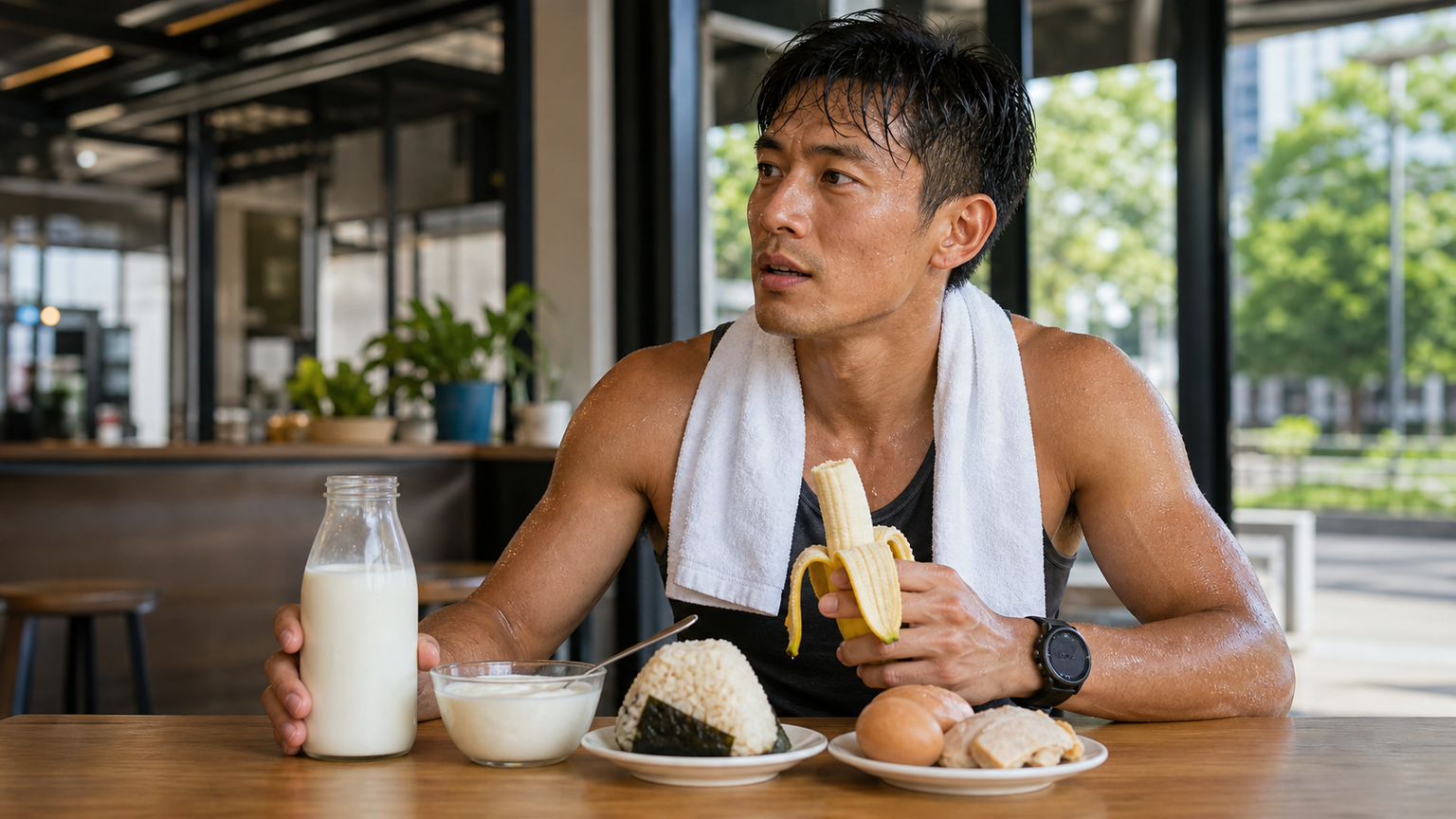
Why Is Post-Run Nutrition So Important?
After finishing a run, many people’s first reaction is “I’m too tired, let me rest first,” pushing eating down the priority list. This could be one of the main reasons for poor recovery efficiency. The first 30-60 minutes after running is the “golden window” for nutritional replenishment, during which the body’s absorption efficiency for glucose and amino acids is 2-3 times higher than normal.
The Body’s Two Major Needs After Running
Need One: Replenishing Depleted Glycogen
After a long run, glycogen (stored glucose) in the muscles and liver has been significantly depleted. Consuming carbohydrates is the most direct way to replenish glycogen. If not replenished promptly, the body will continue to obtain energy by breaking down muscle protein, leading to muscle loss.
Need Two: Repairing Damaged Muscles
Running (especially long runs and intervals) causes micro-damage to muscle fibers. The amino acids in protein are the raw materials for repairing this damage. Consuming adequate protein within the golden window can maximize the muscle protein synthesis rate.
Recommendations for the Golden 30 Minutes
Dosage Formula
Carbohydrates:
- Easy run (30-45 minutes): 0.5-0.8 g/kg body weight
- Moderate-intensity run (45-90 minutes): 0.8-1.0 g/kg body weight
- Long/high-intensity run (90+ minutes): 1.0-1.5 g/kg body weight
Protein:
- General cases: 0.25-0.4 g/kg body weight
- Recommended fixed amount: 20-30 g (a suitable range for most runners)
Specific needs for a 60 kg runner (after a long run):
- Carbohydrates: 60-90 g
- Protein: 15-24 g
- Total calories: approximately 300-450 kcal
Carbohydrate-to-Protein Ratio
Research shows that the optimal carbohydrate-to-protein ratio for post-run recovery is 3:1 to 4:1.
| Running Intensity | Carbohydrates | Protein | Ratio |
|---|---|---|---|
| Easy run | 30-45 g | 10-15 g | 3:1 |
| Moderate intensity | 50-70 g | 15-20 g | 3.5:1 |
| Long/high intensity | 70-90 g | 20-25 g | 4:1 |
Best Post-Run Replenishment Options from Taiwanese Foods
Quick Replenishment (Immediately After the Run)
Option One: Easily Available at Convenience Stores
- Fresh milk (240 ml, about 12 g protein + 12 g carbs) + banana (25 g carbs) + rice ball (50-55 g carbs)
- Chocolate milk: naturally has a 3:1 carb-to-protein ratio, a research-supported recovery drink
Option Two: Homemade Replenishment (Prepared in Advance)
- Full-fat Greek yogurt (150 g, about 15 g protein) + sweet potato mash (50 g carbs) + honey
- Banana + peanut butter toast (whole wheat)
The Main Meal 2 Hours After the Run
The golden window is for a light snack; the main meal 2 hours later is the primary recovery fuel.
Local Taiwanese Recommendations:
| Food Combination | Protein | Carbohydrates | Notes |
|---|---|---|---|
| Braised pork rice (one bowl) + tofu soup | 25 g | 65 g | Traditional, convenient, and easy to find |
| Chicken breast rice balls ×2 + soy milk | 30 g | 70 g | High protein, highly convenient |
| Sweet potato porridge + boiled eggs ×2 | 15 g | 60 g | Easy to digest, suitable for those with sensitive stomachs |
| Oatmeal + protein powder | 35 g | 55 g | High protein, suitable for those with high training volume |
| Steamed fish + brown rice (1.5 bowls) | 28 g | 70 g | Balanced, a good long-term choice |
Adjusting Replenishment for Special Situations
Situation One: No Appetite After a Long Run
Loss of appetite is common after long runs, caused by elevated cortisol (the stress hormone) suppressing hunger. Solutions:
- Start with liquid foods (protein shakes, chocolate milk)
- Wait 30-60 minutes for your appetite to return before eating a main meal
- Skipping food entirely is not recommended; consume at least 20-30 g of carbohydrates
Situation Two: Post-Run Replenishment During Weight Loss
If your goal is to lose weight while maintaining training, post-run replenishment still cannot be skipped, but it can be adjusted:
- Maintain protein intake (20-30 g) to protect muscle
- Slightly reduce carbohydrates (50% of the normal amount), but do not skip them entirely
- Avoid the misconception of “not eating after a run to keep burning fat”—muscle loss is a much bigger problem
Situation Three: Replenishment After Running in Hot Weather
With heavy sweating in Taiwan’s summer, electrolyte replenishment is equally important:
- If sweat loss is high (body weight drops more than 1 kg after the run), replenish 1.5 liters of fluid for every kilogram of body weight lost
- Include sodium-containing electrolytes (sports drinks, electrolyte tablets)
- Avoid drinking large amounts of plain water only (it can dilute blood sodium and cause hyponatremia)
Choosing Supplements
Whey Protein
The most commonly used protein supplement after running; it is digested and absorbed quickly, making it an ideal choice for the golden window.
- Recommended per serving: 20-25 g of protein
- Pair with: add banana or honey to provide carbohydrates
Branched-Chain Amino Acids (BCAA)
For high-volume runners (weekly mileage over 80 km), BCAA supplementation can help reduce muscle breakdown. However, for runners with average training volume, complete protein foods are sufficient.
Creatine
Research results on creatine’s direct benefits for runners are mixed, but it has clear benefits for high-intensity interval training and strength training. If your training includes a lot of interval running, you may consider using it.
Micronutrients Often Overlooked
Iron
Runners (especially female runners) are a high-risk group for iron deficiency. The impact of foot strikes can destroy red blood cells (hemolysis), and combined with additional iron loss from menstruation, many female runners develop anemia without knowing it.
Iron-rich foods: Pork liver, dark green vegetables (containing non-heme iron), red meat, oysters
Recommendation: Get regular annual check-ups for hemoglobin and ferritin levels
Calcium and Vitamin D
The repeated impact of running places stress on bones, and adequate calcium and vitamin D are the foundation for preventing stress fractures. Taiwan has abundant sunshine, so vitamin D deficiency is usually not a concern if you run outdoors regularly; for calcium, a daily intake of 1000-1200 mg is recommended.
Conclusion
Post-run recovery nutrition is not an optional “good habit”—it is part of the completeness of your training. Replenishing the right ratio of carbohydrates and protein within the golden 30 minutes, combined with a balanced main meal 2 hours later, will greatly improve your recovery speed and training adaptation. Good runners know that eating right is just as important as running right.
Related Reading
- Post-Run Recovery Nutrition: The Scientific Basis of the 30-Minute Golden Replenishment Period
- The Golden 30 Minutes of Post-Run Recovery: Optimal Timing for Protein and Carbohydrate Replenishment
- The Nutritional Recovery Window After Running: The Golden Ratio of Carbohydrates to Protein
- Post-Run Recovery Nutrition: The Protein-to-Carbohydrate Ratio in the 30-Minute Golden Window
CT暗黑廚房) 車友必備 宇宙無敵鮮蚵湯 幫助訓練恢復 天然食補 好市多 超肥鮮蚵 破PR
7 年前
靠單車減肥35公斤 心得分享與整理
7 年前
Live) 備戰2019彰化經典百K 賽前攻略 (已完賽請看新影片
7 年前
西進武嶺 免費訓練分析服務 Intervals | 練不夠還是練過頭?你哪一種類型選手?AI模型告訴你! | 備戰神器 | 公路車 訓練 | CT Yeh
4 年前
一日北高前的高裝檢 | 北高 360 | 挑戰11小時的裝備 | 一日雙塔 | 補給
6 年前
摔車後補裝備: 好市多新款單車安全帽& Specialized Romin 北高整路屁股都不痛的坐墊 | 一千元居然有MIPS | CT Yeh | 公路車
4 年前
FTL 與 SYB 車隊專訪 西進武嶺 實用攻略分享! 2小時 如何練?!你不知道的眉角!新手準備武嶺必看 EP1 | 實力派女車友 | 精華版 | 公路車 | CTYeh
4 年前
實景訓練台) 彰化經典百K 高強度喵團 90分鐘 跟著一起練功 2019 Indoor workout Changhua Classic 100 Taiwan
7 年前