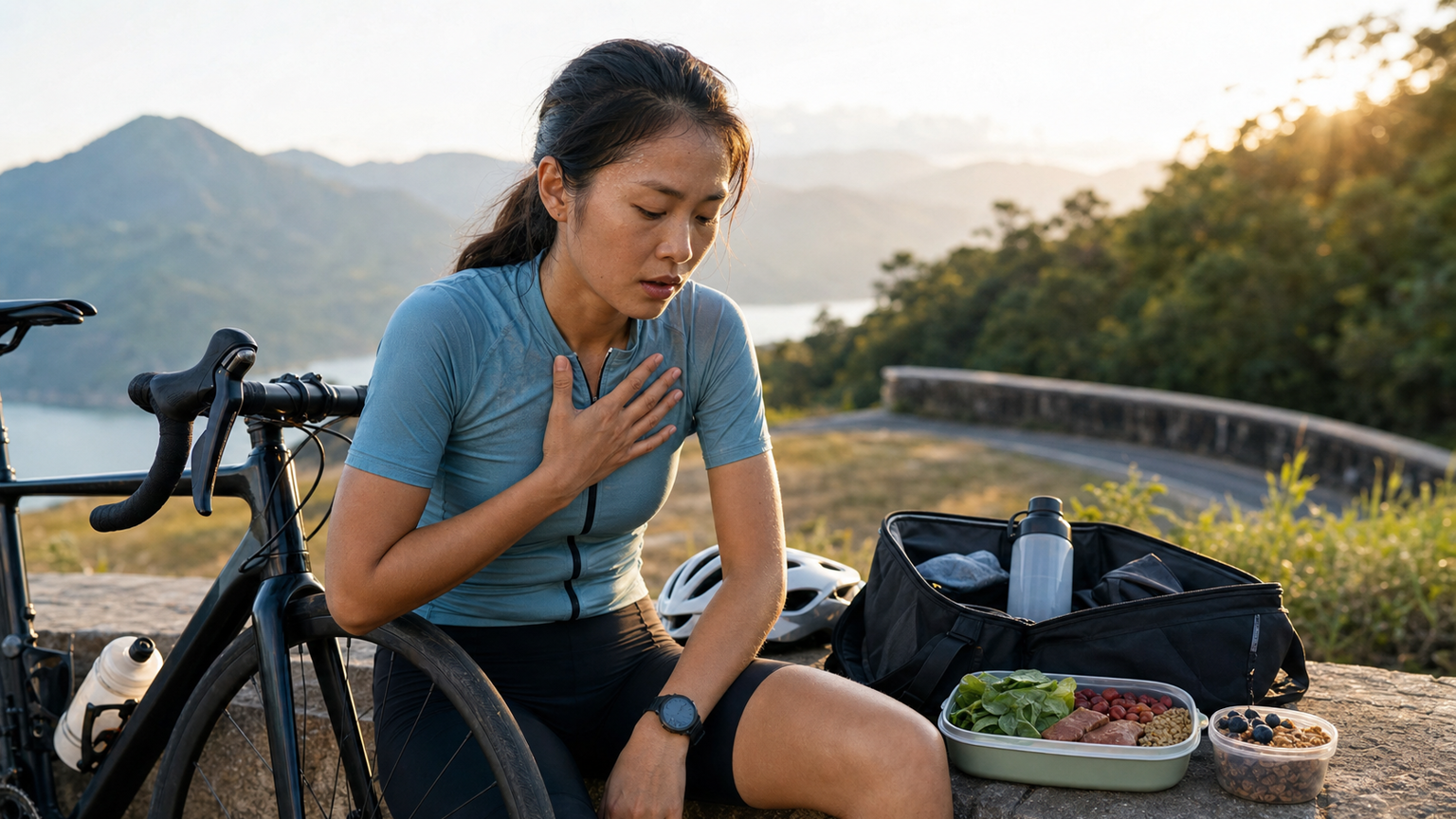
The Impact of Iron Deficiency on Athletic Performance: Special Considerations for Female Endurance Athletes
The Core Role of Iron in Exercise
Iron is the core component of hemoglobin in red blood cells, responsible for transporting oxygen from the lungs to working muscles. Iron is also an essential component of myoglobin in muscles and enzymes in the mitochondrial respiratory chain.
Once iron deficiency occurs, the following are all affected:
- Reduced blood oxygen-carrying capacity
- Decreased aerobic metabolic efficiency in muscles
- Lower maximal oxygen uptake (VO2max)
- Earlier lactate accumulation during exercise
- Slower recovery
Stages and Symptoms of Iron Deficiency
The Three Stages of Iron Deficiency
| Stage | Iron Stores (Ferritin) | Red Blood Cells | Symptoms |
|---|---|---|---|
| Stage 1 (Iron Store Depletion) | Low Ferritin | Normal | Almost no symptoms |
| Stage 2 (Functional Iron Deficiency) | Low Ferritin | Mildly abnormal | Fatigue, decreased performance |
| Stage 3 (Iron Deficiency Anemia) | Very Low Ferritin | Microcytic anemia | Marked fatigue, shortness of breath, dizziness |
Important: Many athletes in Stages 1-2 still have hemoglobin within the normal range and are often misled by “normal blood test results,” overlooking the problem.
Symptom Checklist
- Unexplained fatigue during exercise
- Persistent decline in training quality or performance
- Elevated heart rate at the same intensity
- Inability to reach previous training intensities
- Unusual sensitivity to cold
- Low mood, difficulty concentrating
- Increased hair loss
- Brittle nails
- Pica (craving ice, dirt, or other non-food substances)
Why Are Female Athletes Particularly Prone to Iron Deficiency?
Female endurance athletes are a high-risk group for iron deficiency, for the following reasons:
1. Menstrual Blood Loss
Each menstrual period results in an average loss of 20-80 mL of blood, equivalent to a loss of 10-40 mg of iron. For athletes with high training loads, dietary restrictions, or vegetarian diets, it is difficult to replenish this through diet alone.
2. Foot Strike Hemolysis
During long-distance running, the impact force of each foot strike physically damages red blood cells in the capillaries of the feet, accelerating red blood cell turnover.
3. Exercise-Induced Gastrointestinal Bleeding
High-intensity, long-distance running can cause micro-bleeding in the intestinal mucosa, which accumulates significantly over time.
4. Iron Loss Through Sweat
Sweat contains trace amounts of iron. Athletes with high training volumes can lose approximately 0.3-1.5 mg of iron per day through sweat.
5. The Hepcidin Mechanism
In the 3-6 hours following high-intensity training, the body secretes the antimicrobial peptide hepcidin, which inhibits intestinal iron absorption for up to 24 hours. This means that supplementing iron immediately after training is highly ineffective.
6. Inadequate Dietary Intake
Female athletes pursuing a “lean” physique often have insufficient energy intake (RED-S), which also leads to inadequate iron intake. Vegetarians and those on plant-based diets are also high-risk groups.
Iron Requirements and Dietary Sources
Daily Iron Requirements
| Population | Daily Requirement |
|---|---|
| Adult males | 8 mg |
| Premenopausal women | 18 mg |
| Pregnant women | 27 mg |
| Endurance athletes (estimated) | Women 25-30 mg, men 10-15 mg |
Comparison of Food Sources
| Food | Iron Content (per 100g) | Absorption Rate |
|---|---|---|
| Pork liver | 22 mg | High (heme iron, approximately 20-30%) |
| Beef (lean) | 3.5 mg | High |
| Oysters | 5-7 mg | High |
| Spinach | 2.7 mg | Low (non-heme iron, approximately 3-8%) |
| Tofu | 2.5 mg | Low |
| Black beans | 6.7 mg | Low |
| Pumpkin seeds | 8.8 mg | Low |
Strategies to Enhance Iron Absorption
- Pair with Vitamin C (lemon juice, oranges) to increase non-heme iron absorption by 2-3 times
- Avoid consuming iron simultaneously with calcium, tannins in tea/coffee, and phytates in whole grains (these inhibit absorption)
- Cooking with cast iron cookware can increase the iron content of food
The Best Time to Supplement Iron
Given the hepcidin issue, research suggests:
- Supplement iron on rest day mornings, when hepcidin levels are lowest and absorption efficiency is highest
- Avoid supplementing immediately after high-intensity training
- Alternate-day supplementation (rather than daily) may be more effective than daily supplementation (allowing hepcidin to drop between doses)
Forms of Iron Supplementation
| Supplement Form | Characteristics | Suitable For |
|---|---|---|
| Ferrous sulfate | Effective, but more gastrointestinal side effects | Severe deficiency, those who tolerate it well |
| Ferrous gluconate | Gentler, fewer side effects | Mild to moderate deficiency |
| Iron sandwich formula (e.g., Ferrasorb) | High bioavailability | Those with poor absorption |
| Intravenous iron | Fastest, fewer side effects (modern formulations) | Severe deficiency unresponsive to oral supplements |
Monitoring and Assessment
It is recommended that female endurance athletes with high training volumes undergo blood tests at least twice per year:
- Complete blood count (CBC): hemoglobin, hematocrit
- Serum ferritin: Most important! Recommended to maintain >35-50 ng/mL (athlete standards are higher than the general population)
- Transferrin saturation
Note: An additional test should be performed during periods of high training volume before the competitive season.
Conclusion
Iron deficiency is the most common, most easily overlooked, yet most easily correctable cause of performance decline in female endurance athletes. Regular blood testing (especially ferritin), attention to dietary iron intake and absorption strategies, and supplementing iron at the right times can ensure your training results are not compromised by an “invisible limitation.”
Related Reading
- Iron and Anemia: A Nutritional Issue Female Endurance Athletes Cannot Ignore
- The Iron Deficiency Crisis: The Most Common Yet Most Overlooked Nutritional Problem in Female Endurance Athletes
- Iron and Anemia in Female Athletes: Why the Risk Is Higher, Common Symptoms, Dietary Strategies, and When to Seek Medical Care
- Iron in Female Athletes: The Dual Depletion of Menstrual Blood Loss and Endurance Exercise
福隆鐵人團練隨拍
8 年前
西進武嶺 免費訓練分析服務 Intervals | 練不夠還是練過頭?你哪一種類型選手?AI模型告訴你! | 備戰神器 | 公路車 訓練 | CT Yeh
4 年前
FTL 與 SYB 車隊專訪 西進武嶺 實用攻略分享! 2小時 如何練?!你不知道的眉角!新手準備武嶺必看 EP1 | 實力派女車友 | 精華版 | 公路車 | CTYeh
4 年前
CT 喇低賽) 武嶺牽車 才是王道 西進牽車四小時內秘訣 攝手位置 如何判斷 防抽筋小秘訣
7 年前
2026 車錶排行榜!誰是最多車友正在使用?練家子最愛哪款?🏆 (2萬名車友數據) / 公路車 / CT Yeh
5 個月前
CT 喇低賽) 單車 比賽總是沒照片? 攝影師的觀點大公開 姿勢就是力量! 請加速1.25倍收看
7 年前
[教學] Premiere 影片 手震 修正 教學 防抖 單眼 影像 GoPro 穩定 Video Stabilization
8 年前
台灣旅行團參加 第7回まえばし赤城山ヒルクライム大会 雙視點
8 年前