2026 Energy Gels, Electrolytes, and Energy Bars: A Practical Buying Guide—Nutrition Strategies That Won't Wreck Your Stomach
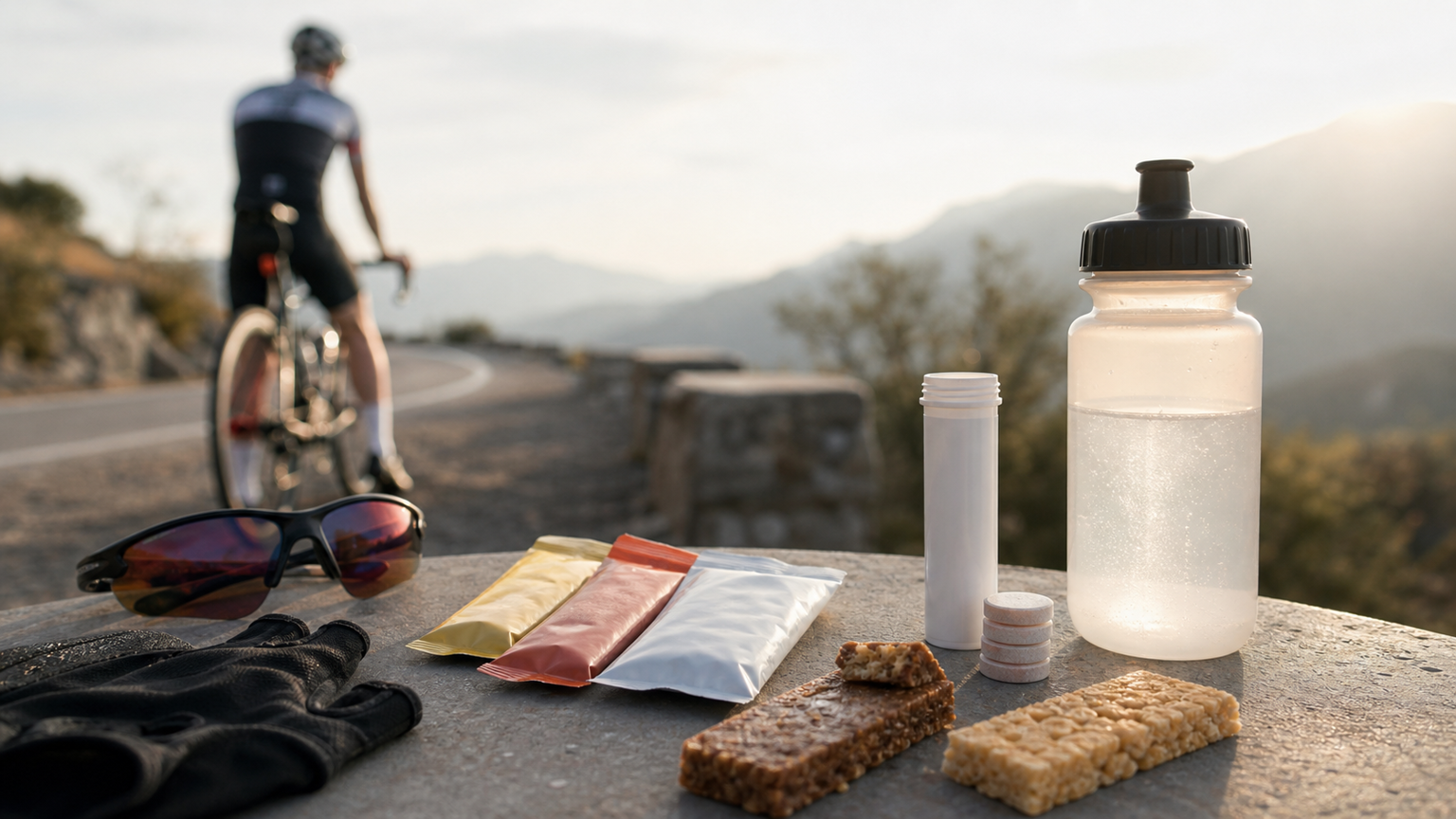
Fuel Isn’t About What’s Priciest — It’s About What Fits You Best
The wall in endurance sports rarely comes from your legs giving out first — it’s energy and electrolytes running dry, or your gut going on strike first. The market is flooded with fuel options, but the key isn’t the brand — it’s whether the “carb type, intake rate, and sodium content” match your race and your stomach.
Three Categories of Fuel, Defined
| Type | Primary Function | Absorption Speed | Best Used When |
|---|---|---|---|
| Energy Gel | Quick carb hit (20-30g per serving) | Fast | Mid-race, when you need energy immediately |
| Electrolyte Tablets/Drinks | Replenish sodium, prevent cramps and dehydration | Fast | Hot weather, long duration, heavy sweating |
| Energy Bar | Longer-lasting energy, provides satiety | Slow | Long distances, mid-ride, when not sprinting |
The Science of Carbs: The 2:1 Glucose-to-Fructose Ratio
The body’s single channel for glucose absorption tops out at roughly 60 grams per hour. If you consume “glucose + fructose (at about a 2:1 ratio)” at the same time, you can use two absorption channels, pushing total carb absorption up to roughly 90 grams per hour. The longer the endurance effort, the more you should choose products touting “multi-source carbs (multi-source / 2:1).”
How to Gauge Sodium Content
When sweating heavily, hourly sodium loss varies by person (roughly 300 to 1,500 milligrams). In hot, long-duration events, sodium replenishment is a must — otherwise hyponatremia can cause cramping or even become dangerous. When evaluating electrolyte products, sodium content matters far more than flavor.
Hourly Fueling Reference by Race Type
“How much should I eat” varies greatly depending on race length and intensity. Here’s a practical starting table (still needs personal fine-tuning):
| Race Type | Hourly Carb Target | Hourly Sodium Reference | Fueling Strategy |
|---|---|---|---|
| < 90 minutes (short) | 0-30 g | Depends on sweat rate | Mostly relies on pre-race glycogen; small amounts suffice |
| Half Marathon/Olympic-distance Triathlon | 30-60 g | 300-600 mg | Gels as the main source, taken on schedule |
| Full Marathon/Long Ride | 60-90 g | 500-1000 mg | Multi-source carbs + electrolyte drinks |
| Ultra Marathon/Ultra Triathlon | 60-90 g + solid food | 800-1500 mg | Rotate gels, bars, and drinks to avoid sweetness fatigue and nausea |
These numbers are a starting point, not gospel. Be sure to rehearse these amounts during your long training sessions before race day to find the upper limit your gut can tolerate.
Gut Training Is the Real Key
Trying a gel for the first time on race day is a gamble. Your gut’s tolerance for carbs is “trainable”: in the weeks leading up to the race, your long sessions should rehearse your race-day fuel and intake frequency.
Common Mistakes
Only drinking water without sodium (diluting blood sodium), waiting until you’re hungry to eat (too late by then), and using untested new products on race day.
The highest level of fueling is making your body “not realize it’s running low” during the race. Those who achieve this don’t rely on the most expensive gels — they rely on the dozens of serious gut-training sessions done before race day.
Related Reading
- Sports Fuel Buying Guide: The Differences Between Energy Gels, Fuel Bars, and Electrolytes
- 2026 Energy Bars and Solid Fuel Buying Guide: Balancing Cravings and Satiety on Long Rides
- Solid Food vs. Energy Gels During Races: How to Choose the Fuel Form That Fits You Best
- 2026 Sports Carb Drink Buying Guide: How to Down High-Concentration Carb Mixes Without Blowing Up Your Stomach
CT暗黑廚房) 車友必備 宇宙無敵鮮蚵湯 幫助訓練恢復 天然食補 好市多 超肥鮮蚵 破PR
7 年前
詳測) 小米 電動打氣筒 公路車胎要充多久? 值得買嗎? 米家充氣寶 小心燙手!
7 年前
2021 96聯賽 桃園市長盃 4K多視角實況 當天選手瓦數/推力比/均速/時間 即時數據分析 | 公路車 | CT Yeh
5 年前
一日北高前的高裝檢 | 北高 360 | 挑戰11小時的裝備 | 一日雙塔 | 補給
6 年前
#公路車 #西進武嶺 配速配瓦實驗 坡度分析 四小時內攻略 建大盃 NeverStop #西進武嶺攻略
6 年前
單車 一日北高 ( 雙城 ) 肥宅雙人瘋狂行 紀錄片 REACTO
10 年前
西進武嶺 自製新版AI配速表產生器 x 賽前攻略 抱佛腳! 沒有功率計也可以產生配速表嗎?有什麼其他眉角賽前要注意的呢? | 西進武嶺 / 東進武嶺 KOM 攻略 | 公路車 | CT Yeh
4 年前
多機位拍片神器 DJI Action 2 拍出速度張力感 | 類空拍機視角 4陣列麥克風超強降風噪 實測! | 公路車 | CT Yeh
3 年前