2026 Sports Nutrition Carb Drink Buying Guide: How to Drink High-Concentration Carb Mix Without Upsetting Your Stomach
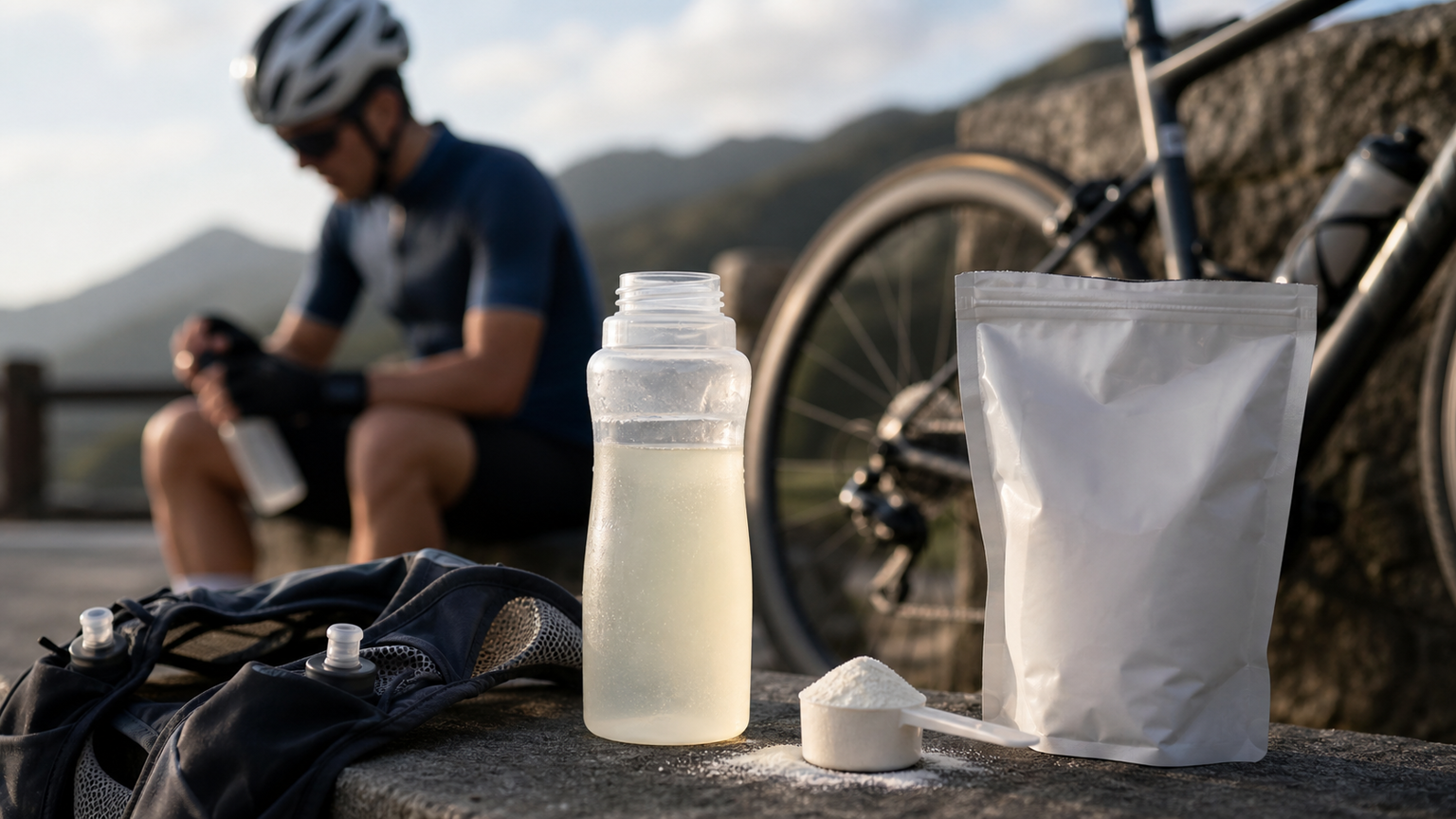
From “Chewing Gels Mid-Run” to “Drinking Your Carbs”
A major shift in endurance nutrition in recent years: top athletes are consuming large amounts of carbohydrates in the form of “liquid high-concentration drinks” rather than constantly tearing open energy gels. The benefits are faster absorption, no need to chew, and the ability to take in a much higher amount per unit. But if the concentration isn’t dialed in, your gut will rebel immediately.
Why Such High Carb Intake
The carbohydrate demands of long-duration endurance sports are enormous. Through the dual “glucose + fructose (roughly 2:1)” transport channels, absorption can reach up to ~90 grams per hour or even higher (some elite athletes can tolerate more after training). Solid fuel is very hard to consume in these amounts without feeling nauseous, making liquid drinks the solution.
The Key to High-Concentration Drinks: Osmolality
| Drink Type | Osmolality | Characteristics |
|---|---|---|
| Hypotonic | Lower than body fluids | Fast hydration, low carb concentration |
| Isotonic | Close to body fluids | Balanced hydration and carbs, most common |
| Hypertonic | Higher than body fluids | High carb concentration, needs water alongside, prone to stomach discomfort |
The new generation of “high-carb drinks” mostly uses maltodextrin + fructose formulas to keep osmolality and gastric emptying as controlled as possible even at high concentrations, reducing bloating and the risk of osmotic diarrhea.
The Role of Maltodextrin
Maltodextrin is a chain of multiple glucose molecules. At the same carb load, it has lower osmolality than plain glucose, making it less irritating to the gut at high concentrations—this is the key ingredient that lets high-carb drinks be “concentrated without blowing up.” Paired with fructose, which uses a separate absorption pathway, efficiency is even higher.
8-Week Gut Training Progressive Example
Suddenly drinking high-concentration carbs on race day = gastrointestinal disaster. Gut absorption capacity can be trained. Here’s a progressive example:
| Week | Drink Concentration/Intake in Long Workouts | Things to Watch |
|---|---|---|
| Weeks 1-2 | ~40-50 g carbs per hour, moderate concentration | Any bloating, burping |
| Weeks 3-4 | ~60 g per hour, with 2:1 dual sugars | Gastric emptying, any nausea |
| Weeks 5-6 | ~70-80 g per hour, close to race concentration | Tolerance at high intensity |
| Weeks 7-8 | Full rehearsal at race target concentration and amount | Complete simulation of race fueling schedule |
Principle: change only one variable per phase (amount or concentration), log your gut reactions; on race day, use only the formula and concentration you’ve practiced—zero experiments.
Practical Tips
- Hypertonic drinks must be paired with extra plain water to avoid dehydration and stomach discomfort
- When sweating heavily in heat, add sodium (electrolytes) in addition to the drink
- On race day, use only the formula and concentration you’ve trained with
High-carb drinks are a double-edged sword: use them right, and while others hit the wall in the later stages, you still have fuel; use them wrong, and the toilet becomes your finish line. They always reward those who are willing to train their gut along with everything else before race day.
Related Reading
- 2026 Energy Gels, Electrolytes, and Energy Bars: A Practical Buying Guide—Fueling Strategies That Won’t Blow Up Your Gut
- Gels, Sports Drinks, and Solid Food: Weighing Gastric Emptying and Flavor Fatigue in Race Fueling Formats
- Research Review: Latest Report on Carbohydrate Loading Ratios and GI Tolerance in Long-Distance Endurance Running—Elite Athlete Physiological Profiles (Article 1135)
- Research Review: Latest Report on Carbohydrate Loading Ratios and GI Tolerance in Long-Distance Endurance Running—Elite Athlete Physiological Profiles (Article 247)
CT暗黑廚房) 車友必備 宇宙無敵鮮蚵湯 幫助訓練恢復 天然食補 好市多 超肥鮮蚵 破PR
7 年前
2021 96聯賽 桃園市長盃 4K多視角實況 當天選手瓦數/推力比/均速/時間 即時數據分析 | 公路車 | CT Yeh
5 年前
一日北高/長距離團騎 常見問題補充篇 / 組團或跟團的眉角 / 壯車友容易被瘦車友慢性拉爆 / 原來屁股痛可能是這個原因...? / 風場配速法 / 公路車 / CT Yeh
2 年前
一日北高前的高裝檢 | 北高 360 | 挑戰11小時的裝備 | 一日雙塔 | 補給
6 年前
4K 東眼山 x 水蜜桃冰沙 百人單車約騎! 操完再吃冰 多爽快
7 年前
單車 重低音 藍芽喇叭 音質實測 SoundBot SB525 Real Sound Test
8 年前
#公路車 #Vo2Max #最大攝氧量 測驗 體驗 | 心肺測試
6 年前
3C開箱) 重低音藍芽喇叭 SoundBot SB526 音質實測 美國聲霸 單車戶外 大音量
7 年前