Gastrointestinal Distress (GI Distress) During Running: A Complete Analysis of Causes and Prevention
Introduction
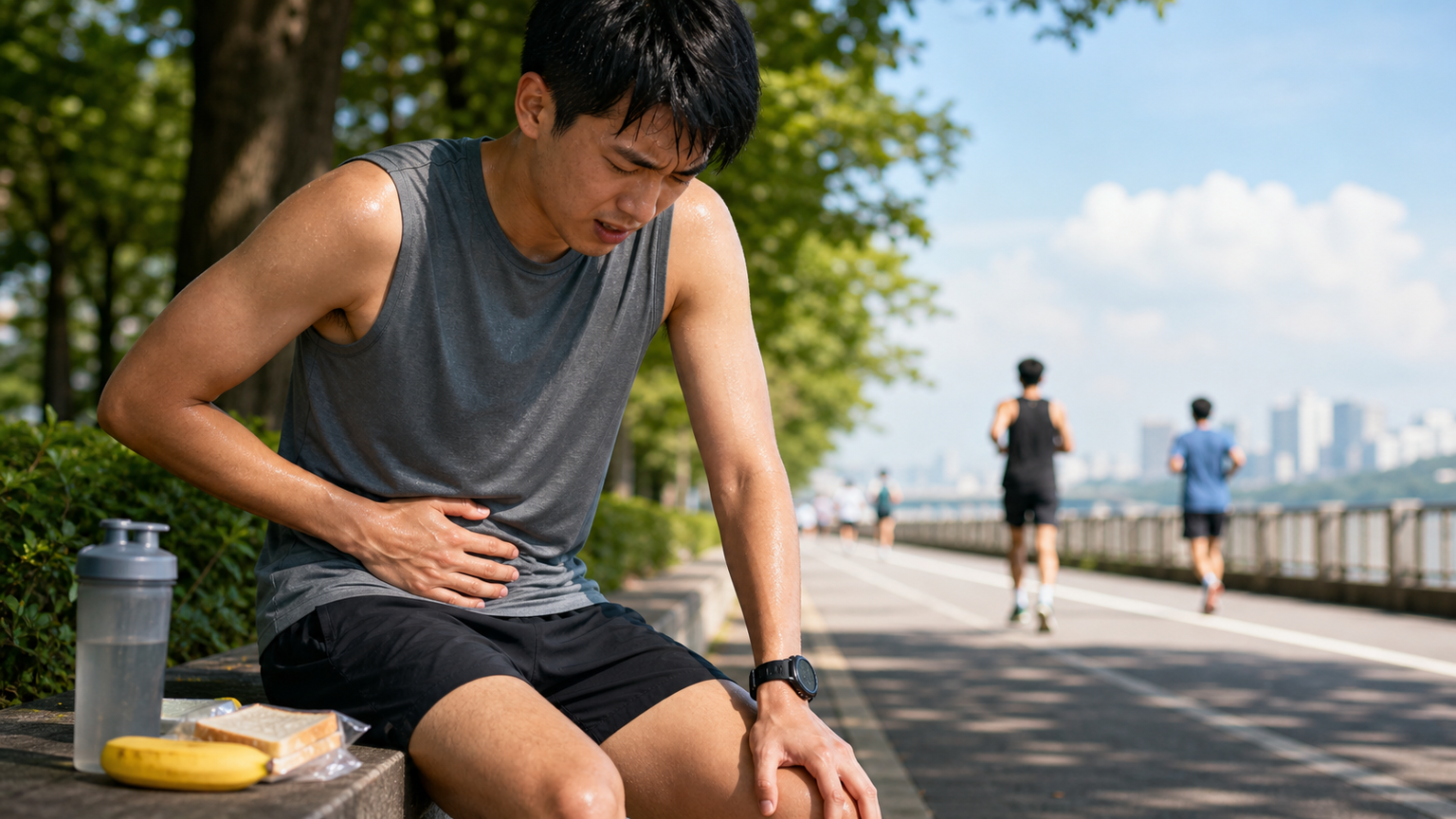
Research shows that up to 30–90% of endurance runners have experienced gastrointestinal distress (GI Distress) during long-distance races, with symptoms ranging from mild abdominal cramping to severe diarrhea, vomiting, and even forced withdrawal from the race. Swimmers have a relatively lower incidence rate (approximately 8–11%), while cyclists fall in between (approximately 19–25%)—the vertical impact of running is a key trigger for gastrointestinal issues. Understanding the causes is the first step toward developing effective prevention strategies.
Main Causes of GI Distress
1. Mechanical Factors: The Impact of Running
Every running stride applies physical impact to the digestive tract, accelerating intestinal motility and causing the gastrointestinal contents to slosh around. This is especially likely to cause nausea and vomiting when gastric emptying is incomplete. Cyclists experience fewer gastrointestinal issues because they are seated and there is no foot-strike impact.
2. Blood Flow Redistribution
During exercise, large amounts of blood are redirected to the working muscles, and intestinal blood flow can decrease by 60–80%. This state of “ischemia” can:
- Damage intestinal epithelial cells (a transient “leaky gut” effect)
- Cause intestinal cramping
- Stimulate acute intestinal secretion
3. Dietary Factors
| Dietary Factor | Impact |
|---|---|
| High-fiber meal before training | Increased food residue, stimulating intestinal motility |
| High-fat meal before training | Delayed gastric emptying; still digesting during exercise |
| High-osmolality sports drinks | Water is drawn into the intestinal lumen, causing diarrhea |
| Lactose (for those intolerant) | Osmotic diarrhea |
| Artificial sweeteners (sorbitol, etc.) | Intestinal irritation |
| Excessive caffeine | Promotes intestinal motility |
4. Heat and Dehydration
In hot environments, dehydration worsens the degree of intestinal ischemia, and elevated core body temperature directly stimulates intestinal motility. GI issues are more common in Taiwan’s summer marathons than in winter ones, which is related to this.
5. Anxiety and Stress
Pre-race psychological tension directly affects gastrointestinal function through the gut-brain axis. A common symptom is pre-race diarrhea (“nervous stomach” or “race-day runs”).
Pre-Race Dietary Adjustment Strategies
24 hours before the race:
- Lower fiber: choose white rice instead of brown rice, white toast instead of whole wheat, and peeled fruit instead of fruit with skin
- Lower fat: avoid fried foods and high-fat sauces
- Lower lactose: some athletes are sensitive to lactose, so reduce dairy intake before the race
- Avoid new foods: do not try foods you have never eaten before
Main meal 3–4 hours before the race:
- Main components: white rice/noodles/white toast (low-fiber starches)
- Protein: small amounts (eggs, chicken breast), not the main focus
- Completely avoid: legumes (gas-producing), cruciferous vegetables (gas-producing), high-fat foods
| Safe Foods | Risky Foods |
|---|---|
| White rice, white noodles, white toast | Whole grains, brown rice, oatmeal (before race) |
| Bananas, watermelon, white toast with jam | Apples, pears (high in sorbitol) |
| Boiled chicken breast, steamed fish | Fried pork chops, egg yolk pastries |
| Rice milk, tofu pudding (light version) | Excessive soy milk, legumes |
Fueling Strategies During Training
- Concentration control: dilute sports drinks to 4–8% (commercial products are about 6–7%; if making your own sugar water, confirm the concentration)
- Avoid high-fructose fuels: if you have a sensitive stomach, choose pure glucose products
- Small amounts, frequent intake: take in 100–200 mL at a time, rather than gulping large volumes at once
- Rehearse before race day: every fuel product used on race day must be tested at least 3 times during training
Race-Day GI First Aid
- Feeling bloated: slow down, relax your abdomen, and try to pass gas
- Mild nausea: pause fueling for 10–15 minutes and drink only plain water
- Severe abdominal pain: find a restroom; do not push through it (intestinal perforation is rare but cases exist)
- After vomiting: take small sips of electrolyte water, and resume only after the nausea subsides
Practical Advice
- Build a “GI-safe food list”—foods you have confirmed do not cause problems for you, and stick to them before races.
- The gut is trainable: regular fueling during long training sessions can improve intestinal tolerance, but it requires several weeks of progressive training.
- 7-Eleven’s rice packs and white toast are the safest Taiwan-style options before a race or long training session.
Conclusion
Gastrointestinal issues during running can be prevented and managed. Understand the triggers, rehearse systematically in training, and plan your diet carefully before race day—so that on the most important day of the race, your full attention is on your pace, not on finding a restroom.
Related Reading
- Gastrointestinal Issues After Exercise: How to Avoid Stomach Discomfort While Cycling and Running
- Runner’s Gut Issues: Preventive Dietary Strategies for Abdominal Pain and Diarrhea During Races
- Gastrointestinal Issues in Endurance Athletes: Solutions for Runner’s Diarrhea and Cyclist’s Bloating
- Gut Training for Road Running: How to Train Your Gut to Digest Fuel While Running
約騎爆笑地獄梗 大腸怎麼了🤣 #公路車 #cycling
3 年前
一日北高/長距離團騎 常見問題補充篇 / 組團或跟團的眉角 / 壯車友容易被瘦車友慢性拉爆 / 原來屁股痛可能是這個原因...? / 風場配速法 / 公路車 / CT Yeh
2 年前
一日北高常見問題大集合 | 攻略 | 路線 | 訓練 | 補給 | 自行車 單車 | 一日雙城 | 雙塔 | TWB北高360 | 屁股痛
6 年前
2018 田中馬拉松 全程健跑 VR 360 環景錄影 體驗現場狂野加油氣氛! Insta 360
7 年前
[教學] Premiere 影片 手震 修正 教學 防抖 單眼 影像 GoPro 穩定 Video Stabilization
8 年前
西進武嶺 免費訓練分析服務 Intervals | 練不夠還是練過頭?你哪一種類型選手?AI模型告訴你! | 備戰神器 | 公路車 訓練 | CT Yeh
4 年前
2026 輪霸西濱200K 挑戰VLOG / 第一集團 / 首次參加..經驗不足、膀胱不足 /死守6H內 / AI戰鬥力顯示系統 / 公路車 / CT Yeh
4 個月前
爬陡坡被爆胎的車友跑步超車 #cycling #里佳部落
9 個月前