After Completing the Island Tour: Physical Recovery and Reflecting on the Meaning of the Journey
Introduction
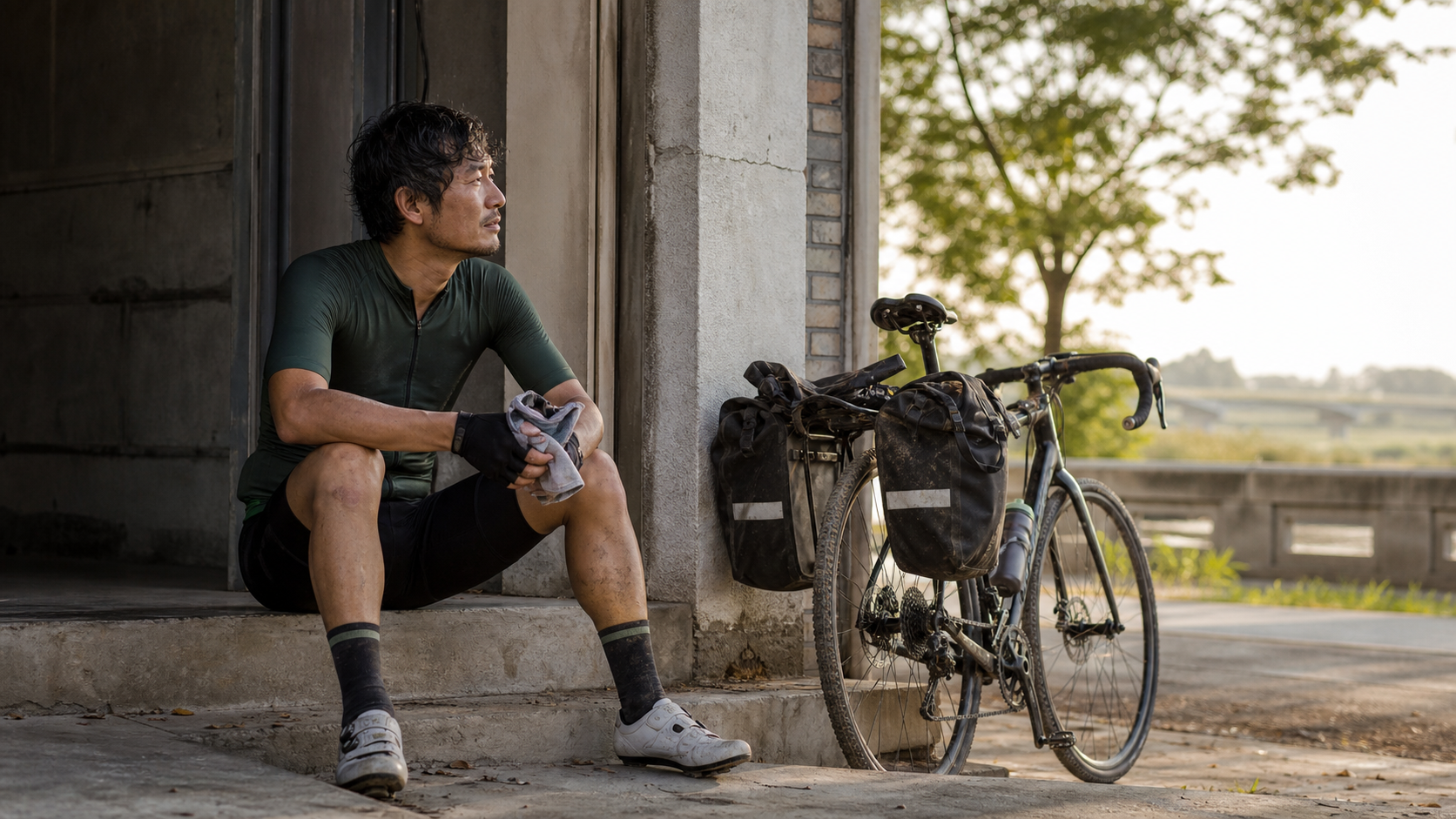
Back in Taipei, parked the bike, and set down the panniers.
The island tour is over. There’s an indescribable fatigue in the body, legs still aching faintly, skin tanned a few shades darker, possibly a few blisters on the soles of the feet—but there’s also a calm and satisfaction in the heart that’s hard to put into words. This feeling is something only those who have cycled around the island can truly understand.
However, “finishing” is not the real end—how to let the body recover properly, and how to carry the changes this journey brought into daily life, are the final and most easily overlooked lessons of the island tour.
Physical Recovery: The First Three Days Are Crucial
During the island tour, the body endured sustained physical stress: micro-tears in muscles, joint wear, slight immune suppression, and hormonal imbalance. After returning home, the recovery priorities are as follows:
Days 1–3: The Most Critical Acute Recovery Phase
| Recovery Aspect | Recommended Actions |
|---|---|
| Muscle Repair | Sleep 8–9 hours, protein intake 1.8–2g/kg/day |
| Joint De-swelling | Avoid any high-impact exercise (running, jumping); a hot bath can help relax |
| Skin Repair | Moisturize heavily; apply aloe vera gel to sunburned areas |
| Digestive Adjustment | Return to a regular diet, avoid overeating (a surge in appetite after the tour is normal) |
| Mental Cooling Down | Don’t immediately plan the next big challenge; let your brain process the experience you just completed |
Days 4–7: Light Activity Recovery Phase
- Walking or easy swimming: Promotes blood circulation and speeds up lactate metabolism, but no cycling
- Stretching for 15–20 minutes: Especially the hip flexors, quadriceps, and calves (these three areas are the tightest after the tour)
- Journaling and organizing: While memories are still fresh, write down each day’s mileage, details, and the most memorable scenes
Days 8–14: Light Riding Return Phase
- You can start riding easily, 30–50 km per session, without worrying about speed
- Avoid riding more than 2 consecutive days; the body needs periodic rest
- If knee pain persists at this point, it’s advisable to consult a physical therapist—don’t ignore it
Common Post-Tour Physical Conditions
- “Post-Tour Lethargy”: Feeling unusually tired, or even emotionally low, for a few days after finishing—this is a normal physiological and psychological response; the body needs 2–4 weeks to fully return to baseline
- Increased Appetite: During the tour, you burned 3,000–5,000 calories daily; after finishing, the body is still in “high metabolic mode,” so weight may initially rise before dropping
- Muscle Tightness: Especially in the piriformis (deep gluteal muscle) and iliopsoas; massage or foam rolling provides noticeable relief
- Sleep Changes: Some people sleep worse after the tour; this is a transitional phase as adrenaline levels adjust
Reflecting on the Meaning of the Journey
After the island tour, many say their understanding of Taiwan has changed; even more say their understanding of themselves has changed.
A Different Scale of Taiwan
Riding through Taiwan at 15–20 km/h reveals details that cars miss. The sound of chanting from roadside temples, the fishy smell when the market opens, the silhouette of an old farmer smoking by the field, the outline of a woman gathering shells by the sea—these fragments piece together a three-dimensional map of Taiwan that no travel guide can provide.
The Ability to Be Alone with Yourself
On the road around the island, there is plenty of time that is just you, your bike, and your thoughts. No phone notifications, no work messages (most of the time), only the road ahead. This practice of solitude often allows riders to re-clarify what truly matters in life.
A New Understanding of Your Physical Capabilities
Deep down, most people are half-doubtful before setting off: “Can I really finish this?” After completing it, that doubt disappears, replaced by a quiet confidence: “I did it, and I can do even more.”
Long-Term Continuation After the Tour
- Compile a record: Organize photos from your phone into an album, or write a travelogue, so the memories don’t just stay as feelings
- Maintain the cycling habit: The saddest thing after the tour is letting the bike hang back on the wall collecting dust
- Share with the next person: The most meaningful way to share your gain is to help a hesitant friend make the decision to set off
- Plan the next journey: The island tour is not the end—the 88 temples of Shikoku in Japan, Australia’s Great Ocean Road, Taiwan’s cycling route system—the next dream is waiting for you
Practical Advice
- Say thank you: To the strangers, temples, and bike mechanics who helped you along the way—even if it’s just a silent acknowledgment, it’s still a gain
- Get a check-up: If any joint issues were overlooked during the tour, seek medical attention soon after returning to daily life
- Share your story: Sharing on social media might become the final push that makes someone decide to set off
Conclusion
The island tour is over, but the story isn’t. That road stays with you—in your tanned skin, your strengthened legs, and in a certain late night known only to you, when you were by the sea on the Suhua Highway, looked up at the star-filled sky, and said to yourself: “I’m okay.”
That moment is the gift the island tour gave you. Carry it with you, and keep moving forward.
Related Reading
- Physical Recovery After the Island Tour: A First-Week Repair Plan at Home
- Physical and Mental Changes After the Island Tour: Personal Growth and Life Reflections After Completing the Challenge
- Declining Fitness After the Island Tour: How to Maintain Training Motivation After Finishing
- Recovery and Nutrition Management for Multi-Day Rides: Complete Training and Logistics Preparation for a Taiwan Challenge
靠單車減肥35公斤 心得分享與整理
7 年前
2022 環花東挑戰賽 Day2 搭到特快車 高速真空吸引! 台東一路逆風殺回花蓮! 總排 ??| Feiyu Pocket 2s | 公路車 | CT Yeh
4 年前
單車 一日北高 ( 雙城 ) 肥宅雙人瘋狂行 紀錄片 REACTO
10 年前
金門 ! 我騎過最棒的離島了 / 最後可以騎車上金門大橋的機會!?/ 公路車 / CT Yeh
1 年前
2023桃園團體繞圈賽 / 海鷗繞圈賽 | 全程空拍數據版 | 公路車 | CT Yeh
2 年前
台灣旅行團參加 第7回まえばし赤城山ヒルクライム大会 雙視點
8 年前
摔車後補裝備: 好市多新款單車安全帽& Specialized Romin 北高整路屁股都不痛的坐墊 | 一千元居然有MIPS | CT Yeh | 公路車
4 年前
CT暗黑廚房) 車友必備 宇宙無敵鮮蚵湯 幫助訓練恢復 天然食補 好市多 超肥鮮蚵 破PR
7 年前