Gastrointestinal Issues in Long-Distance Cycling: Causes and Solutions for Digestive Discomfort
Introduction
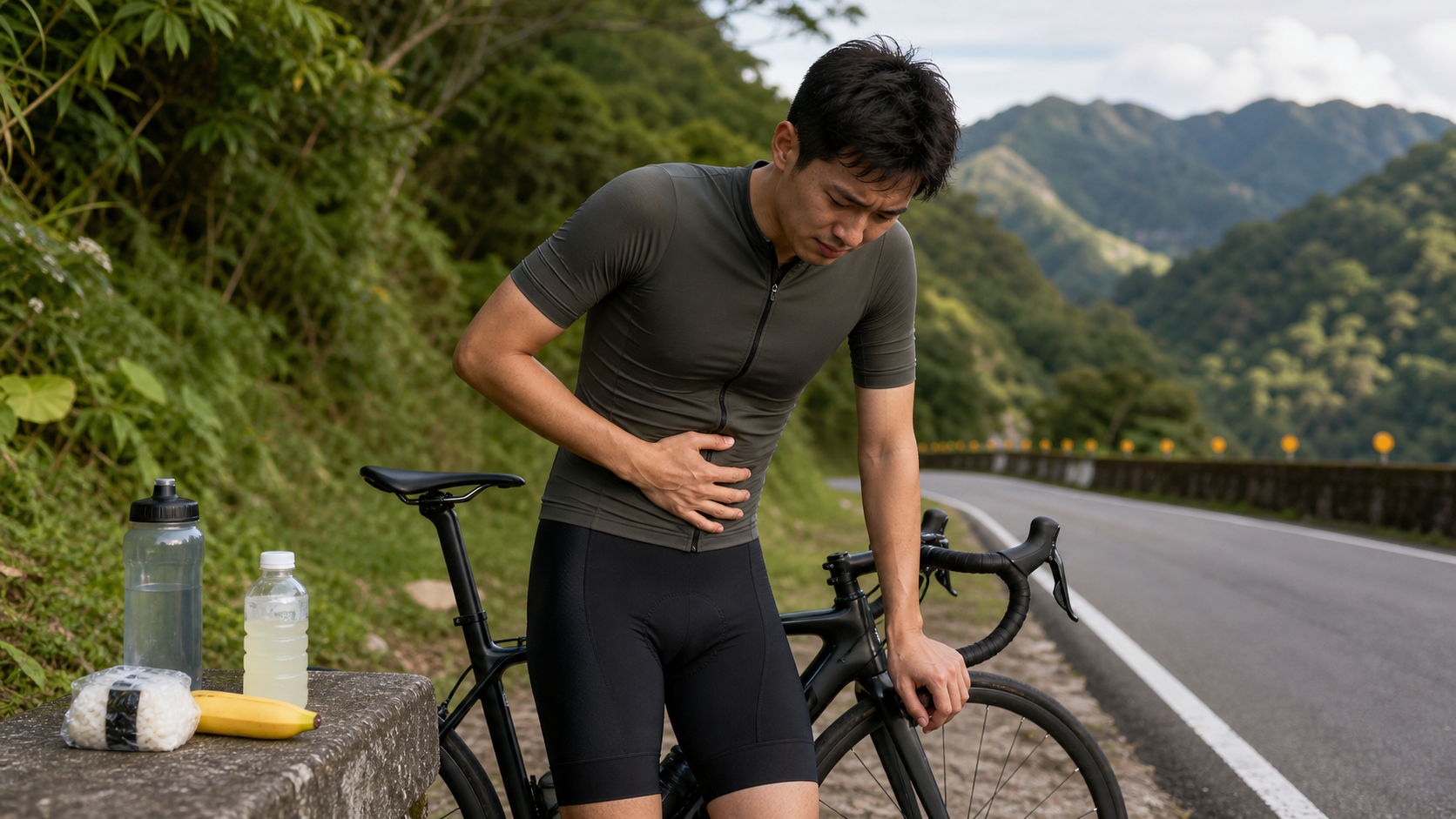
Suddenly feeling nauseous on the final 10 km of a Wuling climb, or suffering from unbearable diarrhea during a Taiwan round-island tour—these embarrassing gastrointestinal conditions actually have clear physiological explanations. Research shows that 30–67% of long-distance endurance athletes have experienced significant gastrointestinal symptoms during training or competition, and cyclists are among the high-risk groups due to the compression of the abdominal cavity from the forward-leaning riding position, as well as the redistribution of intestinal blood flow.
The Physiological Mechanisms of Exercise-Induced Gastrointestinal Discomfort
Blood Flow Redistribution
During intense exercise, the body prioritizes blood flow to the working muscles, and intestinal blood flow can be reduced by 60–70%. The ischemic intestinal mucosa becomes more permeable, allowing bacterial toxins to enter the bloodstream and trigger a systemic inflammatory response, with symptoms including nausea, abdominal cramps, and diarrhea.
Mechanical Factors
The forward-leaning riding position compresses the abdominal cavity, affecting gastric emptying rate and causing food to “get stuck in the stomach,” leading to a feeling of fullness. The vibration from rough road surfaces on Taiwan’s mountain roads also affects intestinal motility and may trigger cramps or a sudden urge to defecate.
Dehydration and Electrolyte Imbalance
Mild dehydration (2% body weight loss) can significantly delay gastric emptying. In Taiwan’s summer, sweat loss can reach 1–2 liters per hour during cycling; if fluid intake is insufficient, the risk of gastrointestinal issues increases dramatically.
Symptom Type Comparison Table
| Symptom Type | Common Causes |
|---|---|
| Nausea, vomiting | Excessive carbohydrate intake, dehydration, high-fat foods |
| Abdominal cramps | Intestinal ischemia, high-fiber foods, lactose intolerance |
| Bloating, belching | Swallowed air, carbonated drinks, legumes |
| Diarrhea | Increased intestinal permeability, hyperosmolar drinks |
| Gastroesophageal reflux | Forward-leaning riding position, riding immediately after a high-fat, high-protein meal |
Pre-Ride Nutrition Strategies
The Meal 3–4 Hours Before Riding
Choose low-fiber, low-fat, moderate-protein carbohydrates as the main meal to allow the stomach to empty fully before riding.
Suitable Choices for Taiwanese Riders:
- White rice with boiled eggs and steamed fish
- White toast with soy milk
- Bananas, peaches (low-fiber fruits)
Foods to Avoid Before Riding:
- High-fat foods (fried items, fatty meats)—delay gastric emptying
- High-fiber foods (brown rice, sweet potatoes, raw salads)
- Milk and dairy products (for those with lactose intolerance)
- Legumes (gas-producing foods), spicy foods
On-Bike Fueling Strategies
Carbohydrate Intake Guidelines
| Riding Duration | Recommended Intake (per hour) | Notes |
|---|---|---|
| < 1 hour | No carbohydrate needed | Plain water or electrolyte water is sufficient |
| 1–2.5 hours | 30–60 g | A single sugar type (glucose or fructose) is sufficient |
| > 2.5 hours | Up to 90 g | Glucose + fructose 2:1 combination, utilizing different intestinal transporter proteins |
For rides exceeding 2.5 hours, dual-sugar sources (such as energy gels paired with bananas or sports drinks) must be used to avoid intestinal transporter saturation from a single sugar type, which can cause discomfort.
Comparison of Common Fueling Foods in Taiwan
| Food | Carbohydrate Content | GI Friendliness | Notes |
|---|---|---|---|
| Banana | Approx. 25g/piece | High | Contains potassium, easiest to obtain |
| White rice ball (onigiri) | Approx. 40g/piece | High | Best choice for long-distance fueling |
| Tea egg | Mostly protein | High | Pair with rice to supplement protein |
| Energy gel | Approx. 22g/packet | Medium | Must be consumed with sufficient water |
| Sweet potato balls | Approx. 15g/piece | Medium | Okay occasionally, not in excess |
| Carbonated drinks | High | Low | High risk of bloating, avoid |
Fluid Intake
- Actively drink every 15–20 minutes; don’t wait until you’re thirsty
- Target 400–800 ml per hour (adjust based on temperature and intensity)
- In Taiwan’s summer, sweat contains approximately 400–1000 mg of sodium per hour, so electrolyte supplementation is necessary
Strategies for Training the Gut
Research shows that practicing fueling regularly during training can train the intestines to increase carbohydrate absorption capacity and reduce the incidence of gastrointestinal symptoms.
- Practice fueling during every long training ride; don’t try new foods only on race day
- Gradually increase carbohydrate intake during training to let the gut adapt slowly
- Keep a record of personal trigger foods (such as specific energy gel formulas) to build a personalized fueling strategy
Practical Advice
- Avoid alcohol the night before a ride; alcohol increases intestinal permeability and impairs sleep recovery
- Sweet potatoes, tea eggs, and onigiri from Taiwan’s convenience stores are top GI-friendly fueling choices
- Energy gels must be consumed with water; swallowing them dry can easily cause stomach discomfort
- Everyone’s gut sensitivity is different; a personalized strategy must be developed through training
- If symptoms are severe or frequent, rule out underlying gastrointestinal diseases (such as irritable bowel syndrome)
Conclusion
Gastrointestinal issues are not a matter of willpower but a challenge with a clear physiological basis. Through scientific pre-ride meal planning, appropriate on-bike fueling strategies, and continuous gut training adaptation, Taiwanese riders can absolutely maintain gastrointestinal comfort during long-distance challenges, keeping their legs turning and enjoying every kilometer of the journey.
Related Reading
- Gastrointestinal Issues in Long-Distance Riding: Preventing Digestive Discomfort Caused by Poor Fueling Timing
- Gastrointestinal Management for Long-Distance Cycling: Preventing and Managing Digestive Problems While Riding
- Gut Training for Cycling: Reducing Gastrointestinal Issues in Long-Distance Rides
- Gastrointestinal Problems in Cyclists: Causes, Prevention, and Solutions for Training-Related Digestive Discomfort
約騎爆笑地獄梗 大腸怎麼了🤣 #公路車 #cycling
3 年前
一日北高常見問題大集合 | 攻略 | 路線 | 訓練 | 補給 | 自行車 單車 | 一日雙城 | 雙塔 | TWB北高360 | 屁股痛
6 年前
一日北高/長距離團騎 常見問題補充篇 / 組團或跟團的眉角 / 壯車友容易被瘦車友慢性拉爆 / 原來屁股痛可能是這個原因...? / 風場配速法 / 公路車 / CT Yeh
2 年前
大武山20%魔王陡坡【JJSC南台灣遊騎Day2】!屁股真的要裂開了...凡士林抹滿也沒用?神秘金教堂還有超便宜夜市
3 個月前
2019 夏季KOM 5小 完賽心得 準備攻略 東進武嶺 夏季登山王之路 Taiwan KOM Challenge
7 年前
2022 環花東挑戰賽 Day2 搭到特快車 高速真空吸引! 台東一路逆風殺回花蓮! 總排 ??| Feiyu Pocket 2s | 公路車 | CT Yeh
4 年前
單車 一日北高 ( 雙城 ) 肥宅雙人瘋狂行 紀錄片 REACTO
10 年前
靠單車減肥35公斤 心得分享與整理
7 年前