Introduction
For road runners in Taiwan, year-round training planning should closely align with the climate rhythm. In summer, high temperatures and humidity cause elevated heart rates during runs and slower recovery, making it unsuitable for accumulating high mileage; autumn marks the peak racing season with increased intensity sessions; winter (November to February) is Taiwan’s coolest and most comfortable running season, and also the ideal time window for building aerobic mileage. Many top Taiwanese marathoners share a common secret: lots of easy running in winter.
Climatic Advantages of Winter Training
During Taiwan’s winter (especially in the north), temperatures typically stay between 10–20°C, and humidity is relatively lower than in summer, providing exceptional conditions for aerobic training:
| Season | Average Temperature (Taipei) | Impact on Running Heart Rate | Aerobic Training Efficiency |
|---|---|---|---|
| Spring (Mar–May) | 20–26°C | 5–10 bpm higher | Moderate |
| Summer (Jun–Sep) | 28–35°C | 10–20 bpm higher | Low |
| Autumn (Oct–Nov) | 18–25°C | Near normal | Moderate to high |
| Winter (Dec–Feb) | 10–18°C | Normal or lower | Highest |
Running in cool 15°C weather lowers your heart rate by approximately 10–15 bpm compared to 30°C at the same pace, meaning you can sustain Zone 2 aerobic range at a faster pace and accumulate more efficient aerobic mileage in the same amount of time.
Strategies for Building Winter Mileage
Setting Weekly Mileage Goals
Recommended mileage progression for the winter base phase (12 weeks):
| Runner Level | Late-November Weekly Mileage | End-of-Winter Weekly Mileage Goal | Average Monthly Increase |
|---|---|---|---|
| Beginner | 20–30 km | 40–50 km | +7–10 km |
| Intermediate (3:30 marathon) | 50–60 km | 80–90 km | +10–15 km |
| Advanced (3:00 marathon) | 80–100 km | 110–130 km | +10–15 km |
Winter Training Schedule Structure
The winter base phase emphasizes high volume and low intensity, with the schedule designed around aerobic easy runs:
- Monday: Rest or easy 20–30 minute recovery run
- Tuesday: Medium-distance aerobic run 40–60 minutes (Zone 2)
- Wednesday: Easy run or cross-training (swimming/cycling)
- Thursday: Medium-distance aerobic run 40–60 minutes (Zone 2)
- Friday: Rest
- Saturday: Aerobic run 60–70 minutes
- Sunday: Long run 90–120 minutes (Zone 1–2)
Winter Training Considerations
Physical Adaptation to Cold-Weather Running
- Warm-up matters more: Muscle elasticity decreases in cold temperatures; it’s recommended to warm up with 5–10 minutes of brisk walking or easy jogging before gradually picking up the pace
- Layer your clothing: On Taiwan’s winter mornings, adopt the “three-layer method”—a moisture-wicking base layer, an insulating mid layer, and a windproof outer layer. You can shed the outer layer once you start sweating
- Protect your fingers and ears: Northern Taiwan’s winter temperatures can occasionally drop below 10°C, making gloves and running ear warmers essential gear
Strategies for Dealing with Northern Winter Rain
Northern Taiwan often experiences prolonged overcast and rainy weather in winter, so it’s wise to have a backup plan:
- Waterproof running shoes: GORE-TEX running shoes keep your feet dry in the rain, helping maintain your motivation to run
- Treadmill alternative: Indoor treadmill running can fully preserve your training schedule, preventing weather from disrupting training consistency
- Advantage for southern Taiwan runners: Kaohsiung and Tainan enjoy clear, dry winters, making them more suitable for long winter training sessions than the north
Bridging Winter Mileage Building to Spring Races
Spring in Taiwan (February–April) is the peak road racing season, hosting many major events (Wan Jin Shi Marathon, Standard Chartered Taipei Marathon, Taipei 101 International Vertical Run, etc.). The ultimate purpose of winter mileage building is to pave the way for spring races:
- January: Peak of the volume-building cycle, with weekly mileage reaching its highest pre-race point
- Early February: Begin introducing 1–2 quality sessions per week (lactate threshold runs)
- Late February: If the race is in March, begin the 3–4 week taper period
- March: Race day—reap the aerobic foundation built during winter
Practical Advice
- Treat the weekly long run as a holiday ritual: The Sunday morning long run is the centerpiece of the entire winter training block; make it a ritual to look forward to in your life
- Form a winter training group: Find 3–5 runners of similar ability to form a winter training squad, keeping each other accountable so no one slacks off on rainy days
- Log monthly mileage milestones: Record each milestone you hit (e.g., first 200 km month) as a tangible memento of your effort
- Supplement iron and vitamin D: Taiwan’s winter has reduced sunlight, lowering vitamin D synthesis; it’s recommended to have regular blood tests checking ferritin and vitamin D levels
- Set realistic winter goals: The goal of the base-building phase is to lay a solid foundation—“staying injury-free and consistent” matters more than “chasing mileage records”
Conclusion
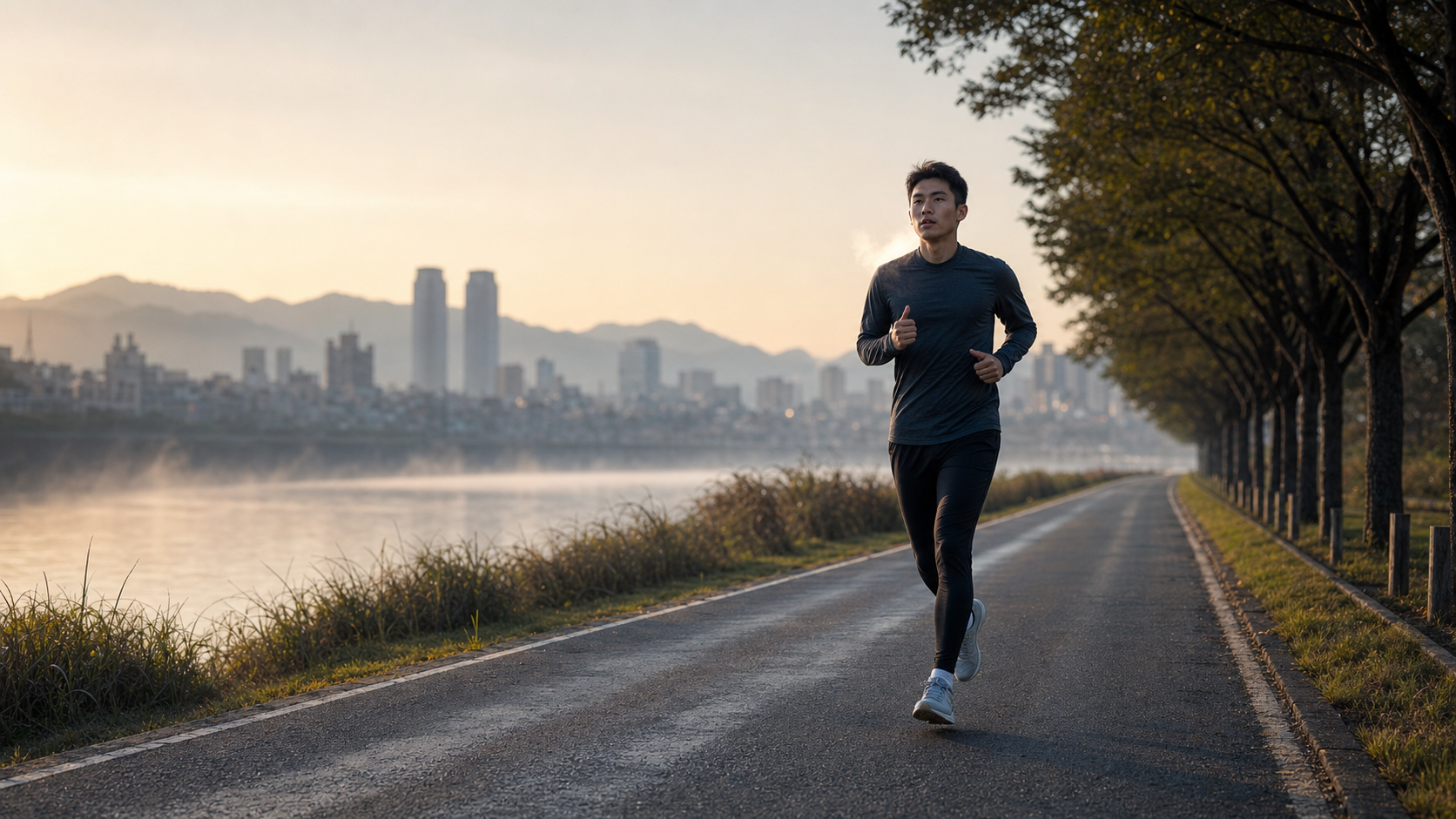
Winter is the planting season for road runners. In Taiwan’s cool winter morning light, every kilometer of easy running is quietly strengthening your heart, expanding your capillaries, and increasing your mitochondrial density. When the starting gun sounds at spring races, runners who seriously endured their winter training will often show that steady confidence at the finish line—that is the aerobic accumulation of an entire winter, blooming at the most crucial moment.
Related Reading
- Seasonal Planning for Road Running Speed Training: Summer Maintenance and Winter Speed-Building Strategies
- Building Aerobic Base Mileage on the Bike: The Importance of Winter Long-Distance Training
- Off-Season Road Running Training: The Minimum Effective Dose for Maintaining Your Winter Base
- Maintaining Your Aerobic Base in Road Running: How to Preserve Your Aerobic Engine During Race Season
CT暗黑廚房) 車友必備 宇宙無敵鮮蚵湯 幫助訓練恢復 天然食補 好市多 超肥鮮蚵 破PR
7 年前
Live) 備戰2019彰化經典百K 賽前攻略 (已完賽請看新影片
7 年前
西進武嶺 免費訓練分析服務 Intervals | 練不夠還是練過頭?你哪一種類型選手?AI模型告訴你! | 備戰神器 | 公路車 訓練 | CT Yeh
4 年前
實景訓練台) 彰化經典百K 高強度喵團 90分鐘 跟著一起練功 2019 Indoor workout Changhua Classic 100 Taiwan
7 年前
#公路車 #Vo2Max #最大攝氧量 測驗 體驗 | 心肺測試
6 年前
單車 一日北高 ( 雙城 ) 肥宅雙人瘋狂行 紀錄片 REACTO
10 年前
一個測試有沒有認真練車的方法😂 #公路車
10 個月前
一日北高/長距離團騎 常見問題補充篇 / 組團或跟團的眉角 / 壯車友容易被瘦車友慢性拉爆 / 原來屁股痛可能是這個原因...? / 風場配速法 / 公路車 / CT Yeh
2 年前