/no_think
Introduction
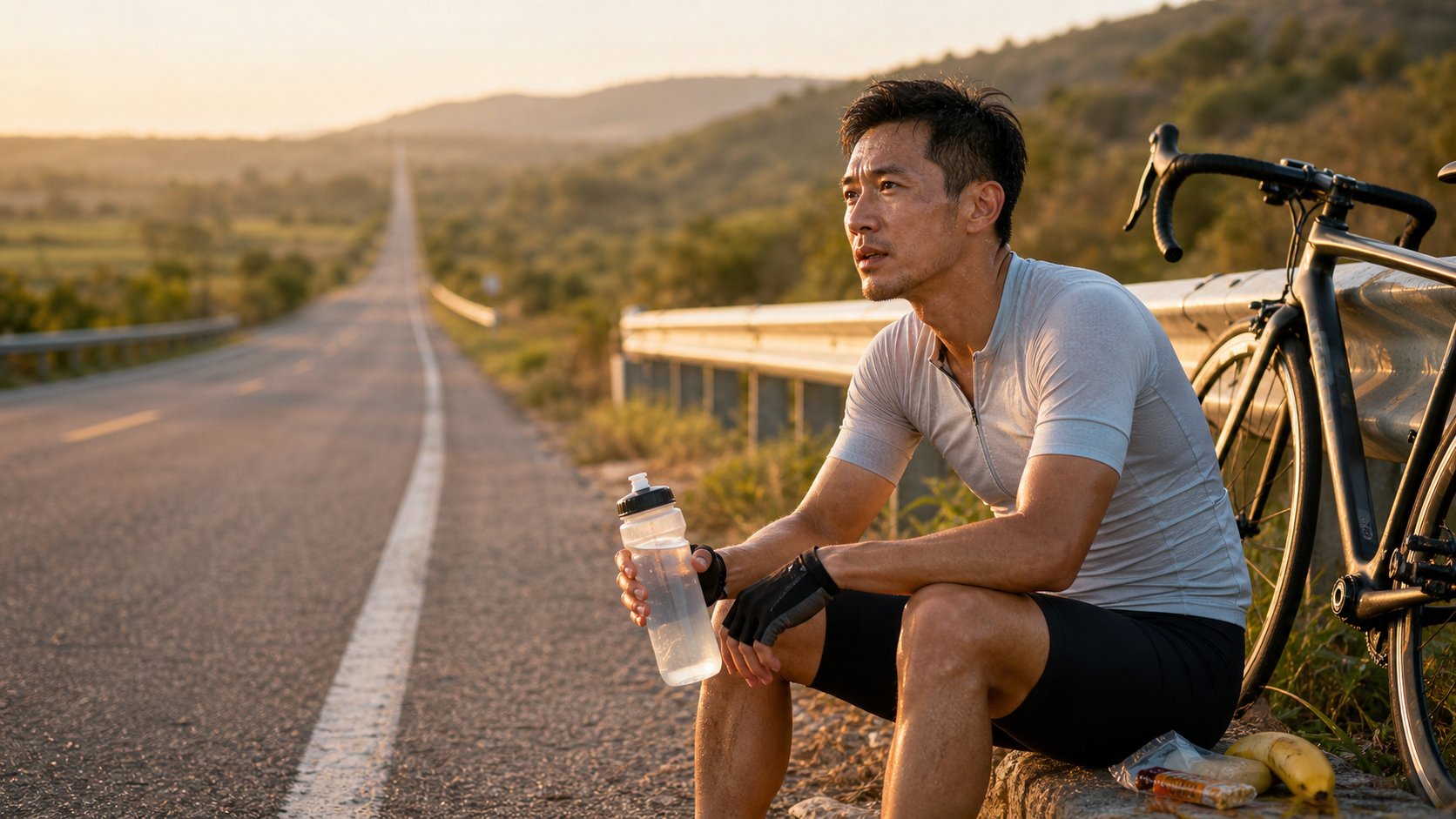
In cycling training terminology, “LSD (Long Slow Distance)” refers to long-distance aerobic rides performed at low to moderate intensity (Zone 1–2). For amateur riders, a single ride of 150km or more is often the most challenging and rewarding workout in a training plan. This type of training not only builds the body but also tests mental endurance.
However, many riders simply eat a big meal, shower, and collapse into bed after completing a long-distance ride, unaware that proper recovery procedures are the key to determining the quality of the next training session. The impact of ultra-long distance rides on the body far exceeds that of regular training. If recovery is mishandled, not only will you fail to supercompensate from the workout, but fatigue will accumulate, and the risk of injury may even increase.
Key Physiological Benefits of LSD Training
What exactly does a ride of 150km or more achieve physiologically? Here are the primary adaptation mechanisms:
- Glycogen Depletion and Replenishment Cycle: Ultra-long distance rides nearly exhaust muscle glycogen. This “depletion–replenishment” cycle stimulates the muscles to increase their glycogen storage capacity, providing more available energy reserves for the next ride.
- Enhanced Fat Oxidation Capacity: As glycogen approaches depletion, the body is forced to rely more heavily on fat for fuel. Over time, this raises the “maximal fat oxidation rate (Fat Max).”
- Skeletal Muscle Mitochondrial Biogenesis: Prolonged aerobic stimulation is one of the most effective training methods for inducing mitochondrial biogenesis.
- Mental Toughness: Long-distance riding trains a rider’s ability to cope with monotony, pain, and emotional fluctuations—skills that are crucial in ultra-endurance events (such as round-Taiwan or island-wide challenges).
| Ride Distance | Estimated Time (at 25km/h avg) | Primary Energy System Depletion | Recommended Recovery Days |
|---|---|---|---|
| 80–100 km | 3–4 hours | Partial glycogen depletion | 1–2 days |
| 120–150 km | 5–6 hours | Significant glycogen depletion | 2–3 days |
| 150–200 km | 6–8 hours | Glycogen near depletion | 3–4 days |
| 200 km and above | 8+ hours | Glycogen depletion + fat utilization | 4–7 days |
Nutrition Strategies During Ultra-Long Distance Rides
Proper on-the-bike fueling is the first priority for completing an LSD ride while protecting your body:
Carbohydrate Intake:
- Begin fueling 30–45 minutes after departure; do not wait for hunger to set in
- Consume 60–90g of carbohydrates per hour, ideally as a glucose + fructose mix
- Alternate between solid foods (bananas, bread, rice balls) and energy gels to avoid gastrointestinal irritation
Fluids and Electrolytes:
- Replenish 500–800 mL per hour, which may reach 1000 mL during Taiwanese summers
- Sodium-containing electrolyte drinks help maintain plasma volume and prevent hyponatremia
The Four Phases of Post-Ride Recovery
Phase 1: 0–30 Minutes After Completion (The Golden Refueling Window)
Immediately after finishing, you enter the “anabolic window,” when muscle glucose uptake efficiency is at its highest:
- Consume 60–80g of fast-acting carbohydrates (rice, bread, sports drinks)
- Consume 20–25g of quality protein (whey protein, eggs, soy milk)
- Replenish at least 500 mL of fluid, along with electrolytes
Phase 2: 1–6 Hours After Completion (Continued Refueling)
- Make the main meal high in carbohydrates, paired with quality protein
- Avoid heavy alcohol intake, as alcohol inhibits glycogen synthesis and protein synthesis
- Perform light stretching (10–15 minutes); avoid intense stretching of already fatigued muscles
Phase 3: Days 1–2 After Completion (Active Recovery)
- A 20–30 minute super-easy ride is acceptable (Zone 1, heart rate below 110 bpm)
- Swimming or light walking are also good active recovery options
- Prioritize adequate sleep (7–9 hours)—this is the most important period for muscle repair
Phase 4: Days 2–4 After Completion (Functional Assessment)
- Before resuming normal training, complete a short “assessment ride” (30 minutes in Zone 2)
- If the heaviness in your legs has subsided and your heart rate response is normal, you can resume normal training volume
- If fatigue persists, extend the recovery period; do not push through it
Practical Tips
- Schedule ultra-long rides wisely: Choose a weekend or a day with ample rest time afterward, and avoid scheduling high-intensity training the day after completion
- Prepare emergency contacts and refueling points: For routes over 150km, confirm aid station locations in advance and carry enough cash for unexpected situations
- Protective gear: The most common injuries from long rides are skin chafing and sunburn; do not overlook sunscreen and the choice of chamois padding in cycling shorts
- Do not immediately schedule another long ride after an ultra-distance event: Allow at least 5–7 days before planning your next 150km+ ride
Conclusion
An ultra-long distance ride of 150km or more is a “milestone” in cycling training—each completion is a dual test of physical capacity and willpower. But the benefits of training can only be translated into real progress through proper recovery procedures. Scientific recovery is not laziness; it is an inseparable part of the training plan. Let the recovery after every LSD ride become the nourishment for a better performance next time.
Related Reading
- The 72-Hour Recovery Plan After a Long Ride: The Scientific Shift from Passive Rest to Active Recovery
- Body Recovery After Long-Distance Riding: Diet, Sleep, and Light Activity Within 48 Hours
- A Modern Reassessment of Long LSD Training: The Latest Research on Aerobic Base Building
- Preparing for Ultra Cycling: The 200km+ Challenge
靠單車減肥35公斤 心得分享與整理
7 年前
2016/4/20 - 中社路 夜騎 半年甩肉14KG 後測
10 年前
高雄綠園道鐵路自行車道 / 外地人能輕鬆駕馭 還是整路崩潰? / 2025 全線開通 春節實地探索一次!(附GPS連結)/ 公路車 / CT Yeh
1 年前
一日北高常見問題大集合 | 攻略 | 路線 | 訓練 | 補給 | 自行車 單車 | 一日雙城 | 雙塔 | TWB北高360 | 屁股痛
6 年前
單車 一日北高 ( 雙城 ) 肥宅雙人瘋狂行 紀錄片 REACTO
10 年前
#公路車 #Fitting 靠人工智慧APP 幫你調整單車
6 年前
Fitting訓練兩用功率車 ! Thinkrider ST900 完整實測!/ 坡度升降 / 鄰居測試/ smart bike/公路車/ CT Yeh
2 年前
4K 東眼山 x 水蜜桃冰沙 百人單車約騎! 操完再吃冰 多爽快
7 年前