Cycling Respiratory Muscle Training: The Benefits of Respiratory Muscle Strengthening for Riding Endurance
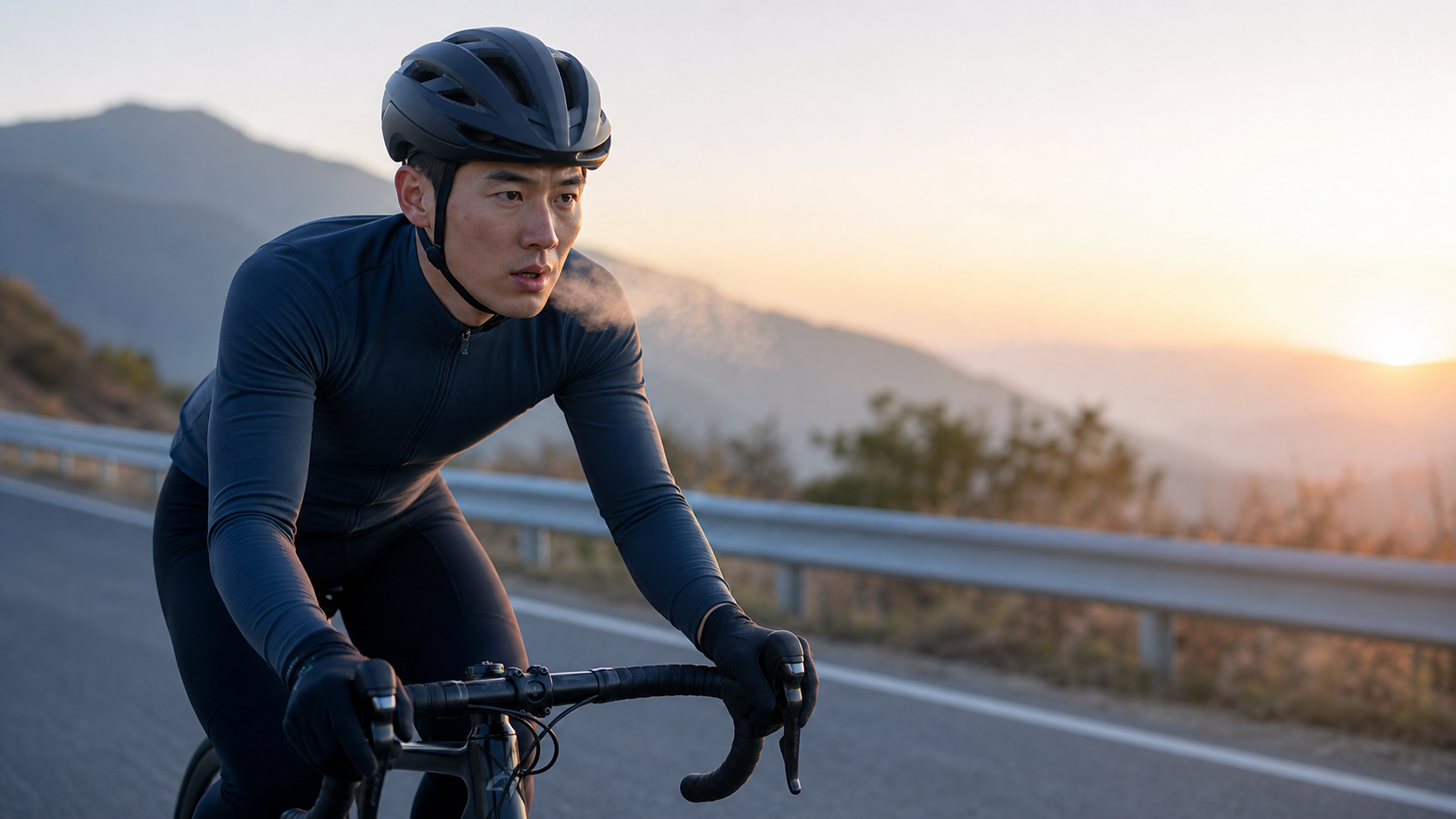
Introduction
In discussions about cycling training, people tend to focus on the leg muscles, heart function, or VO2max, yet rarely pay attention to a group of muscles that work silently: the respiratory muscles. The respiratory muscles—including the diaphragm, intercostal muscles, and sternocleidomastoid—are the driving force behind every breath. During high-intensity riding or long-distance endurance efforts, these muscles fatigue just like the leg muscles, and this fatigue is often overlooked by riders while quietly dragging down performance in the later stages.
In recent years, sports science research has shown that targeted training of the respiratory muscles (Inspiratory Muscle Training, IMT) can significantly improve endurance performance, with benefits even validated in professional athletes.
How Respiratory Muscle Fatigue Affects Riding Performance
During high-intensity riding, breathing frequency can reach 40–50 breaths/min, and the oxygen consumed by the respiratory muscles accounts for 10–15% of total body consumption (only 1–3% at rest). When the respiratory muscles fatigue, two important things happen:
1. Local Blood Flow Competition (Metaboreflex)
Fatigue in the respiratory muscles triggers a reflex that “shifts” blood from the working leg muscles to the respiratory muscles. This “respiratory-locomotor competition” reduces blood supply to the legs, causing power output to drop and riders to feel their legs suddenly “give out.”
2. Reduced Oxygen Efficiency
Fatigued respiratory muscles require more oxygen to maintain the same ventilation rate, raising the oxygen “cost” and relatively reducing the oxygen available for leg work.
| Riding Intensity | Breathing Frequency (breaths/min) | Respiratory Muscle O2 Consumption (% VO2) | Fatigue Risk |
|---|---|---|---|
| Zone 2 (Easy) | 20–25 | 5–8% | Low |
| Zone 3–4 (Moderate) | 30–40 | 8–12% | Moderate |
| Zone 5 (High Intensity) | 40–50+ | 12–16% | High |
| Long Distance 3+ Hours | 25–35 | 10–15% (cumulative) | High |
Respiratory Muscle Training Methods
Method 1: Inspiratory Muscle Resistance Training (IMT)
Use a “breathing trainer” (such as POWERbreathe, Threshold IMT, and similar devices) to train the diaphragm and accessory inspiratory muscles through inspiratory resistance:
- 30 breaths per set, with resistance set at 50–60% of maximal inspiratory pressure (MIP)
- 1–2 sets per day, 5–6 days per week
- After 8 weeks, studies show an average improvement of 2–4% in cycling time trial performance
Method 2: Hyperpnea Training
Breathe at maximum depth with high frequency to simulate the respiratory load of high-intensity exercise:
- 2–5 minutes per session, with 30–60 seconds of rest
- Be careful to avoid dizziness from overbreathing; beginners should start at low intensity
Method 3: Breath-Controlled Riding
During Zone 2 riding, consciously practice “deep, slow, diaphragmatic” breathing:
- A rhythm of 4 steps inhale, 4 steps exhale (matched to pedal cadence)
- Train the diaphragm to lead breathing, reducing unnecessary involvement of accessory respiratory muscles
- Long-term practice can lower oxygen consumption at the same ventilation rate
Integrating Breathing Training with Cycling
It is recommended to incorporate respiratory muscle training into your daily training routine:
- After riding: Use recovery time to perform 30 IMT breaths (training in a fatigued state yields better results)
- Non-riding days: Practice 10 minutes of diaphragmatic breathing in the morning or before bed
- 8–12 weeks before the season: Systematically execute IMT training to build respiratory muscle reserve
Taiwanese riders often train indoors on trainers in Taipei or Kaohsiung on days with poor air quality—this is also a good opportunity to practice breathing control.
Practical Recommendations
- Train within your limits: Respiratory muscle training devices don’t need to be the most expensive, but the resistance setting must be sufficient—too light and there’s no training effect
- Consistency matters more than intensity: The benefits of respiratory muscle training take 6–8 weeks to become noticeable, so don’t give up just because you don’t feel results in the short term
- Watch for dizziness warning signs: If you experience significant dizziness or numbness in the hands and feet during hyperpnea training, stop immediately and breathe normally
- Combine with core training: The diaphragm is also part of the core stabilizer muscles, so core-strengthening training (such as Pilates breathing exercises) also has positive effects on the respiratory muscles
Conclusion
Respiratory muscle training is an often-forgotten component of cycling cardiorespiratory training, yet its impact on long-distance and high-intensity riding performance should not be underestimated. Beyond a solid aerobic base and heart rate training, adding a targeted respiratory muscle strengthening program can give you more stable breathing efficiency during high-intensity segments or the later stages of a ride, offering another layer of improvement for competitive performance.
Related Reading
- Breathing Strategies for Cycling: Rhythmic Breathing and Core Stability Connection
- Breathing Efficiency Training for Cyclists: Nasal Breathing, Rhythmic Breathing, and Diaphragmatic Breathing
- Breathing Muscle Training for Cycling: Research on Inspiratory Muscle Training (IMT) and Endurance Performance Improvement
- Can Inspiratory Muscle Training (IMT) Really Improve Riding Performance? POWERbreathe vs. Airofit Field Test
#公路車 #Vo2Max #最大攝氧量 測驗 體驗 | 心肺測試
6 年前
一日北高/長距離團騎 常見問題補充篇 / 組團或跟團的眉角 / 壯車友容易被瘦車友慢性拉爆 / 原來屁股痛可能是這個原因...? / 風場配速法 / 公路車 / CT Yeh
2 年前
西進武嶺 免費訓練分析服務 Intervals | 練不夠還是練過頭?你哪一種類型選手?AI模型告訴你! | 備戰神器 | 公路車 訓練 | CT Yeh
4 年前
#公路車 #Fitting 靠人工智慧APP 幫你調整單車
6 年前
實景訓練台) 彰化經典百K 高強度喵團 90分鐘 跟著一起練功 2019 Indoor workout Changhua Classic 100 Taiwan
7 年前
大家都在開箱的...單車用藍芽對講耳機真的有幫助嗎? SENA BiKom 20 長距離旅遊 & 海鷗繞圈賽 實際體驗心得 / 公路車 / CT Yeh
9 個月前
洗單車神器 吹水機! 實際洗車用用看 暴力洗鍊條大法 | 公路車 | CT Yeh
4 年前
多機位拍片神器 DJI Action 2 拍出速度張力感 | 類空拍機視角 4陣列麥克風超強降風噪 實測! | 公路車 | CT Yeh
3 年前