Introduction
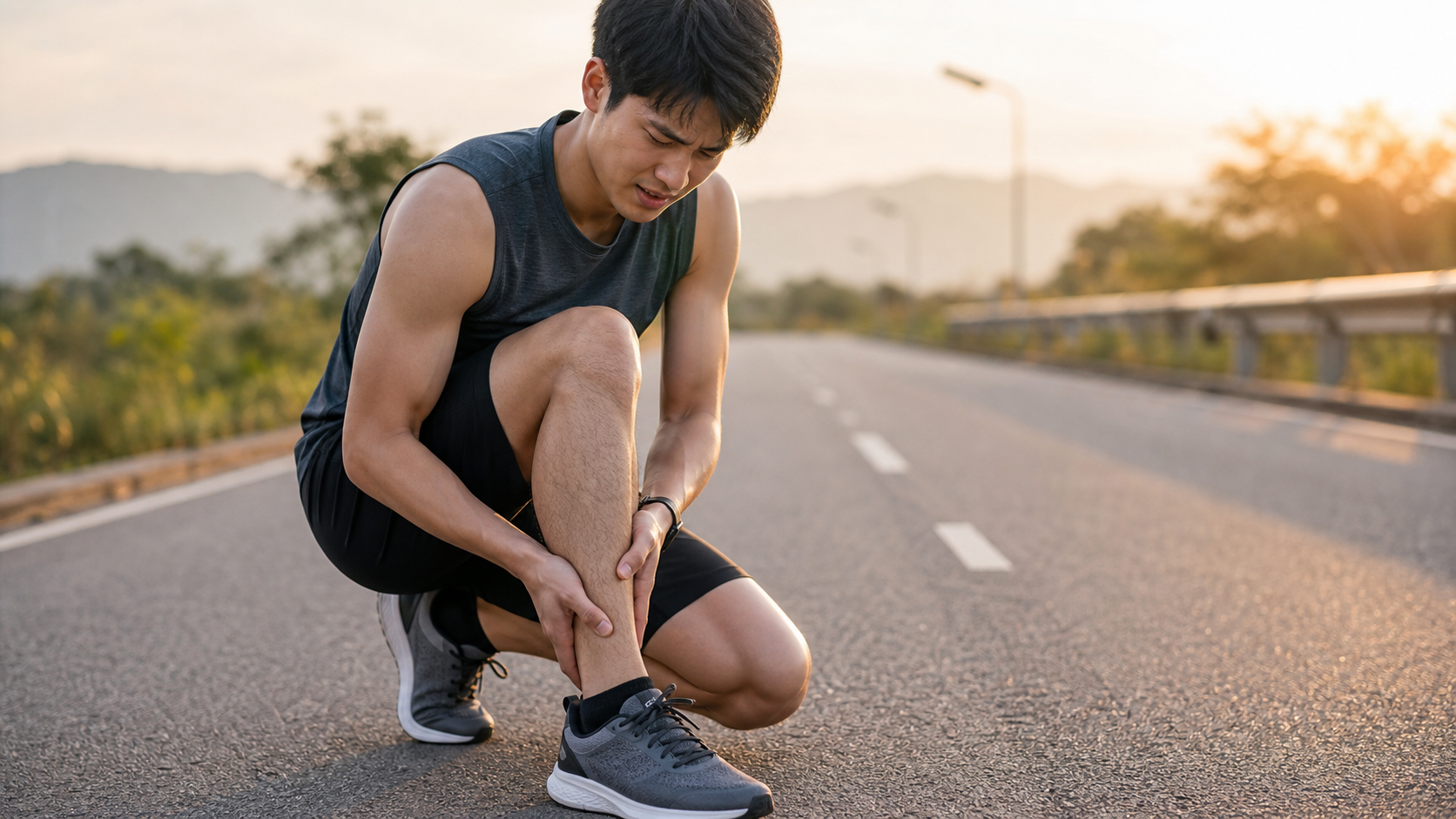
A stress fracture, also known as a fatigue fracture, is an injury caused by the gradual expansion of microscopic cracks in bone due to prolonged, repeated mechanical stress without adequate recovery time. Unlike a typical traumatic fracture, it is not caused by a single impact but rather “accumulates” over time. Among the road-running community in Taiwan, it is most common in beginners who suddenly increase their training volume, or in advanced runners preparing for a marathon.
Causes of Stress Fractures
Bone is living tissue that strengthens itself through the “bone remodeling” mechanism in response to stress. This process takes time: after old bone is resorbed and before new bone forms, the bone briefly enters a more fragile stage. If excessive stress continues during this period, cracks can appear.
Major risk factors include:
- Rapid increase in training volume: Following the “10% rule” (increasing weekly mileage by no more than 10% from the previous week) can significantly reduce risk
- Inadequate nutrition: Especially insufficient calcium and vitamin D intake, leading to reduced bone density
- Low body weight or irregular menstruation: Female runners in Taiwan should pay special attention to the “Female Athlete Triad” (energy deficiency, menstrual dysfunction, and low bone density)
- Running on hard surfaces: Concrete roads absorb far less impact than asphalt or tracks
- Insufficient shoe cushioning or excessive wear: Running shoes typically last 500–800 km
Common Locations and Pain Characteristics
Common Locations
| Location | Percentage of All Stress Fractures | Characteristics |
|---|---|---|
| Tibia (shin bone) | ~50% | Point tenderness on the middle-lower front of the shin |
| Metatarsals (foot) | ~20% | Localized swelling in the mid-foot |
| Fibula (outer lower leg) | ~12% | Pain above the lateral malleolus |
| Navicular bone (ankle) | ~5% | Deep pain on the inner ankle; high-risk fracture |
| Femoral neck (hip) | ~3% | Pain in the groin or upper thigh; requires urgent medical attention |
How to Initially Distinguish a Stress Fracture
Stress fracture pain has several characteristics that can help distinguish it from general muscle soreness or soft tissue injuries:
Typical characteristics of a stress fracture:
- Point tenderness: Pressing a specific point with a finger produces a distinct, localized sharp pain (not widespread muscle soreness)
- Worse with activity, relieved with rest: In the early stages, pain may only occur while running and almost disappear at rest
- Progressive worsening: If training continues, pain appears earlier and earlier during activity, eventually hurting even while walking
- Swelling or warmth: The area may be slightly swollen with a warm sensation on the skin surface
- Night pain: Some cases experience a dull ache even at rest or during the night
Characteristics of general muscle or soft tissue injuries:
- Pain is more diffuse and difficult to pinpoint to an exact location
- Pain often diminishes or even disappears with rest
- Tenderness covers a larger area without intense point-specific pain
Self-Test Methods (For Reference Only, Not a Medical Diagnosis)
- Single-leg hop test: Hop lightly on the affected leg; if significant pain appears, the likelihood of a stress fracture is higher
- Tuning fork test (requires a tool): Place a vibrating tuning fork on the bone; a fracture site will produce intense pain
- Percussion test: Gently tap the distal tibia and see if pain radiates to the suspected area
These tests can only serve as a reference for “whether to seek medical attention.” A definitive diagnosis still requires X-ray or MRI imaging.
When to Seek Immediate Medical Attention?
Stop running and seek medical care immediately in the following situations:
- Pain persists for more than 1–2 weeks without improvement
- Point tenderness is located at the upper thigh (femoral neck) or the navicular bone of the ankle—a complete fracture in either of these areas has serious consequences
- Swelling or subcutaneous bruising is pronounced
- Pain occurs even while walking
Diagnostic methods: X-rays often cannot detect the injury in the early stages (it may only become visible after 2–3 weeks). MRI is currently the most sensitive diagnostic tool and can detect bone marrow edema in the early stages of symptoms.
Practical Advice
Prevention is better than cure. Taiwanese runners are advised to keep a “mileage log” to track weekly running volume and avoid sudden spikes. In terms of diet, ensure adequate daily intake of calcium (1,000 mg recommended for adults) and vitamin D, while also ensuring sufficient caloric intake without excessive dieting. When choosing running shoes, pay attention to cushioning and sole wear, and replace shoes regularly.
Conclusion
The biggest problem with stress fractures is that they are “easy to overlook.” Many runners mistake the early point-specific pain for normal training fatigue and push through it, only seeking medical attention after a complete fracture—by which time several months of complete rest from running are often required. Learning to recognize the characteristics of pain is more important than any training technique—because staying healthy is what allows you to keep running.
Related Reading
- Identifying and Preventing Running-Related Stress Fractures: Precautions for High-Risk Groups
- Stress Fractures: The Bone’s Warning Sign of Overtraining
- Early Identification of Stress Fractures: From Tibial Tenderness to Imaging Confirmation
- Running-Related Stress Fractures: Six Early Warning Signs and a Scientific Approach to Determining Return-to-Running Timing
一日北高/長距離團騎 常見問題補充篇 / 組團或跟團的眉角 / 壯車友容易被瘦車友慢性拉爆 / 原來屁股痛可能是這個原因...? / 風場配速法 / 公路車 / CT Yeh
2 年前
摔車後補裝備: 好市多新款單車安全帽& Specialized Romin 北高整路屁股都不痛的坐墊 | 一千元居然有MIPS | CT Yeh | 公路車
4 年前
一日北高常見問題大集合 | 攻略 | 路線 | 訓練 | 補給 | 自行車 單車 | 一日雙城 | 雙塔 | TWB北高360 | 屁股痛
6 年前
爬陡坡被爆胎的車友跑步超車 #cycling #里佳部落
9 個月前
Never Stop 西進武嶺 前後雙機 完整全程錄影 訓練台 實境
8 年前
JE22 百里任務體驗,心跳不能過150,三小時內有可能...? 沒有天時地利難度有多高? / 公路車 / CT Yeh
1 年前
CT 喇低賽) 武嶺牽車 才是王道 西進牽車四小時內秘訣 攝手位置 如何判斷 防抽筋小秘訣
7 年前
FTL 與 SYB 車隊專訪 西進武嶺 實用攻略分享! 2小時 如何練?!你不知道的眉角!新手準備武嶺必看 EP1 | 實力派女車友 | 精華版 | 公路車 | CTYeh
4 年前