Introduction
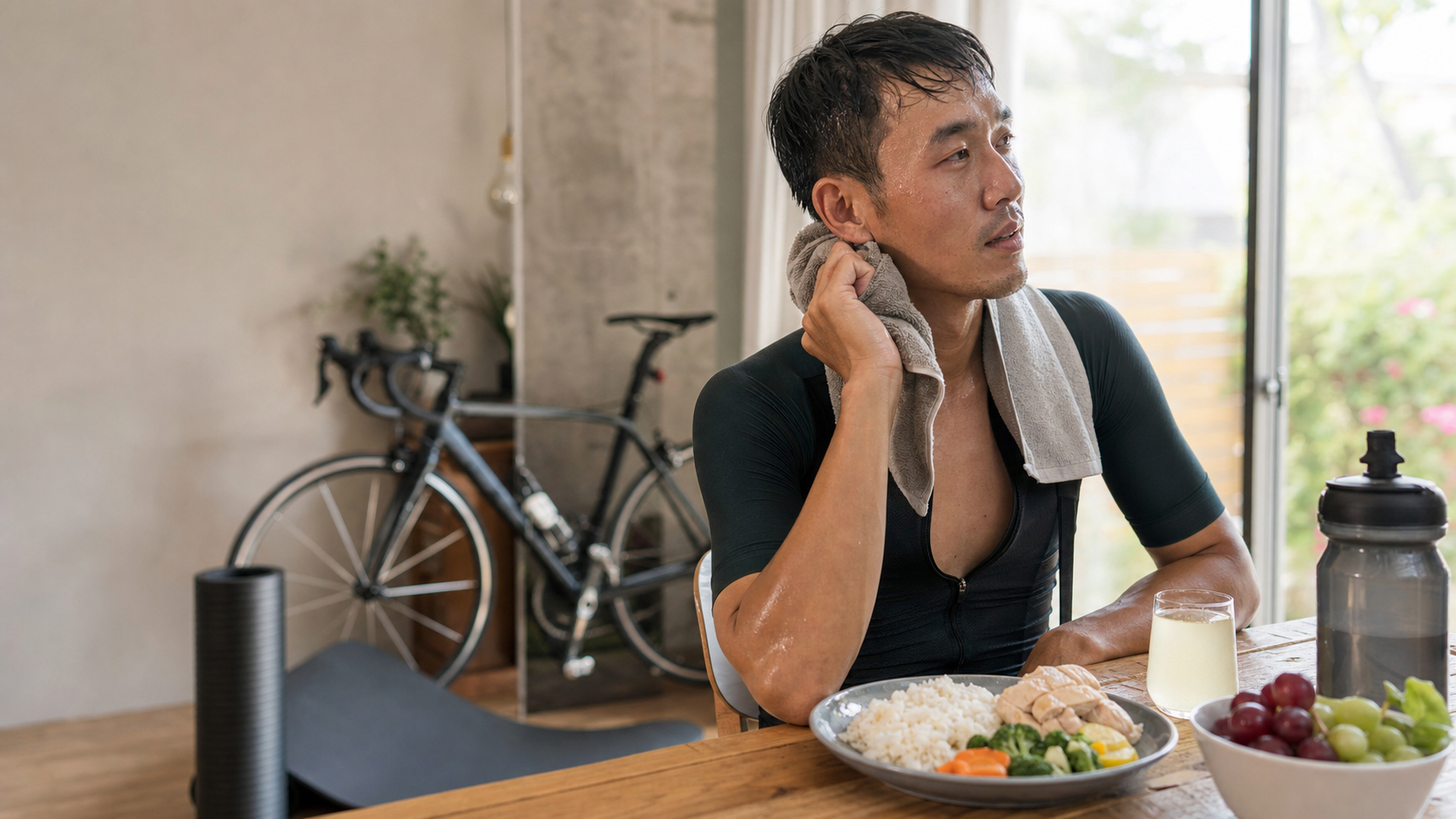
Completing a 200km long ride is an achievement worth celebrating, but how you celebrate matters. Many riders simply crash into bed and eat a big meal after finishing, unaware that their body is undergoing intense repair work over the next 48 hours. Providing the right support during this window can significantly shorten recovery time; mishandling it could leave you in a state of over-fatigue for the following 1–2 weeks.
Understanding Your Body’s State After 200km
After completing 200km, your body simultaneously faces:
- Muscle micro-damage: Especially in the quadriceps, glutes, and calves, where extensive eccentric contractions (downhill pedaling) cause micro-tears
- Glycogen depletion: Muscle and liver glycogen are nearly empty, requiring 24–48 hours for full replenishment
- Inflammatory response: A normal muscle repair process that peaks at 24–48 hours (DOMS, delayed onset muscle soreness)
- Electrolyte imbalance: Significant loss of sodium, potassium, magnesium, and other electrolytes—even with mid-ride supplementation, deficiencies may remain
- Immune system suppression: After prolonged high-intensity exercise, the immune system temporarily dips (the “open window” period), increasing susceptibility to colds
0–6 Hours: Immediate Replenishment Phase
Replenishment starting immediately upon arrival is the most critical part of the entire recovery plan:
| Time Frame | Replenishment Focus | Recommended Foods |
|---|---|---|
| Within 30 minutes of stopping | Carbs + Electrolytes | Sports drink + Banana + Rice ball |
| 1–2 hours later | Full meal (carbs + protein) | White rice + chicken leg + vegetable soup |
| 3–4 hours later | Continued hydration | 500ml/hr, with electrolytes |
| Before bed | Nighttime repair fuel | Milk or yogurt + small amount of carbs |
The Importance of Protein Intake
Muscle repair requires adequate protein (amino acids):
- Recommendation: 1.6–2.2g of protein per kilogram of body weight
- Target for a 70kg rider: 110–150g of protein (spread across the 24 hours after finishing)
- Sources: Chicken, fish, tofu, eggs, Greek yogurt
6–24 Hours: Sleep Repair Phase
Sleep is the most powerful tool for muscle repair—bar none. During deep sleep, growth hormone secretion peaks and muscle repair efficiency is at its highest:
- Target sleep duration: At least 8–9 hours (if you feel you need more, let your body decide)
- Optimizing sleep quality:
- Keep the bedroom cool (23–25°C)
- Compression leg sleeves can be worn during sleep to promote venous return
- If leg soreness makes it hard to fall asleep, taking a magnesium supplement (magnesium glycinate) can help relax muscles
Next Morning Body State Assessment
On the morning after the ride, do a quick assessment:
- Mild soreness: Normal, indicates muscles are repairing—continue the recovery plan
- Severe pain (difficulty walking): Indicates more significant damage; no exercise today, focus on replenishment and rest
- Joint pain (not muscle soreness): Requires attention; consider seeing a doctor if it hasn’t improved after 48 hours
24–48 Hours: Active Recovery Phase
On the second day after finishing, the body is often at peak DOMS with the most muscle soreness. But “complete rest” isn’t always the best strategy—moderate active recovery can accelerate repair:
Recommended Light Activities
- Easy walking (30–45 minutes): Promotes leg blood circulation without adding muscle strain
- Recovery ride (30–45 minutes, Zone 1): Better than complete rest for clearing metabolic waste
- Water activities (swimming, water walking): Buoyancy reduces muscle strain, making this the ideal active recovery
- Yoga or light stretching: Avoid deep stretching; focus on gentle movements
Activities to Avoid
- Any high-intensity training (running, weightlifting, climbing)
- Prolonged static sitting (immobile for more than 2 hours)
- Alcohol consumption (inhibits protein synthesis and sleep quality)
Recovery Indicators After 48 Hours
The following indicators can help determine whether you’re ready to resume training:
- Muscle soreness level: Doesn’t interfere with daily movements (no pain when climbing stairs)
- Resting heart rate: Returned to normal levels (no more than 5–7 beats higher than usual)
- Subjective fatigue: RPE 2–3 (feeling energetic)
- Appetite: Returned to normal (an unusually large appetite for 1–2 days after a 200km ride is normal)
Practical Tips
- Don’t rush to check your results and rankings after finishing—take care of your body first, and look at the data tomorrow
- Avoid staying up late at social gatherings for 1–3 days after the ride; prioritize sleep
- If conditions allow, a relaxed 30-minute pool swim the day after finishing is the most efficient recovery method
- If within 48 hours you experience fever, excessive nausea, or urine that appears dark brown (a symptom of rhabdomyolysis), seek medical attention immediately
Conclusion
The moment you finish that 200km is the highlight, but the following 48 hours determine whether that effort translates into long-term fitness gains. Treat recovery as an extension of training, not a “vacation” after it ends. Give your body enough time, food, and rest, and it will greet your next, longer challenge in better shape.
Related Reading
- The 72-Hour Recovery Plan After a Long Ride: The Scientific Shift from Passive Rest to Active Recovery
- Multi-Day Riding Recovery Tips: Next-Day Recovery Routines for 3+ Consecutive Days of Riding
- Recovery After an Ultramarathon: A Progressive Return to Training Over Two Weeks Post-Race
- Quick Recovery After a Half Marathon: A Return-to-Training Plan from 48 Hours to 2 Weeks
靠單車減肥35公斤 心得分享與整理
7 年前
CT暗黑廚房) 車友必備 宇宙無敵鮮蚵湯 幫助訓練恢復 天然食補 好市多 超肥鮮蚵 破PR
7 年前
2019 夏季KOM 5小 完賽心得 準備攻略 東進武嶺 夏季登山王之路 Taiwan KOM Challenge
7 年前
單車 一日北高 ( 雙城 ) 肥宅雙人瘋狂行 紀錄片 REACTO
10 年前
2016/4/20 - 中社路 夜騎 半年甩肉14KG 後測
10 年前
#公路車 #Fitting 靠人工智慧APP 幫你調整單車
6 年前
一日北高/長距離團騎 常見問題補充篇 / 組團或跟團的眉角 / 壯車友容易被瘦車友慢性拉爆 / 原來屁股痛可能是這個原因...? / 風場配速法 / 公路車 / CT Yeh
2 年前
一日北高常見問題大集合 | 攻略 | 路線 | 訓練 | 補給 | 自行車 單車 | 一日雙城 | 雙塔 | TWB北高360 | 屁股痛
6 年前