Introduction
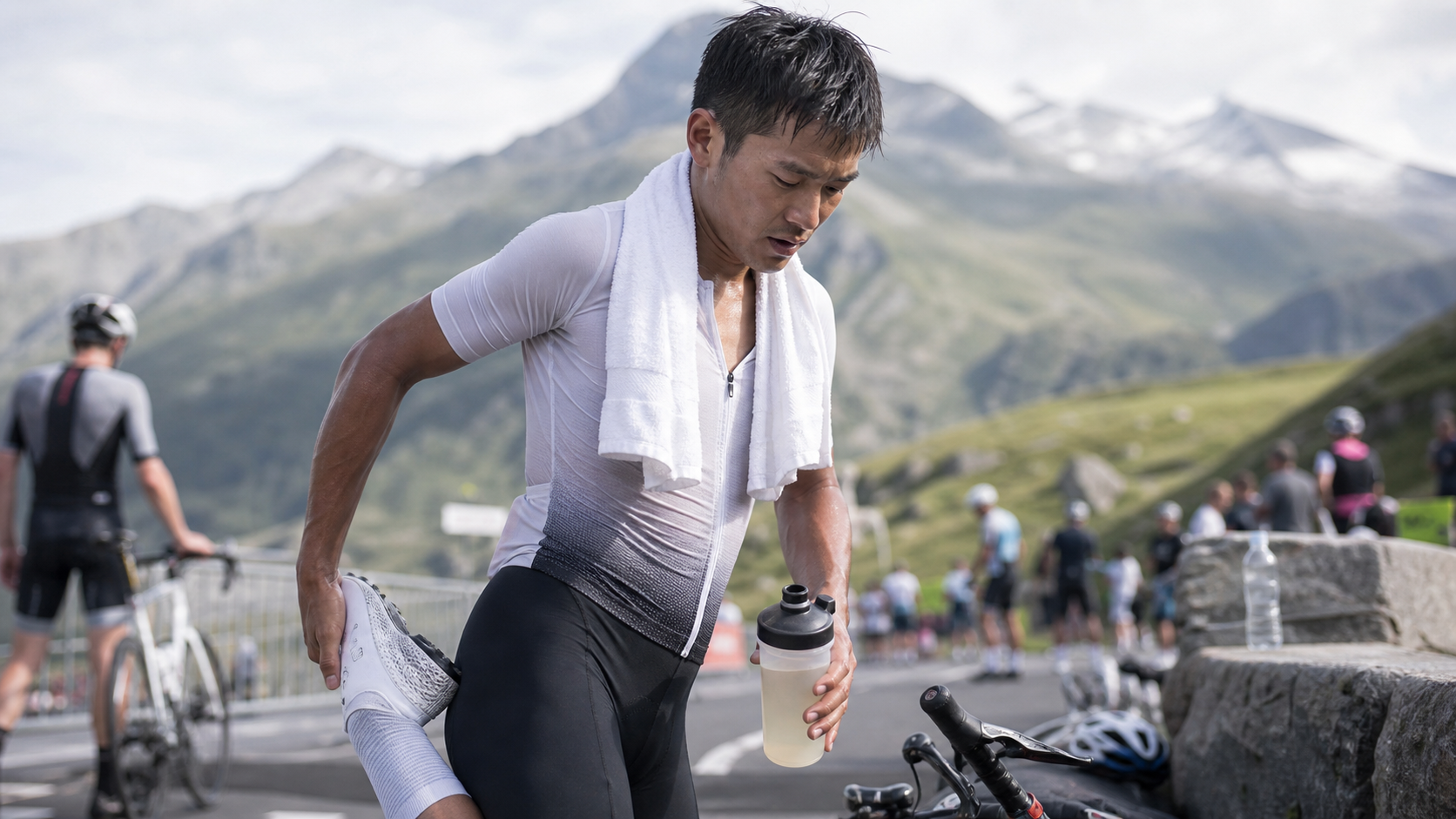
The moment you cross the finish line at Wuling, fatigue, a sense of accomplishment, and the burning sensation in your legs all rush in at once. Many riders immediately start celebrating, taking photos, then hop on the shuttle bus down the mountain and crash at the hotel. However, post-race recovery is actually a process that requires active management—while letting the body recover naturally is important, consciously executing specific recovery strategies can significantly shorten recovery time, reduce the severity of delayed onset muscle soreness (DOMS), and lower the likelihood of forced training interruptions the following week. Here is a complete recovery guide for the 48 hours after a climbing race.
Types of Physical Damage After a Climbing Race
Understanding the specific damage a climbing race inflicts on the body helps in tailoring a targeted recovery plan:
| Damage Type | Primary Cause | Recovery Time (Without Intervention) |
|---|---|---|
| Muscle micro-tears | Prolonged high-intensity output | 48-72 hours |
| Glycogen depletion | Prolonged carbohydrate expenditure | 24-48 hours |
| Dehydration and electrolyte imbalance | Prolonged sweating | 6-12 hours |
| Central nervous system fatigue | Prolonged high focus and muscle recruitment | 2-5 days |
| Immune system suppression | Temporary immune suppression after high-intensity exercise | 24-72 hours |
With this understanding of the damage types, the recovery strategy is to provide effective repair support for each type of damage.
0-4 Hours Post-Race (The Golden Recovery Window)
Immediate Refueling:
- Within 30 minutes of finishing, consume food or drinks containing carbohydrates and protein
- Recommended ratio: 3-4 parts carbohydrates + 1 part protein (e.g., 2 bananas + a glass of chocolate milk, or a sports recovery drink)
- During this “synthetic window,” muscle glycogen uptake efficiency is 3-4 times higher than normal
Hydration and Electrolyte Replenishment:
- Goal is to return to pre-race body weight (replenish 1-1.5 liters of fluid for every kilogram lost)
- Add electrolytes to regular fluid intake to avoid hyponatremia
- Avoid consuming large amounts of alcohol immediately after the race, as it delays fluid replenishment and muscle repair
Active Cooling (if conditions allow):
- Cold water immersion for the legs (10-15°C, 10-15 minutes) can reduce muscle inflammatory response
- If no cold bath is available, running cold water over the legs also has some effect
- If descending in the mountains, be careful not to let the body become overly chilled
4-24 Hours Post-Race (Deep Repair Phase)
Dietary Strategy:
- Choose meals rich in high-quality protein: chicken, fish, legumes
- Continue consuming carbohydrates to aid glycogen replenishment: white rice, noodles, and sweet potatoes are good choices
- Moderately increase Omega-3 fatty acids (fish, nuts) to help reduce muscle inflammation
- Poor appetite is normal; appetite suppression after high-intensity exercise can last for several hours
Stretching and Mobility:
- Light static stretching (not aggressive stretching), key areas:
- Hip flexors: lunge with forward lean, 30 seconds each side
- Hamstrings: seated with legs extended forward, 30 seconds each side
- Calves: standing lunge against a wall, 30 seconds each side
- Glutes: supine knee-to-chest pull, 30 seconds each side
Sleep Priority:
- Ensure 7-9 hours of quality sleep the night after the race; most muscle repair occurs during deep sleep
- If leg soreness interferes with falling asleep, try placing a pillow under the legs to elevate them slightly
- Avoid heavy caffeine intake the night after the race (you’ve likely already consumed a fair amount on race day), as it affects sleep quality
24-48 Hours Post-Race (Progressive Recovery Phase)
Recovery Activity:
- If leg soreness is within an acceptable range after 24 hours, do 20-30 minutes of light riding (heart rate below 60% HRmax)
- This “active recovery” promotes blood circulation and accelerates waste metabolism, yielding better results than complete rest
- If soreness is severe (unable to climb stairs normally), continue complete rest until it improves
Muscle Care:
- Take a hot bath or use heat packs (after 48 hours, once the acute inflammatory phase has passed) to help relax muscles
- If conditions allow, book a recovery massage focusing on the lower body (thighs, calves, glutes)
- Use a foam roller for light self-myofascial release
Practical Tips
- Plan your post-race meals before the race to ensure you can consume recovery food promptly after finishing
- Prepare a small recovery kit containing electrolyte drinks and protein snacks, and place it on the post-race shuttle or in your personal luggage
- Record your post-race recovery experience (soreness level, sleep quality, appetite) as a reference for future race preparation
- Avoid scheduling high-intensity training within 1 week after the race; allow the body to fully recover before gradually increasing intensity
Conclusion
Completing a grueling climbing race is an achievement to be proud of, and proper post-race recovery allows you to enjoy the next challenge sooner. Treat recovery as part of your training rather than an afterthought—the body grows stronger in rest and develops through recovery.
Related Reading
- Post-Race Recovery for Road Running: An Active Recovery Plan Within 48 Hours
- Body Recovery After a Marathon: A Two-Week Post-Race Plan
- Marathon Post-Race Recovery Plan: A Scientific Guide from Week One to Week Four
- Quick Recovery After a Half Marathon: A Return-to-Training Plan from 48 Hours to 2 Weeks
FTL 與 SYB 車隊專訪 西進武嶺 實用攻略分享! 2小時 如何練?!你不知道的眉角!新手準備武嶺必看 EP1 | 實力派女車友 | 精華版 | 公路車 | CTYeh
4 年前
2019 夏季KOM 5小 完賽心得 準備攻略 東進武嶺 夏季登山王之路 Taiwan KOM Challenge
7 年前
2025 乘鞍岳登山賽 比賽全紀錄篇 / 完整路線攻略介紹 / 日本版武嶺 公路最高點 / 高山空拍絕景 / 明年會開團! / 公路車 / CT Yeh
10 個月前
西進武嶺 自製新版AI配速表產生器 x 賽前攻略 抱佛腳! 沒有功率計也可以產生配速表嗎?有什麼其他眉角賽前要注意的呢? | 西進武嶺 / 東進武嶺 KOM 攻略 | 公路車 | CT Yeh
4 年前
#公路車 #西進武嶺 配速配瓦實驗 坡度分析 四小時內攻略 建大盃 NeverStop #西進武嶺攻略
6 年前
西進武嶺 免費訓練分析服務 Intervals | 練不夠還是練過頭?你哪一種類型選手?AI模型告訴你! | 備戰神器 | 公路車 訓練 | CT Yeh
4 年前
CT 喇低賽) 武嶺牽車 才是王道 西進牽車四小時內秘訣 攝手位置 如何判斷 防抽筋小秘訣
7 年前
Never Stop 西進武嶺 前後雙機 完整全程錄影 訓練台 實境
8 年前