Complete Guide to Garmin Connect Training Data: Practical Usage Guide for Body Battery and Training Status Metrics
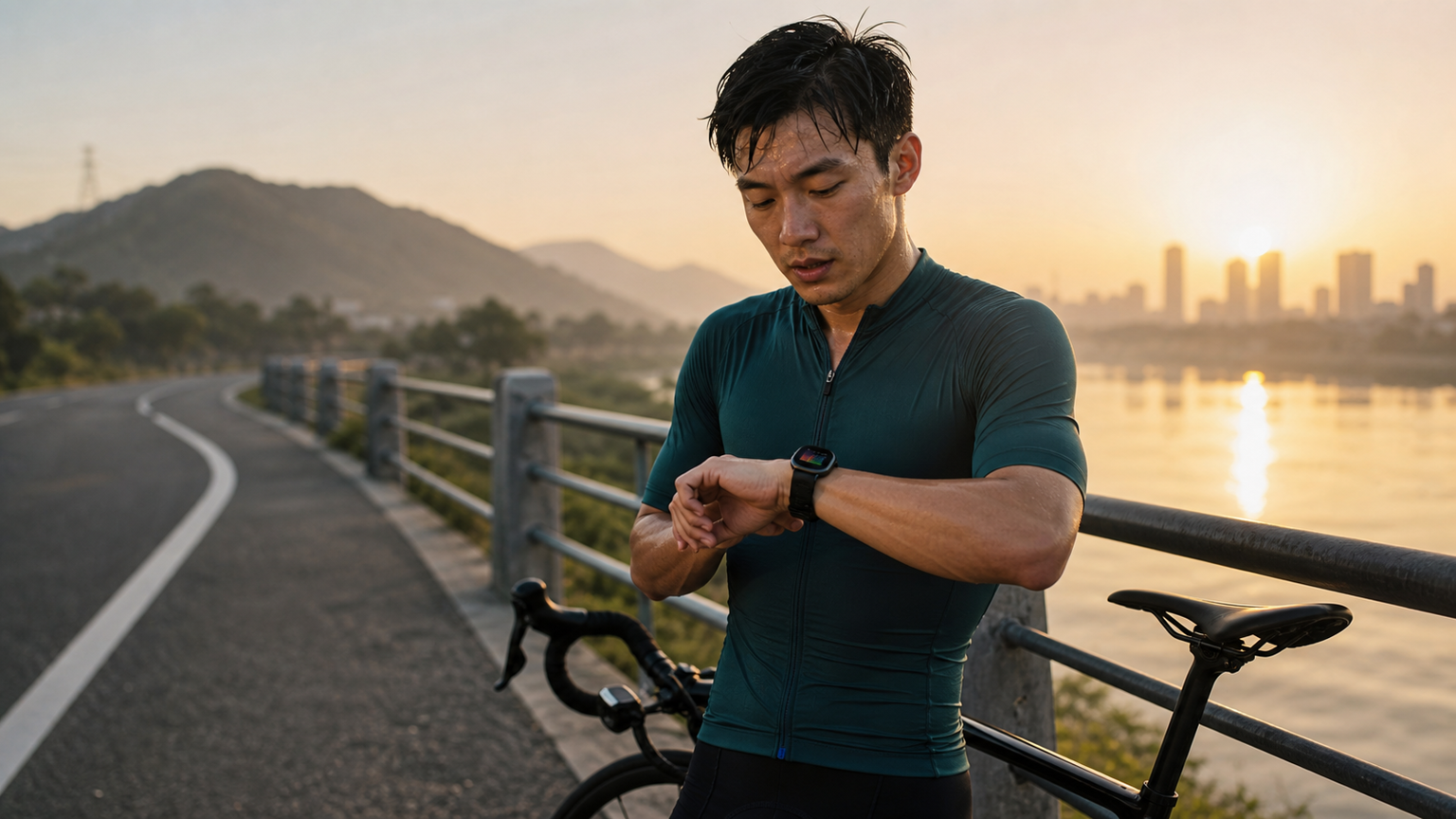
Overview of Garmin’s Smart Training Metrics
The training metrics provided by Garmin Connect are far richer than most users realize. From the daily Body Battery to the long-term Training Load Focus, these metrics form a relatively complete training monitoring system. However, to use them correctly, you must first understand their respective calculation principles and limitations.
Body Battery
Body Battery is Garmin’s most well-known daily status metric, ranging from 0–100, with higher values indicating more energy.
Calculation factors:
- HRV Status (heart rate variability trends)
- Sleep quality and duration (including proportions of each sleep stage)
- Stress levels (derived from HRV low-frequency/high-frequency ratio)
- Activity level (high-intensity training significantly depletes battery)
Usage recommendations:
| Body Battery | Morning Status | Recommended Training Intensity |
|---|---|---|
| 75–100 | Fully recovered | Can execute high-intensity workouts |
| 50–74 | Good | Moderate-intensity training is fine |
| 25–49 | Mild fatigue | Low-intensity aerobic recommended |
| 0–24 | Deep fatigue | Active recovery or rest |
Notes:
Body Battery is very sensitive to alcohol consumption. After drinking, even with 8 hours of sleep, morning battery may still only be 20–30. Additionally, one night of staying up late may require 2–3 days to fully return to baseline levels.
Training Status
Training Status is a comprehensive assessment label Garmin provides based on your training load over the past 4 weeks and VO2max trends:
- Peaking: Load is appropriate and performance is improving—optimal time for racing
- Maintaining: Load is sufficient to sustain fitness but will not significantly improve it
- Productive: Training stimulus is driving fitness improvements
- Recovery: Recovery is needed; continuing high intensity risks overtraining
- Detraining: Training volume is insufficient; fitness may decline
- Overreaching: Training stress is too high; reduce volume immediately
Training Status calculation relies heavily on the accuracy of Garmin’s VO2max estimation. If the VO2max estimate is off (e.g., running pace and heart rate are inconsistent), Training Status may be inaccurate.
Training Load Focus
This feature breaks down your training load into three types of physiological stimuli:
- Aerobic Base: Long-duration training at low heart rate, building aerobic foundation
- Aerobic Peak: Zone 4–5 training near maximum heart rate, improving VO2max
- Anaerobic: Short, all-out efforts, training anaerobic power and muscular strength
Garmin recommends an ideal load distribution ratio based on your race goals (marathon, triathlon, etc.). If your “Aerobic Base” is chronically insufficient, it means you lack adequate base volume, and the benefits of speed training will be limited.
Acute Load and Chronic Load
Garmin Connect’s advanced version provides ATL/CTL concepts similar to PMC:
- Acute Load (7-day load): Represents short-term training stress
- Chronic Load (28-day load): Represents long-term fitness foundation
- Load Ratio: Acute ÷ Chronic, recommended to stay between 0.8–1.3 (higher risks injury, lower leads to slow progress)
HRV Status
Garmin’s HRV Status is based on HRV values measured throughout the night’s sleep, categorized as:
- Balanced: HRV is within the normal baseline range
- Unbalanced: HRV is below baseline; reducing training intensity is recommended
- Low: HRV is significantly below baseline; rest is recommended
- Insufficient data: 5+ consecutive nights of sleep data are needed to establish a baseline
Common Usage Pitfalls
- The watch needs to be worn continuously for at least 2–3 weeks to establish a valid baseline; early data has limited reference value
- Different Garmin watch models use different algorithm versions; upgrading your watch will reset the baseline
- VO2max estimation accuracy decreases on treadmills, at high altitude, and in extreme temperatures
- Training Status showing “Recovery” does not mean you are regressing—it means your body needs time to absorb the training stimulus
Conclusion
Garmin’s smart training metrics are among the most complete training monitoring systems in consumer-grade devices. However, each metric has its assumptions and limitations—they are tools to aid decision-making, not absolute training directives. Combined with your own training sensations and coach recommendations, these numbers can deliver their maximum value.
Related Reading
- Complete Guide to Interpreting Garmin Connect Data: Beyond Mileage Tracking
- Complete Interpretation of Garmin Training Readiness and Wahoo Training Load Metrics
- Running Data Analysis: Interpreting Training Load Metrics on Garmin / COROS
- Training Logs and Recovery Tracking: Effective Methods for Recording Fatigue Metrics
Garmin Edge 1050 旗艦車錶 全台首測!/ 環法冠軍指定 / 對比Edge 1040改進哪些? / 公路車 / CT Yeh
2 年前
西進武嶺 免費訓練分析服務 Intervals | 練不夠還是練過頭?你哪一種類型選手?AI模型告訴你! | 備戰神器 | 公路車 訓練 | CT Yeh
4 年前
2025 自行車錶排行榜 兩萬車友大數據 / Garmin Bryton 排名會大洗牌嗎? / 全新的碼表前身分析 /公路車 / CT Yeh
1 年前
全台首發神車錶! iGPSPORT iGS630 兩趟一日北高的續航! 超強導航、功率訓練、超人性APP! Garmin & Bryton 有對手了嗎? | 公路車 |CT Yeh
3 年前
首發 Garmin Edge 850 車錶 深入開箱!? / 公路車 / CT Yeh
10 個月前
2026 車錶排行榜!誰是最多車友正在使用?練家子最愛哪款?🏆 (2萬名車友數據) / 公路車 / CT Yeh
5 個月前
Garmin Edge 540/840 Solar 台灣首發開箱!完整車錶功能 道路實測 / ClimbPro 爬坡提示超級牛 / 強大續航實測 / 公路車 / CT Yeh
3 年前
邁金 T500 訓練台開箱!有下坡輔助、路感模擬、不用插電、直驅電機 !兩萬級距頂規享受新選擇!/ 公路車 / 室內訓練 / CT Yeh
1 年前