Future Trends in Triathlon: Climate Change Challenges and Response Strategies for the Kona Course
Introduction
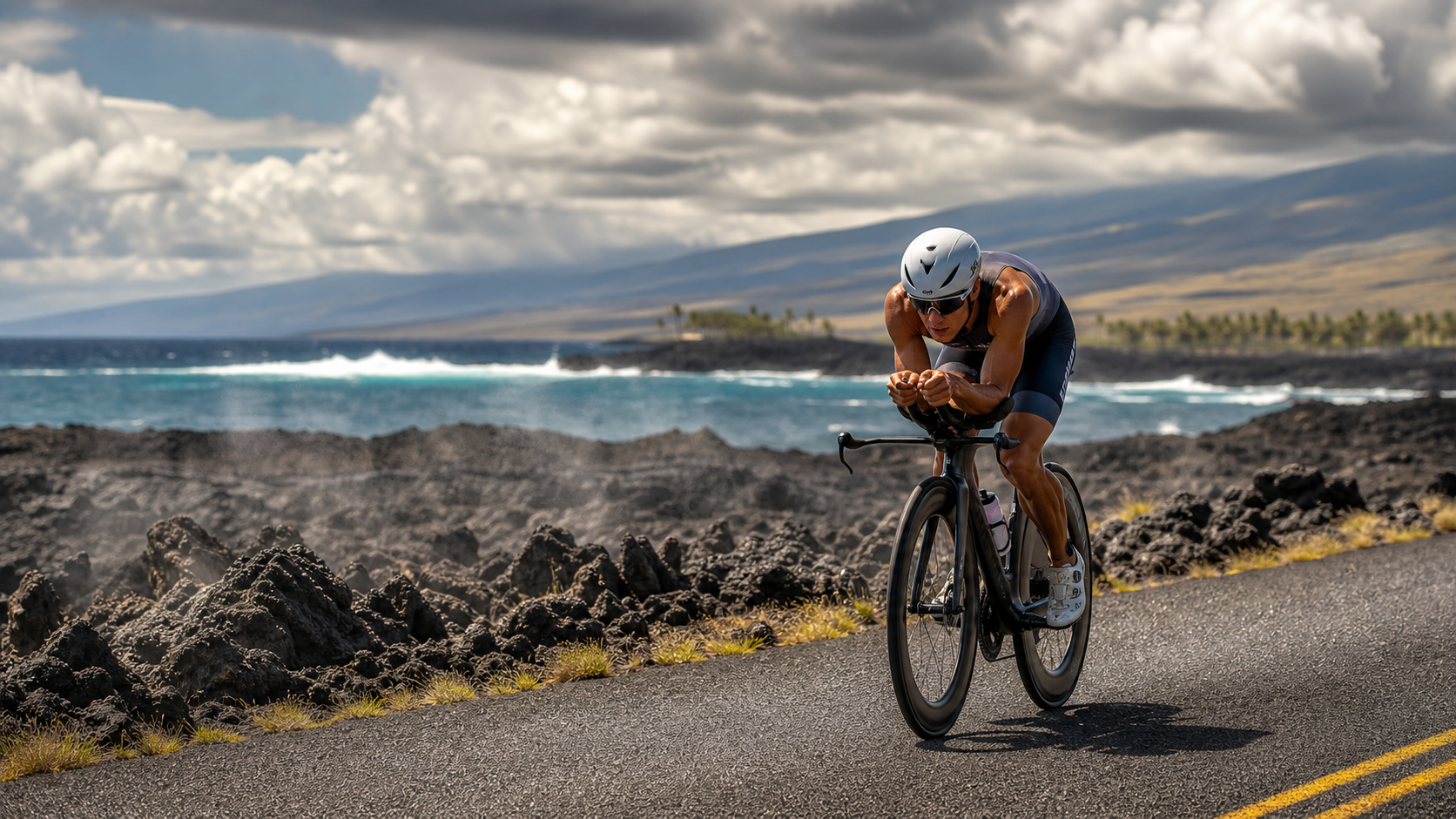
Kona on the Big Island of Hawaii—the lava wasteland that gave birth to triathlon’s highest殿堂—is quietly changing. Climate data from the past few decades shows that average temperatures in Kona have continued to rise, ocean water temperatures have hit record highs, and the frequency of extreme weather events has increased. These changes not only affect race operations but are also testing the adaptability of the entire sport of triathlon.
Trends Shown by Climate Data
According to long-term climate observation data from the Big Island of Hawaii:
| Climate Indicator | Recent Trend | Potential Impact on the Race |
|---|---|---|
| Average annual temperature | About 1–1.5°C higher than the 1950s | Higher perceived temperature on race day |
| Ocean water temperature | Approaching or exceeding 30°C | Adjustments to wetsuit usage regulations |
| Frequency of extreme heat days | Increasing | Higher risk of heat-related illness |
| Hurricane intensity | Some studies indicate a strengthening trend | Increased pre-race weather risk |
| Rainfall distribution | More uneven, drier dry season | Stronger radiant heat from the lava ground |
Direct Impact of High Temperatures on Athletes
The physiological effects of rising temperatures on triathletes are multifaceted:
Increased risk of heat-related illness:
- Heat Exhaustion: Cases occur every year in Kona; higher temperatures will increase the incidence rate
- Rhabdomyolysis: Severe muscle damage caused by prolonged exercise in high heat
- Hyponatremia: Overhydration with insufficient electrolyte intake, linked to changes in hydration behavior in hot environments
Decline in athletic performance:
- Scientific studies show that for every 1°C increase in ambient temperature, long-distance endurance performance declines by approximately 0.3–0.5%
- Taking the full Kona distance as an example, a 2°C temperature increase could extend finish times by 8–12 minutes
Rising Ocean Temperatures and the Impact on the Swim Leg
The rise in ocean water temperature presents a complex issue: wetsuit usage regulations.
IRONMAN rules state that wetsuits are not allowed when water temperature exceeds 24.5°C (76.1°F), and are explicitly prohibited above 27.7°C (82°F). In recent years, Kona’s water temperature has repeatedly approached or exceeded this threshold:
- Losing the buoyancy of a wetsuit could slow swim times by 1–3 minutes
- High water temperature itself places additional heat stress on the body
- Energy expenditure during the swim leg therefore increases, affecting subsequent disciplines
IRONMAN Organization’s Response Strategies
IRONMAN officials have begun actively addressing the climate challenge:
- Race schedule adjustments: Starting in 2022, Kona was split into 2 races (separate dates for men and women), partly to spread out the risk of heat-related illness
- Upgraded medical support: Increased medical stations and ice bath facilities along the course
- Athlete heat acclimation guidelines: The organization has published more detailed heat acclimation recommendations
- Course cooling measures: Increased density of ice bath tubs and misting stations on the run course
Individual Athlete Response Strategies
Facing an increasingly severe hot environment, elite athletes’ preparation strategies are also evolving:
Heat Acclimation:
- Systematic heat acclimation in hot environments 10–14 days before the race
- Using saunas or hot baths combined with aerobic training (Post-Exercise Heat Exposure)
- Scientific research supports that heat acclimation can improve athletic performance in hot environments by 4–8%
Equipment innovation:
- New “Phase Change Material” helmets and vests providing active cooling during the race
- Lighter, more breathable triathlon suit materials
- Precision-formulated electrolyte products to prevent electrolyte imbalance in high-heat environments
Triathlon’s Reflection on Its Carbon Footprint
Ironically, large events like IRONMAN are themselves a source of carbon emissions:
- Thousands of athletes from around the world fly to Kona
- Large-scale equipment shipping (bicycle transport)
- Energy consumption from race operations
Part of the triathlon community has begun advocating for “sustainable triathlon”:
- Encouraging athletes to choose races closer to home to reduce aviation carbon emissions
- Promoting exploration of electric time trial bike technology
- Race organizers adopting renewable energy sources
Taiwan’s Climate Challenges and Opportunities
Taiwan’s triathlon events face similar challenges from climate change:
- The impact of the summer typhoon season on race scheduling
- Rising average temperatures in Taiwan, with more hot days in summer
- However, Taiwanese athletes, due to long-term training in hot environments, possess a natural heat acclimation advantage
Conclusion
Climate change is one of the greatest challenges triathlon faces in the 21st century, with far-reaching impacts on course conditions, athlete safety, and event sustainability. Kona, this proving ground of human will, is being reshaped by climate change caused by human activity. This is not just a sporting issue, but an environmental problem we all need to face together. While pursuing personal limits, every triathlete also has a responsibility to consider: how can we ensure that this sport we deeply love can continue to be held on a livable planet for decades to come?
Related Reading
- IRONMAN World Championship Kona: In-Depth Analysis of Course Characteristics, Wind Conditions, and Athlete Strategies
- The Impact of Climate Change on Cycling: Future Challenges for Taiwanese Riders
- A Triathlete’s World Bucket List: Ten Must-Pilgrimage Triathlon Races in a Lifetime
- IRONMAN World Championship Kona Introduction: History of the Hall of Glory and Qualifying Races
2019 夏季KOM 5小 完賽心得 準備攻略 東進武嶺 夏季登山王之路 Taiwan KOM Challenge
7 年前
[防寒衣體驗] 鐵人魂 三鐵 防寒衣試穿會 於松運 深水游泳池 鯨魚池
8 年前
一日北高前的西濱集訓 | 跟著11小時軍團 | 300W踩不動的大逆風 | 輪車破風差幾瓦?
6 年前
2023 夏季KOM 參賽實況 / 穿越空拍視角 / 整車都凸台 / 太魯閣峽谷x合歡山絕美大景 / 東進武嶺 / Taiwan KOM Challenge / 公路車 / CT Yeh
3 年前
2023 台灣KOM自行車登山王挑戰 (AI修復版) / Taiwan KOM Challenge / Live 實況直播 / 班傑明刷破大會成績全記錄
2 年前
2025 乘鞍 KOM 登山賽挑戰實錄 / 日本公路最高 ! 賽前探路篇 / 比富士山厲害,無敵絕景!/ 40週年 / 中文YT首發 / 公路車 / CT Yeh #乘鞍ヒルクライム
10 個月前
3D 列印車褲墊 / 舒適改善? / 無痕 x 分區壓縮 / ATK & Decider系列 / JE22黑科技 / #公路車 #CTYEH
11 個月前
2025 乘鞍岳登山賽 比賽全紀錄篇 / 完整路線攻略介紹 / 日本版武嶺 公路最高點 / 高山空拍絕景 / 明年會開團! / 公路車 / CT Yeh
10 個月前