Gastrointestinal Issues in Long-Distance Riding: Preventing Digestive Discomfort Caused by Poor Fueling Timing
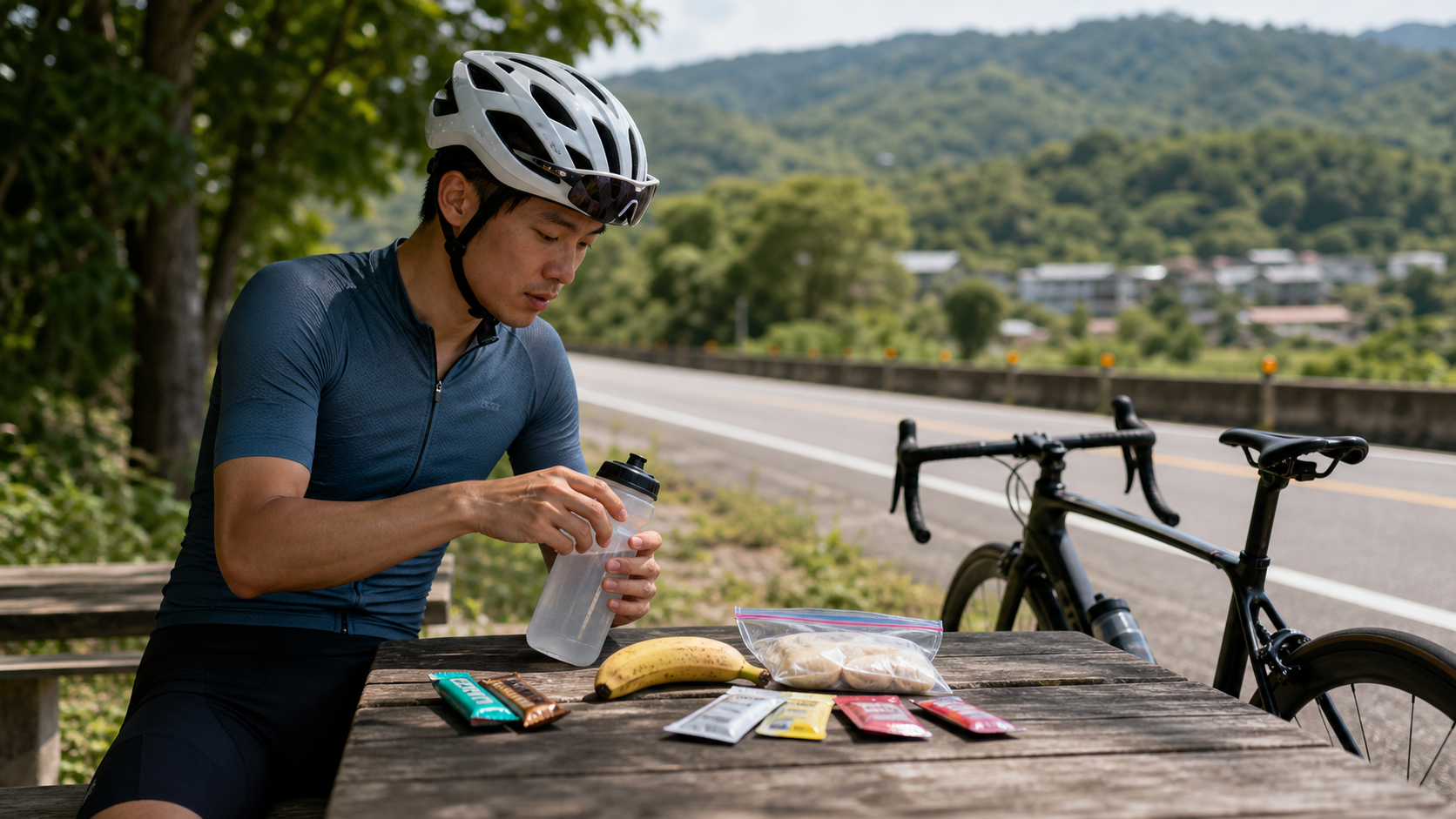
Introduction
Whether on a round-island tour, a century ride, or a mountain race, gastrointestinal issues are a common reason riders are “forced to stop.” Stomach cramps, nausea, diarrhea, bloating—these annoying symptoms are often not a matter of fitness, but rather the result of flawed fueling strategies or insufficient gut training. Taiwan’s food culture is rich and convenience stores are everywhere, but having “everything available to buy” can actually lead riders to make fueling choices that are hard on the gut.
GI Physiology During Exercise
Blood Flow Redistribution
During exercise, the body diverts a large amount of blood flow from the digestive system to the working muscles:
- At rest: digestive system blood flow accounts for about 25% of cardiac output
- During intense exercise: digestive system blood flow drops to 3–5% of cardiac output
This ischemic state significantly reduces the gut’s absorption capacity and motility, and is the root cause of GI discomfort.
Intensity and the Gut
| Riding Intensity | Digestive Capacity | Recommended Food Form |
|---|---|---|
| Low intensity (<60% VO2max) | Near normal | Solid food is tolerable |
| Moderate intensity (60–75% VO2max) | Moderately reduced | Semi-solid foods preferred |
| High intensity (>75% VO2max) | Significantly reduced | Liquid/gel preferred |
| Climbing sprints (>90% VO2max) | Nearly halted | Avoid eating |
The Accelerating Effect of Dehydration
Dehydration further worsens GI symptoms—it further reduces blood flow to the gastrointestinal mucosa while increasing gut permeability, allowing toxins to enter the bloodstream and triggering nausea and systemic discomfort. In Taiwan’s hot, humid summer environment, dehydration rates are far faster than the assumptions in European and American cycling studies.
The Science of Fueling Timing
Pre-Ride Fueling
2–3 hours before riding:
- A normal, balanced meal (carbohydrate-focused, low in fat)
- Avoid high-fat, high-fiber foods (slow to digest, likely to cause discomfort during exercise)
- Suitability of common Taiwanese foods: Sweet potato balls ○, bento box (fried sides) ×, white rice + chicken ○, noodles ○
30–60 minutes before riding:
- Light carbohydrate intake (e.g., half a banana, half an energy bar)
- Avoid high-glycemic-index foods (excess sugar triggers an insulin response, which can actually cause low blood sugar early in the ride)
Fueling Rhythm During the Ride
Golden rule: fuel before you’re hungry, hydrate before you’re thirsty
| Fueling Element | Recommended Amount | Fueling Frequency |
|---|---|---|
| Carbohydrates | 60–90g/hour | Replenish every 15–20 minutes |
| Fluids | 500–750ml/hour | 150–200ml every 15 minutes |
| Electrolytes | 400–700mg sodium/hour | Taken with fluids |
Avoid “Reward Binge Eating”
Many riders stop at a feed station or convenience store and eat a large meal (“treating themselves”), then immediately continue riding—this is the most common trigger pattern for GI issues. Solid food takes 45–90 minutes to digest during high-intensity riding, and getting back on the bike at high intensity right after a large meal will inevitably cause stomach discomfort.
Common Fueling Mistakes Among Taiwanese Riders
The Convenience Store Trap
| Fueling Choice | Suitability | Reason |
|---|---|---|
| Banana | Excellent | Easy to digest, rich in potassium |
| Onigiri (plum, salmon) | Good | Moderate salt content, easy to digest |
| Soy milk (unsweetened) | Good | Electrolytes + protein |
| Soda (sugary drinks) | Poor | High osmolarity, delays GI absorption |
| Fried foods, fried chicken bento | Poor | High fat, hard to digest |
| President’s Milk Tea (large bottle) | Poor | Dairy + high sugar, heavy burden on the gut |
Using Energy Gels Correctly
- Must be taken with plenty of water (at least 150ml); otherwise, the highly concentrated sugar can cause reverse osmosis and dehydrate the gut
- Don’t consume too many different flavors of energy gels at once (mixing different sugar formulations can be harder to absorb)
- Those with sensitive stomachs should choose isotonic gels, which can be consumed directly without extra water
Gut Training
The gut can be trained like a muscle: regularly fueling during rides allows the intestines to gradually adapt to absorbing nutrients under reduced blood flow.
Gut training methods:
- Eat according to your race fueling strategy on every training ride (don’t ride on an empty stomach during training)
- Gradually increase carbohydrate intake during rides (start at 60g/hr and gradually build up to 90g/hr)
- Test different brands of energy products to find the ones that work best for your gut
Research shows that 6–8 weeks of consistent gut training can improve the gut’s absorption capacity during exercise by more than 40%.
Practical Advice
- Keep a fueling log: After every long ride, note your eating times, food types, and GI reactions to identify your personal sensitivity patterns
- Avoid trying new foods before events: Don’t try supplements you’ve never had before an important ride (Day 1 of a round-island tour, a challenge race)
- Managing diarrhea: If diarrhea occurs during a ride, immediately reduce intensity and drink electrolyte-containing beverages; seek medical attention for severe cases (bloody stool, lasting more than 24 hours)
Conclusion
Gut management for long-distance riding is both a science and an art. By understanding the physiological limits of the gut, building a fueling strategy suited to Taiwan’s food culture, and improving tolerance through gut training, your next long ride will go much more smoothly—letting you focus your energy on enjoying the scenery along the way, rather than looking for a restroom.
Related Reading
- Gastrointestinal Issues in Long-Distance Riding: Causes and Solutions for Digestive Discomfort
- Gut Management for Long Rides: Preventing and Handling Digestive Problems While Riding
- Gut Training for Cyclists: Reducing GI Issues in Long-Distance Riding
- Gut Management for Long-Distance Riding: Dietary Adjustments to Avoid Diarrhea and Vomiting on the Bike
一日北高/長距離團騎 常見問題補充篇 / 組團或跟團的眉角 / 壯車友容易被瘦車友慢性拉爆 / 原來屁股痛可能是這個原因...? / 風場配速法 / 公路車 / CT Yeh
2 年前
一日北高常見問題大集合 | 攻略 | 路線 | 訓練 | 補給 | 自行車 單車 | 一日雙城 | 雙塔 | TWB北高360 | 屁股痛
6 年前
約騎爆笑地獄梗 大腸怎麼了🤣 #公路車 #cycling
3 年前
單車 一日北高 ( 雙城 ) 肥宅雙人瘋狂行 紀錄片 REACTO
10 年前
2022 環花東挑戰賽 Day2 搭到特快車 高速真空吸引! 台東一路逆風殺回花蓮! 總排 ??| Feiyu Pocket 2s | 公路車 | CT Yeh
4 年前
Never Stop 西進武嶺 前後雙機 完整全程錄影 訓練台 實境
8 年前
一日北高前的高裝檢 | 北高 360 | 挑戰11小時的裝備 | 一日雙塔 | 補給
6 年前
CT暗黑廚房) 車友必備 宇宙無敵鮮蚵湯 幫助訓練恢復 天然食補 好市多 超肥鮮蚵 破PR
7 年前