Swimming and the Respiratory System: Research on the Long-Term Effects of Chlorine Exposure on the Lungs
文章導覽
Introduction
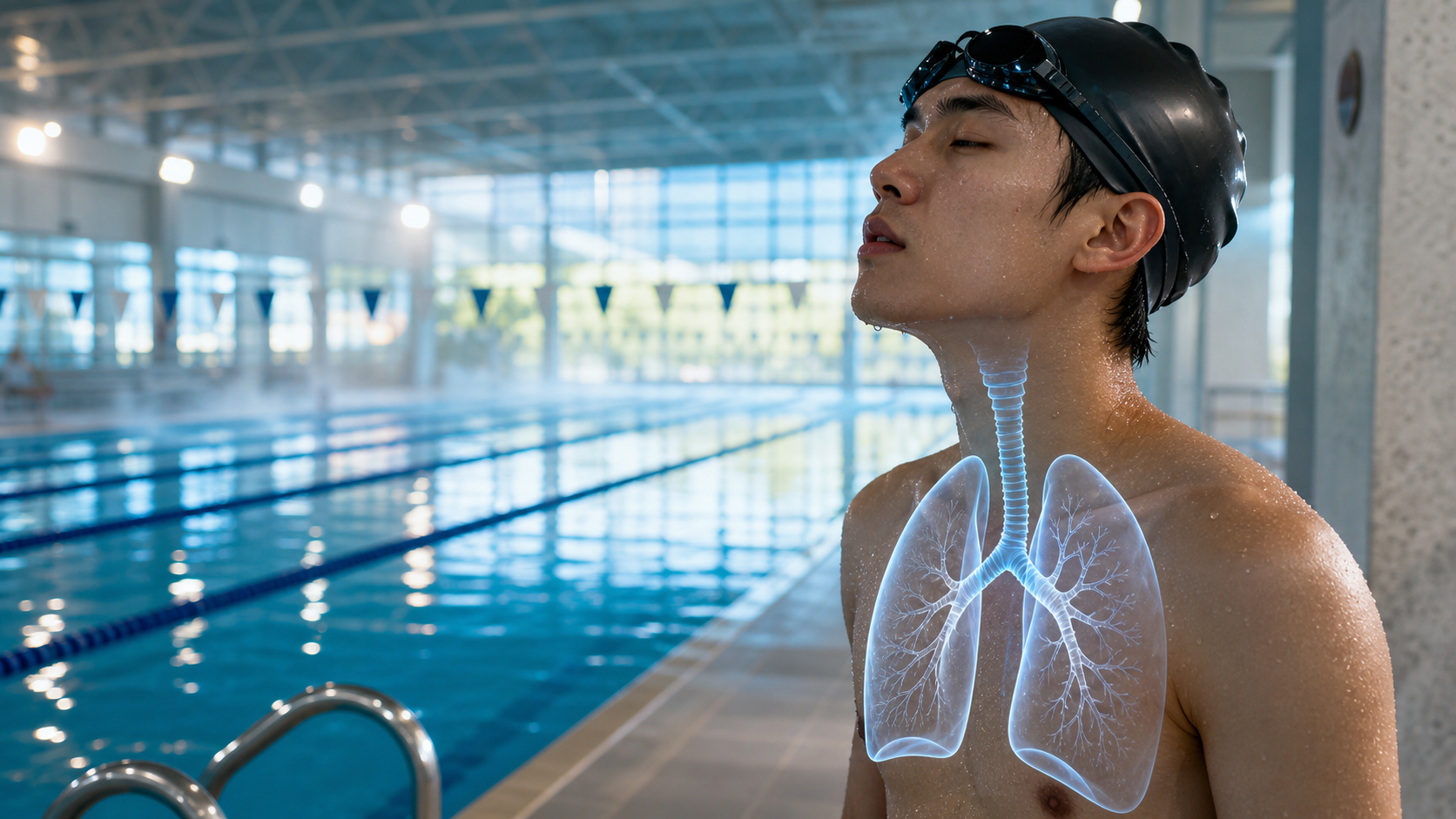
“The air at the pool smells like chlorine”—this is a sensation many Taiwanese swimmers have come to take for granted. However, that pungent “chlorine smell” is actually not primarily pure chlorine (Cl₂), but rather trichloramine (NCl₃)—a volatile gas produced when chlorine reacts with organic matter. It is far more irritating to the respiratory tract than pure chlorine, and is especially concentrated in poorly ventilated indoor pools.
In recent years, research in sports medicine and environmental health has accumulated more and more evidence on the relationship between swimming and the respiratory system. While conclusions remain debated, the cumulative impact of long-term, high-frequency indoor pool training on the airway epithelium has garnered sufficient attention to warrant a closer look from every serious Taiwanese swimmer.
Harmful Gaseous Substances in Pools
Major Volatile Disinfection Byproducts (DBPs)
| Substance | Source | Irritancy |
|---|---|---|
| Trichloramine (NCl₃) | Chlorine + urea/sweat | Strongest; primary airway irritant |
| Dichloramine (NHCl₂) | Chlorine + amino acids | Moderate |
| Chloroform (CHCl₃) | Chlorine + organic matter | Volatile solvent; cumulative toxicity when inhaled |
| Dichloroacetic acid (DCA) | Chlorine + organic matter | Mainly affects ingestion (drinking water); fewer inhalation studies |
Trichloramine concentration directly reflects a pool’s “organic load”—the more swimmers, the poorer the pre-entry hygiene of bathers (not showering beforehand), and the worse the ventilation, the higher the trichloramine concentration. In high-traffic indoor pools in Taiwan during summer, measured NCl₃ concentrations can sometimes reach 0.5–1.0 mg/m³, far exceeding the recommended limits of some countries (0.3 mg/m³).
Effects on the Respiratory System: Research Evidence
Airway Irritation and Remodeling
Several European studies (Demopoulos et al., Belgium, 2006–2012) tracking children training in indoor pools found:
- Children with long-term pool training showed significantly elevated airway permeability markers (such as CC16 protein in exhaled breath condensate), indicating micro-damage to the airway epithelium
- The prevalence of asthma among competitive swimmers (27–30%) is significantly higher than in the general adolescent population (approximately 7–10%)
- Long-term exposure may induce airway hyperresponsiveness (AHR), meaning the bronchi become more sensitive to irritants
Swimmer’s Asthma
Swimmer’s asthma is a special subtype of exercise-induced asthma, characterized by:
- Coughing, wheezing, and shortness of breath during or after pool training
- Symptoms subsiding after leaving the pool environment
- Relief from bronchodilators (such as salbutamol spray)
- Skin allergy tests may be negative (atypical non-allergic asthma)
Long-Term Pulmonary Function Effects
Research findings are somewhat divided: some studies show that long-term swim training improves lung function (both FVC and FEV1 increase); others find that competitive athletes with high exposure loads (> 4 sessions per week, > 2 hours per session) exhibit mild small airway dysfunction (decreased FEF25–75). Overall, recreational swimmers (≤ 3 sessions per week) face relatively lower long-term pulmonary function risks.
The Importance of Pool Ventilation Quality
Ventilation quality varies greatly among indoor pools in Taiwan:
- Older community pools: aging ventilation systems, insufficient air exchange rates, high NCl₃ accumulation
- Modern sports center pools: mostly equipped with air exchange systems, some even with CO₂ concentration monitoring
- Ceiling design: sloped ceilings help expel the denser trichloramine layer (trichloramine tends to accumulate 1–2 meters above the water surface)
How to judge a pool’s ventilation quality: If your eyes and nose still feel irritated and breathing is slightly uncomfortable 5 minutes after entering the pool, this usually indicates poor ventilation or excessive disinfectant use, and you should consider switching pools.
Strategies to Protect the Respiratory Tract
- Choose well-ventilated pools: Pools with windows or mechanical ventilation typically have lower NCl₃ concentrations
- Prioritize outdoor or semi-open pools: When Taiwan’s weather permits, outdoor pools are the best choice
- Avoid applying excessive lotion or sunscreen before swimming: These organic substances intensify DBP production once in the water
- Shower and rinse your mouth thoroughly after swimming: Reduces chemical residues on respiratory mucosa
- For those with existing asthma: Consult a pulmonologist or allergist/immunologist before pool training; use preventive bronchodilators if necessary
- Monitor respiratory symptoms: If a persistent dry cough lasts more than 2 weeks after training, undergo pulmonary function testing (available at the pulmonology departments of hospitals in Taiwan)
Practical Recommendations
- Shower and use the restroom before entering the water—this is not just hygiene etiquette; it also reduces NCl₃ production and protects both your own and others’ respiratory systems
- Swimmers who train long-term indoors (especially children) should have a pulmonary function assessment every 1–2 years
- If you have an allergic constitution or a history of asthma, choose pools with “ozone disinfection” or “UV-assisted disinfection” systems whenever possible, as these pools have lower chlorine levels
- During training, appropriate nasal irrigation (with saline solution) helps clear residual chloramine irritants from the mucosa
- Swimming coaches, who spend long hours supervising at poolside, should pay particular attention to their own respiratory health and advocate for improved ventilation facilities at pools
Conclusion
The respiratory effects of swimming are a matter of “dose-response”—the risk for occasional swimmers or recreational trainees is quite low; what truly warrants attention is long-term, high-frequency training in poorly ventilated indoor pools among competitive athletes. By understanding this risk, choosing a better pool environment, and regularly monitoring respiratory health, you can enjoy the pleasures of swimming while protecting your most vital respiratory organ over the long term.
Related Reading
- Swimming and Asthma: The Impact of Chlorinated Water Environments on the Respiratory Tract and Coping Strategies
- Pool Water Quality Management: The Effects of Chlorine Concentration on Skin, Eyes, and Hair, and Protection Strategies
- The Scientific Impact of Swimming on Lung Function and Asthma
- Swimming, Skin, and Immunity: The Physiological Effects of Long-Term Chlorinated Water Exposure